

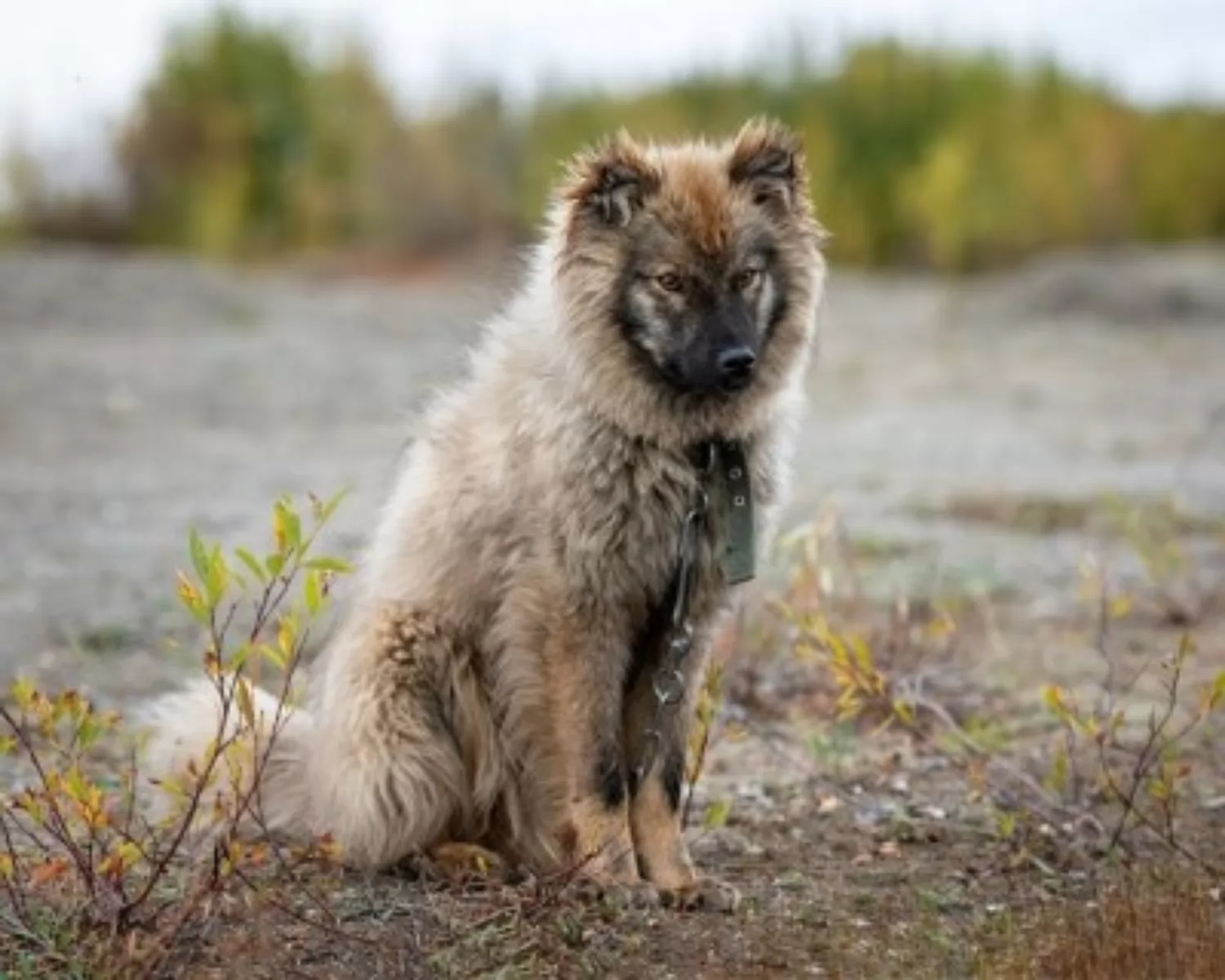
People usually find the Nenets Herding Laika because they have seen a photo of a compact, fox-like spitz beside reindeer, or they have heard that the Samoyed’s story begins with a working dog from the Russian Arctic. Then come the practical questions: is this an actual breed or a landrace, what are they like to live with, and why do they seem so different from the more familiar northern dogs that turn up at parks?
Part of the confusion is that “Laika” is often used as a broad label for northern, spitz-type dogs, not one single pedigree breed. The Nenets Herding Laika sits in that older working tradition, shaped more by function than by show-ring fashion, and closely tied to reindeer herding and nomadic life in the tundra.1, 2
That background matters when you think about day-to-day life with one. A dog bred to travel, notice small changes, and make decisions at a distance can be a steady, observant companion, but it can also be a poor fit for cramped spaces or highly repetitive training. Understanding what they were built for is the simplest way to understand what they need.
- Breed type: Northern spitz, working landrace
- Origin: Russia (Yamalo-Nenets region)
- Typical height: About 40 to 50 cm at the shoulder (varies by sex and line)
- Typical weight: Often around 15 to 20 kg (varies by condition and workload)
- Coat: Dense double coat
- Life expectancy: Commonly reported around 12 to 15 years
- Best known for: Reindeer herding and all-weather endurance
Origins, working role, and why the breed exists
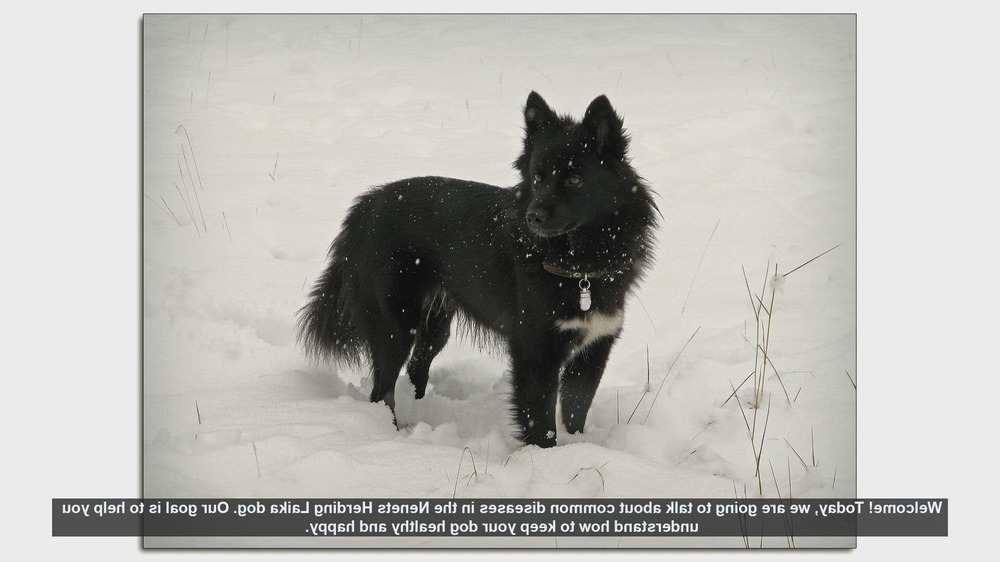
The Nenets people are Indigenous reindeer herders of Arctic Russia, and reindeer keeping has long been central to daily life, travel, and survival.3 In that context, a good dog is not a luxury. It is part of the working system that keeps a herd moving and a camp functioning.
The Nenets Herding Laika is widely described as an aboriginal, spitz-type landrace associated with that reindeer work, selected primarily for herding ability rather than hunting.1 You will sometimes see alternate names such as “reindeer spitz” or similar translations, which reflects the job more than a modern kennel-club identity.
There is also a well-known historical thread linking these dogs to the development of the Samoyed in the West, including accounts of Arctic exploration and the movement of dogs out of the region over time. It is best treated as a documented influence rather than a neat one-step origin story, because the real world is messier than breed charts.1, 4
What they look like in real life
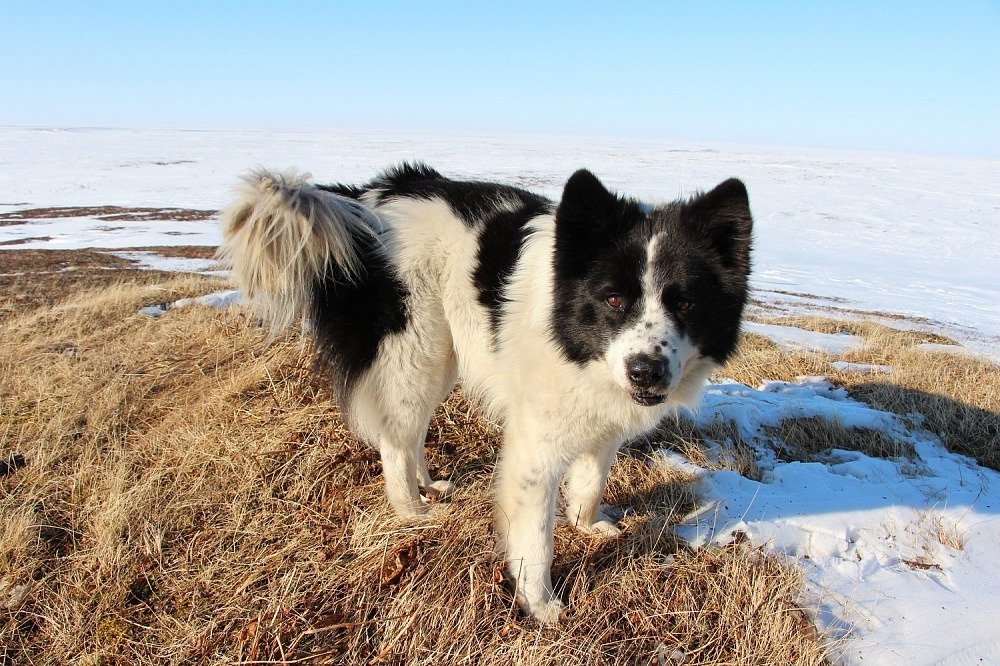
A Nenets Herding Laika tends to read as “classic northern spitz”: medium-sized, athletic rather than heavy, with prick ears and a thick double coat built for cold, wind, and snow. Coat colours vary, and you will see a range rather than a single fashionable look, which is typical of working landraces.1
That coat is protective, but it also changes how the dog copes in warm climates. Thick-coated dogs can overheat more easily when exercise, humidity, and poor airflow stack up. If you live somewhere that runs hot in summer, planning your routine around cooler parts of the day is not overcautious, it is simply practical.5
Temperament, instincts, and what owners often notice
Descriptions of the Nenets Herding Laika often mention intelligence, independence, and strong working instincts. In a home, those traits can show up as a dog that watches first and acts second, one that learns patterns quickly, and one that may not see much value in doing the same cue ten times in a row.
It also helps to expect some degree of “herding logic”. If movement matters to a dog, they may try to control it, whether that is other dogs at the park, a bike, or children running across the yard. The goal is not to suppress instinct as if it is bad behaviour. It is to redirect it early, so the dog practises the right patterns in your environment.
When people say a dog is “loyal”, what they often mean in practice is that the dog keeps track of their person, chooses to stay nearby, and becomes unsettled if the household is unpredictable. With primitive or landrace working types, that steadiness is often earned through consistent handling, calm boundaries, and plenty of appropriate activity.
Training and exercise that fits the dog you have
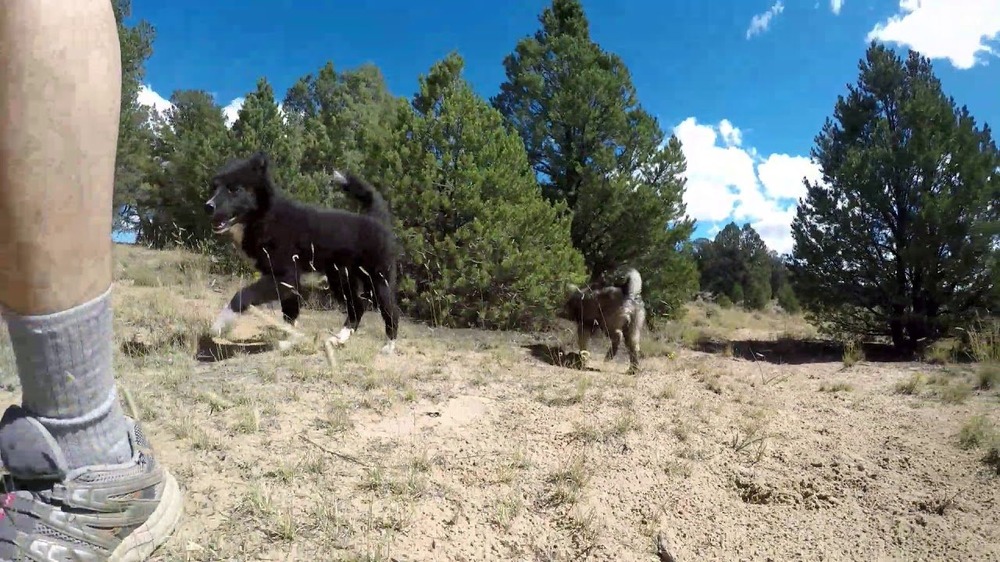
For a dog shaped by work, training is most successful when it feels relevant. Reward-based methods are widely recommended because they build clarity without turning training into a contest, and they tend to support a better day-to-day relationship between dog and handler.6
With a Nenets Herding Laika type, “exercise” is usually not only distance. It is also problem-solving, sniffing, and purposeful tasks. Aim for a mix of:
- Daily movement (walks, hiking, running where appropriate)
- Short training sessions that stay interesting (varied rewards, frequent breaks)
- Enrichment that uses the dog’s brain (scent games, food puzzles, supervised exploration)
If your dog seems busy, vocal, or restless at home, it is often less about them being “naughty” and more about an underfilled day. Adding structure can be more effective than adding intensity.
Health, heat management, and sensible prevention
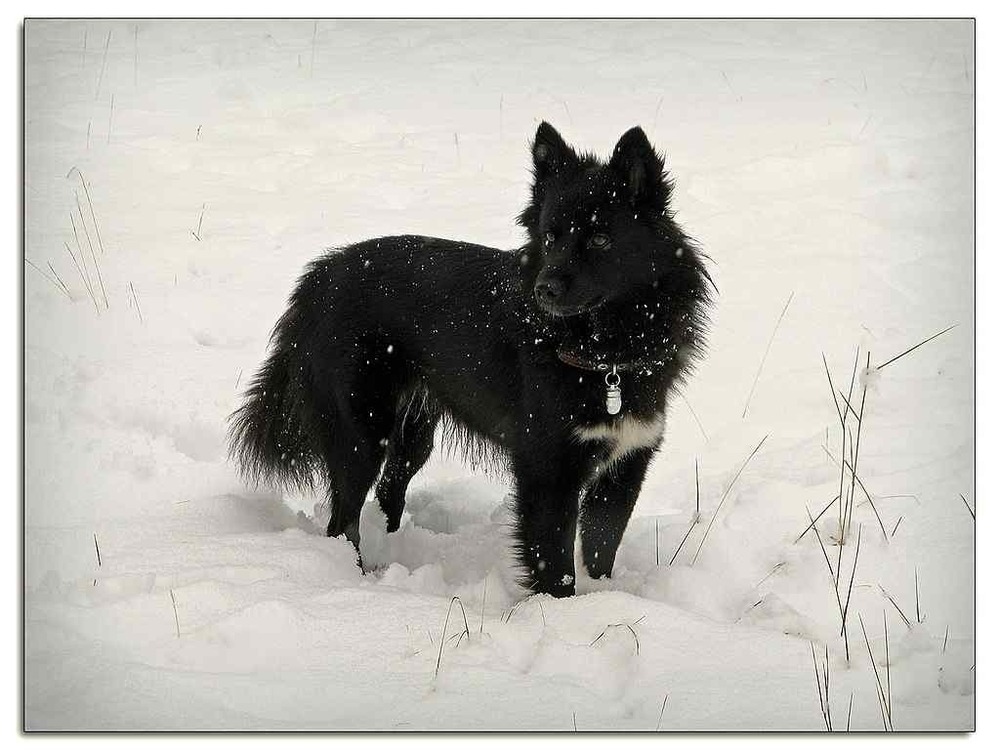
Because the Nenets Herding Laika is not widely established in major kennel systems outside its home region, you will see fewer large-scale health summaries than for common breeds. The usual, sensible approach is to plan as you would for any medium, athletic dog: keep them lean, build fitness gradually, and work with a vet who is comfortable advising on joint and eye screening when relevant to a particular line.
Heat is the risk that catches many northern-breed owners off guard. Heatstroke can become serious quickly. Practical prevention is straightforward: shade, ventilation, plenty of water, and avoiding strenuous exercise in hot, humid conditions.5 If you ever see persistent heavy panting, drooling, weakness, vomiting, confusion, or collapse, treat it as urgent and contact a veterinarian immediately.5
Grooming: keeping the coat functional
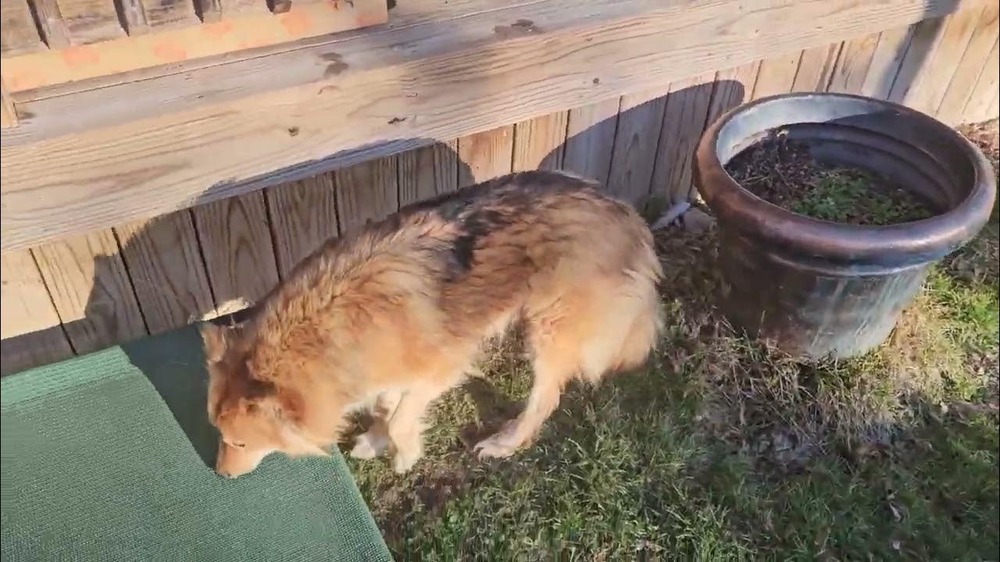
A double coat is not a decorative feature. It is equipment. Most of the year, regular brushing helps remove loose hair and debris and gives you a chance to check skin, feet, and ears. The heavier “blow” periods are when you will notice the undercoat coming away in handfuls, and when brushing becomes less optional.
Basic grooming, including regular brushing, is part of standard dog care advice, and it matters even more for thick-coated dogs because tangles and compacted undercoat can trap moisture and irritate skin.6 Unless advised by a vet for medical reasons, shaving a double-coated dog is often unhelpful, because the coat helps with insulation in cold and can also buffer heat when it is healthy and properly maintained.
Feeding and body condition, not just ingredients
Active dogs do need quality nutrition, but it is easy to over-focus on ingredient lists and miss the more useful questions: is the food complete and balanced, does the company do quality control, and does the diet keep the dog in good condition?
The World Small Animal Veterinary Association (WSAVA) Global Nutrition Guidelines are a helpful reality check here, especially their guidance that ingredient lists can be misleading, and that owners are better served by evaluating the manufacturer and the overall nutritional adequacy of the diet.7
For most households, the most practical benchmark is a stable, lean body condition and consistent stools, energy, and coat quality. If you are unsure, a vet can help you adjust portions based on activity level and season, which can matter with a dog whose routine changes through the year.
Is a Nenets Herding Laika a good fit?
These dogs tend to suit people who enjoy training as an ongoing conversation rather than a checklist, and who can provide space, routine, and meaningful activity. They are often described as adaptable, but adaptability is not the same as being content with boredom.
If you are considering one, it is worth seeking out information from people working with the type today, and asking direct questions about temperament, recall, sociability, and how the dogs behave when they are under-exercised. With rare landraces, the individual line matters more than the label.
When the match is right, the appeal is easy to understand. A capable herding spitz can be observant, steady, and surprisingly subtle in how they communicate. Living with that kind of dog is less about owning something unusual, and more about making room for a working mind in a modern life.
References
- Wikipedia: Nenets Herding Laika
- Samoyed Club of America: Aboriginal Samoyeds of the Yamal Peninsula
- Encyclopaedia Britannica: Nenets
- Wikipedia: Samoyed dog
- RSPCA Australia: Warm weather worries, protect pets from heatstroke
- RSPCA Pet Insurance: Essential dog care information
- WSAVA: Global Nutrition Guidelines