

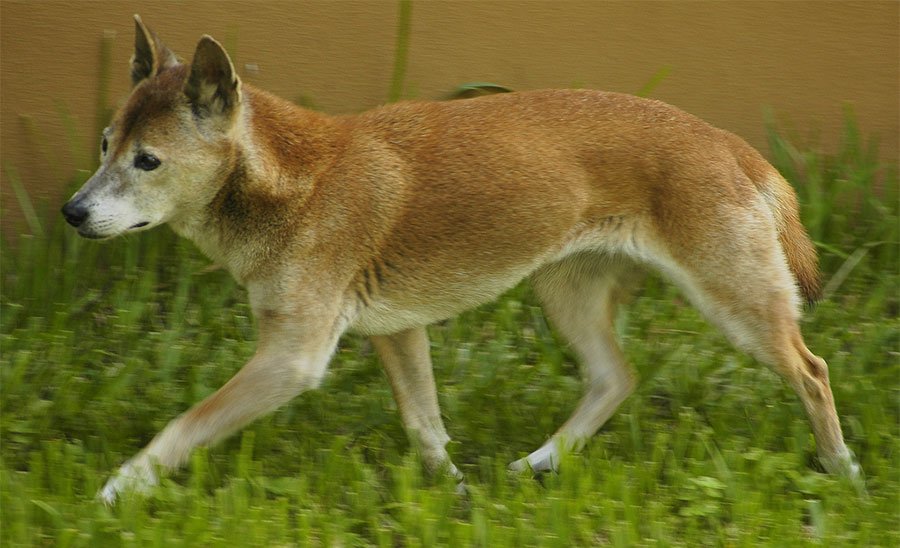
You might first hear about the New Guinea Singing Dog because someone mentions a dog that “sings”, or you stumble across a clip where the sound is more like a rising, warbling howl than an ordinary bark. It is tempting to file it under novelty and move on.
But once you look a little closer, the story becomes less about a quirky noise and more about an unusual canid lineage, shaped by isolation in the highlands of New Guinea and then preserved, imperfectly, through small captive populations. That history matters because it affects how these dogs behave, how they cope in domestic settings, and what “owning one” really implies in practical terms.1, 2
It also helps to know that “New Guinea Singing Dog” is often used loosely. Some animals are from captive lines maintained for decades, while recent field research has focused on highland wild dogs closely related to the captive population. When people talk about rarity, temperament, and conservation, they may be referring to different parts of the same tangled picture.1, 3
What a New Guinea Singing Dog is, and what the name can miss
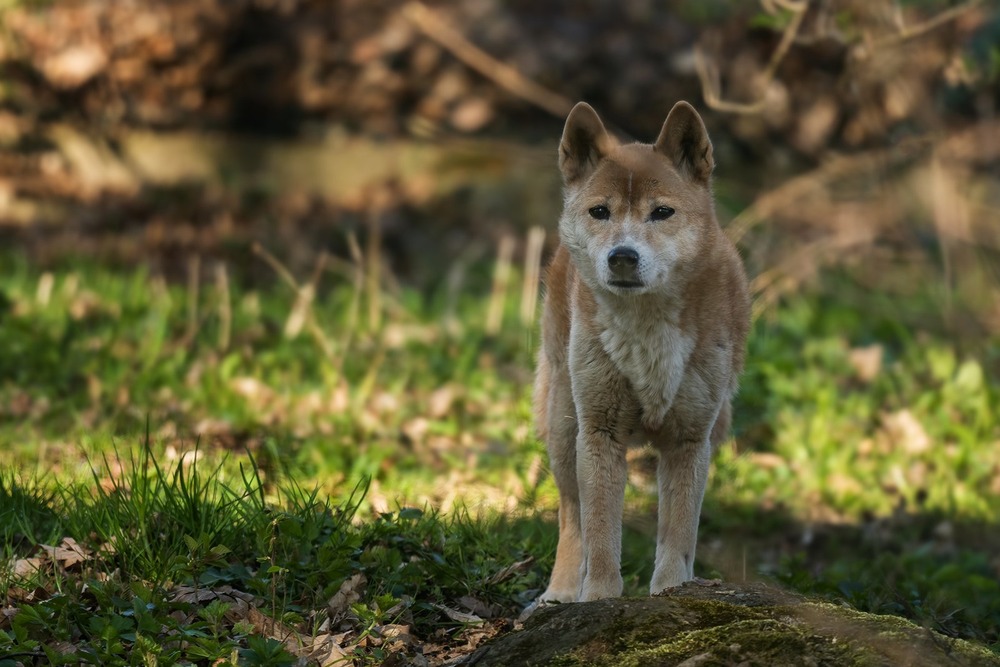
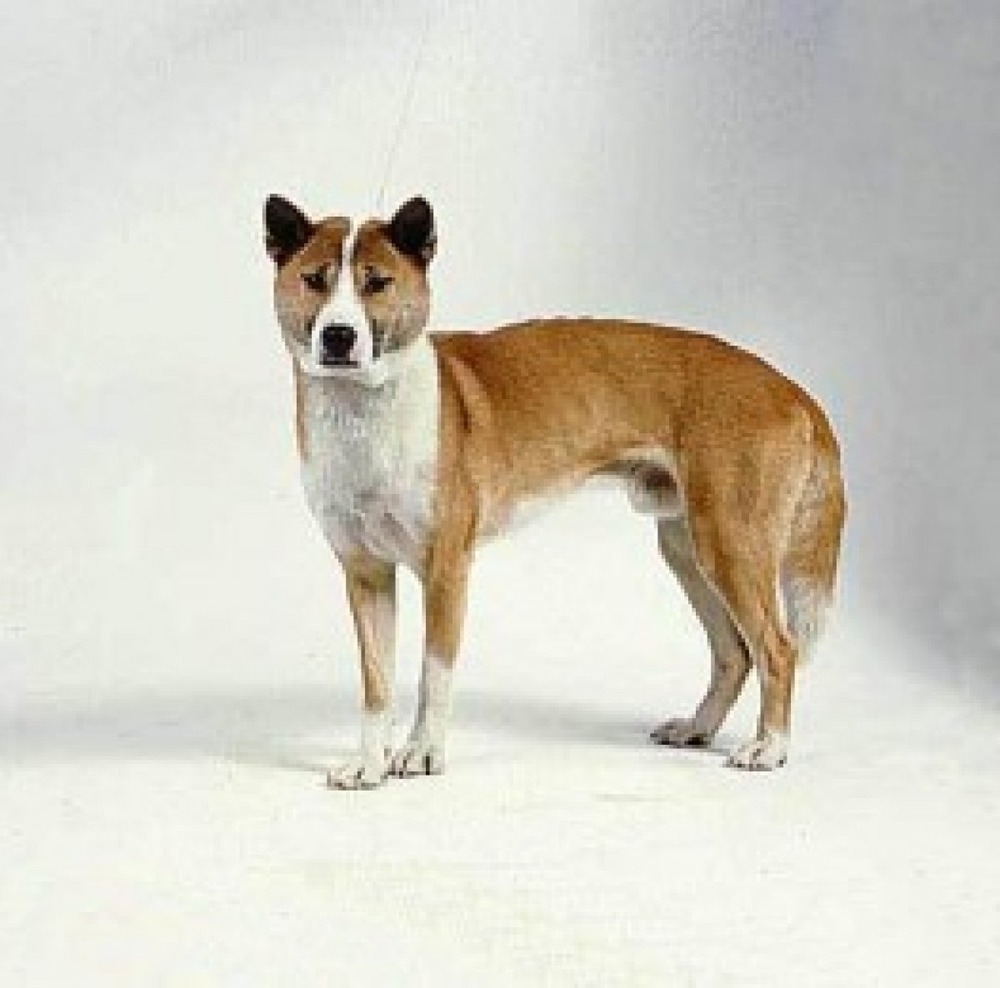
The New Guinea Singing Dog (NGSD) is typically described as a small-to-medium, fox-like canid known for distinctive vocalisations that can sound more melodic and variable than the usual canine bark-howl. In practice, that “singing” is a kind of modulated howl, and it is part of why the NGSD has held scientific interest for decades.1
Where things get complicated is classification. Recent genetic work has examined “highland wild dogs” from the New Guinea highlands and found strong similarity to the captive NGSD population, with the wild dogs showing higher genetic diversity. This has fuelled ongoing discussion about how best to describe these animals: as a distinct population, a wild counterpart, or part of a broader Oceanic lineage alongside the dingo.1, 3
If you are reading because you are considering a dog as a companion animal, it helps to hold two ideas at once:
- There is a real, studied animal behind the name, not just a folklore “singing” myth.1
- There is also a lot of messy overlap in labels, especially online, between captive NGSDs, highland wild dogs, and dingo-related discussion.3
Origins, rediscovery, and why conservation keeps coming up
Accounts of small wild dogs in the highlands of New Guinea have circulated for a long time, but modern scientific attention intensified after mid-20th century collections and, later, renewed field efforts. In 2016, camera-trap images helped support the case that highland wild dogs still persisted in remote areas, which mattered because the NGSD had often been described as effectively absent from the wild in recent decades.2, 4
In 2020, genomic research published in PNAS analysed nuclear genomes from highland wild dogs and found strong similarity to the captive NGSD population, alongside higher diversity in the wild sample. For conservation-minded groups, the practical implication is straightforward: if a wild population exists and can be studied ethically, it could inform efforts to increase genetic diversity in captive management and clarify lineage relationships.1
It is also worth noting that the NGSD is frequently discussed alongside the Australian dingo. Some researchers and organisations describe an Oceanic lineage relationship, and this feeds into broader debates about taxonomy and conservation priorities. If you see disagreements online, that is not always “people being difficult”. It often reflects genuinely different frames for defining wildness, ancestry, and category boundaries.3
Temperament and behaviour: “primitive” does not mean untrainable
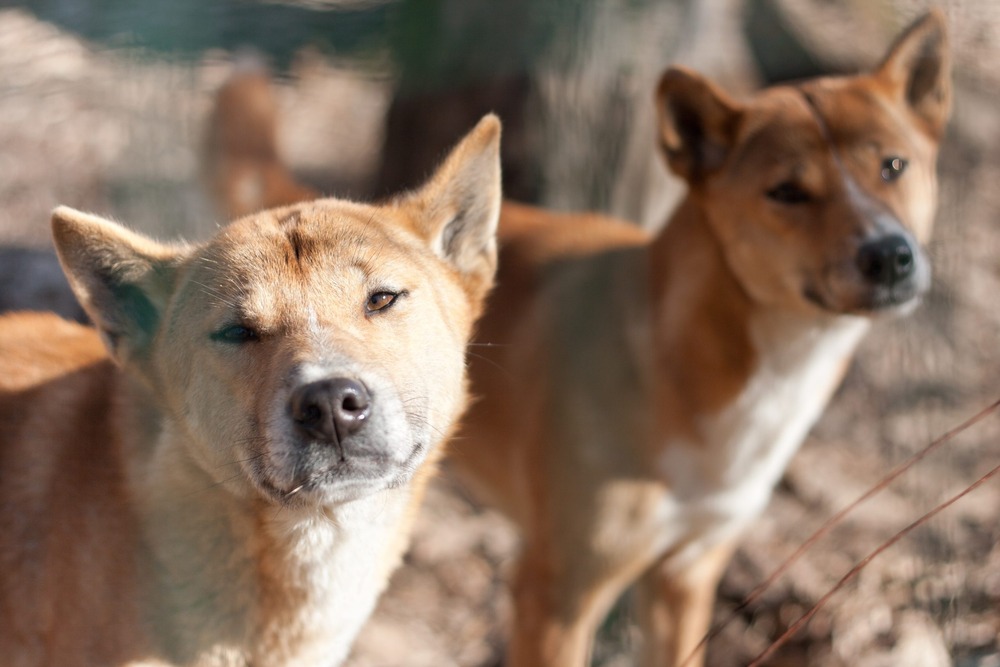
NGSDs are often described as “primitive” or “basal” in the everyday sense, meaning they can show behavioural tendencies that feel less biddable than many modern companion breeds. That does not mean they cannot learn. It means that training success often depends on motivation and management, not force, and on accepting that some dogs are less inclined to perform on cue just to please you.
People commonly report traits such as alertness, independence, and high environmental awareness. In a home context, those qualities can look like quick pattern learning, strong interest in movement (birds, possums, cats), and a tendency to rehearse behaviours that work for them, such as escaping, climbing, or locating food. If you are used to a dog that defaults to checking in with you, this can be an adjustment.
When the dog’s needs are mismatched to the household, the problems that follow are rarely mysterious. They are the usual consequences of an athletic, curious animal in a setting that does not offer enough structured activity, predictable routine, and safe outlets for foraging and exploration.
Living with other pets and children: what “supervision” really looks like
Compatibility gets talked about as if it is a fixed trait, but in day-to-day life it is mostly about context. A dog with strong chase instincts may cope well with calm, dog-savvy children and careful boundaries, yet struggle with fast, squealing play or visiting toddlers who move unpredictably.
With other pets, it is wise to plan conservatively. Many owners of prey-driven dogs find that management is the kindest approach for everyone involved. That may include physical separation, secure outdoor runs, and avoiding situations where small animals are placed under pressure. If you live with cats, rabbits, or pocket pets, assume you will need layers of management rather than a single “introduction day”.
If you are unsure, speak with a qualified trainer who uses reward-based methods, and make sure they are comfortable designing a plan around safety and separation as well as training goals.5
Training and exercise: practical approaches that suit the dog
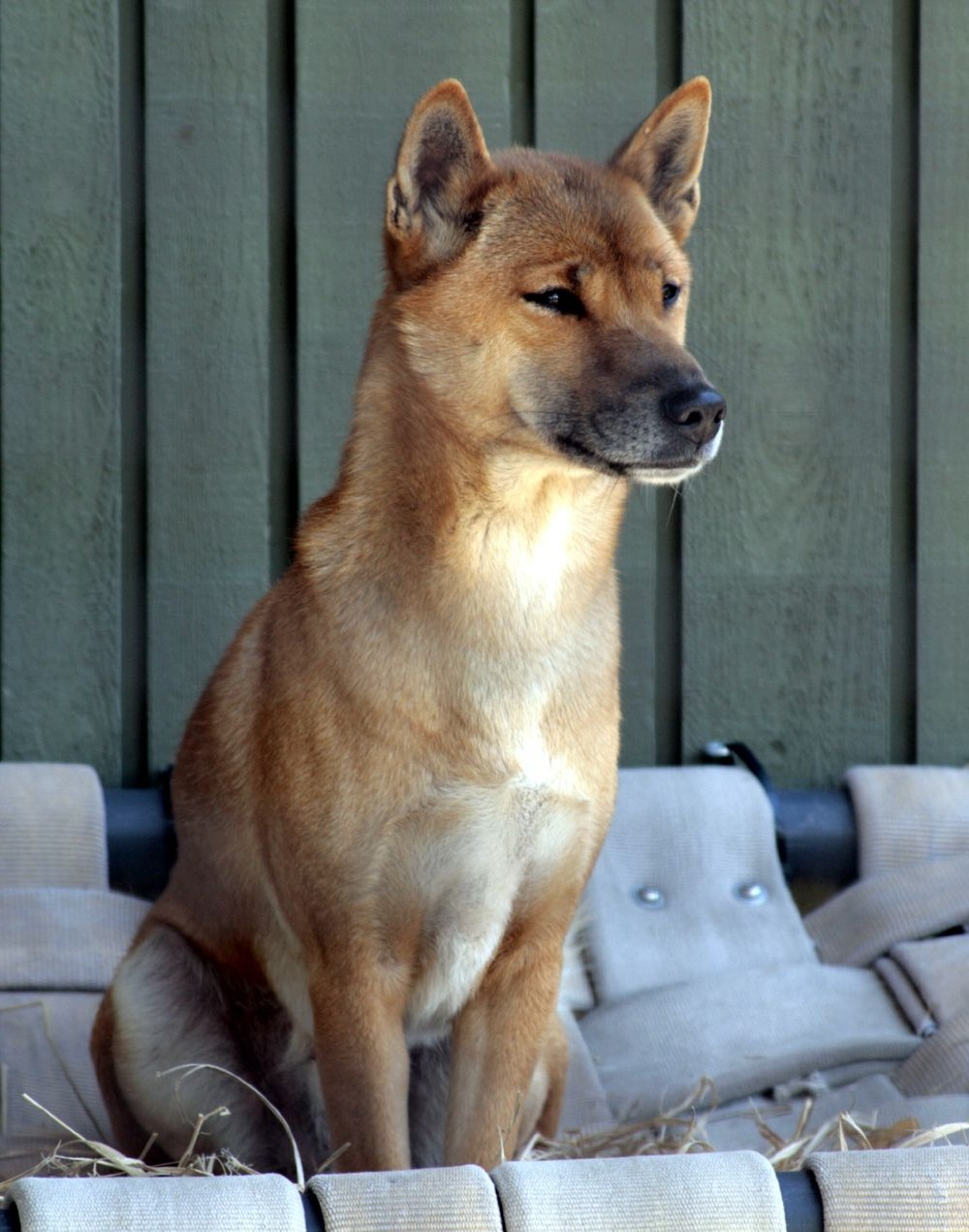
The best training approach for an NGSD-type dog is rarely about “getting tough”. It is about setting up repeatable situations where the dog can succeed, then paying well for the choices you want. Reward-based training and thoughtful socialisation are well supported in modern animal welfare guidance, particularly for young dogs building coping skills around novelty.5
In practical terms, that often means:
- Short, frequent sessions, stopping while the dog still wants more.
- Building value for recall and leash skills in low-distraction environments before expecting reliability outdoors.
- Using enrichment, such as scent games and food puzzles, so exercise is not only physical.
- Prioritising containment, since athletic dogs can be skilled climbers and opportunistic escape artists.
Exercise needs tend to be high. A long walk helps, but many dogs also need opportunities to sniff, search, and solve problems. For some households, that is the deciding factor, not affection or interest in the breed.
Health and lifespan: what to watch, and what “preventative” really means
Public information on breed-specific disease risk in NGSDs is limited compared with mainstream breeds, partly because populations are small and not managed like typical kennel-club lines. Still, general canine issues can apply, including orthopaedic and dental problems.
Hip dysplasia is a developmental joint disorder influenced by multiple factors, including heredity, growth, and environment. Signs can vary from subtle stiffness to clear pain and lameness, and diagnosis relies on veterinary assessment and imaging.6
Dental disease is another area where small-to-medium dogs can quietly accumulate problems until there is noticeable discomfort or infection. The simple, unglamorous truth is that toothbrushing is the gold standard for at-home plaque control, supported by veterinary dental organisations and evidence-based product review programs such as the Veterinary Oral Health Council (VOHC).7, 8
Grooming and day-to-day care
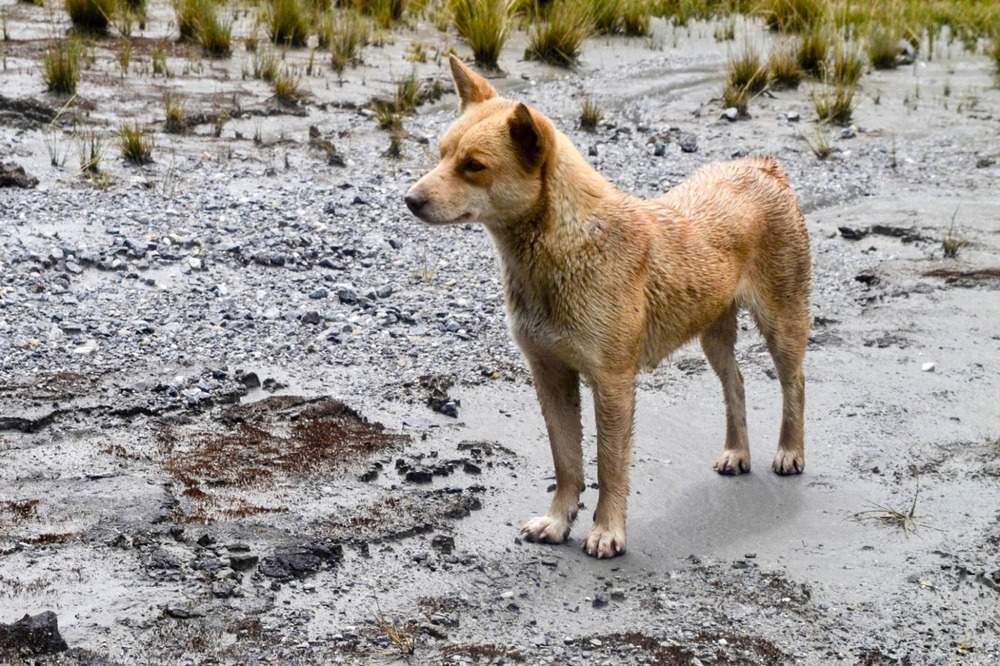
The coat is commonly described as short and dense, which usually translates to straightforward grooming. Occasional brushing to remove loose hair is often enough, with more attention during seasonal shedding. Nails, ears, and teeth are where routine care can quietly make the biggest difference over time.
If you want a simple baseline routine, aim for:
- A quick brush weekly, increasing as needed during heavier shedding.
- Nail trims often enough that nails do not click on hard floors.
- Regular ear checks, especially if the dog is active outdoors.
- Dental care that is realistic, even if it starts with a few seconds of brushing and gradually builds into a habit.7, 8
Is this dog realistic as a companion animal?
For most people, the more important question is not “is it rare?” but “does my life match the dog’s needs?”. NGSDs, and NGSD-like dogs, are often best suited to households that enjoy training as a long game, can provide meaningful daily activity, and are comfortable with containment and management.
If you are drawn to the idea of a unique canid because it feels different from modern breeds, it is worth pausing there. “Different” can mean wonderfully engaging, but it can also mean a dog that needs more structure than many people expect, especially around prey drive, recall reliability, and boredom behaviours.
On the conservation side, it is also sensible to be cautious about casual “ownership” narratives. Small populations and ongoing scientific work mean there can be ethical and practical considerations well beyond what you would encounter with a typical companion breed.1
References
- New Guinea highland wild dogs are the original New Guinea singing dogs (PNAS, PubMed record)
- National Geographic: ‘Extinct’ mountain dogs rediscovered in the wild (2017)
- UNSW News: Dingo relatives alive in remote New Guinea Highlands (2020)
- ABC News (Australia): Dingo relative rediscovered in remote highlands of New Guinea (2017)
- RSPCA Knowledgebase: How can I socialise my puppy?
- Merck Veterinary Manual (Pet Owner): Hip dysplasia
- Veterinary Oral Health Council (VOHC): Oral health guidance for pets
- VOHC: Accepted products list (dogs and cats)