

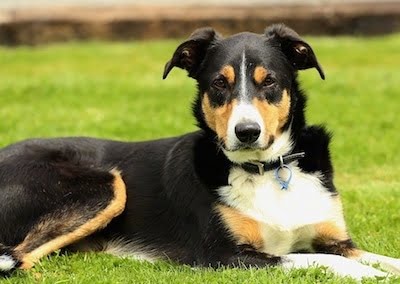
You might come across the New Zealand Heading Dog after watching a farm dog at work, meeting one that seems constantly “switched on”, or noticing your own dog’s herding habits show up in everyday life. They are the sort of dogs who read movement quickly and stay alert for long stretches, which can feel almost uncanny if you are used to more easygoing companions.
It is tempting to assume a clever working dog will automatically be “easy”, because they learn fast and often want to cooperate. In practice, that same quick mind can become restless without enough outlet, and herding behaviours can spill into family life if nobody teaches the dog what to do instead. Getting the balance right is less about intensity and more about meeting a dog’s needs in a steady, realistic way.
The New Zealand Heading Dog is best understood as a purpose-bred livestock dog, shaped by the demands of sheep farming. When people choose them as pets, the good outcomes tend to come from recognising that heritage early and planning for it.
- Breed category: Working and herding dog
- Country of origin: New Zealand
- Typical size: Medium, athletic build
- Coat: Usually short and dense, moderate shedding
- Energy level: Very high, needs daily physical exercise and mental work
- Best suited to: Active homes, rural properties, serious dog sports, owners who enjoy training
History and origin
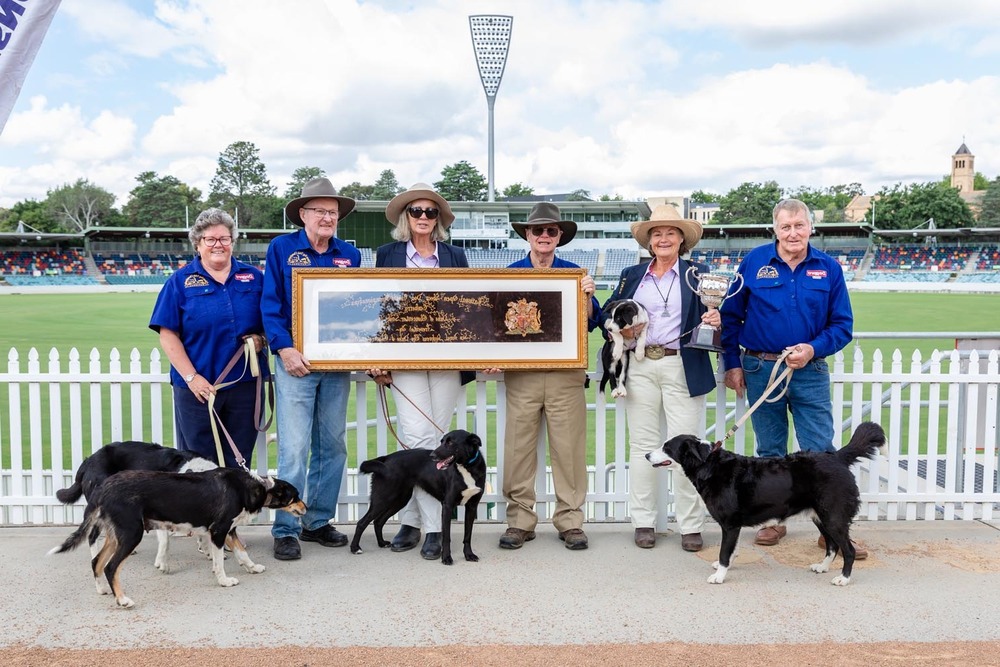
The Heading Dog (sometimes called an “eye dog”) developed in New Zealand from collie-type dogs brought by British settlers, with breeding choices shaped by what worked on local farms.1, 2 In broad terms, farmers selected for dogs that could control sheep using presence, pace, and a strong feel for stock, often at distance and over uneven ground.
Unlike many modern pedigree breeds, New Zealand farm dogs have traditionally been valued and recorded for working ability rather than appearance. Te Ara notes that heading dogs and huntaways have not been registered as breeds by the New Zealand Kennel Club in the usual pedigree sense, reflecting how practical farm needs have guided selection.2
Sheepdog trials also helped shape what handlers considered useful and desirable, because they rewarded dogs that could work calmly and accurately under pressure, with clear communication between dog and person.2
What they look like
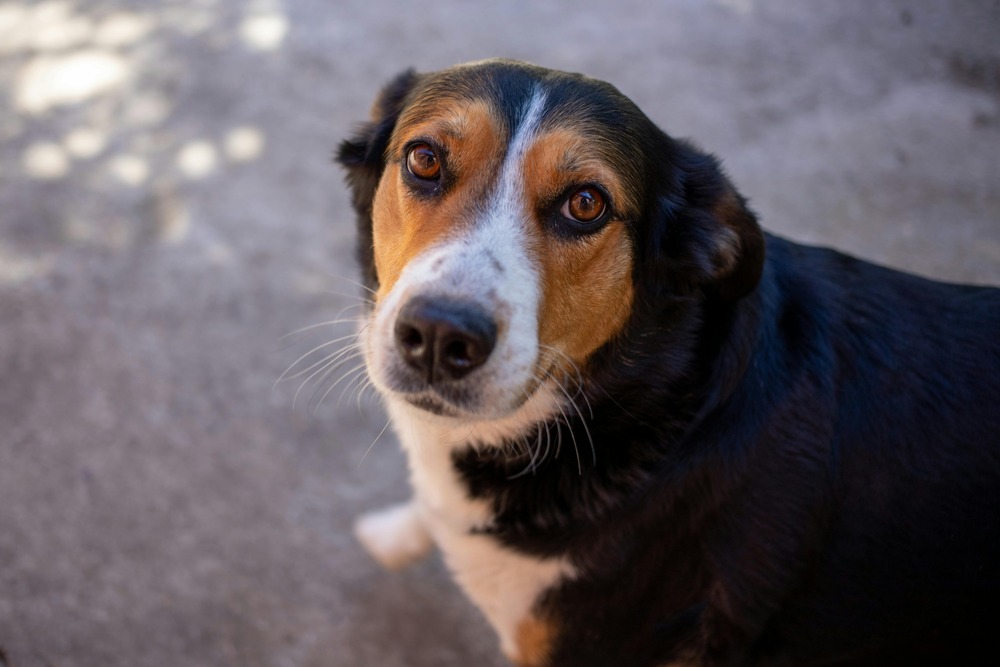
New Zealand Heading Dogs are commonly described as sturdy and long-legged, built for endurance and speed. Many are black and white, but other colours including tan occur.1 You will often notice an athletic outline rather than a heavily coated, showy look.
Because there is strong emphasis on function, there can be variation in details like markings and overall build. What tends to stay consistent is the impression of a dog designed to cover ground efficiently and respond quickly to stock movement.
Temperament and everyday behaviour
People are drawn to Heading Dogs for their focus and trainability. They can be quick to learn patterns, sensitive to movement, and ready to engage. Those traits can be brilliant on a farm, and also very rewarding in structured training and dog sports.
At home, the same working instincts can show up as circling, staring, chasing, or attempting to “gather” children, other pets, bikes, or visiting guests. It is not helpful to label that as stubbornness or badness. It is usually a dog offering a behaviour that once had a job attached to it, and now needs a different outlet.
With children, many do well in the right household, but supervision matters, especially with younger kids who run and squeal. If the dog starts to herd by stalking, nipping at heels, or cutting off movement, that is a cue to pause the game and redirect to something more appropriate, such as a lead walk, tug with rules, or a simple training routine.
Training that suits the breed
Heading Dogs often thrive with clear, consistent training and calm guidance. In practical terms, this means short sessions you can repeat daily, boundaries that do not change depending on mood, and reinforcement that the dog understands.
Training is not only about cues like sit or stay. It is also about teaching skills that make a high-drive herding dog easier to live with, such as:
- Settling on a mat while life happens around them
- Polite lead walking, including passing moving triggers
- Recall with real-world distractions
- Impulse control games (wait, leave it, permission-based play)
Many owners find that a Heading Dog does best when their day includes both movement and thinking. A long run without any mental work can still leave a bright dog under-stimulated, while endless puzzle toys without enough physical exercise can leave them physically tense.
Exercise and enrichment
This is a breed type that generally needs daily, purposeful exercise. For some dogs, that can mean long walks plus training, for others it might include running alongside a bike (where safe), hiking, or structured dog sports.
Useful enrichment is often surprisingly simple. A well-set-up routine can include scent games, basic obedience with real-life rewards, controlled fetch with start and stop cues, and tasks like carrying a small dog backpack (once fully grown and cleared by your vet).
If you live in a smaller space, think less about the postcode and more about the lifestyle. A Heading Dog can cope in town when their daily needs are met, but they are rarely content with a quick lap of the block and a bit of backyard time.
Health considerations and lifespan
Lifespan is often quoted in the low to mid teens for medium working dogs, but individual outcomes depend on genetics, workload, injury history, and day-to-day care.
Two health topics that commonly come up in active herding breeds are hips and eyes. Hip dysplasia involves a poor fit of the hip joint and can contribute to arthritis over time, and screening programs aim to reduce risk through breeding decisions.3
In terms of eye disease, progressive retinal atrophy (PRA) is an inherited condition that gradually leads to vision loss. It is considered non-painful, and dogs often adapt well, but it is significant for breeding decisions and long-term planning.4, 5
If you are getting a puppy, it is reasonable to ask what health screening is done in that line, and what working demands the parents are expected to handle. If you already have an adult dog, regular veterinary checks and early investigation of stiffness, lameness, or night-vision hesitation can make a meaningful difference.
Grooming and day-to-day care
Most Heading Dogs have a coat that is straightforward to manage. A weekly brush will usually keep shedding under control and help you check skin condition, burrs, ticks, and small injuries that a busy dog may ignore.
Keep nails at a practical length (especially for dogs doing lots of running and turning), maintain dental care, and pay attention to recovery after hard exercise. Working types can push through fatigue, so it helps to build rest days and calm time into the week.
Diet and maintaining a working body
An active Heading Dog needs a diet that supports lean muscle, joint health, and steady energy. The “best” food varies, but the practical goal is consistent body condition, good stool quality, and a dog who can work and recover well.
It is worth using your hands as much as your eyes. You should be able to feel ribs under a light layer of tissue, and see a clear waist. If your dog is doing heavy work, discuss feeding strategy with your vet, because energy needs can shift with season and workload.
Choosing one, and choosing well
New Zealand Heading Dogs are closely tied to farm culture, and in many contexts they are not treated as a standardised pedigree breed in the way show dogs are. That can make it harder for pet homes to predict temperament and drive unless they know the dog’s background and what it has been selected for.2
If you are considering one, it helps to be honest about what you can offer most days, not just on weekends. A good match is usually someone who enjoys training, likes being outdoors, and can provide structure plus downtime, rather than constant excitement.
Working dogs, like all animals, should not be expected to cope with a role that does not meet their physical and mental needs. Welfare-focused guidance from organisations such as the RSPCA emphasises that working animals require appropriate care and quality of life, which is just as relevant when a “working type” dog is living as a companion.6
References
- New Zealand Heading Dog (overview)
- Te Ara Encyclopedia of New Zealand: Farm dogs, heading dogs, huntaways and all-purpose dogs
- Australian Managed Cat and Dog Breeding (AMCV): Hip dysplasia
- Cornell University College of Veterinary Medicine: Progressive retinal atrophy
- University of Pennsylvania School of Veterinary Medicine: Progressive retinal atrophy
- RSPCA Australia Knowledgebase: Policy C03 Working animals
- PetMD: Progressive Retinal Atrophy (PRA) in dogs
- Dogs New Zealand (NZ Kennel Club): Recognised breeds directory