

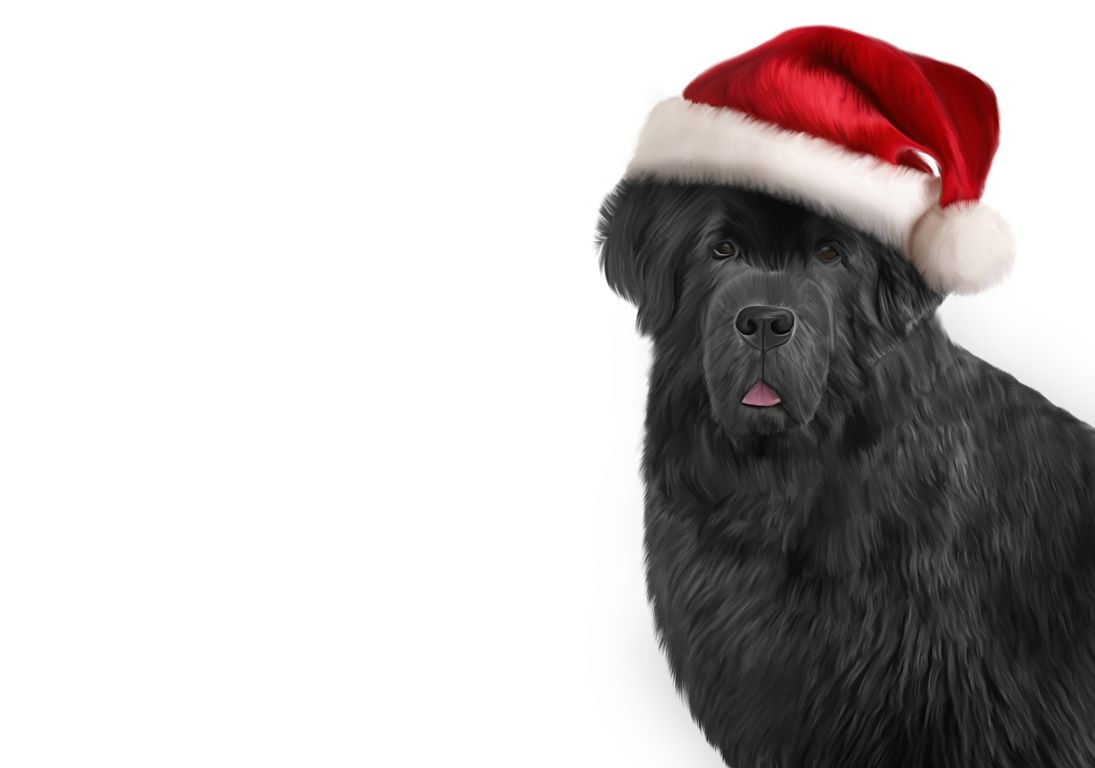
- Breed category: Working group
- Country of origin: Canada
- Average height: Males about 71 cm, females about 66 cm
- Average weight: Males often 60 to 70 kg, females often 45 to 60 kg
- Typical life span: Around 8 to 10 years
- Coat: Thick, water-resistant double coat
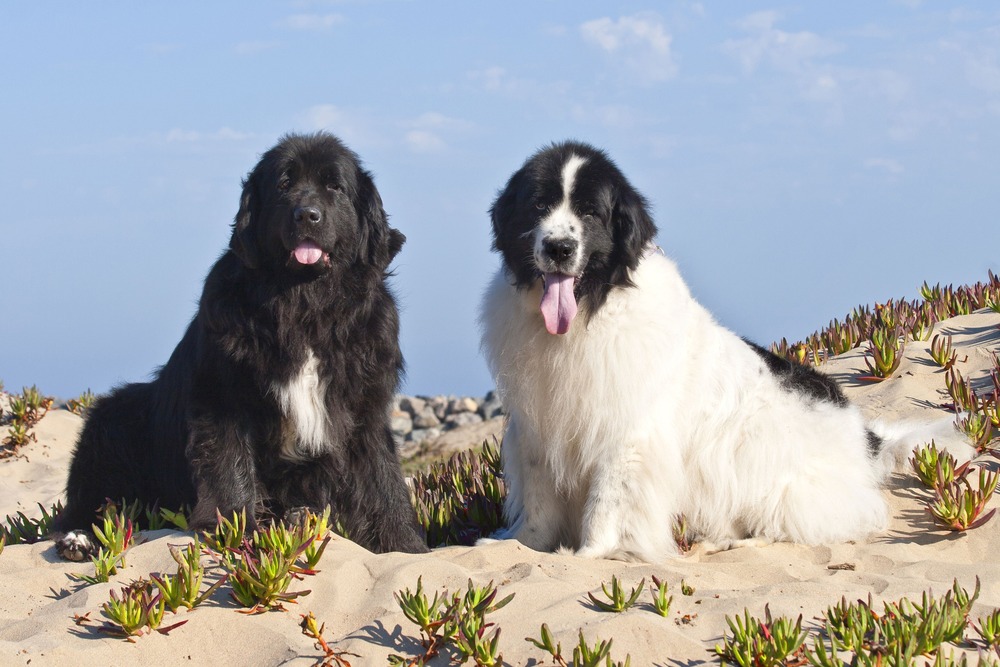
- Common colours: Black, brown, grey, Landseer (black and white)
- Shedding: Moderate to heavy, especially seasonally
- Drool: Often high
- Energy: Moderate
- Best known for: Strength, swimming ability, and water work
You might meet a Newfoundland at the park and notice the contrast straight away. Here is an enormous dog with a steady, unhurried presence, often moving as if they are carefully managing their own size. People tend to assume “big dog” automatically means boisterous, high-drive, or hard to live with, and with Newfoundlands it is rarely that simple.
More often, the questions start at home. Someone is considering a large family dog, or they have fallen in love with the breed’s look and soft expression, and then reality arrives in the form of slobber on the walls, fur in the doorway, and a dog who struggles in the heat. The Newfoundland can be a wonderful companion, but they suit some households far better than others.
Understanding the breed’s working background helps you make sense of everything that comes with them, from the coat and the feet to the way they respond to training. It also helps you plan for the less glamorous parts, like joint care, heart screening, and day-to-day management when the weather turns warm.
Where the Newfoundland comes from
The Newfoundland developed around the island of Newfoundland in Canada, where dogs were used as practical working partners in a harsh maritime environment. Their build and coat make sense in that context: a dog expected to cope with cold water, heavy loads, and long days near boats and shorelines.
Over time, the breed became closely associated with water work. Accounts of Newfoundlands assisting people in the water have helped shape the breed’s public image, but it is worth holding that reputation lightly. A Newfoundland may be naturally comfortable in water, yet not every individual is a “lifeguard” dog, and safety around water still depends on training, supervision, and good judgement.1
A note on “Landseer”
You will sometimes hear the black-and-white Newfoundland called a “Landseer”. It is a colour pattern, not a separate breed in the Australian kennel club context, and people use the term in slightly different ways depending on where they are and what registry they follow.
Physical traits that matter in daily life
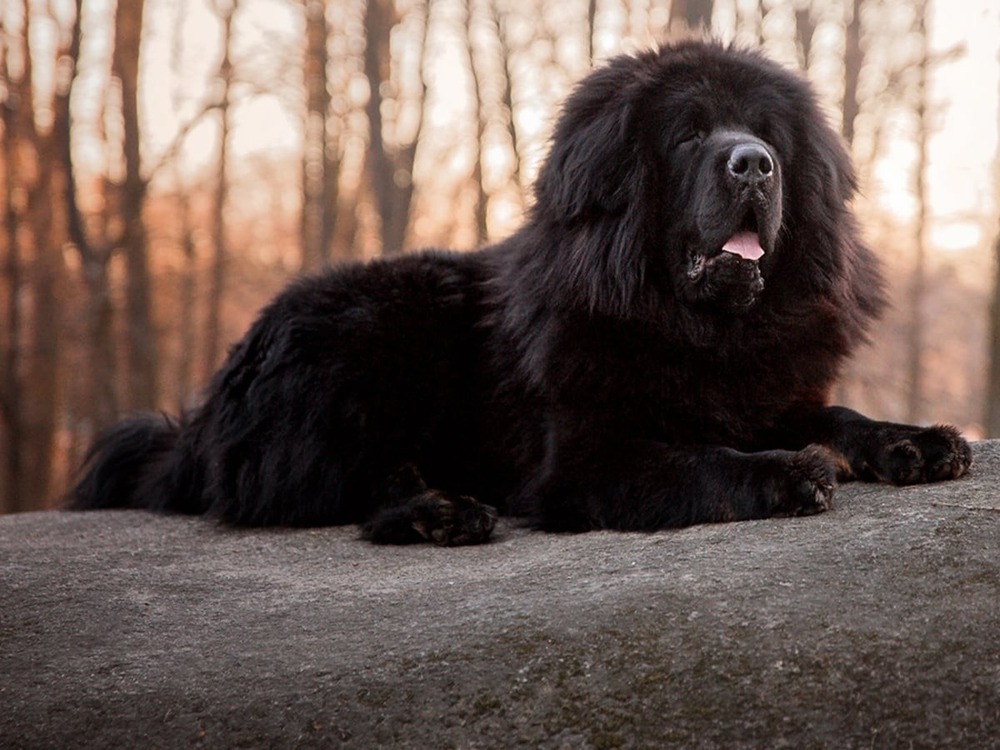
A Newfoundland is a giant-breed dog, heavy-boned, broad through the chest, and built for steady power rather than speed. That size changes ordinary routines. Getting in and out of a car, fitting on a vet scale, turning around in a hallway, or being helped up after a slip, it all asks more of the humans as well as the dog.
The coat is a big part of the story. Newfoundlands have a dense, water-resistant double coat that can cope with cold conditions, and it tends to come with serious shedding and the occasional “wet dog” aroma if they love water. Many also drool, sometimes lightly, sometimes enthusiastically, especially around meals and after a drink.
Why they are strong swimmers
People often mention the webbed feet, but the whole dog is adapted for water: coat, feet, tail, and overall build. The tail acts like a rudder, and the feet help with propulsion, which is why many Newfoundlands move through water with purpose rather than paddling frantically.1
Temperament, family life, and what “gentle giant” really means
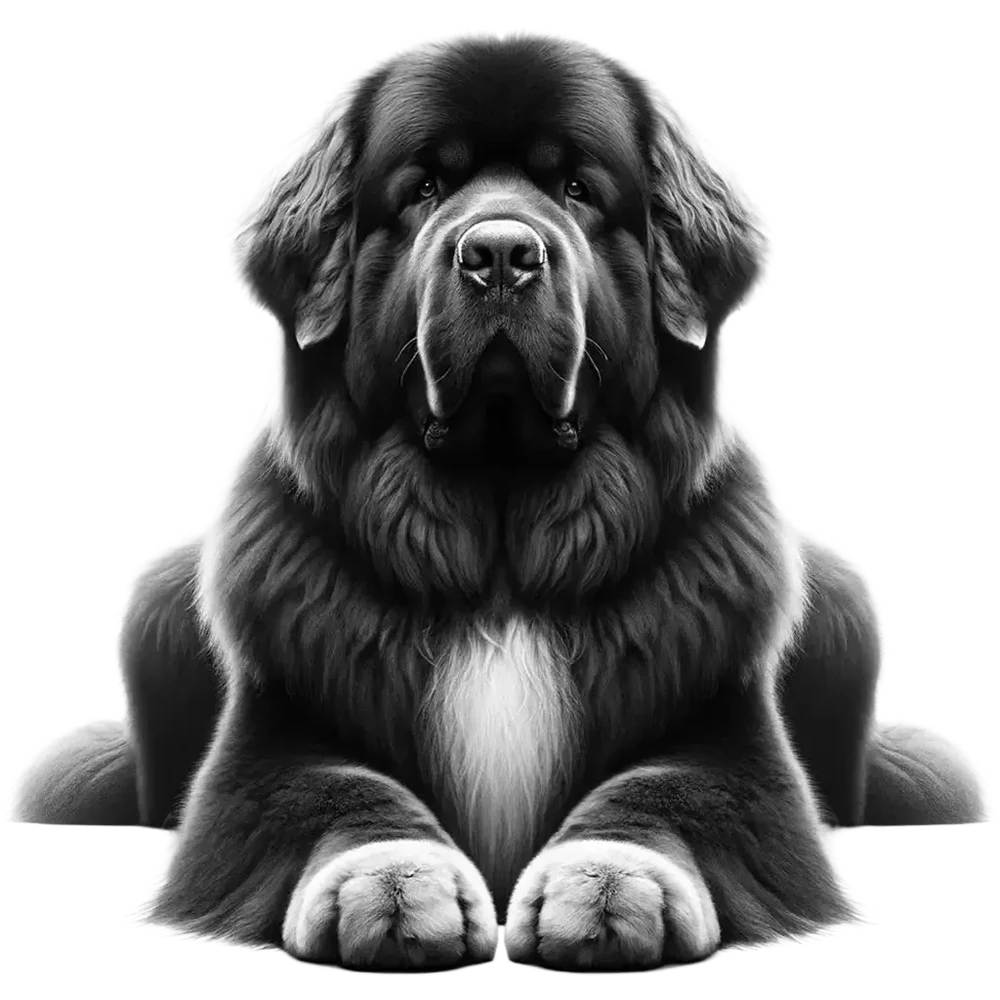
Newfoundlands are widely valued for being steady and tolerant. In many homes they are the sort of dog who chooses to be near the family rather than constantly demanding activity. That said, “gentle” is not the same as “effortless”. A calm dog who weighs as much as an adult human still needs thoughtful handling.
With children, the usual pattern is good natured patience, but supervision matters. The risk is often accidental. A bump from a heavy shoulder, a happy lean, or a wagging tail can bowl over a small child, even when the dog is calm. It helps to teach kids safe, quiet contact, and to give the dog space to rest undisturbed.
With other pets, many Newfoundlands are sociable, particularly when they have been well socialised from puppyhood. Early experiences matter, and so does the dog’s individual confidence. If you are introducing a Newfoundland to a smaller dog, a cat, or pocket pets, manage the first weeks carefully and keep interactions structured rather than leaving everyone to “sort it out”.
Training and exercise, keeping it kind and practical
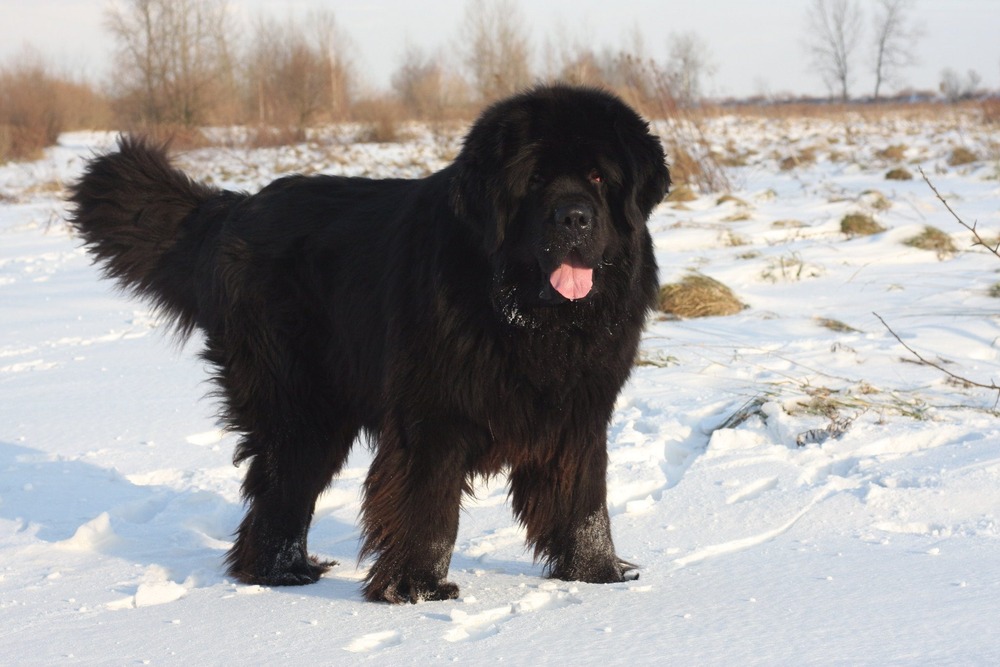
A Newfoundland’s training is less about clever tricks and more about everyday manners. A dog this size needs to be able to walk on a loose lead, wait at doors, settle when asked, and accept handling. Those skills make life easier for everyone, including the dog.
They often respond best to calm, consistent work and positive reinforcement. Harsh handling can backfire, not because the dog is “sensitive” in a human sense, but because it creates confusion and resistance in a large, powerful animal who can easily opt out.
Exercise needs are usually moderate. Many Newfoundlands enjoy a couple of steady walks and time to potter about, with swimming as an excellent option when it is safe and the dog enjoys it. The more important point is avoiding extremes. Protect joints in young dogs by limiting repetitive high-impact activity, and be mindful that giant-breed puppies grow for a long time.
Heat management in a thick-coated giant breed
Newfoundlands tend to cope far better with cold than heat. In warm weather, plan walks for early morning or evening, provide shade and plenty of water, and bring the dog into a cooler indoor space when needed. Learn the signs of heat stress and heatstroke, and treat it as a veterinary emergency if you suspect it.2, 3
Health considerations, what to watch, what to screen for
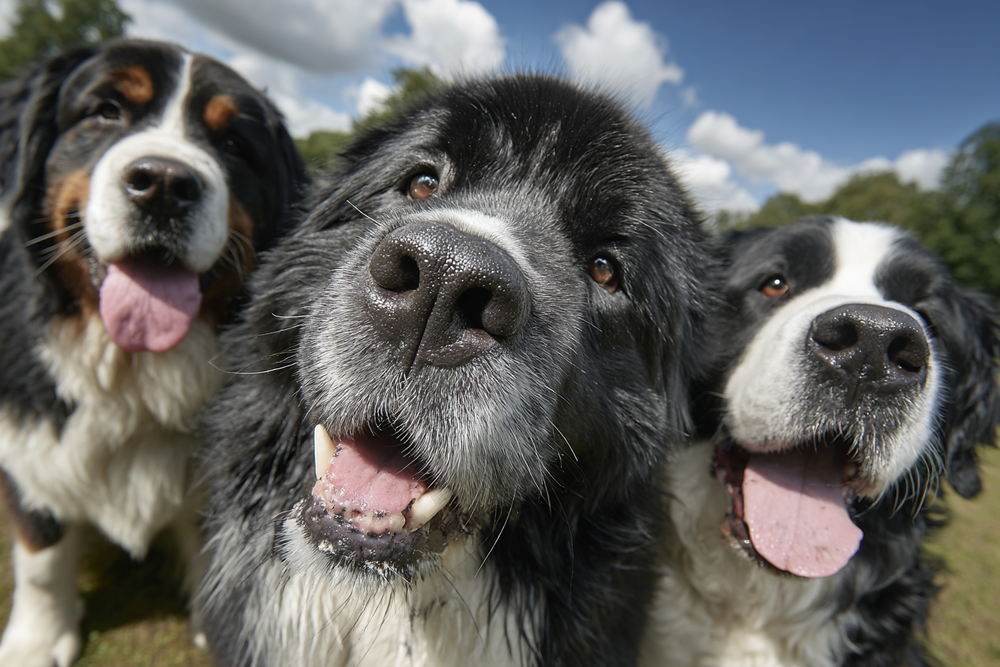
Like many giant breeds, Newfoundlands have a shorter average life span than smaller dogs. Good breeding and good husbandry both matter. When people talk about “common Newfoundland problems”, they are usually pointing to joints and hearts, plus a few issues that sit in the background depending on local lines.
Joints and mobility
Hip dysplasia and elbow dysplasia occur in the breed, and screening results are an important part of responsible breeding decisions. If you are buying a puppy, ask what health testing has been done on the parents, and what the results were. If you already share your life with a Newfoundland, keep them lean and prioritise low-impact conditioning, because excess weight adds load to joints that are already working hard.4, 5
Heart disease, including subaortic stenosis
Newfoundlands are among the breeds predisposed to subaortic stenosis (also called subvalvular aortic stenosis), a congenital heart condition. Screening protocols vary by country and club, but the principle is the same: ask about cardiac testing and discuss any murmurs or exercise intolerance with your vet promptly.6
Bloat (GDV) risk in large and deep-chested dogs
Newfoundlands are a large, deep-chested breed, so it is sensible to be aware of gastric dilatation-volvulus (GDV), often called bloat. Talk with your vet about your dog’s individual risk, learn the early signs, and consider practical routines like splitting meals and avoiding intense exercise around mealtimes. If you suspect GDV, treat it as urgent.7
Grooming, shedding, and the kind of maintenance people forget to picture
Living with a Newfoundland coat is mostly about consistency. Brushing a few times a week is easier than trying to rescue a neglected coat in one long session. It also gives you a regular moment to check ears, skin, and any areas that are prone to tangles, like behind the ears, the “trousers”, and the chest.
Seasonal coat blowouts can be dramatic. During those weeks, daily brushing and a tidy routine around entryways makes life easier. Bathing can be occasional, but drying matters. A damp undercoat can irritate skin and can smell musty, especially in humid weather.
- Brush before it mats, not after.
- Keep nails short enough that the feet sit naturally, especially on slippery floors.
- Check ears and skin folds routinely if your dog drools heavily.
Feeding a Newfoundland, growing well matters more than growing fast
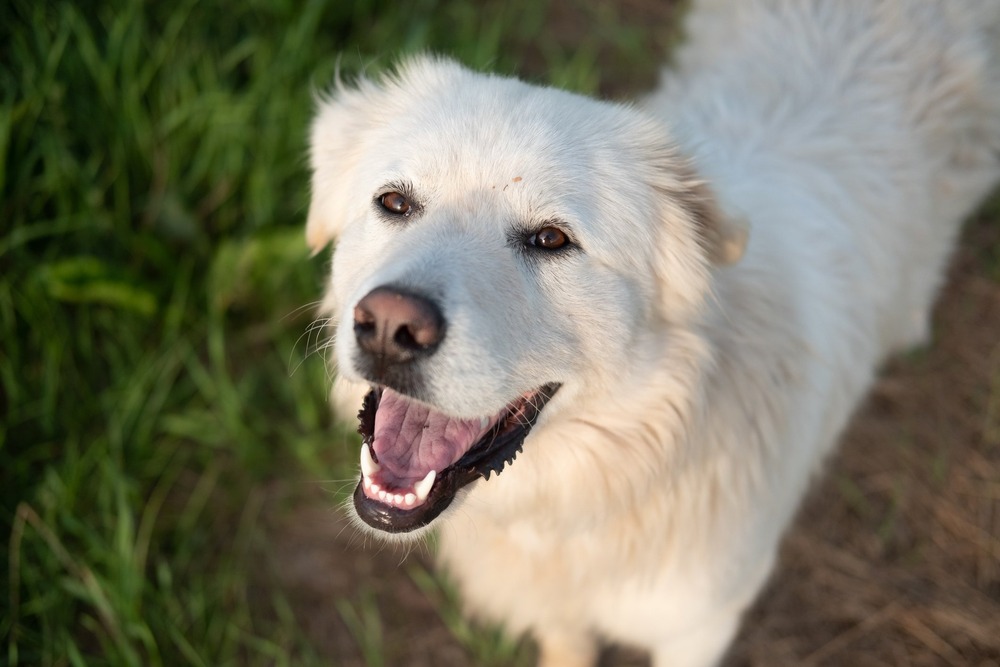
Newfoundlands do best when their diet supports steady growth and a healthy adult body condition. With giant breeds, the aim is not to maximise size quickly. It is to support bones and joints through a long growth period, and to avoid excess weight that strains developing limbs.
If you are raising a Newfoundland puppy, speak with your vet about an appropriate large-breed puppy diet and whether your chosen food meets accepted nutrient guidelines for growth. Be particularly cautious about calcium supplementation unless specifically directed, because excess calcium can contribute to skeletal problems in large-breed puppies.8
For adults, the basics still matter most: a complete, balanced diet, measured portions, and regular monitoring of weight. Many owners find that splitting the daily ration into two meals suits these big bodies and fits neatly into family routines.
Newfoundlands in culture, and a few grounded “fun facts”
The Newfoundland’s reputation has travelled widely. They appear in art and stories, often as a noble, watchful presence near water. That public image can be charming, but it also shapes expectations in ways that do not always match an individual dog’s nature or training.
One well-known historical Newfoundland was Seaman, Meriwether Lewis’s dog on the Lewis and Clark Expedition. Seaman was purchased in 1803 and appears in the expedition record as a working companion on the journey.9
If you love the idea of water work, it is worth knowing that formal water-rescue style activities exist in some places, with structured exercises that showcase the breed’s strengths. Even without that kind of training, many Newfoundlands simply enjoy being near their people, with the option to swim when conditions are safe and the dog is comfortable.1
Living well with a Newfoundland
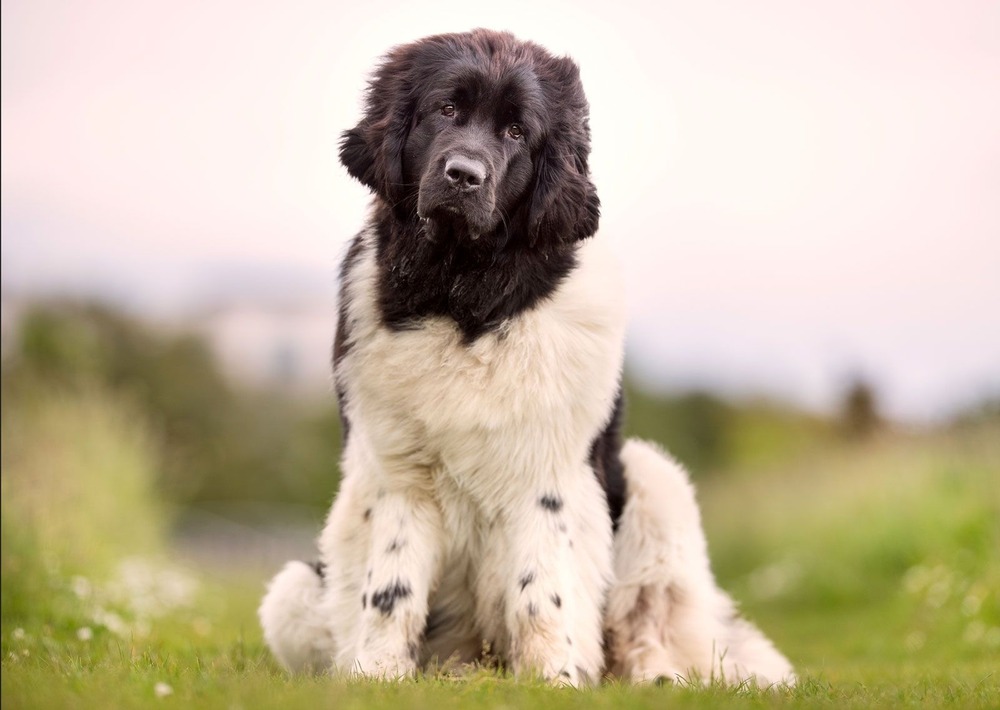
A Newfoundland tends to thrive when the home is set up for their reality: space to turn around, floors that are not constantly slippery, a cool place to rest in summer, and a family that is happy to do the quiet, regular jobs of brushing, training, and weight management.
If you are choosing the breed, focus on temperament, health testing, and realistic daily care rather than romance. If you already have one at your feet, the best thing you can do is keep routines steady, keep the body condition lean, and treat heat and mobility as practical priorities. For a dog built to carry ropes through rough water, the kindest care is often simple, consistent, and unglamorous.
References
- American Kennel Club: Newfoundland Dogs Prove Lifesaving Skills in Water Rescue Tests
- RSPCA Australia: Keeping your pet safe during the heat
- RSPCA Pet Insurance: Heatstroke guide for cats and dogs
- PLOS ONE (via PubMed Central): Long-term genetic selection reduced prevalence of hip and elbow dysplasia in 60 dog breeds
- Orthopedic Foundation for Animals: Hip Dysplasia
- Merck Veterinary Manual: Aortic stenosis (subaortic stenosis) in dogs
- VCA Animal Hospitals: Bloat (Gastric Dilatation and Volvulus) in dogs
- WSAVA: Global Nutrition Guidelines
- U.S. National Park Service: Seaman, Captain Lewis’s canine companion