

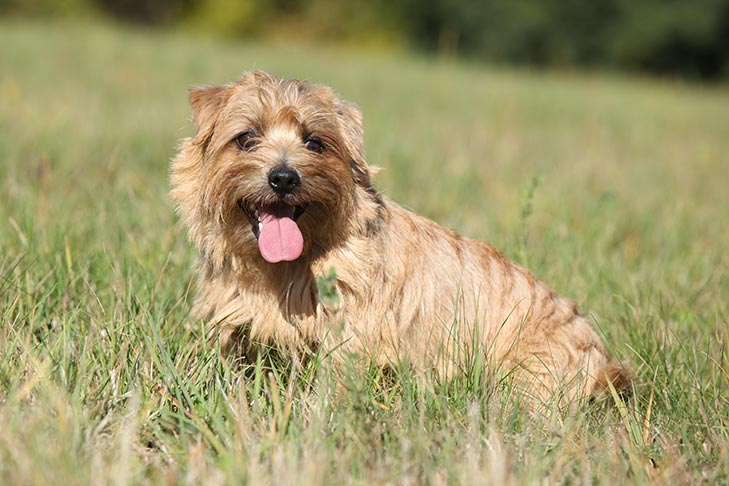
You might notice a little, wiry dog at the park who looks like they were built for mischief, then realise they are also the one checking in, reading the room, and settling at your feet once the excitement passes. Norfolk Terriers often land on people’s radar that way: not as a fashionable “tiny dog”, but as a compact terrier who seems genuinely up for life.
It is easy to assume that small dogs are low maintenance, or that terriers are too busy to live well in ordinary homes. The Norfolk Terrier sits in the middle. They are small enough to suit a flat, but they are still a working terrier in design and outlook, which means they do best when their days have shape, training, sniffing, and something to do.
Understanding what they were bred for, and what that looks like in a modern household, helps you make kinder decisions about routines, boundaries, and expectations. It is also how you end up with a dog who is easier to live with, not “perfect”, just better understood.
- Breed category: Terrier
- Country of origin: United Kingdom
- Typical height: About 25 cm at the withers
- Typical weight: About 5 to 5.5 kg
- Typical lifespan: Often 12 to 15 years
- Coat: Hard, wiry, weather-resistant
- Ear type: Drop ears
- Exercise needs: Daily walks plus play and sniff time
- Grooming needs: Moderate, regular brushing and periodic coat tidying
A small terrier with a working past
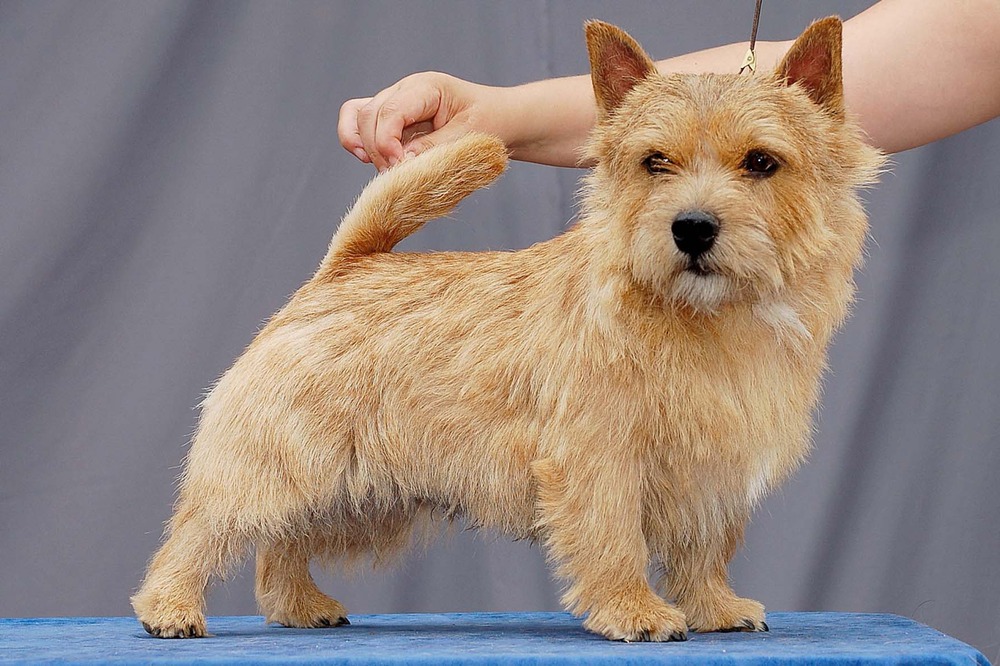
Norfolk Terriers were developed in England as practical little dogs for vermin control, built to squeeze into tight places and keep going when bigger dogs would not fit. That history still shows up today as stamina, curiosity, and a strong interest in scents and movement.
For a long time, the drop-eared dogs and the prick-eared dogs were shown under the same name. In the UK, the two ear types were recognised as separate breeds in 1964, with the drop-eared variety becoming the Norfolk Terrier and the prick-eared variety becoming the Norwich Terrier.1, 2
What “terrier” means in day to day life
With Norfolk Terriers, the terrier part is not a vibe, it is the operating system. They tend to be alert, quick to investigate, and keen to engage with their environment. That can be charming, but it also means they usually need more guidance than people expect from a dog this size.
When owners describe a Norfolk as “busy”, it is often not misbehaviour so much as unmet needs: not enough sniffing, not enough training, and too many long stretches of boredom.
Temperament and family fit
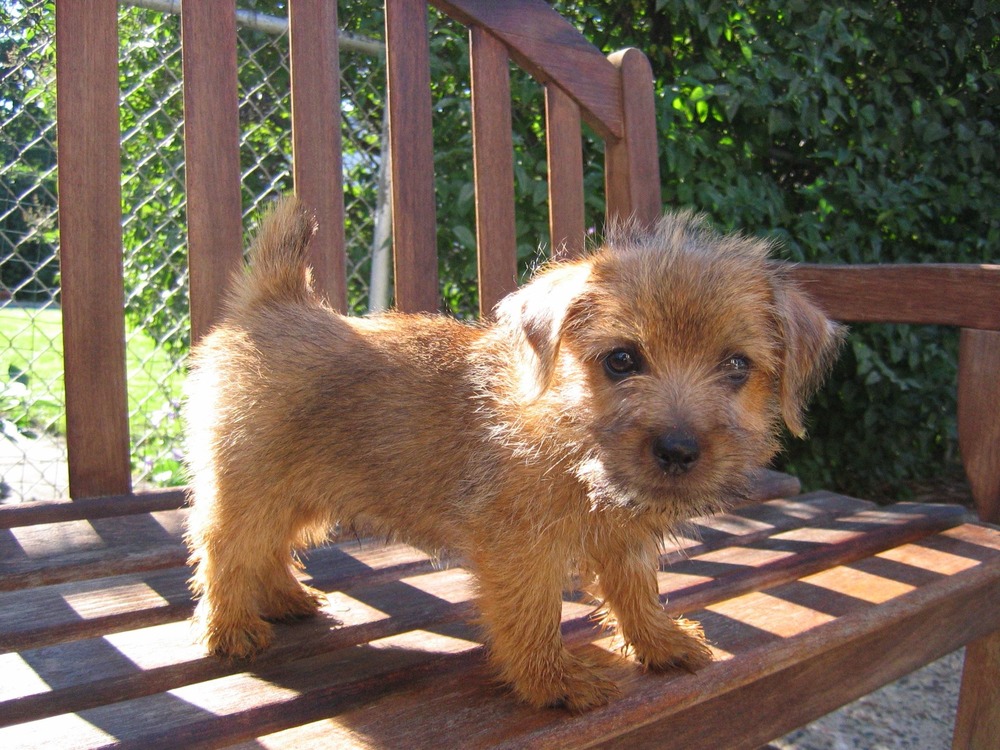
Norfolk Terriers are widely described as alert and fearless, with a companionable nature. They are often social dogs who enjoy being involved in whatever the household is doing, rather than watching life from a distance.1
That said, “friendly” does not always mean “effortless”. Many will bark to announce visitors, and some will try to take charge of other dogs if they have not practised calmer greetings. A steady routine, clear rules, and early social experiences usually matter more than any single training trick.
Children, visitors, and other pets
In many families they do well with children, particularly when kids are coached to handle them gently and to leave them alone while eating or resting. Because they are small and sturdy, they can be more forgiving than very delicate toy breeds, but they are still a terrier with opinions.
With other pets, the main watch-out is prey drive. A Norfolk can learn to live well with other animals, but it is sensible to assume that small fast pets may trigger chasing behaviour, especially outdoors.
Training and exercise that suits a Norfolk Terrier
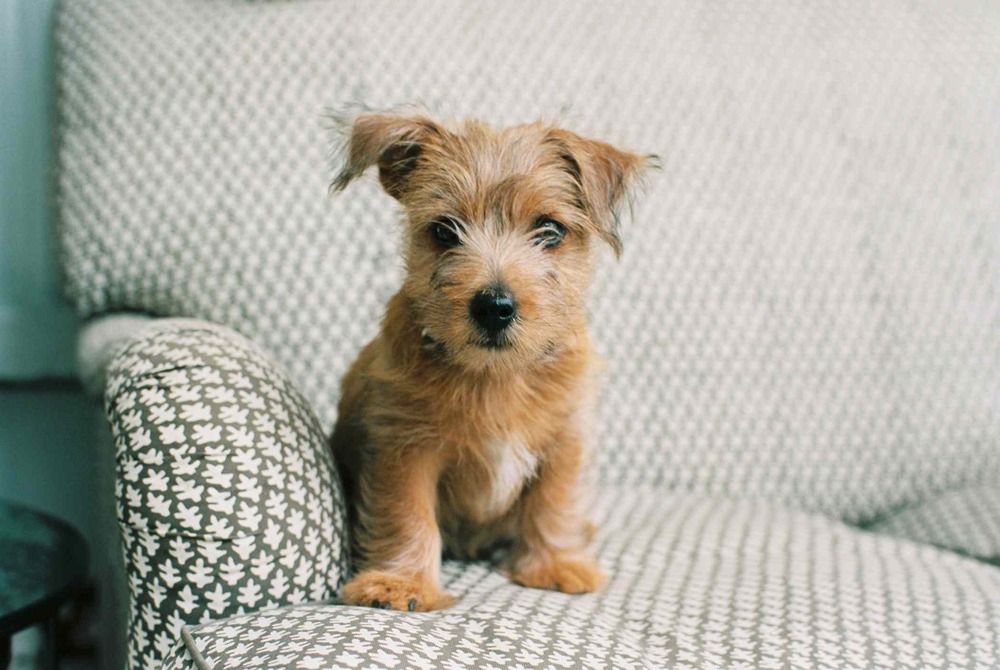
Norfolk Terriers are bright, and many are surprisingly responsive when training feels like a game. The approach that tends to work best is short sessions, clear criteria, and rewards that actually matter to the dog.
Australian animal welfare guidance also emphasises reward-based training and avoiding punishment, especially for puppies learning the basics.3
Socialisation, done carefully
Early socialisation is not about flooding a puppy with noise and strangers. It is about safe, positive exposure to everyday life, so the dog learns that new things are not automatically a problem. The RSPCA describes a critical socialisation period in early puppyhood, and encourages controlled opportunities to meet people, see new environments, and build confidence with gentle handling.3
How much exercise is enough?
Many Norfolk Terriers are content with up to about an hour of exercise per day, as long as it includes time to sniff and explore, not just marching along the footpath.2
A good daily rhythm often includes:
- One or two walks with sniff time built in
- A few minutes of training, scattered through the day
- Food puzzles, scent games, or supervised digging in a suitable spot
If the dog becomes noisy, mouthy, or restless in the evening, it is often worth asking whether they need more mental work, not just more kilometres.
Coat care and grooming
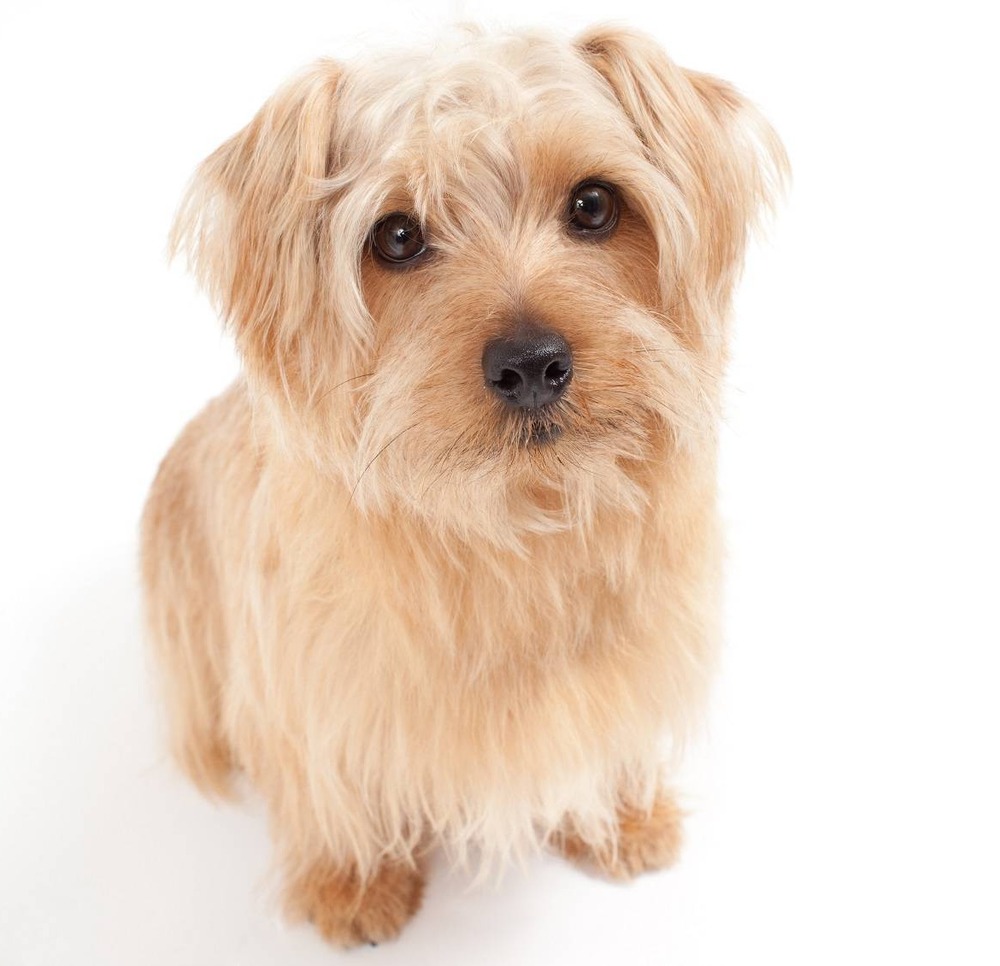
The Norfolk Terrier’s coat is meant to be hard, wiry, and close to the body. Breed standards describe it as a practical, weather-resistant jacket, not a fluffy one.1
In real homes, grooming is usually manageable, but it is not “nothing”. Regular brushing helps prevent tangles, and many owners choose occasional hand-stripping or coat tidying to keep the texture and reduce scruffiness, especially around the neck, shoulders, and trousers. If you clip the coat short, it can become softer over time, and some dogs shed a bit more.
Pay attention to the small things that build up with little dogs: nails, ears, and the hair between the pads. If grooming only happens when the dog looks messy, it can become harder for them to tolerate handling.
Health, preventative care, and what to watch for
Norfolk Terriers are generally robust, and many live well into their teens. Like any breed, they can still develop inherited or age-related conditions, so your best advantage is boring consistency: annual vet checks, weight monitoring, dental care, and early attention when something seems “a bit off”.
Weight and feeding with a practical lens
Small terriers can gain weight quickly because their daily calorie needs are modest. A useful, vet-friendly way to keep things on track is to monitor body condition rather than relying on the number on the scales alone. WSAVA provides body condition scoring tools used by veterinary teams to assess fat stores and guide feeding adjustments.4
Dental care matters more than many people expect
Dental disease is extremely common in dogs, and small breeds are often at higher risk because of tooth crowding. One veterinary reference notes that over 80 percent of dogs over three years of age have active dental disease, and periodontal disease is a major concern.5
Brushing is ideal, but any plan is better than no plan. If you use dental chews, water additives, or dental diets, look for products with evidence behind them, such as those listed by the Veterinary Oral Health Council (VOHC).6
Living well with a Norfolk Terrier
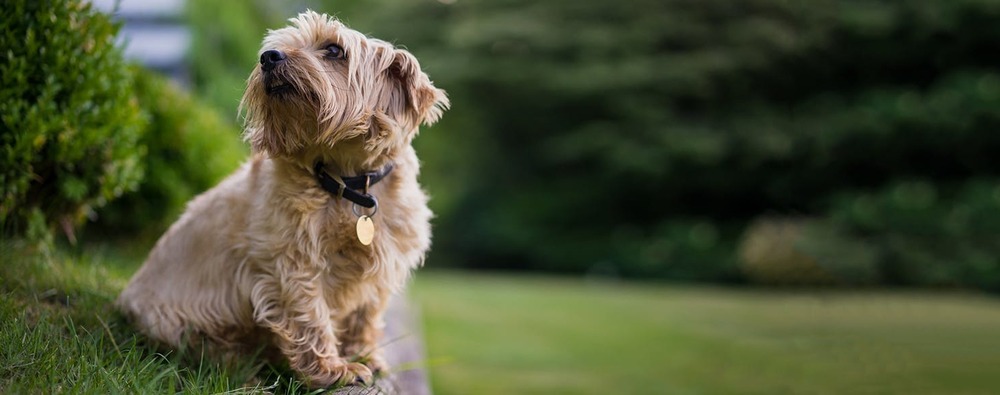
A Norfolk Terrier can be an easy dog to love because they are small enough to fit into everyday life, but still “dog” enough to feel like a proper companion on walks, holidays, and family routines. The match tends to work best when people enjoy training, do not mind a bit of terrier commentary at the door, and are willing to provide structure without being heavy-handed.
If you are choosing between similar breeds, it can help to remember the practical difference: the Norfolk is the drop-eared one, closely related to the Norwich, and they were only formally split into separate breeds in 1964 in the UK.2
What matters more than the history, though, is the day-to-day reality: small dog, real terrier. If you plan for that, they often settle into family life with a steady confidence that feels hard-won, and genuinely satisfying.
References
- The Kennel Club (UK): Norfolk Terrier breed standard
- The Kennel Club (UK): Norfolk Terrier breed information
- RSPCA Australia: Here’s how to care for your puppy (socialisation and reward-based training)
- WSAVA: Global Nutrition Guidelines (Body Condition Score tools)
- VCA Animal Hospitals: Dental disease in dogs
- Veterinary Oral Health Council (VOHC): Accepted Products
- The Kennel Club (UK): Norwich Terrier breed information (history of the split)
- Westminster Kennel Club: Norfolk Terrier (history and recognition notes)