

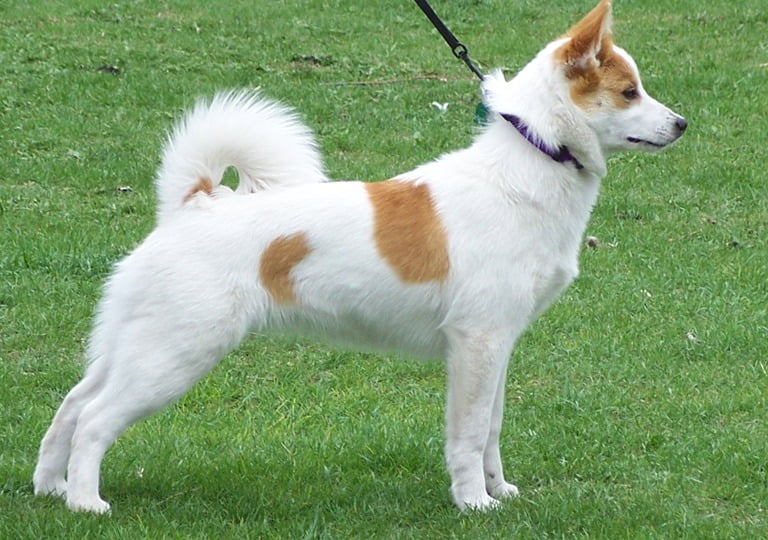
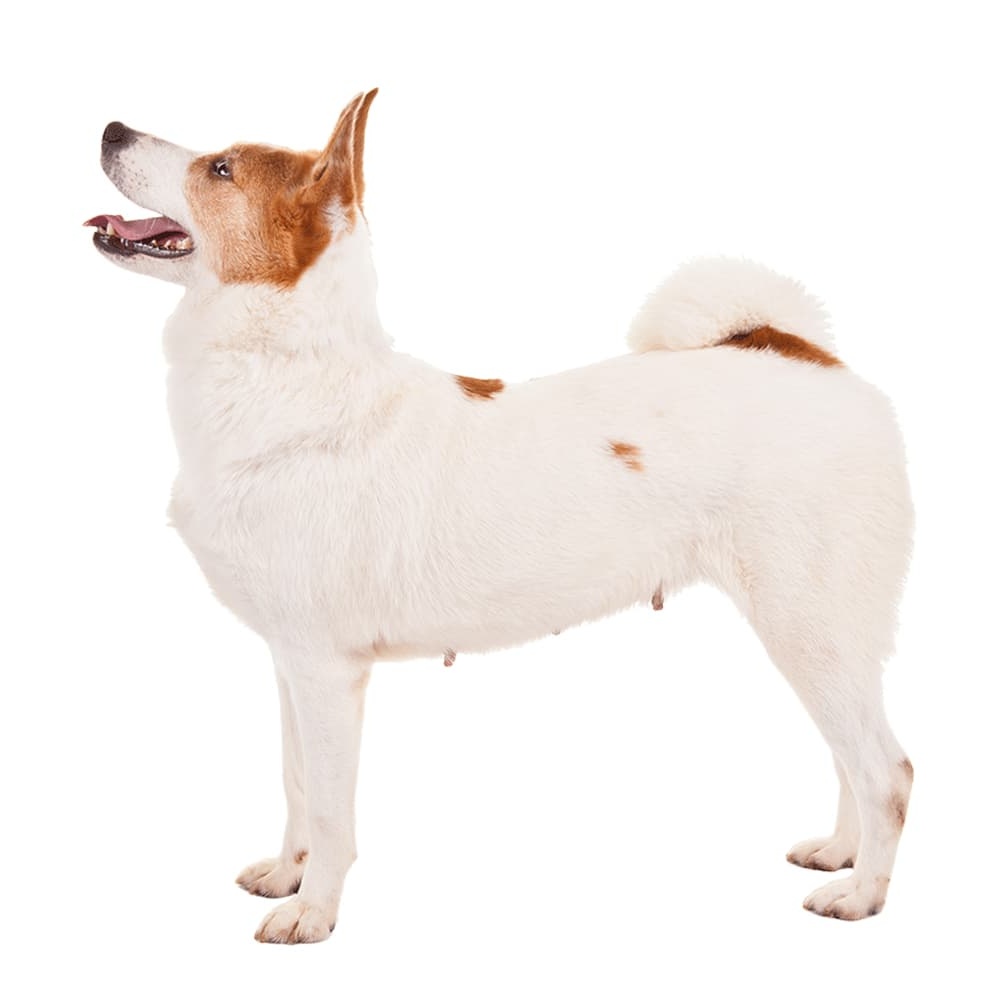
People often come across the Norrbottenspets in a photo first: a neat, white spitz with a foxlike face, pricked ears, and a tail curled over the back. It can look, at a glance, like “another spitz”, the sort of dog that is always clean, always bright-eyed, and always ready to go.
Then you meet one, or live beside one, and the details start to matter. This is a breed built around purposeful movement and quick decisions. The barking can be more frequent than expected. The curiosity can be intense. If they are under-stimulated, they tend to find their own work.
Understanding what the Norrbottenspets was shaped to do, and what it needs now, makes day-to-day life easier. It helps you set up the home, routine, and expectations so the dog in front of you can settle and thrive, rather than constantly searching for the next thing to chase, watch, or announce.
- Breed type: Nordic hunting spitz
- Origin: Sweden (Norrbotten region)
- Typical height: about 41 to 46 cm at the withers
- Typical weight: about 8 to 16 kg
- Typical lifespan: commonly around 12 to 15 years
- Coat: dense double coat
- Colour: white with yellow or red patches
- Energy level: high
- Grooming: generally low to moderate
Where the Norrbottenspets comes from
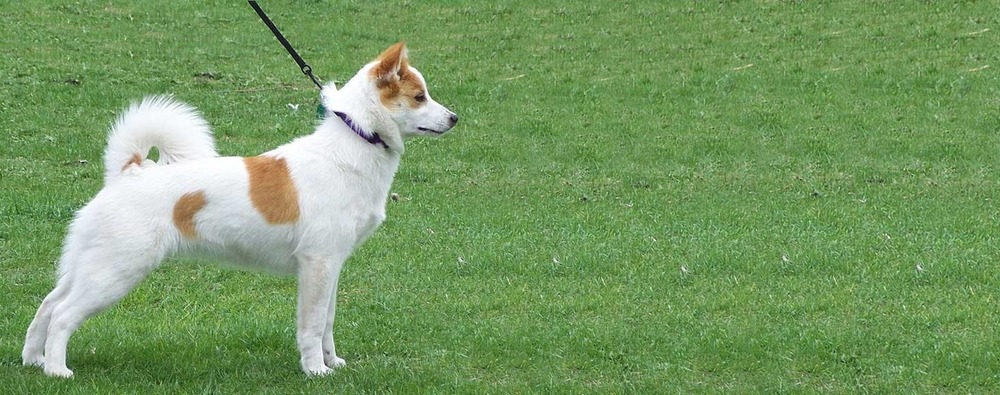
The Norrbottenspets is closely tied to northern Sweden, where small hunting spitz dogs were used to help locate and hold game at bay by barking and working at a distance from the hunter.1, 2 That background matters, because it explains the breed’s quickness, independence, and willingness to use its voice.
Modern breed history has a well-known twist. After the Second World War, interest in the breed declined and it was declared extinct in 1948 by the Swedish Kennel Club. Later, “true to type” dogs were found in remote areas, and the breed was re-established through dedicated searching, recording, and standard-setting in the 1950s and 1960s.1, 2
International recognition followed. The Fédération Cynologique Internationale (FCI) lists the Norrbottenspets in Group 5 (Spitz and primitive types), Section Nordic Hunting Dogs, with definitive acceptance recorded in the 1960s.3
Appearance, movement, and the little details people notice
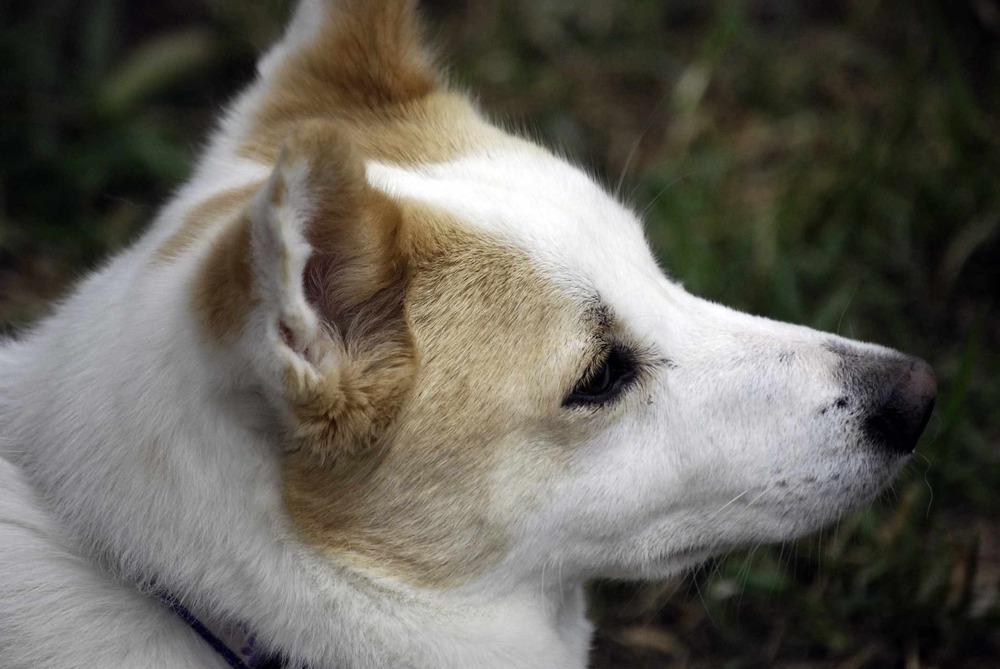
The overall picture is compact and athletic: a small-to-medium spitz with a weather-ready double coat, pricked ears, and a tail carried curled over the back. Most are white with yellow or red patches, which can make them look especially crisp against darker bushland or winter grass.3
Heights commonly sit around the low-to-mid 40 cm range at the withers, and weight often falls in the high single digits to mid teens in kilograms. Within that, there is still normal variation between individuals, sex, and lines.3
One trait that can surprise new owners is how light and efficient the movement can be. They do not always look “busy”, but they are often scanning, listening, and adjusting their position. When something changes in the environment, they can react quickly, which is part of what made them useful as hunting partners.
Temperament and suitability for everyday homes
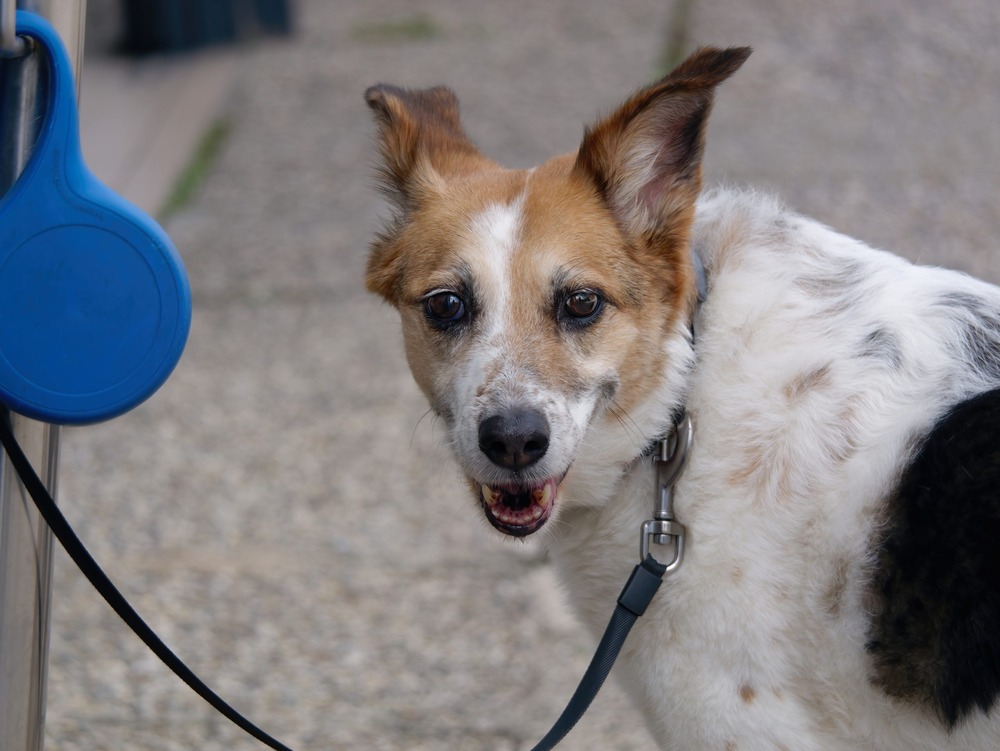
The Norrbottenspets is typically described as alert, active, and attentive. Those words sound simple, but in a household they can show up as a dog who notices visitors early, hears a gate latch from the back room, and is ready for activity at the slightest cue.3
They can suit family life well when their needs are met, especially in homes that genuinely like a dog with opinions. A calm household is still possible, but it tends to come from routines that include exercise, training, and appropriate outlets for sniffing and problem-solving.
With children, it helps to focus less on labels like “good with kids” and more on management and skills. Supervised interactions, gentle handling, and teaching kids how to give the dog space are practical safeguards for any active breed. A Norrbottenspets that can retreat, settle, and be left alone when needed is usually a happier companion.
Training that fits a hunting spitz brain
This is a dog that often learns quickly, but not always in a “do it because you said so” way. They tend to do best with reward-based training, clear criteria, and sessions that stay interesting rather than repetitive.4
Early socialisation matters, but it is worth thinking of it as “careful exposure” rather than simply meeting as many people and dogs as possible. The goal is a dog who can observe, recover, and stay flexible in different environments.
Practical focus areas that pay off with this breed include:
- Recall foundations (starting on long lines and building value for coming back)
- Lead walking that allows sniffing without dragging
- Calm settle behaviours at home, so activity has an off-switch
- Appropriate alerting behaviour, so barking does not become the only job available
Exercise and enrichment, not just “more running”
Norrbottenspets are active dogs, but exercise works best when it is paired with opportunities to use their senses. Sniffing walks, simple scent games, and varied routes can do more for a dog’s overall wellbeing than adding distance without engagement.5
Enrichment does not need to be complicated. A rotation of chew items, cardboard “search boxes”, scatter feeding in grass, and short training games can all help. The key is to avoid turning every outlet into high arousal. Many spitz types cope better when they get both stimulation and genuine down-time.
If you live in a warmer climate, be mindful that a dense double coat can make heat management more important than people expect. On hot days, shift exercise to cooler parts of the day, offer shade and fresh water, and watch for signs of heat stress such as heavy panting, vomiting, weakness, or collapse.6
Health, lifespan, and what “generally healthy” really means
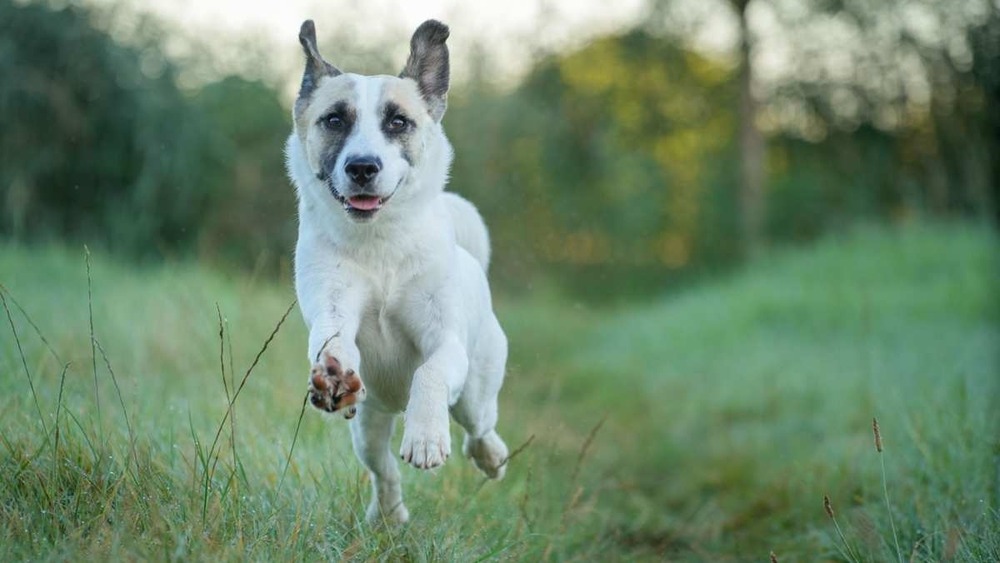
The Norrbottenspets is often described as a relatively healthy breed, and many individuals do very well with sensible breeding and routine veterinary care. Lifespan is commonly cited in the low-to-mid teens, with 12 to 15 years often used as a practical expectation.2, 7
Still, “healthy breed” should not be mistaken for “no health issues”. Joint disease, eye conditions, dental disease, and skin problems can appear in any dog, and early attention makes a difference. If you are buying a puppy, ask what health testing and follow-up the breeder does, and what they are seeing in their lines.
Routine care that tends to matter most includes:
- regular vet checks and parasite prevention appropriate to your area
- weight management, because extra kilograms add stress to joints
- dental care at home, because periodontal disease is extremely common in dogs as they age8
Coat care and grooming, keeping it simple
The coat is designed for weather, and it often looks after itself better than people expect. Weekly brushing is usually enough for general maintenance, with more frequent brushing when the undercoat is shedding. Over-bathing can dry the skin and strip oils, so it is typically better to bathe only when genuinely needed.
Alongside brushing, do the small checks that prevent bigger problems later: ears for wax and irritation, nails for overgrowth, and paws for grass seeds after outdoor adventures.
Living with the voice and the watchfulness
Many people love how present and switched-on this breed can be. At the same time, a Norrbottenspets that is always “on duty” can struggle to rest. If barking is becoming a habit, the most effective approach is usually a mix of meeting the dog’s needs and teaching alternative behaviours, rather than relying on punishment.
Reward-based approaches that reinforce calm and quiet moments, paired with management (closing blinds, white noise, limiting fence-line patrols), can reduce how often the dog practises the behaviour in the first place.4
Final thoughts
The Norrbottenspets can be an absorbing dog to share life with: bright, athletic, and often deeply tuned to its environment. They suit people who enjoy training as an ongoing conversation, and who can offer daily movement and mental work without turning home into a constant action scene.
If you are drawn to the look of a spitz but want a dog with real working heritage in the mix, it is worth taking the breed seriously on its own terms. When you do, the Norrbottenspets tends to make a great deal more sense.
References
- Swedish Kennel Club (SKK): Norrbottenspets
- American Norrbottenspets Association: History
- FCI: Norrbottenspets (Breed No. 276)
- RSPCA Knowledgebase: Reward-based dog training
- RSPCA Australia: The importance of enrichment for dogs
- Animal Welfare League: Keeping your pets safe in hot weather
- United Kennel Club (UKC): Norrbottenspetz breed standard
- Veterinary Oral Health Council (VOHC): Accepted Products