

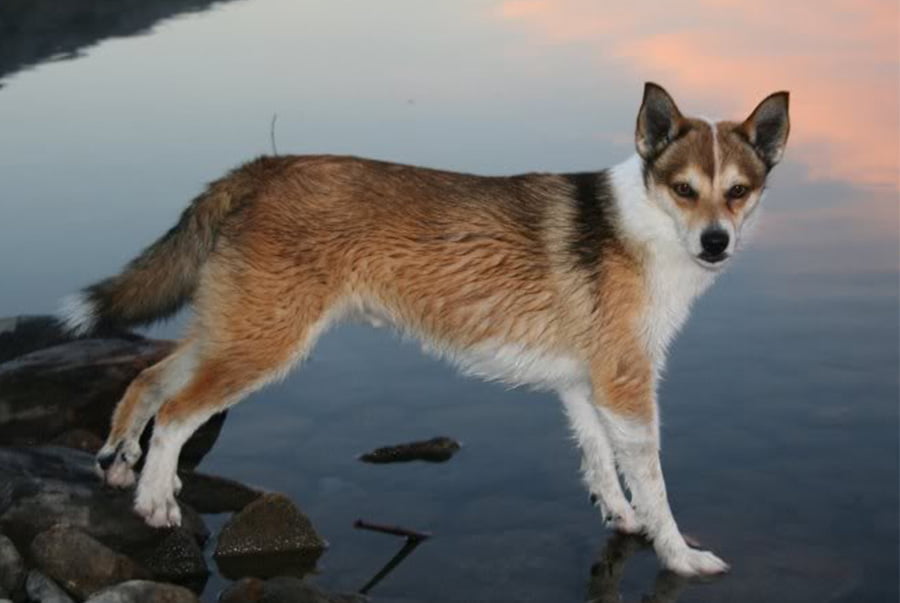
You might first notice a Norwegian Lundehund because it moves differently. It can turn and fold in ways that look almost cat-like, and its feet can seem oddly broad and “handy” when it climbs. People often start looking into the breed after meeting one at a show, seeing a photo of those extra toes, or realising there is a whole story behind a small, fox-faced spitz dog that does not quite fit the usual categories.
It is tempting to treat the Lundehund’s quirks as party tricks. In practice, those traits are the result of a very specific job: working on steep, rocky coastal cliffs and squeezing into tight places to retrieve puffins. That history explains a lot about what living with one can feel like, from its problem-solving streak to its need for thoughtful management rather than “one size fits all” dog care.
For the right household, the Lundehund can be a fascinating companion. It can also be a little misunderstood, particularly around training expectations and health, so it helps to approach the breed with clear eyes and a bit of patience.
- Breed category: Spitz-type
- Country of origin: Norway
- Average height: Males 35 to 38 cm, females 32 to 35 cm
- Average weight: Males 7 to 9 kg, females 6 to 8 kg
- Average lifespan: 12 to 15 years
- Grooming requirements: Moderate, regular brushing
- Exercise requirements: High, needs daily exercise and mental work
- Coat type: Dense double coat
- Coat colours: Reddish-brown (often with white), grey and white variations
- Shedding level: Moderate (often heavier seasonally)
- Distinctive traits: Extra toes, unusual flexibility
- Original purpose: Puffin hunting
- AKC recognition: Eligible for full recognition from 1 January 20113, 4
Norwegian Lundehund: what makes the breed so unusual
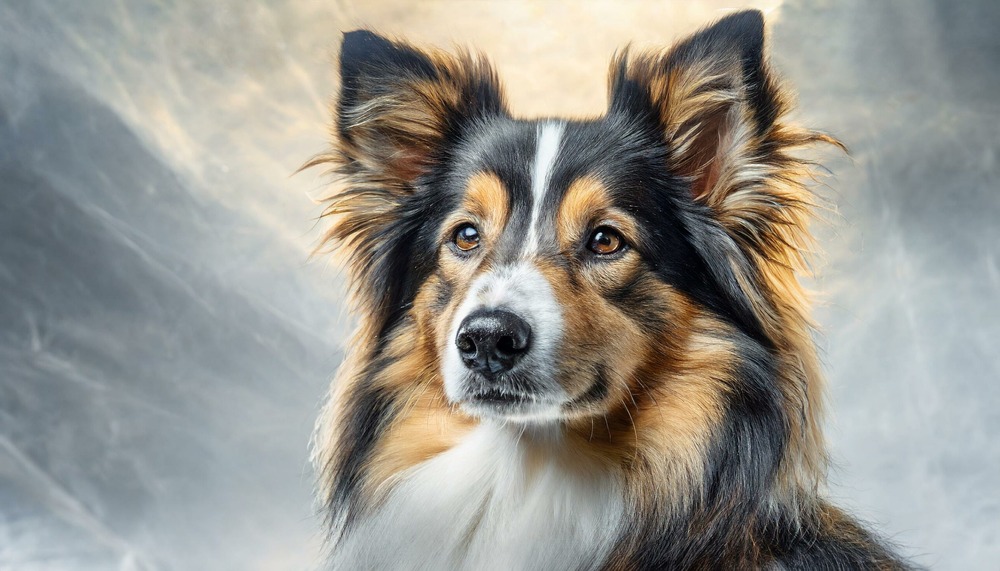
The Norwegian Lundehund is a small spitz-type dog shaped by a niche task. On Norway’s northern islands, it was used to retrieve puffins from cliffside burrows and narrow crevices. That job selected for structure you rarely see combined in other breeds, and it is why the Lundehund still looks and moves a bit “different” today.5, 6
The standout feature is polydactyly. Lundehunds typically have at least six toes on each foot, with well-developed muscles and pads that help with grip on uneven, slippery ground.6, 7
They are also known for unusual flexibility. Breed standards describe an elastic neck that allows the head to bend back along the spine, and shoulders that permit the forelegs to extend outward, which is part of what made the dog practical in tight spaces and on steep rock faces.7
Another small but useful adaptation is the ears. Lundehunds can fold their ears to help protect the ear canal from debris when working in narrow passages, which is a good reminder that many “cute” traits started as functional ones.7, 6
Temperament, behaviour, and what it feels like to live with one
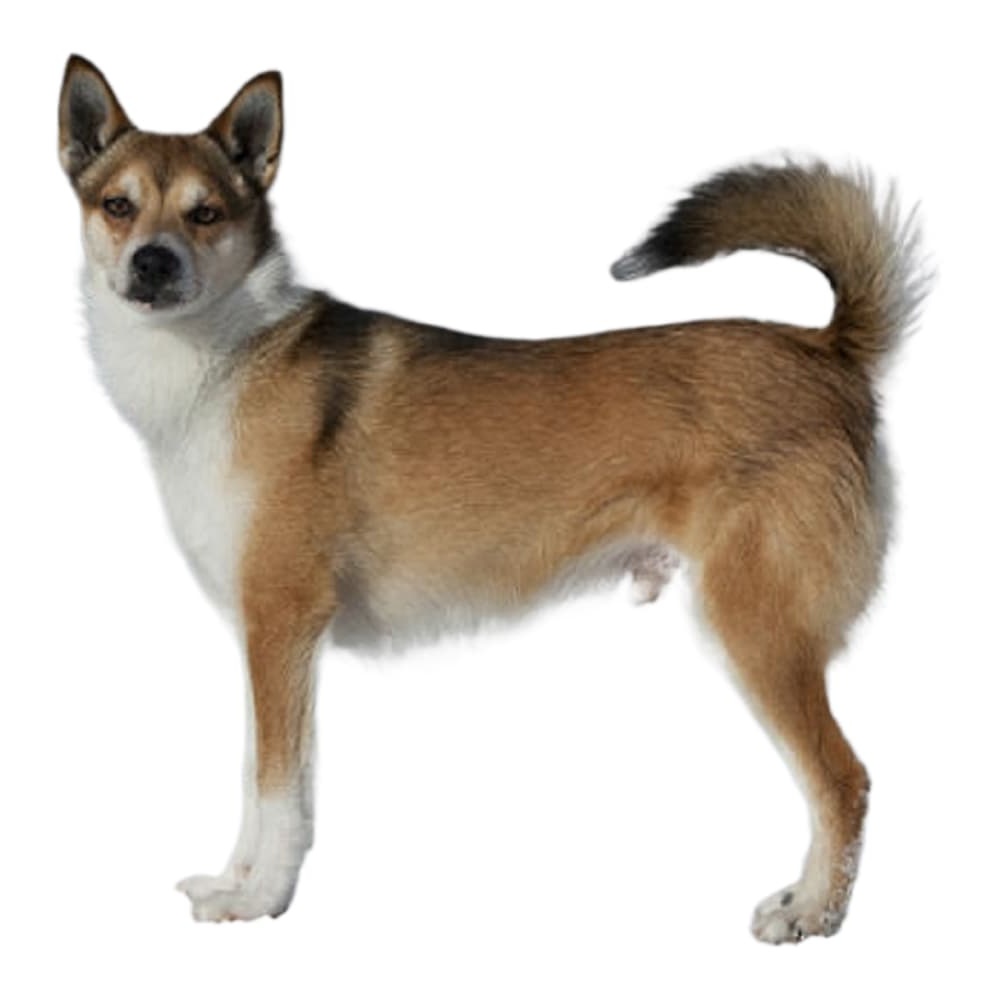
Lundehunds are often described as alert and energetic, with a streak of independence. In day-to-day life that can look like a dog that notices everything, likes to investigate, and prefers to be a participant rather than a passenger. Owners often do best when they treat curiosity as a feature, not a flaw.
With strangers, some can be reserved. That does not automatically mean “shy” or “reactive”, but it does mean you will usually get better results by allowing the dog to approach at its own pace, rather than expecting instant sociability.
In families, they can do well with children when adults set the tone. The practical goal is not to force closeness, but to build predictable routines and calm, respectful handling. With other animals, early and ongoing social experiences matter, especially given the breed’s alertness and interest in movement.
Training and exercise: making space for a clever, independent mind
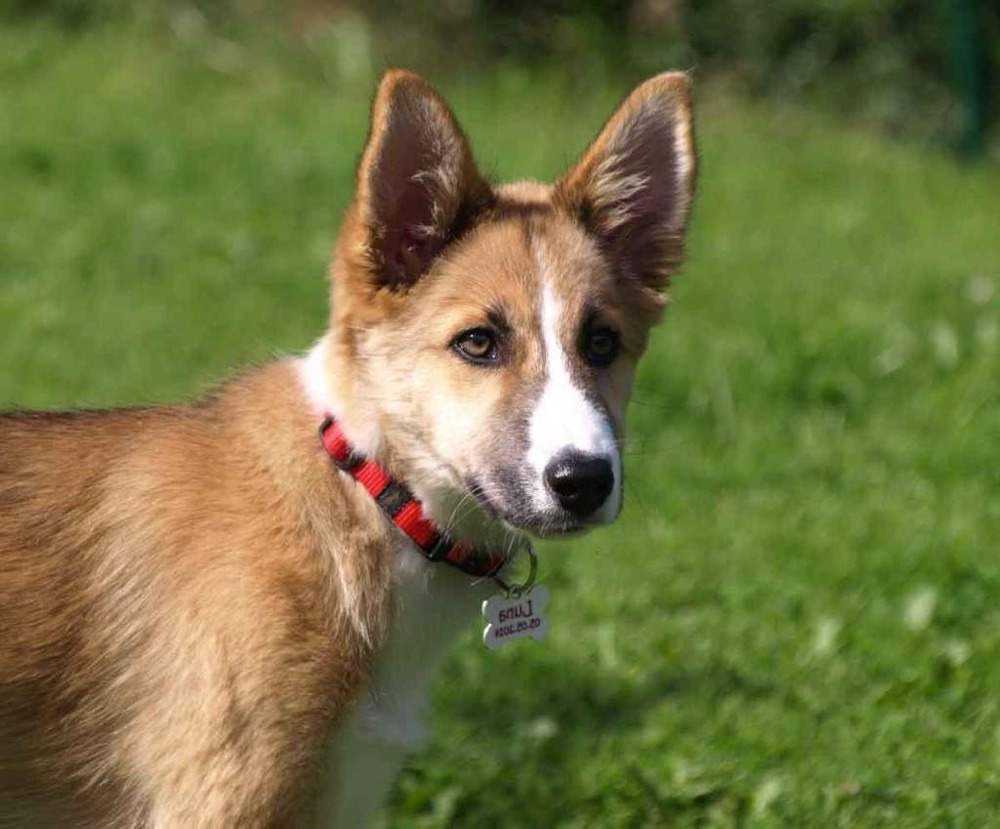
Training a Lundehund tends to go best when you lean into short, rewarding sessions and keep the rules consistent. Many respond well to reward-based training, especially when the reward is not always food, it might be access to sniffing, a favourite toy, or permission to continue exploring.
Because they were developed for complex terrain and problem-solving, mental work matters as much as physical exercise. A brisk walk alone can leave some Lundehunds under-stimulated, even if they look tired for an hour afterwards.
Useful outlets often include:
- Scent games (scattering food in grass, simple tracking, hide-and-seek with toys)
- Low-impact agility foundations, with safety and confidence prioritised over speed
- Puzzle feeders and “find it” games indoors on hot or wet days
- Structured play that includes pauses and reset cues
If training feels like negotiation sometimes, it helps to remember that “independent” is not the same as “untrainable”. It usually means you will get the best behaviour when the dog understands the point of the task and the reinforcement is meaningful.
Health considerations, including Lundehund Syndrome
Norwegian Lundehunds have some health concerns that deserve special attention, particularly gastrointestinal disease commonly referred to as Lundehund Syndrome. In veterinary literature and breed guidance, this is often discussed in relation to chronic enteropathy and protein-losing intestinal disease (including intestinal lymphangiectasia), which can lead to malabsorption and weight loss if not managed well.8, 9
This is not a reason to panic, but it is a reason to be prepared. If you are considering the breed, it is sensible to talk with a veterinarian about what early signs can look like, and what “baseline normal” is for your dog so changes are easier to spot. If you already have a Lundehund, take ongoing digestive upsets seriously rather than assuming it is always a simple food intolerance.
They are also a small, active breed, so general care still applies: maintaining a lean body condition, keeping nails and feet healthy (especially given the toe structure), and addressing any lameness early rather than “waiting it out”.
Coat care, grooming, and everyday maintenance
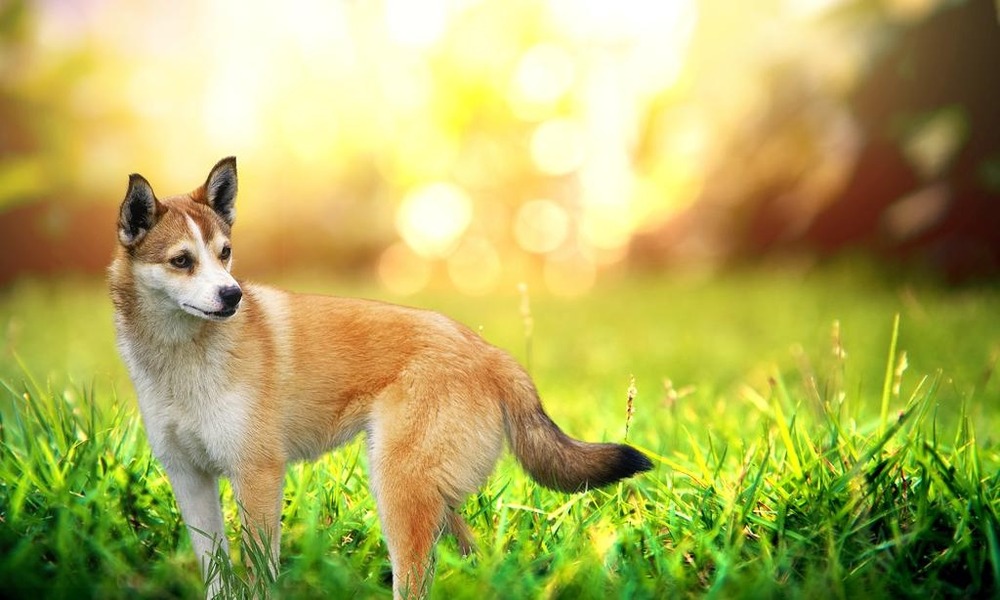
The Lundehund’s double coat is practical rather than fussy, but it does benefit from regular brushing. Weekly brushing suits many dogs, with more frequent grooming during seasonal shedding. The goal is to remove loose undercoat and keep the skin in good condition, not to chase a perfectly “slick” finish.
Pay attention to the parts that are easy to overlook:
- Feet and nails, because extra toes can mean extra nails to maintain
- Ears, including gentle checks after outdoor adventures
- Teeth, since dental care is a universal quality-of-life issue for small breeds
Bathing can be occasional, particularly if the dog is active outdoors. Over-bathing can dry the coat and skin, so it is usually better to brush and spot-clean where possible.
Feeding and digestion: practical choices that can make life easier
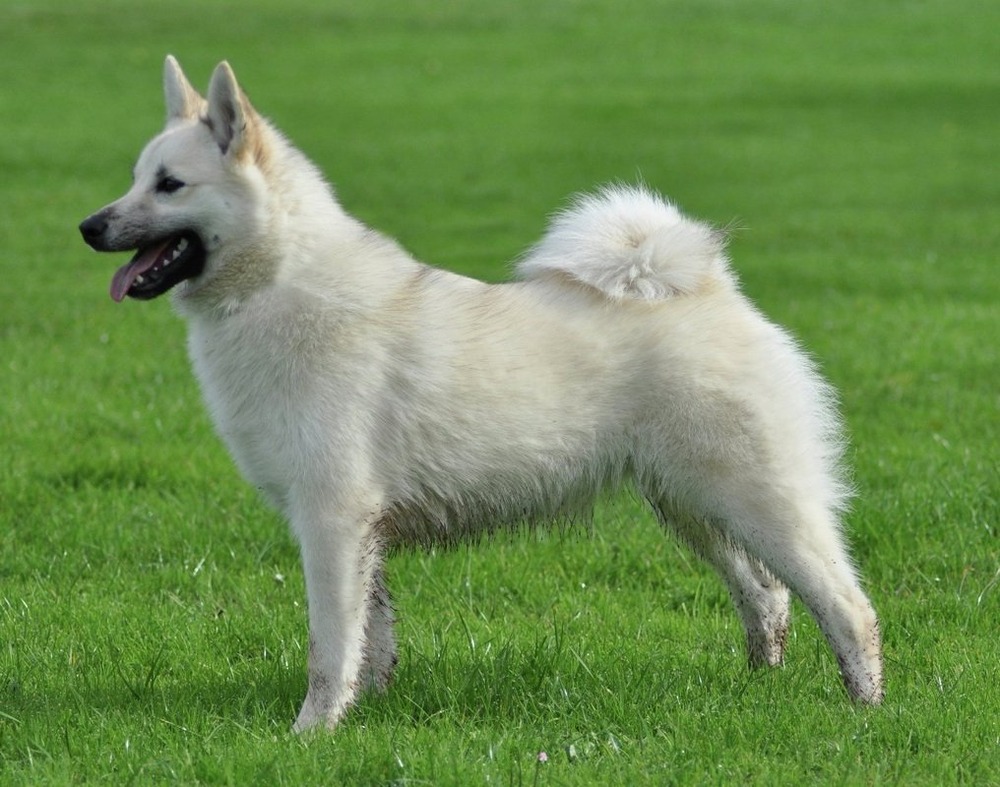
Most people feed a quality commercial diet and do well. The part that deserves extra thought with this breed is digestive sensitivity. If your Lundehund has a history of ongoing gut issues, it is worth working with a veterinarian on a structured plan, including diet trials, rather than changing foods repeatedly based on guesswork.
For many individuals, smaller, more frequent meals can be easier on the gut than one large meal, and careful treat choices can help reduce flare-ups. If a therapeutic diet is recommended, consistency is often more helpful than constantly searching for the “perfect” food.
A brief history and modern recognition
The Lundehund is closely associated with Norway’s coastal communities and puffin hunting on remote islands. Written descriptions of puffin-hunting dogs go back centuries, and the breed’s specialised role helped keep it distinct for a long time.6
Like many small, local landrace breeds, the Lundehund’s numbers narrowed dramatically at points in its history. Its continued existence is tied to the work of dedicated keepers and breed organisations, and today it is still considered rare in many countries.6, 2
In the United States, the Norwegian Lundehund became eligible for full American Kennel Club recognition from 1 January 2011, after approval for full recognition and stud book registration beginning 1 December 2010.3, 4
References
- Swedish Kennel Club (SKK): Norwegian Lundehund overview
- Norwegian Lundehund Association of America (NLAA): About the organisation
- American Kennel Club: December 2010 Chairman's Report (new breeds as of 1 January 2011)
- Norwegian Lundehund Association of America (NLAA): History timeline (AKC full recognition approval details)
- Encyclopaedia Britannica: Norwegian Lundehund
- Swedish Kennel Club (SKK): History and anatomical traits (six toes, ear folding, flexibility)
- Vorkosmia Lundehunds: Breed standard summary (AKC and FCI trait descriptions)
- UC Davis Veterinary Medicine: Norwegian Lundehund health information (PDF)
- Merck Veterinary Manual: Intestinal lymphangiectasia in dogs