

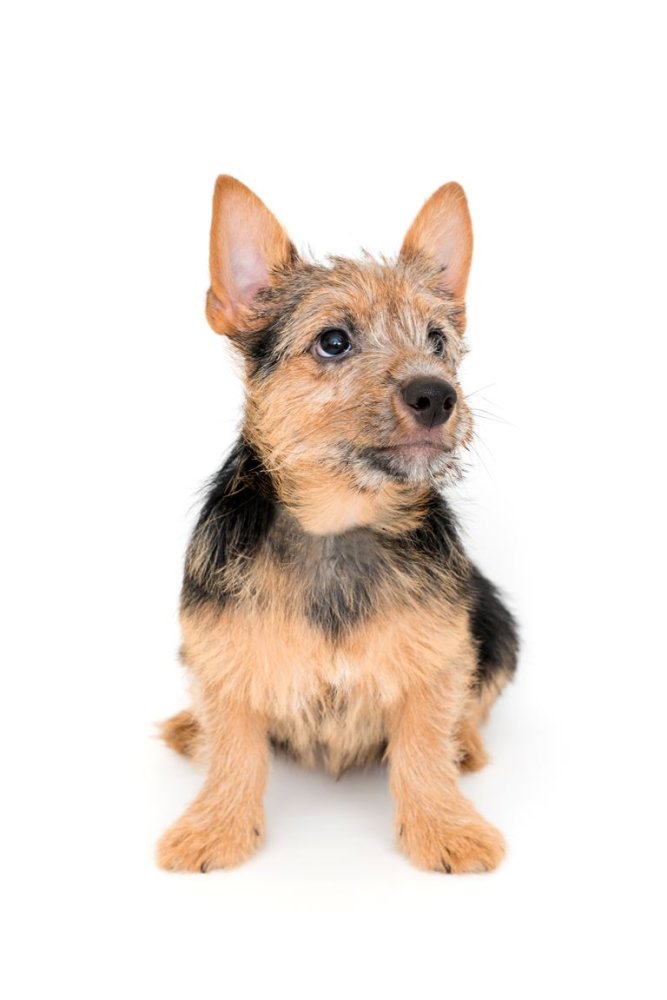
- Breed category: Terrier
- Country of origin: United Kingdom
- Average height: About 24 to 25 cm at the withers
- Average weight: About 5 to 5.5 kg
- Typical lifespan: Often 12 to 15 years
- Coat type: Double coat, harsh and wiry outer coat
- Coat colours: Red, wheaten, black and tan, and grizzle
- Shedding: Low to moderate (depends on coat and grooming)
- Exercise needs: Up to about an hour a day, plus play
- Grooming needs: Regular brushing, periodic hand-stripping for a harsh coat
- Temperament: Bright, companionable, energetic
- Barking tendency: Can be vocal, especially when under-stimulated
- Apartment living: Often suitable if exercise and enrichment are consistent
- Original work: Ratting, and flushing foxes from underground
People often start looking up the Norwich Terrier after meeting one on a walk, seeing a photo online, or noticing that a small dog can look surprisingly sturdy and self-possessed. The first impression is usually the same: upright ears, a bright little face, and a confidence that does not match the size.
It is easy to assume a small terrier will be either a lap dog or a handful, full stop. With Norwich Terriers, the reality sits somewhere in between. They were bred to work, but they also tend to be deeply companionable, which means they can settle well in ordinary homes when their day has enough movement, variety, and structure.
Understanding what shaped the breed helps in practical ways, from how you handle grooming to how you plan introductions with children and other pets. It is less about “fixing” terrier traits, and more about giving them a life where those traits have somewhere sensible to go.
The Norwich Terrier’s background (and why it still shows)
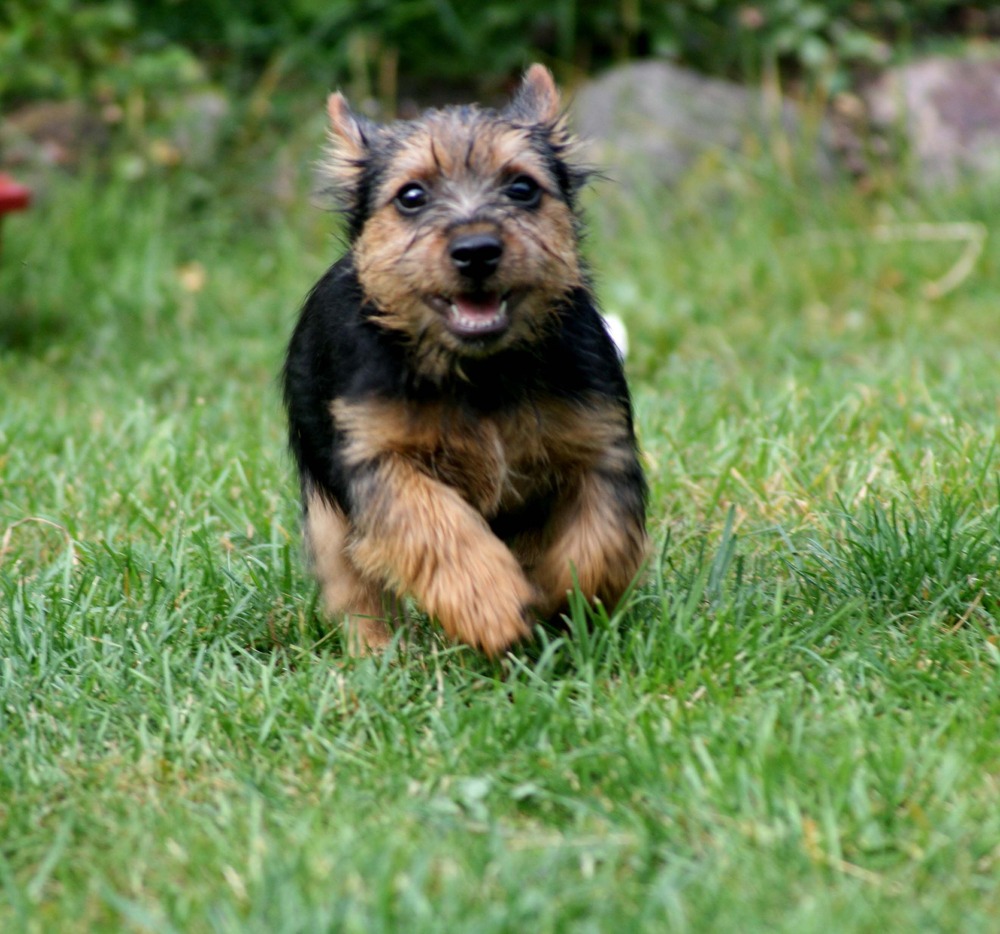
The Norwich Terrier developed in England as a small working terrier used for ratting and bolting, meaning they could dispatch vermin and also go to ground to flush foxes. That working purpose is still visible in the breed’s alertness, quick reactions, and enthusiasm for sniffing, digging, and “investigating” everything. 1, 2
The modern story also includes a bit of confusion that is worth knowing about. For a time, the prick-eared and drop-eared varieties were shown together. Later, they were separated into Norwich (prick ears) and Norfolk (drop ears). If you have ever looked at photos and thought, “That looks like the same dog with different ears,” you are not imagining it. 1
In the UK, the breed was recognised by The Kennel Club in 1932, which is one reason that date appears in so many breed summaries. 1, 2
Temperament and what “terrier energy” looks like at home
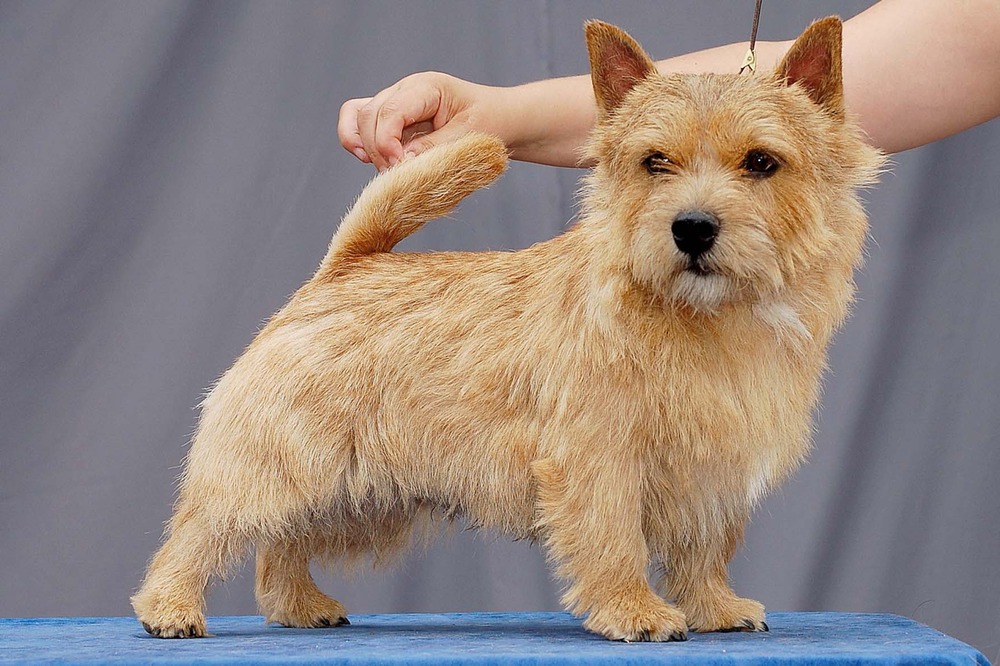
Norwich Terriers are often described as affectionate, lively, and people-focused. In day-to-day life, that tends to translate to a dog who wants to be near you, wants to know what is happening, and will happily take on the role of “small household supervisor”. 1
They can also be persistent. That is not stubbornness for its own sake, it is a working dog trait that once made them useful in barns and stables. In a modern lounge room, it can show up as repeated attempts to start a game, enthusiastic alert barking, or a strong preference for doing things “their way” unless you have built habits gently and consistently.
If you like a dog with opinions, you will probably enjoy a Norwich. If you prefer a dog that fades into the background, it is worth being honest about that before you commit, because terrier traits do not switch off, they just get channelled well or poorly.
Children, visitors, and everyday handling
Many Norwich Terriers do well with children, particularly when kids are taught how to interact respectfully and adults supervise closely. The important piece is not the breed label, it is the individual dog’s comfort and the child’s ability to follow calm, predictable routines. 3, 4
Practical house rules that genuinely help include:
- Leave dogs alone when eating or sleeping.
- Do not allow hugging, grabbing, or face-to-face crowding.
- Teach children to pat on the shoulder or chest, not over the top of the head.
- Give the dog a retreat space that children do not enter.
Training and exercise: enough, but not extreme
The Kennel Club’s guidance places the Norwich Terrier in the “up to 1 hour per day” range for exercise. For many dogs, that looks like a steady walk plus a few short play or training moments spread through the day. 1
What matters just as much is mental work. A Norwich with physical exercise but no enrichment can still end up bored, vocal, and creatively destructive. A few minutes of sniffing games, short training sessions, or food puzzles can make the difference between a dog who is busy inside their own head, and a dog who can actually rest.
Training approach that suits the breed
Norwich Terriers usually respond best to calm consistency and rewards that matter to them (food, play, access to sniffing). Keep sessions short, end while things are going well, and be wary of turning training into a negotiation. Rehearsed habits are your friend here, especially around recall, polite greetings, and settling inside.
Health considerations and lifespan
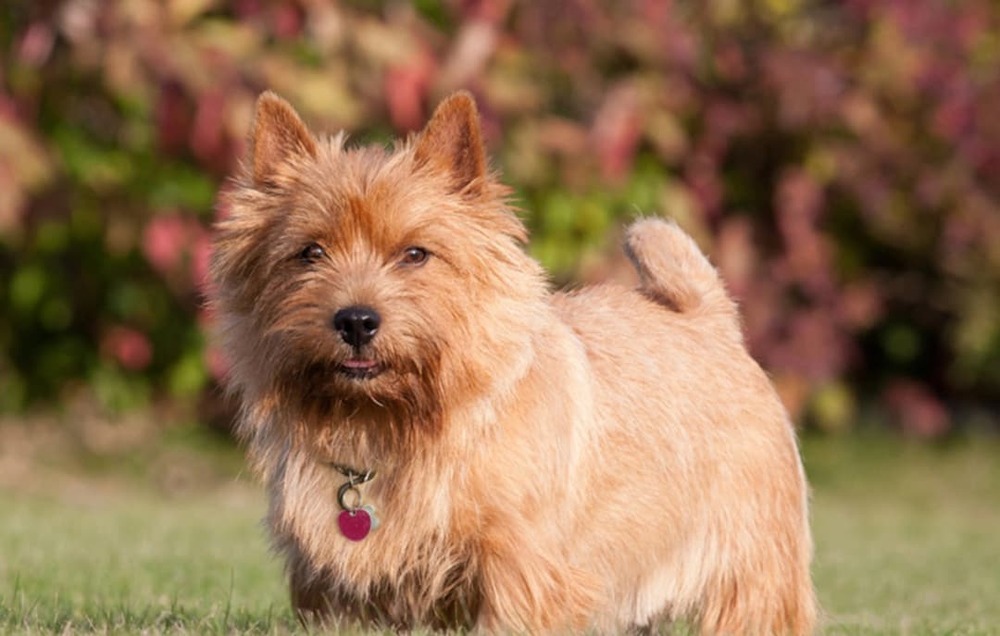
Many Norwich Terriers live into their teens, and a typical lifespan is often quoted around 12 to 15 years. That said, the best outcomes tend to come from unglamorous basics: routine vet care, dental care, sensible body weight, and early attention to changes in movement, breathing, or eyesight. 1
Like many small breeds, individuals can experience orthopaedic issues (for example kneecaps that slip), and some may develop eye conditions. Rather than relying on a generic list, ask your breeder what is present in their lines, and ask your vet what to watch for in your particular dog as they mature.
If you are choosing a puppy, it is reasonable to ask about health testing, veterinary history in related dogs, and what support is offered if problems emerge. Good breeders expect these questions.
Coat, grooming, and the “wiry coat” misunderstanding
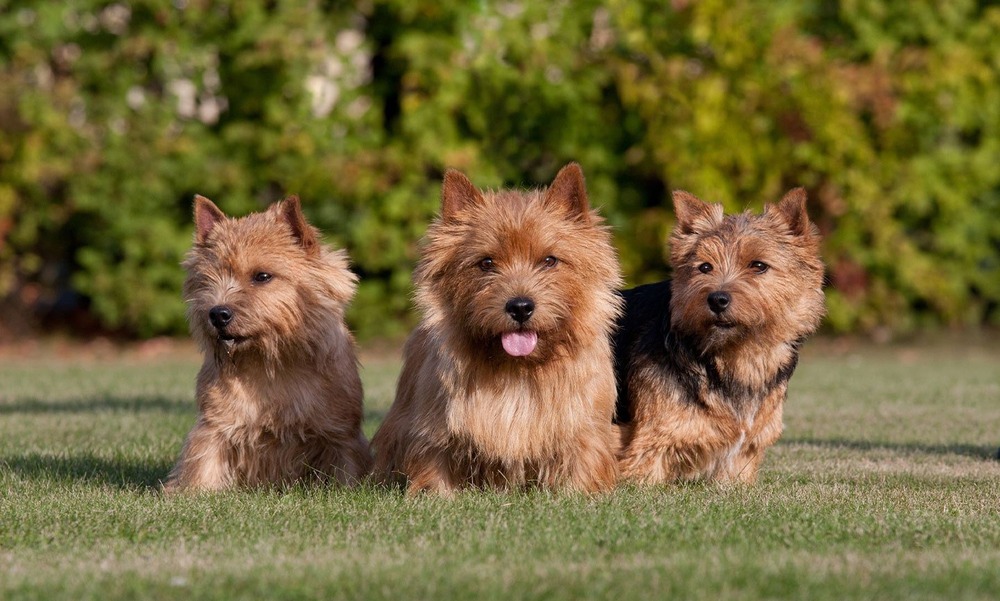
The Norwich Terrier’s coat is often described as harsh, wiry, and weather-resistant. To keep that texture, many terrier people recommend hand-stripping rather than clipping. Clipping can soften the coat over time and change how it sits and sheds. 5
This is also where expectations can get tangled. Some pet Norwich coats are naturally softer, and some dogs (particularly older ones) may not tolerate stripping comfortably. In those cases, a practical grooming plan that keeps the dog comfortable can matter more than achieving a show texture. A good groomer will talk you through options and help you avoid skin irritation and matting. 5
At home, most owners do well with:
- Brushing several times a week, especially around the legs and chest.
- Regular nail trims and ear checks.
- Booking periodic coat maintenance (stripping or a tidy, depending on coat and lifestyle).
Feeding, weight, and treat culture
Norwich Terriers are small, which means extra snacks add up quickly. One of the most useful habits is to keep an eye on body condition over time, not just the number on the scales. Veterinary teams often use body condition scoring to guide feeding adjustments. 6
If you use treats for training (which is often effective), consider taking part of the daily meal allowance and using it as rewards. That way training does not quietly become an extra diet.
Human foods that are not worth the risk
Some foods are particularly risky for dogs, including grapes and raisins, products containing xylitol, and alliums (onion, garlic, chives). If you think your dog has eaten something dangerous, contact your vet promptly. 7
Living well with a Norwich Terrier
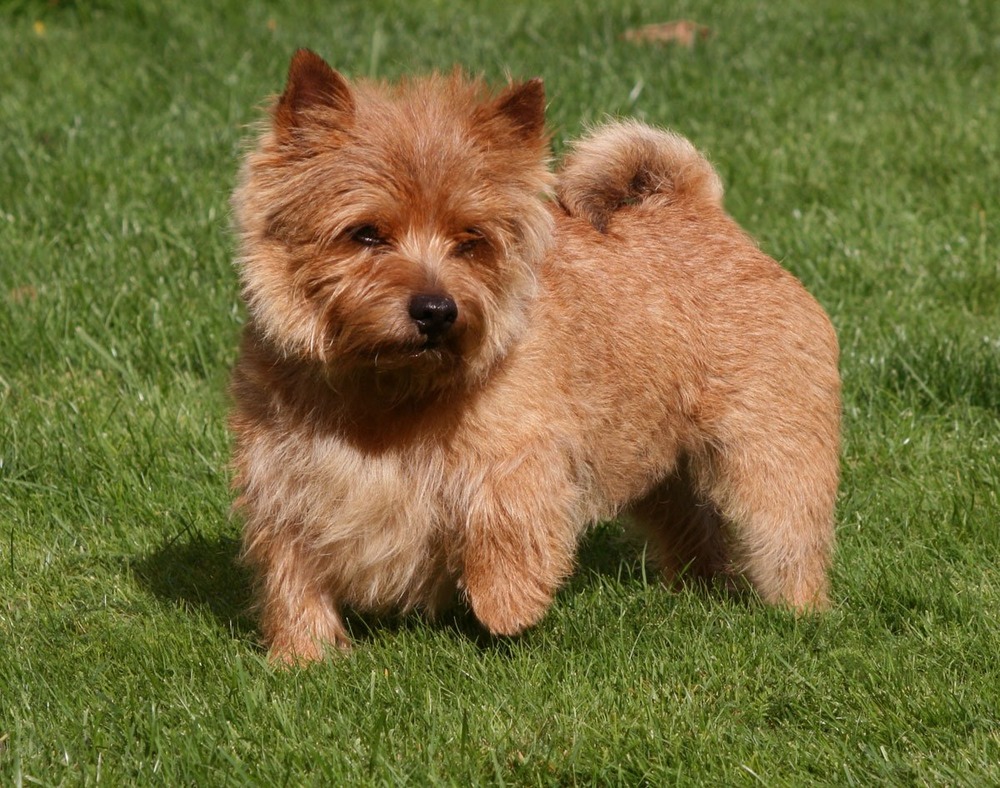
A Norwich Terrier tends to thrive in homes that enjoy daily routines, small adventures, and a dog who wants to participate. They often suit apartment living surprisingly well, provided exercise and enrichment are steady and not treated as optional. 1
If there is one guiding idea that helps, it is this: terriers do best when their world makes sense. Clear boundaries, enough to do, and plenty of calm companionship usually bring out the best in them, which is a small dog with real presence and a lot of heart.
References
- The Kennel Club: Norwich Terrier (Breeds A to Z)
- Westminster Kennel Club: Norfolk Terrier (history and separation from Norwich)
- RSPCA Australia: Pets and kids
- RSPCA Knowledgebase: Introducing a new dog or puppy to children
- Norfolk Terrier Club of Great Britain: Coat care (hand stripping and clipping considerations)
- WSAVA: Global Nutrition Guidelines (resources including body condition scoring)
- ASPCA Animal Poison Control: People foods to avoid feeding your pets