

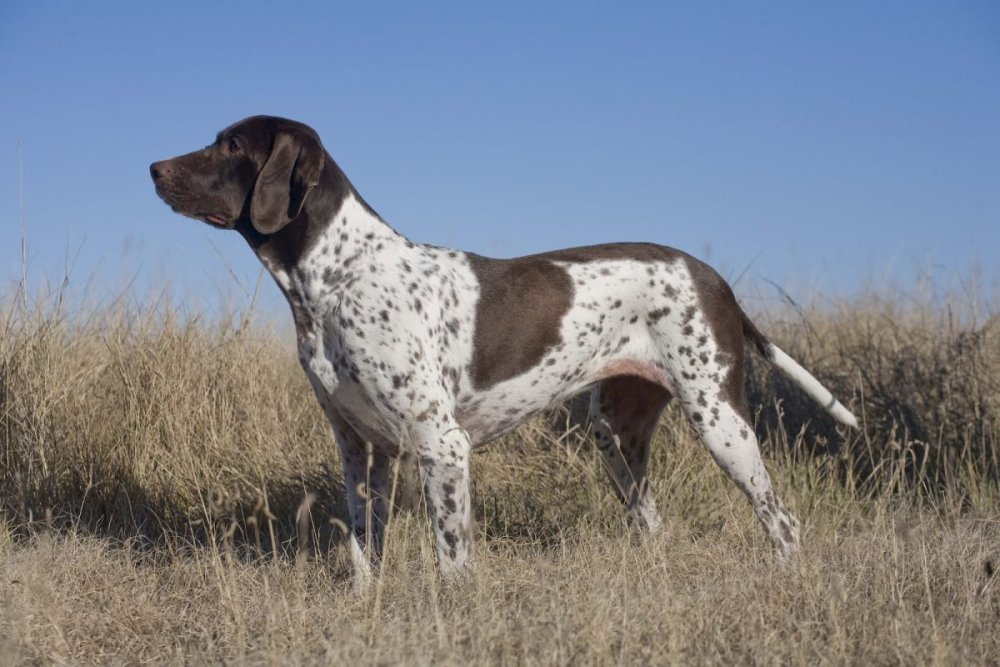
- Breed category: Gundog (pointing dog)
- Origin: Denmark
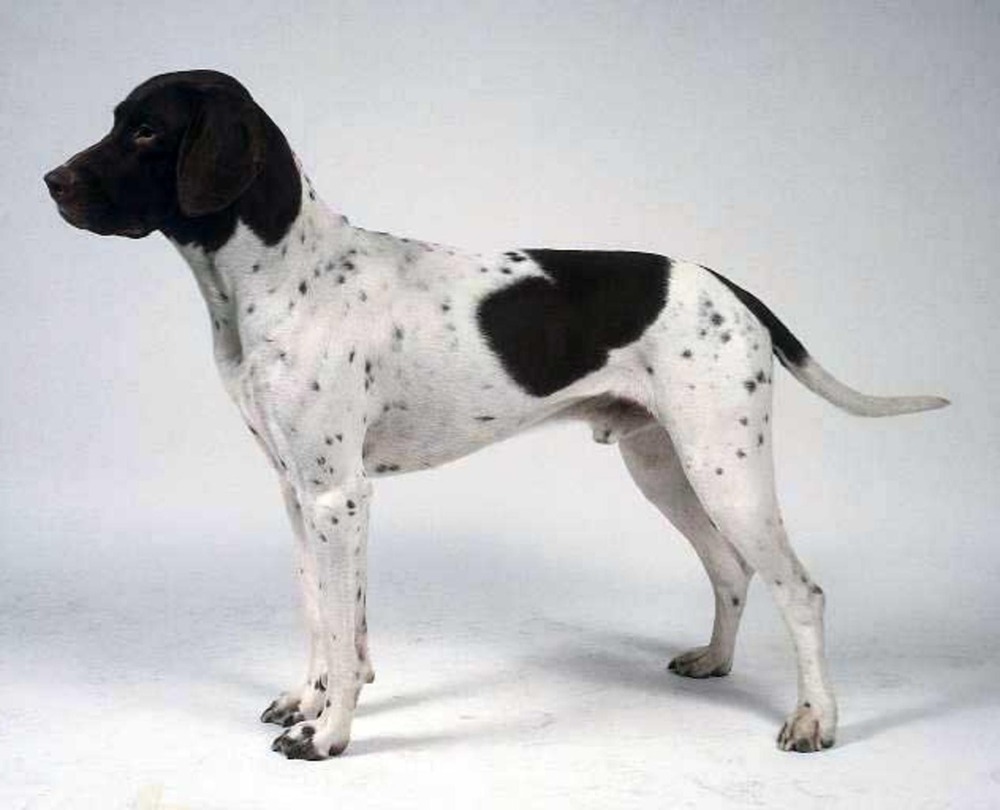
- Typical height: Males 54 to 60 cm, females 50 to 56 cm (at the withers)1
- Typical weight: Males about 30 to 35 kg, females about 26 to 31 kg1
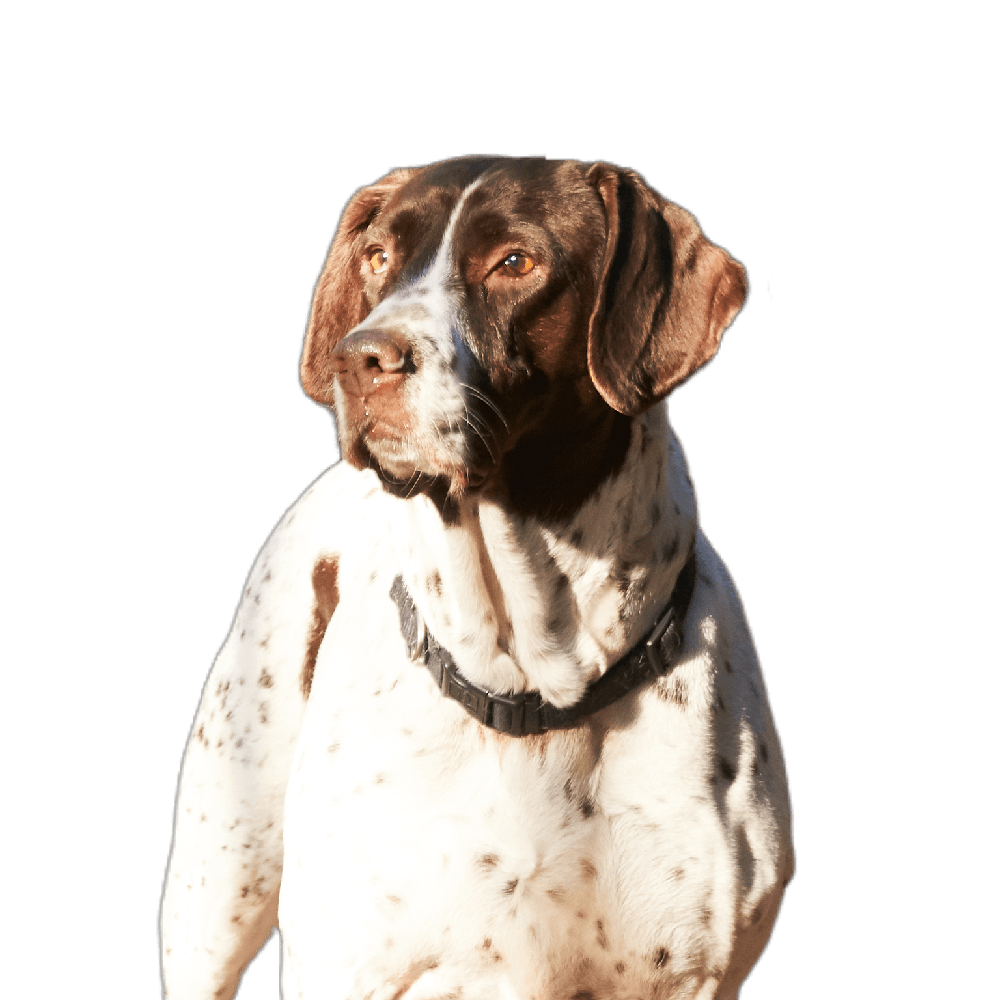
- Coat: Short, dense, usually white with brown markings1
- Energy needs: High, best with daily exercise and purposeful activities
- Life expectancy: Often around 12 to 14 years (varies with genetics, weight, and care)
You usually meet the Old Danish Pointer through a photo first: a sturdy, white-and-brown dog with a calm, steady look. People often assume it is simply another pointer type, built for speed and constant motion. Then they see one moving at a more measured pace, or settling easily in the house, and start wondering what this breed actually needs day to day.
It also tends to come up when someone wants a gundog that feels a bit more grounded, or when a family is drawn to a hunting breed but hopes for a dog that can switch off after exercise. That is where the Old Danish Pointer can make sense, as long as you are honest about the work it still needs: space to move, training that has a job-like feel, and enough mental variety to keep its instincts from spilling into everyday life.
Because it is relatively uncommon outside Denmark, much of the practical challenge is not just caring for the dog, it is finding accurate information and breeders who prioritise health and temperament. A thoughtful approach matters more here than chasing a romantic idea of “a rare breed”.
Origins and what the breed was built to do
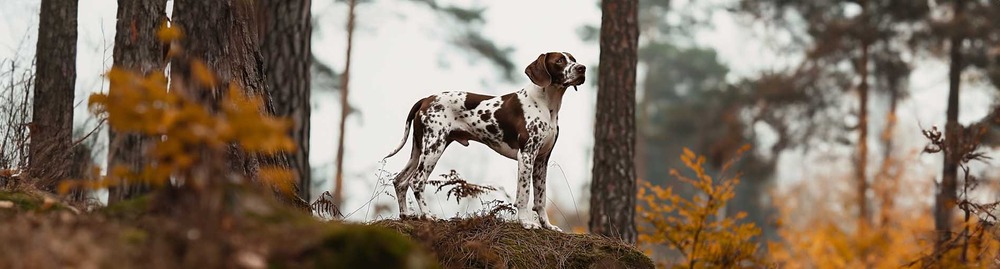
The Old Danish Pointer is known in Danish as Gammel Dansk Hønsehund, and it sits in the continental pointing dog group under the FCI system.2, 3 The breed’s early development is usually traced to the early 1700s, with the FCI standard describing a foundation associated with Morten Bak and crossings between “gypsy dogs” and local farm dogs to produce the characteristic white-and-brown “Bakhounds”.1
Those origin stories are part documentation, part tradition. Even within breed histories there is some debate about what, exactly, went into the foundation stock. It is more helpful to focus on what breeders were selecting for: a dog that could work steadily over ground, locate birds, and retrieve, with enough nose and persistence to be useful on practical hunting outings rather than only on grand estates.1, 4
Today, that working background still shows up in everyday behaviour. Many Old Danish Pointers do best when life includes a “purpose”, even if that purpose is structured scent games, retrieving drills, or regular training sessions that feel like cooperative work rather than repetition.
Temperament, home life, and suitability
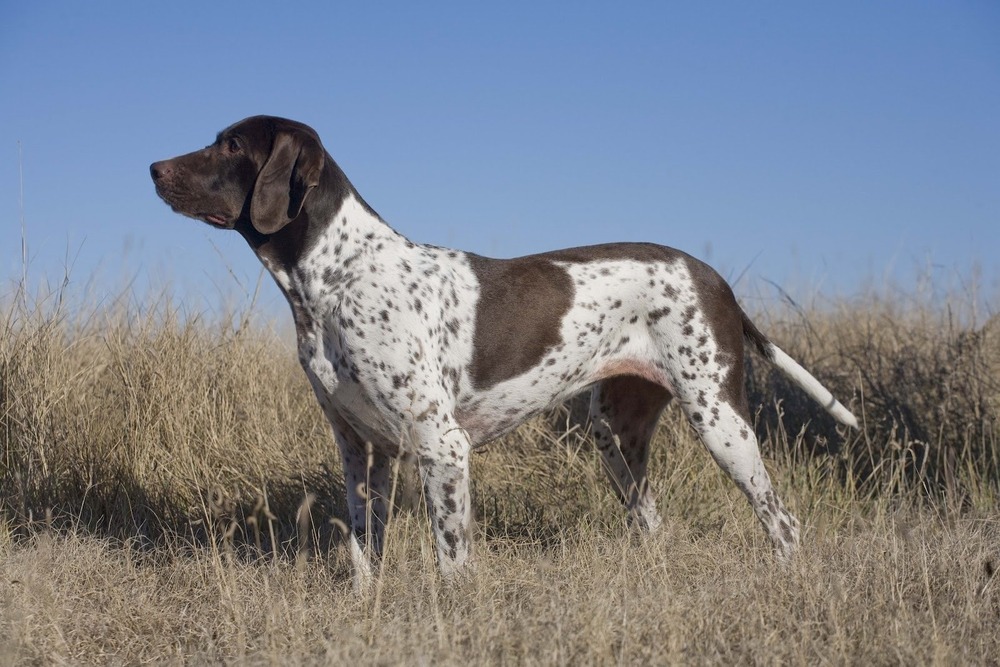
Breed standards describe the Old Danish Pointer as quiet and stable, with determination and courage.1 In real homes, that often translates to a dog that can be affectionate and people-focused, but not typically “busy” in the way some high-octane gundogs can be.
That said, stability is not the same as low needs. This is still a pointing breed with a strong scenting brain. Without outlets, you may notice behaviours like scavenging, pulling towards scent, pestering for activity, or becoming hard to settle. It is rarely about “naughtiness”. It is more often a mismatch between the dog’s daily workload and the household routine.
For families, the fit tends to be best when adults enjoy training and outdoor time, and children understand respectful handling. For multi-pet homes, early socialisation and ongoing management around high-arousal moments (doorways, feeding time, visitors) usually matter more than any simple promise that a breed is “good with other pets”.
Training and socialisation that actually helps
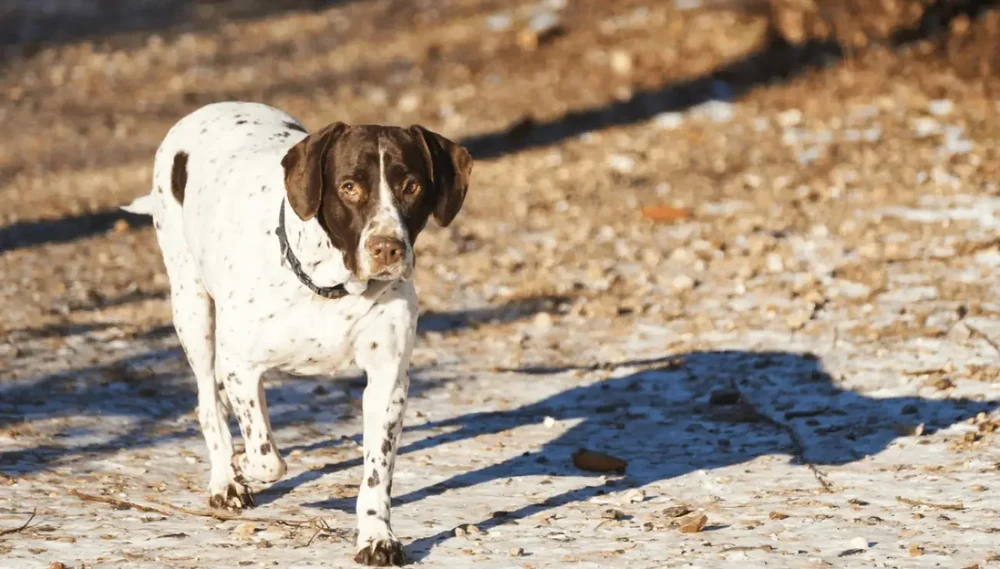
Old Danish Pointers often respond well to reward-based training that is clear, consistent, and practical. Harsh methods can create fallout in many breeds, and they are especially unhelpful in dogs that are trying to work with you while also processing a scent-rich world.
Socialisation is most effective when it is gentle and systematic, not a rush to “meet everything”. Australian animal welfare guidance commonly describes a critical socialisation window (often referenced as roughly 3 to 17 weeks, or about 4 to 16 weeks, depending on the source), with an emphasis on positive experiences and avoiding overwhelm.5, 6
If you are raising a puppy, aim for calm exposure to:
- different surfaces and environments (grass, sand, shops that allow dogs, quiet ovals)
- handling and grooming prep, especially ears, feet, and mouth5
- friendly, well-managed dog interactions, rather than chaotic dog-park free-for-alls
As the dog matures, it helps to keep training “alive”. Short sessions woven into daily routines often work better than long weekend drills, particularly for gundogs that thrive on repetition with variety.
Exercise and enrichment for a pointing dog
These dogs are typically at their best when exercise is not only physical. Long lead sniff walks, retrieval games, and simple scent work can meet the dog where its instincts live. If you have access to safe off-lead areas, you will still want a reliable recall and a plan for wildlife distractions.
A good rule of thumb is to watch the dog you have, not the ideal dog you imagined. A young Old Danish Pointer may need help learning to settle, while an adult may cope well with a mix of daily walks and a few bigger outings each week. The key is consistent daily movement, plus one or two activities that feel like “work”.
Health notes to discuss with your vet
No breed is immune to health issues, and individual risk depends heavily on genetics, growth, and body condition. The Old Danish Pointer is sometimes associated in general breed write-ups with concerns such as hip dysplasia and ear trouble, and it is sensible to keep both on your radar.
Hip dysplasia is a developmental condition involving hip joint laxity that can lead to pain and arthritis over time. Genetics is a major risk factor, and rapid growth or excess weight can worsen outcomes.7 If you are choosing a puppy, ask what hip screening is done in the lines, and talk with your vet about appropriate growth and exercise while your dog is developing.
Ear health matters in any dog with dropped ears. Otitis externa is common in dogs overall, and factors like moisture, inflammation, and underlying allergies can contribute.8 In practice, it often comes down to simple habits, drying ears after swimming, noticing early redness or smell, and not putting home remedies into an ear that is painful or heavily inflamed.
Grooming, coat care, and everyday maintenance
The coat is usually straightforward: short, dense, and not prone to matting. Weekly brushing is often enough to remove loose hair and dust, with more frequent brushing during heavier shedding periods.
What tends to be more important than the coat is routine care that supports an active life: nail length (for traction and comfort), paw checks after long walks, and regular dental care. A quick weekly “hands-on” check also makes it easier to spot changes early, particularly around ears and skin.
Feeding and keeping a healthy body condition
For an athletic, medium to large dog, the practical goal is not a specific brand or a trendy ingredient list. It is steady condition and good muscle. The WSAVA Global Nutrition Guidelines provide resources for assessing body condition score, which many vets use to help owners adjust portions over time.9
If you are unsure whether you are feeding the right amount, bring your dog’s food label details to your vet visit and ask for a body condition check. Small adjustments made early are easier than trying to reverse weight gain later, especially in breeds where joints matter.
Final thoughts
The Old Danish Pointer can be a rewarding companion for people who like being outdoors and enjoy training as part of daily life. It often brings a steadier, more methodical energy than some gundogs, but it still needs room to move and a reason to use its brain.
If you are considering the breed, the best indicator of fit is not a description of “friendly” or “loyal”. It is whether your week has space for regular exercise, training, and enrichment, and whether you can source a puppy or adult dog from people who are transparent about health testing and temperament.
References
- FCI Breed Standard No. 281: Old Danish Pointing Dog (Gammel Dansk Hønsehund)
- Fédération Cynologique Internationale (FCI): Gammel Dansk Hønsehund (281) breed entry
- Fédération Cynologique Internationale (FCI): Group 7 Pointing Dogs nomenclature
- Lex.dk: Gammel dansk hønsehund (background and history)
- RSPCA Australia: Socialising your puppy
- RSPCA Knowledgebase: Is socialising my puppy important?
- American College of Veterinary Surgeons (ACVS): Canine Hip Dysplasia
- Merck Veterinary Manual: Otitis Externa in Dogs
- WSAVA: Global Nutrition Guidelines (including body condition score resources)