

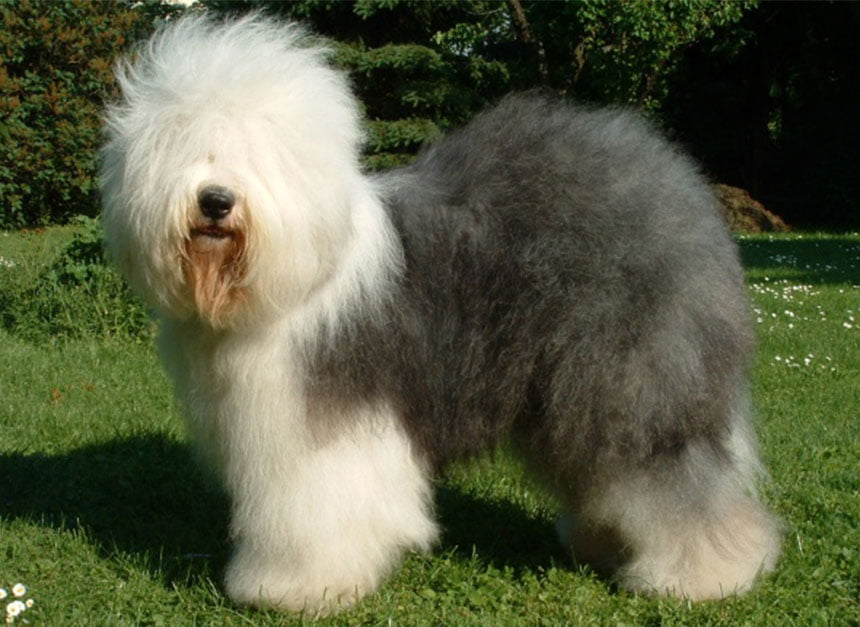
People often notice an Old English Sheepdog for the first time as a moving cloud of coat, or a familiar face from advertising, then wonder what life with that much dog and that much hair is actually like. They look cuddly and unhurried, but they were built for work, and that history still shows up in day to day behaviour.
It also helps to know what you are signing up for. The Old English Sheepdog can be a wonderfully companionable family dog, but the breed tends to suit households that can make room for grooming, training, and sensible warm weather management, not just a quick walk and a pat.
- Breed type: Herding
- Origin: England
- Typical height: About 56 cm and up (dogs), slightly less for bitches
- Typical weight: Commonly around 27 to 45 kg
- Typical lifespan: Around 10 to 12 years
- Coat: Profuse, shaggy, double coat
- Maintenance level: High
- Exercise needs: Moderate, with regular mental stimulation
Where the breed comes from, and what that means today
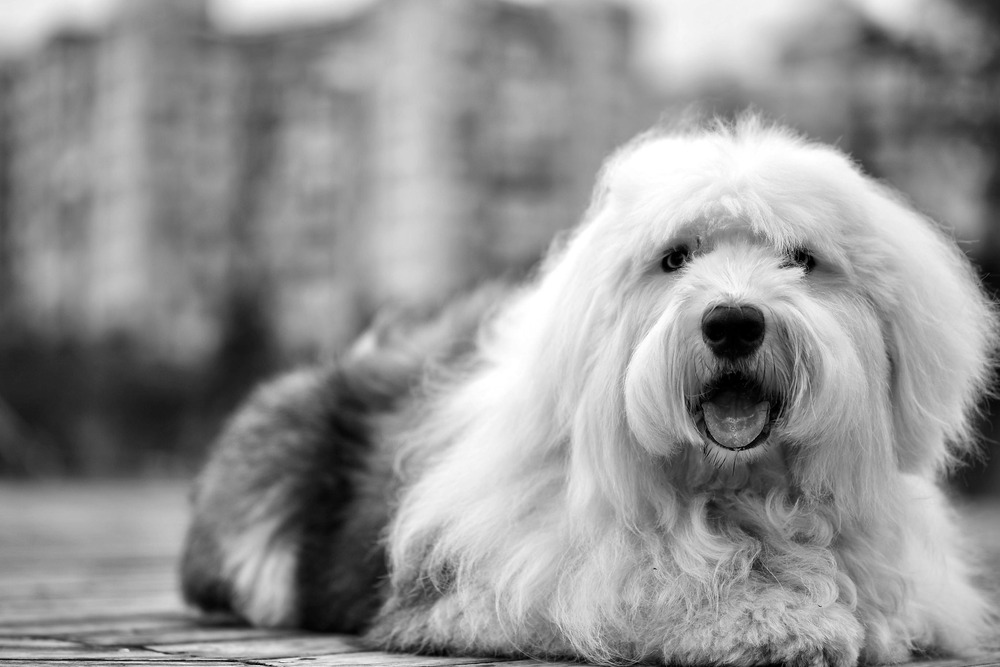
The Old English Sheepdog developed in England as a drover and herding dog, expected to travel, think independently, and cope with rough conditions. Even in a modern home, those roots tend to show up as a dog that likes having a job, or at least a routine, and that notices movement around the house.
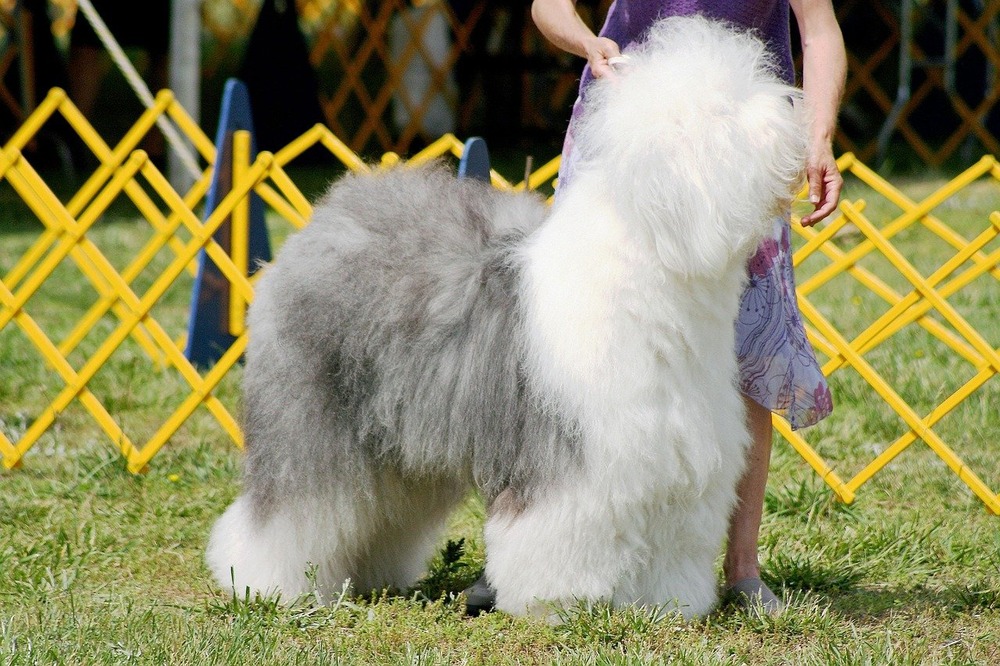
Breed standards describe a dog that is compact, strongly built and profusely coated all over, with a characteristic rolling, ambling gait when walking or trotting.1 If you have ever seen one “shuffle” along and wondered if something is wrong, it is often just typical movement for the breed.
Coat colour is usually a mix of white with grey, grizzle, blue or blue merle. Some standards also note that brown or sable shades are considered undesirable in the show context, which is worth knowing if you are comparing dogs from different lines.1
Temperament, family life, and the herding instinct
Many people describe Old English Sheepdogs as gentle and good natured, especially with familiar people. They are often playful well into adulthood, and they tend to enjoy being included in everyday life rather than left outside “to entertain themselves”.
It is common, too, for a herding breed to experiment with controlling movement. In a family setting that can look like circling, leaning their body in, or trying to steer kids and other pets down hallways. It is rarely about “dominance”, it is more often an instinctive response to motion. The practical takeaway is teach calm manners early, then reward the behaviours you want repeated.
They can do well in homes with children, but size matters. A friendly, bouncy dog can still knock over a toddler without meaning to, so supervision and training are part of responsible ownership.
Training and exercise, keeping a big dog steady and settled
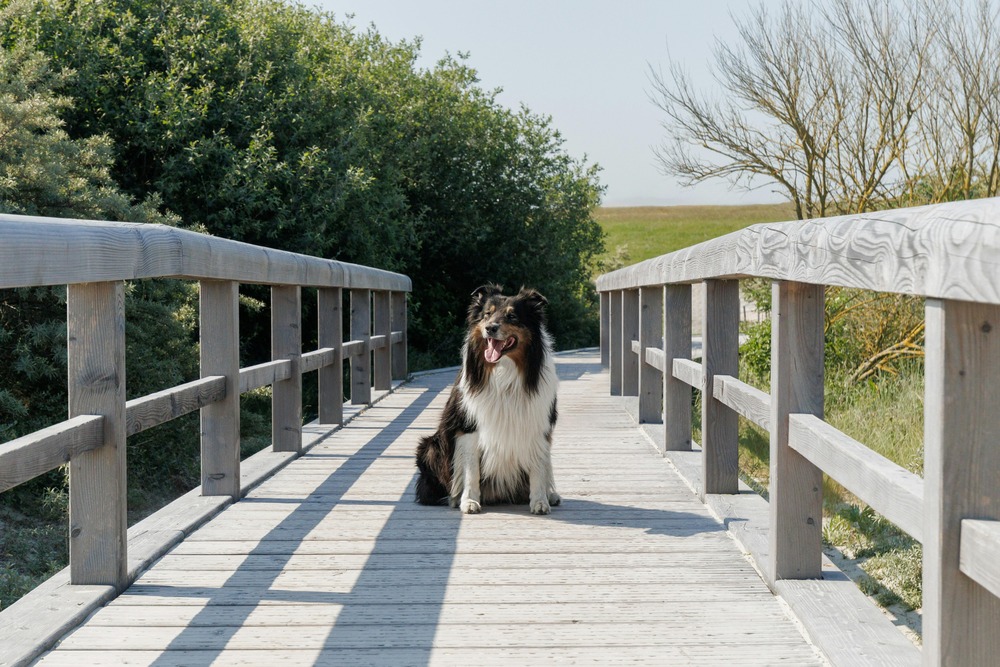
Old English Sheepdogs are usually smart and responsive, but “smart” does not always mean “effortless”. They can be sensitive to inconsistent handling, and they may switch off if training feels repetitive or harsh. Short sessions, clear cues, and rewards that actually matter to the dog tend to work best.
For exercise, think in terms of steady daily movement plus a bit of problem solving. A couple of walks, some off lead play in a safe area, and small training games at home often suits them better than occasional intense outings. Many sources place their lifespan at around 10 to 12 years, and joint friendly exercise becomes more important as they age.2
Because they carry so much coat, warm weather needs planning. It is easy to assume a thick coated dog “handles heat”, but a long, dense coat can increase heat risk, especially with humidity, obesity, or overexertion. Avoid hard exercise in the hottest part of the day, and learn the early signs of heat stress.4, 5
Health considerations to discuss with your vet and breeder
Like many larger breeds, Old English Sheepdogs can be at risk of hip dysplasia. Eye problems are also mentioned in breed overviews, including hereditary cataracts and progressive retinal atrophy. Thyroid disease and some cardiac issues are also referenced in breed health summaries, which is why health screening and transparent breeder practices matter.2
If you are choosing a puppy, ask what health testing has been done in the line, and what the results were. If you already share your life with an adult dog, the useful question becomes: what should we be watching for, and what monitoring makes sense for this individual?
It can also help to keep your expectations realistic. Good breeding and good care stack the odds in your favour, but they do not make any dog “guaranteed healthy”. A relationship with a trusted vet, and attention to weight, fitness, and skin and coat condition, does more than any single supplement.
Coat care that protects comfort, not just looks
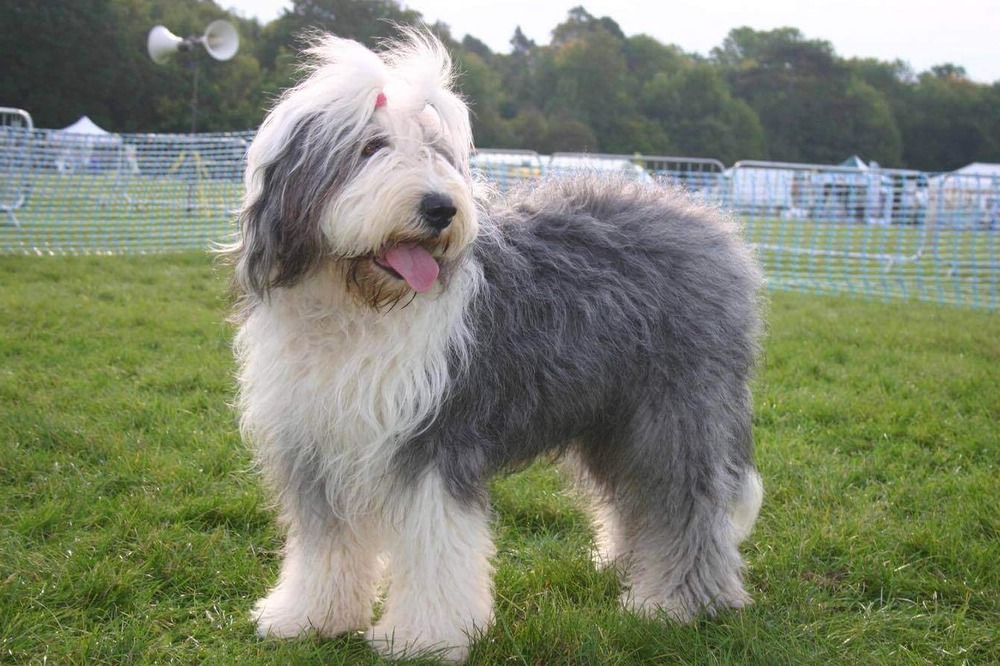
The coat is the headline feature, and it is also the part that can quietly cause problems if it is neglected. Mats can trap moisture and debris close to the skin, making irritation and infection more likely, and they can be painful to remove once tight.
A good baseline is regular brushing that reaches the undercoat, plus routine checks behind the ears, under the collar, in the armpits, and around the back legs. Australian guidance on grooming notes that long coated dogs generally need at least weekly brushing to help prevent matting, and many Old English Sheepdogs will need more than that depending on coat texture and lifestyle.3
If you are not confident, a reputable groomer can be a practical ally. It is also fine to choose a shorter clip for convenience, as long as you still keep up with brushing and skin checks. The aim is skin health and comfort, not perfection.
Feeding, weight, and the quiet value of a simple plan
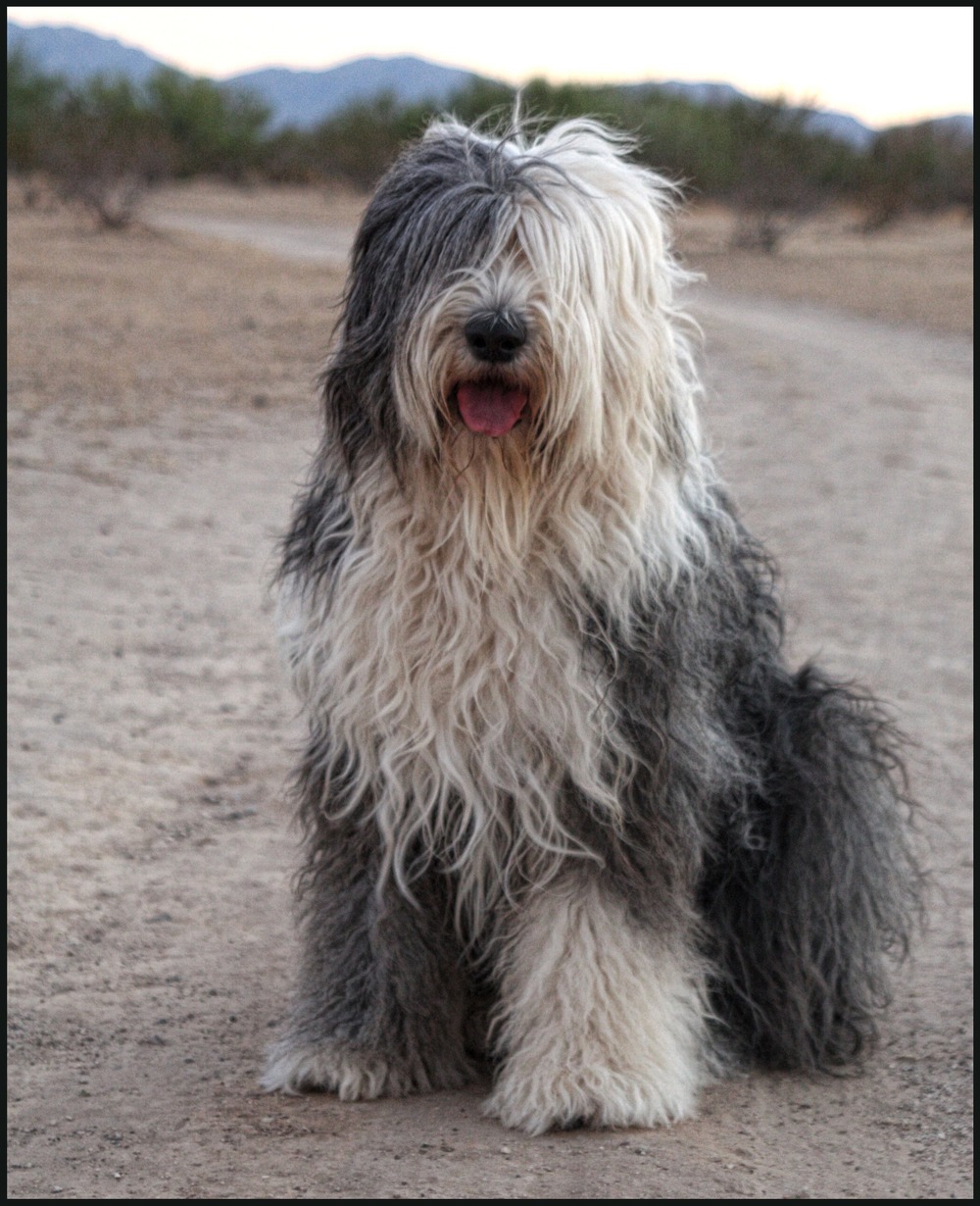
With a big, fluffy dog, weight gain can sneak up. You might not notice a thickening waist until the dog is already carrying extra load through hips, elbows, and spine. Measuring food, being mindful with treats, and adjusting intake to match activity is usually more effective than changing brands repeatedly.
If you feel overwhelmed by nutrition advice online, you are not alone. The World Small Animal Veterinary Association (WSAVA) offers tools for selecting a pet food and interpreting labels, and it encourages owners to treat nutrition as something individual, not one size fits all.6, 7
If your dog has recurrent ear trouble, itchy skin, or loose stools, it is worth discussing diet as part of the picture, but it is also worth ruling out parasites, infections, and environmental triggers. Food can matter, but it is rarely the only factor.
Living well with an Old English Sheepdog, in homes and in heat
Old English Sheepdogs can adapt to many living situations, including smaller homes, if their needs are met. What tends to matter most is not square metres, but whether the dog gets steady exercise, training, and the kind of social contact that keeps them settled.
Heat is the bigger day to day challenge for many Australian households. Thick coats, warm nights, and humid days can put a dog at risk faster than people expect. Signs of heat stress can include heavy panting, drooling, weakness, vomiting, and collapse. If you suspect heatstroke, cool the dog with tepid water and airflow and seek urgent veterinary care.4, 5
In practice, the simplest strategies are often the best:
- Walk early or late, and keep sessions shorter on hot days.
- Prioritise shade, ventilation, and constant access to clean water.
- Use grooming and coat maintenance to prevent heavy matting that traps heat.
- If your dog is older, overweight, or unwell, treat warm weather as a high risk period, not a minor inconvenience.4, 8
References
- Dogs Australia: Old English Sheepdog breed standard
- Purina: Old English Sheepdog breed information
- RSPCA Pet Insurance: Guide to dog cleaning and grooming
- RSPCA Pet Insurance: Heatstroke (hyperthermia) in cats and dogs
- RSPCA NSW: Heat stress
- WSAVA: Global Nutrition Guidelines
- WSAVA: Global Nutrition Committee
- RSPCA Australia: Warm weather worries, protect pets from heatstroke
- Animal Referral and Emergency Network: How to keep pets safe in hot weather