

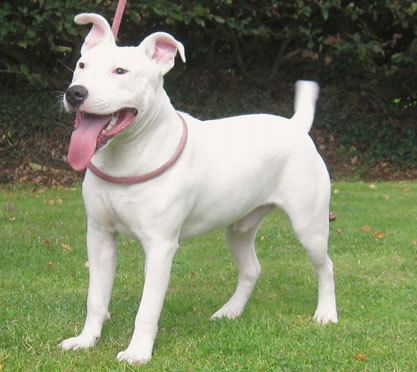
You might come across the phrase “Old English Terrier” while scrolling old dog books, looking at vintage paintings, or trying to work out why so many terriers share that same compact build and switched-on expression. Sometimes people even use the name as if it’s a modern breed you can simply go and buy.
The reality is a bit more interesting, and a little messier. In most contexts, “Old English Terrier” points to an older type of working terrier, not a single, neatly standardised pedigree with one agreed look and temperament. These dogs were shaped by what they needed to do, not by a show ring description, and that matters when you’re trying to understand what the name really means today.1
So if you’re here because you’ve seen the term and wondered what the dog was like, how big it was, or whether it would suit modern life, it helps to treat this as a story about working terriers: their jobs, their tendencies, and the kind of care they typically need to do well.
- Type: Historic working terrier (“Old English Terrier” is often used as a label for older terrier types)
- Origins: Britain (commonly referenced in England and Wales)
- Typical work: Vermin control and hunting-related tasks
- Energy: Generally high
- Training approach: Best with reward-based methods and clear routines
The “Old English Terrier” name, and what it usually refers to
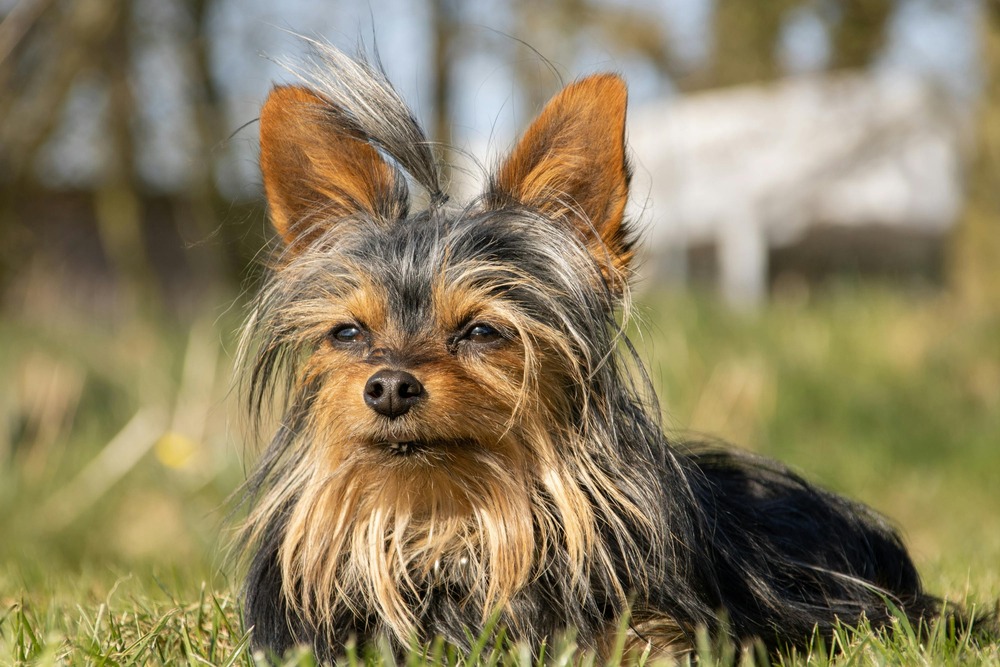
It’s tempting to read “Old English Terrier” as if it’s one specific breed. In practice, the term is often used for an older working terrier type, sometimes overlapping with names like the “Black and Tan Terrier” or “Old English Black and Tan Terrier”. These were dogs bred for function, and that meant there was variety in size, coat and overall look, depending on region and job.1
Because these dogs weren’t shaped by a single modern breed club standard, you’ll see different descriptions in different sources. The important through-line is not the exact ear set or the precise shade of tan, but the traits that working terriers tend to share: athletic bodies, quick reactions, persistence, and a tendency to get very invested in movement and scent.
Where these terriers fit in British dog history

Terriers were shaped by everyday needs. On farms, in stables, and around towns, a small, brave dog that could dispatch rats and other vermin was genuinely useful. In hunting culture, terriers were also valued for their willingness to go in after quarry.
Over time, older terrier types contributed to the development of later terrier breeds. That doesn’t mean there is a straight, simple family tree, but it does help explain why so many terriers share similar working instincts, even when they look quite different from one another.1
Appearance and coat, what you can reasonably assume
If you’re trying to picture an “Old English Terrier”, it’s safest to think “medium-small working terrier”, built to move, turn quickly, and get into tight places. Coats described under the broader black-and-tan working terrier umbrella range from smooth to rough, and colour descriptions vary too. The idea of a single, fixed look is part of what makes this topic confusing.1
Rather than chasing one definitive height and weight, focus on what that build implies for modern care: these dogs were typically made for work, and that usually comes with high daily activity needs and a brain that likes a job.
Temperament, bright, busy, and not always “easy”

Well-bred and well-managed terriers can be deeply engaging companions. They tend to notice things, respond quickly, and learn fast when the training makes sense to them. That same sensitivity can become friction in a home if their needs are underestimated.
A common assumption is that terriers are “naughty” or “stubborn”. Often it’s more accurate to say they’re persistent, easily reinforced by the environment, and highly motivated by movement. A dog that has been selected for generations to chase and grab does not stop being that dog just because it lives in a suburban lounge room.
If you have children or other pets, the practical question is management. Some terriers can live very happily with kids and other animals, but it typically depends on early socialisation, supervision, and how much chasing behaviour is rehearsed. It’s worth thinking in terms of patterns and routines, not just “personality”.
Training and exercise, what tends to work best
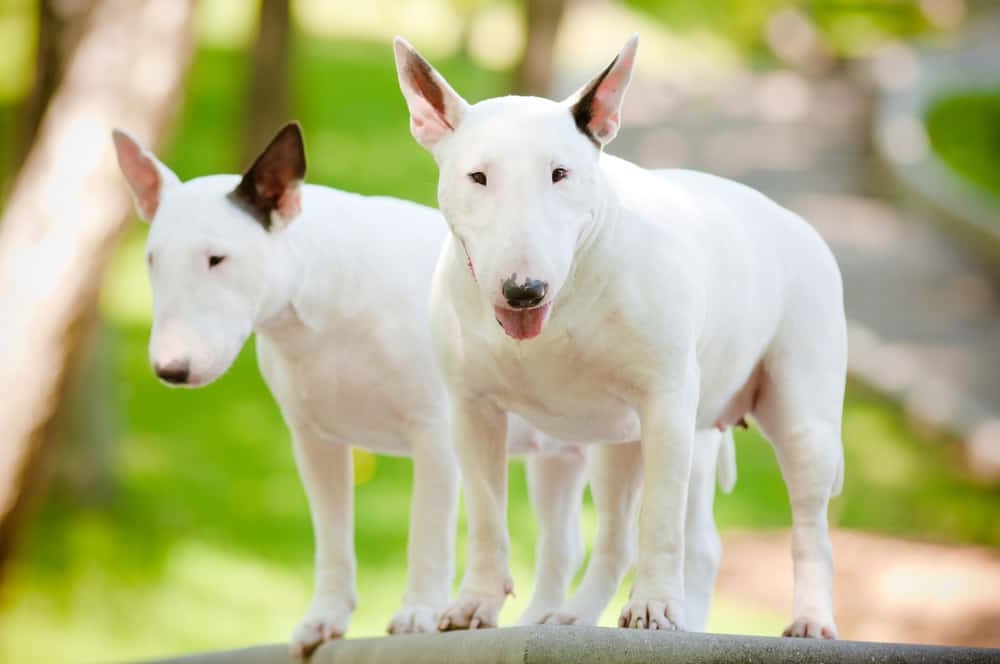
With terriers, training is less about “winning” and more about setting the environment up so the dog practises the behaviours you want. Reward-based methods are widely recommended because they build clarity and cooperation without adding unnecessary stress or conflict.2, 3
Good training sessions are usually short and frequent, especially with dogs that get bored easily. Think in minutes, not hours, and aim for repetition across real life: coming when called, checking in on walks, settling on a mat, and letting go of objects on cue.
For exercise, it helps to combine physical movement with mental work. A brisk walk alone may not touch the sides for a terrier-type dog. Consider mixing in:
- Scent games (scattering food in grass, simple “find it” searches)
- Controlled tug and fetch with clear start and stop cues
- Training on walks (sit, wait, recall, hand target)
- Dog sport foundations such as agility-style body awareness, if suitable for the dog
Health and preventative care, keeping the basics solid
Because “Old English Terrier” isn’t a single modern breed with a defined health profile, it’s more practical to talk about general canine care and common issues seen in active, medium-small dogs.
Joint conditions such as hip dysplasia are discussed across many breeds and types, and weight management matters because extra kilos add strain to joints over time.4
Preventative care tends to make the biggest difference in day-to-day life. Stay on top of parasite control, dental care, and regular vet check-ups. In many parts of Australia, paralysis ticks are a real risk, and prevention and daily checking during risk periods are worth taking seriously.5, 6
Grooming, simple for many terrier coats, but still a routine
Coat care depends on coat type. Smooth coats are usually low effort, while rough or broken coats can benefit from more regular brushing and, in some dogs, tidying or hand-stripping. Regardless of coat, it’s helpful to make grooming part of normal handling, so the dog learns that being checked is just another calm, ordinary activity.
Even a low-shedding coat doesn’t remove the need for basics: nails, ears, and teeth. A practical goal is small maintenance often, rather than leaving everything until it becomes a battle.
Feeding and body condition, less about ingredients, more about suitability
Feeding advice online often fixates on ingredient lists, but that can distract from what actually matters: whether the diet is complete and balanced for your dog, whether it suits their life stage and activity, and whether they are maintaining a healthy body condition.7
If you’re not sure, your vet can help you assess weight and adjust portions. For active terrier-types, it’s also worth remembering that food is a training tool. Using part of a dog’s daily ration during training can help with focus while keeping calories sensible.
Working-dog realities and modern expectations
Old working terrier types are often pictured with docked tails in historic contexts, but docking laws and norms vary by location and have changed significantly over time. In the UK, tail docking is prohibited in many circumstances, with limited exemptions that differ by nation and specific working categories.8, 9
For modern owners, the bigger point is not the tail. It’s expectations. Dogs shaped for vermin work are often quick to chase, quick to react, and quick to learn, which can be wonderful if your household enjoys training and daily engagement. If you want a dog that is naturally indifferent to wildlife, content with minimal exercise, and unbothered by movement outside the fence, a working terrier-type is not the easiest match.
Final thoughts
The Old English Terrier is best understood as a window into Britain’s working terrier past, and into the qualities that still show up in terriers today. When people fall for these dogs, it’s often because of their sharpness, their athletic confidence, and that feeling that there is always something going on behind the eyes.
If you’re drawn to the “Old English Terrier” idea, look past the name and focus on the lifestyle: daily exercise, reward-based training, thoughtful management around chasing behaviour, and steady preventative care. That combination tends to bring out the best in terrier minds and bodies.
References
- Wikipedia: Black and Tan Terrier (Old English Terrier type)
- RSPCA Australia Knowledgebase: Reward-based dog training
- American Veterinary Society of Animal Behavior (AVSAB): Position statements (Humane Dog Training)
- Australian Veterinary Association (AVA): Canine hip dysplasia
- RSPCA Australia Knowledgebase: Protecting pets from tick paralysis
- Agriculture Victoria: Tick prevention and daily checks (farm working dogs guidance)
- World Small Animal Veterinary Association (WSAVA): Global Nutrition Guidelines
- Royal College of Veterinary Surgeons (RCVS): Tail docking of dogs (England, Wales, Scotland changes in 2007)
- NI Direct (Northern Ireland): Tail-docking dogs