

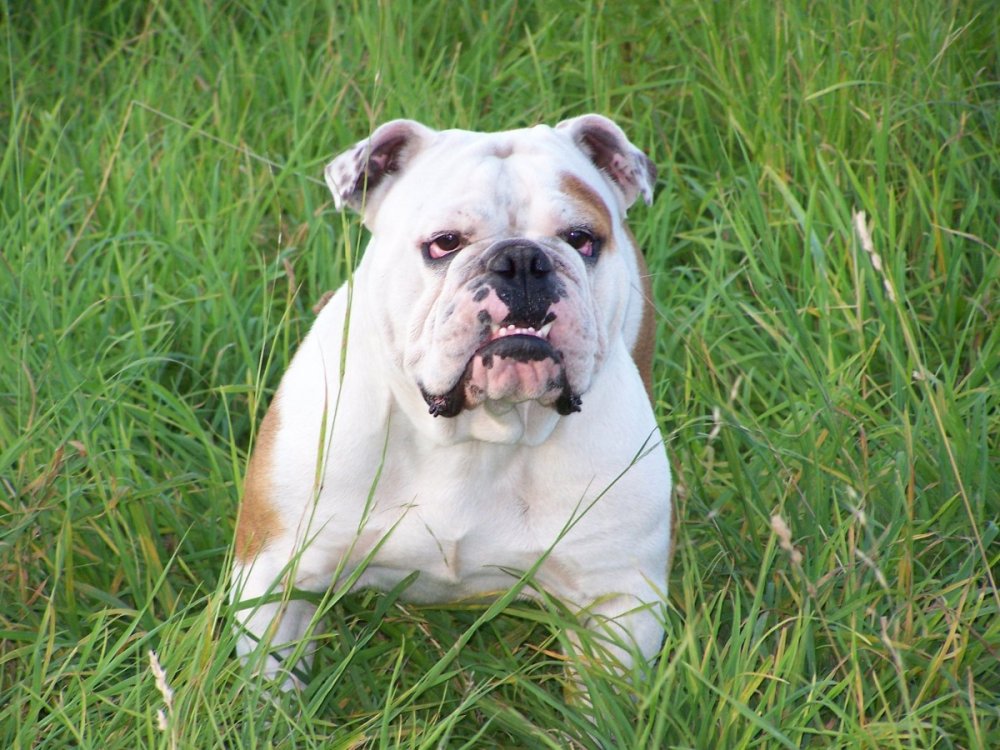
- Breed category: Companion dog (also seen in guardian and sport homes)
- Country of origin: United States
- Typical height: Around 40 to 51 cm at the shoulder
- Typical weight: Around 22 to 36 kg
- Coat type: Short, smooth
- Common colours: Brindle, fawn, red, black, often with white
- Shedding: Moderate
- Exercise needs: Moderate, steady daily movement suits most
- Grooming needs: Low, plus routine skin and fold checks
- Heat sensitivity: Many are heat-prone, especially if short-muzzled
- Life expectancy: Often quoted around 9 to 14 years, but varies with build, genetics, and care
You might notice one at the park and do a double-take. It looks like a Bulldog, but taller, more athletic through the body, and less “squashed” in the face. Owners might call it an Olde English Bulldogge, and then the questions start: is it a different breed, a type, or just a marketing name?
Part of the confusion is that “bulldog” has become an umbrella term in everyday conversation. People often assume all bulldogs share the same health challenges, the same exercise limits, and the same temperament. The reality is more layered. Olde English Bulldogge lines were developed with specific goals in mind, but the name is also used loosely in some places, which makes it worth slowing down and looking at what sits behind the label.
If you are considering living with one, the practical details matter more than the romance of the “old-style” bulldog. Build, breathing, heat tolerance, and sound movement are not abstract ideals. They shape how far you can walk on a warm day, what sort of training will land well, and what you may face at the vet over the dog’s lifetime.
History and where the breed idea came from
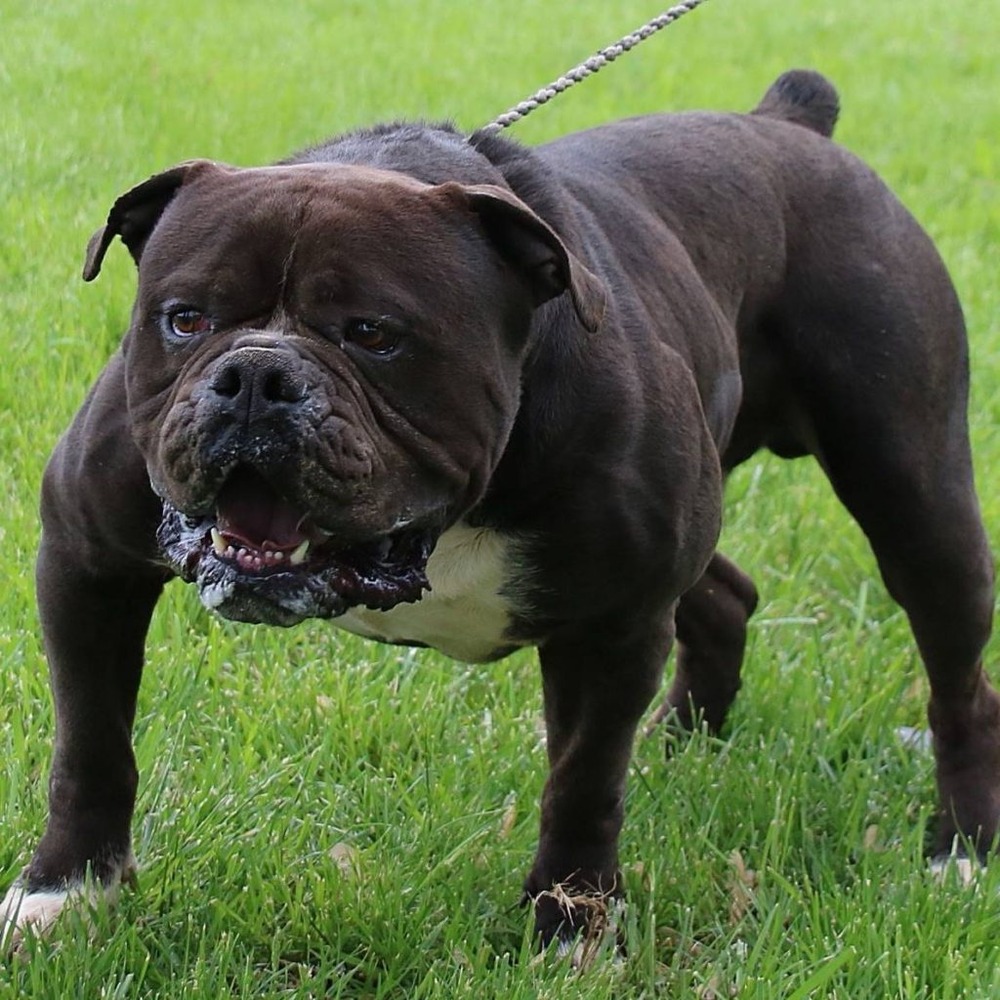
The Olde English Bulldogge, as a modern breeding project, is widely linked to the work of David Leavitt in the United States in the early 1970s. The aim was to produce a dog with a bulldog look and a more functional, athletic body, with a strong focus on health and everyday companionship. 1, 2
It also helps to know that you may see related terms in the wild, particularly “Leavitt Bulldog”. This reflects an attempt to distinguish Leavitt’s original lines and goals from other dogs later sold under the broader “Olde English Bulldogge” name. If you are researching breeders, this naming overlap is one reason paperwork and health records matter more than a single word in an online ad. 3
Physical characteristics that affect daily life
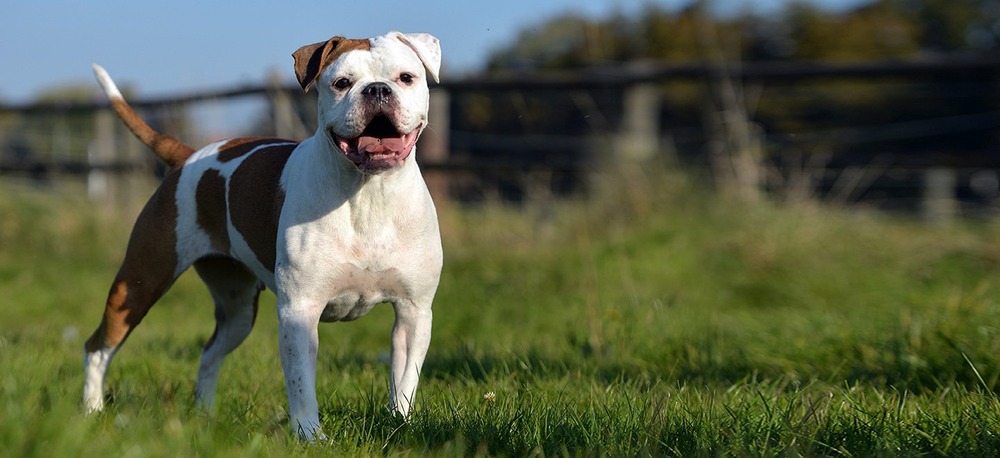
Most people notice the silhouette first. Compared with many modern English Bulldogs, Olde English Bulldogges are typically more leggy and more obviously “sporty” in the way they stand and move. Breed standards describe a muscular, medium-sized dog with balanced proportions and agile movement. 1
Head shape is still distinctly bulldog, but day-to-day function matters more than the outline. A slightly longer muzzle and clear nostrils can make a meaningful difference to comfort on walks and recovery after play, particularly in warmer weather. Even within the same breed label, though, dogs can vary. When meeting a dog, watch for easy breathing at rest, quick recovery after mild exertion, and a willingness to move freely rather than shuffle.
Coats are short and simple, which is easy on grooming time, but not always easy on skin. Short coats can mean you notice dandruff, irritation, or pollen sensitivity sooner. That is not a reason to panic, just a prompt to stay observant and address small issues before they turn into chronic ones.
Temperament and behaviour in real homes
Well-bred, well-raised Olde English Bulldogges are often described as confident, friendly, and alert. In practice, many are people-focused dogs that like being close to the household routine without needing constant entertainment. 1
That said, bulldog types can be physically powerful, and adolescence can be a bit of a shock if you expected a permanently sleepy puppy. The best outcomes tend to come from a steady approach: calm boundaries, short training sessions that stay rewarding, and enough daily movement to keep the dog settled at home. Strength without steadiness is when problems show up, usually on lead and at doors.
With children and other pets, the pattern is familiar to trainers and vets: early social experiences, supervision, and teaching kids how to interact appropriately do more than breed stereotypes ever will. Many individuals do very well in family settings, but it is still wise to choose for temperament, not just looks.
Training and exercise, aiming for steady and sensible
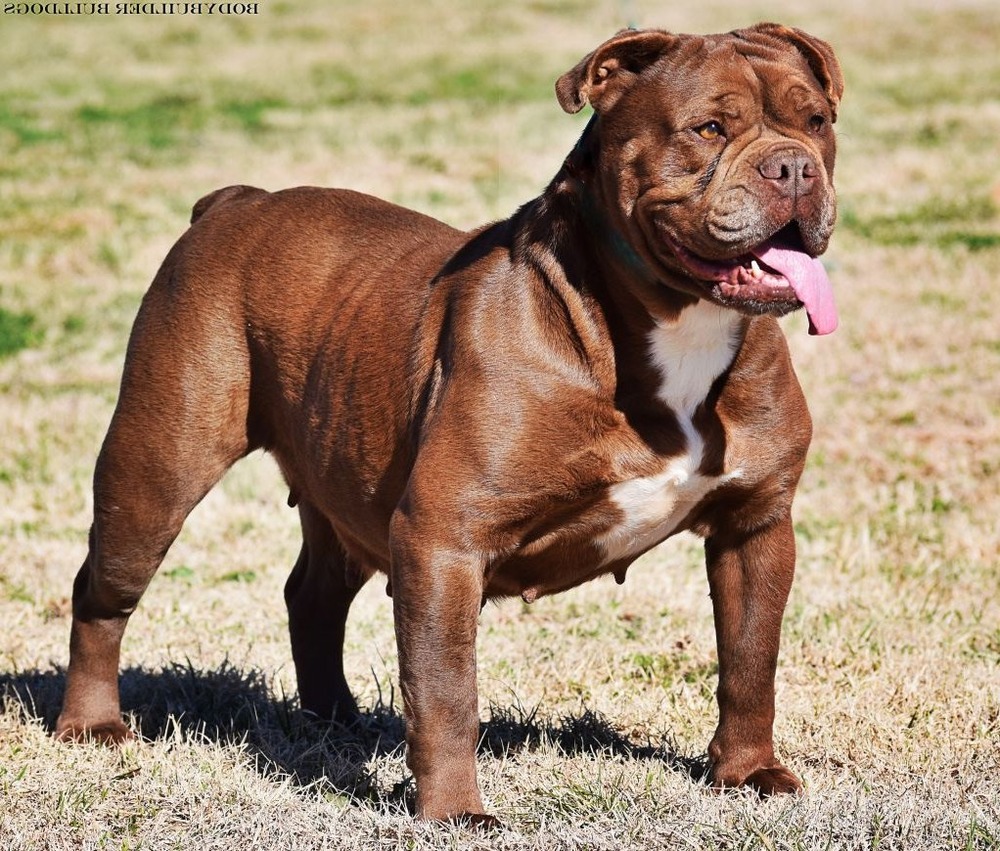
Training usually goes best when it is practical and consistent. Think “real life” skills: settling on a mat, walking on a loose lead, coming when called, and being comfortable with handling. Positive reinforcement approaches help many dogs build reliability without conflict, especially when they are learning impulse control in busy places.
Exercise needs are often described as moderate, but it is more helpful to think in terms of repeatable daily movement. Many do well with two shorter walks, some gentle play, and opportunities to sniff. Fit, sound dogs may enjoy more, but it is smart to build slowly and keep an eye on breathing, heat, and joint comfort.
If you want to add higher intensity activity, choose surfaces that are kind to joints, prioritise warm-ups, and stop before the dog is exhausted. Bulldogs can be enthusiastic right up until the moment they overheat, so the owner has to be the one setting the pace.
Health considerations, especially breathing, joints, skin, and heat
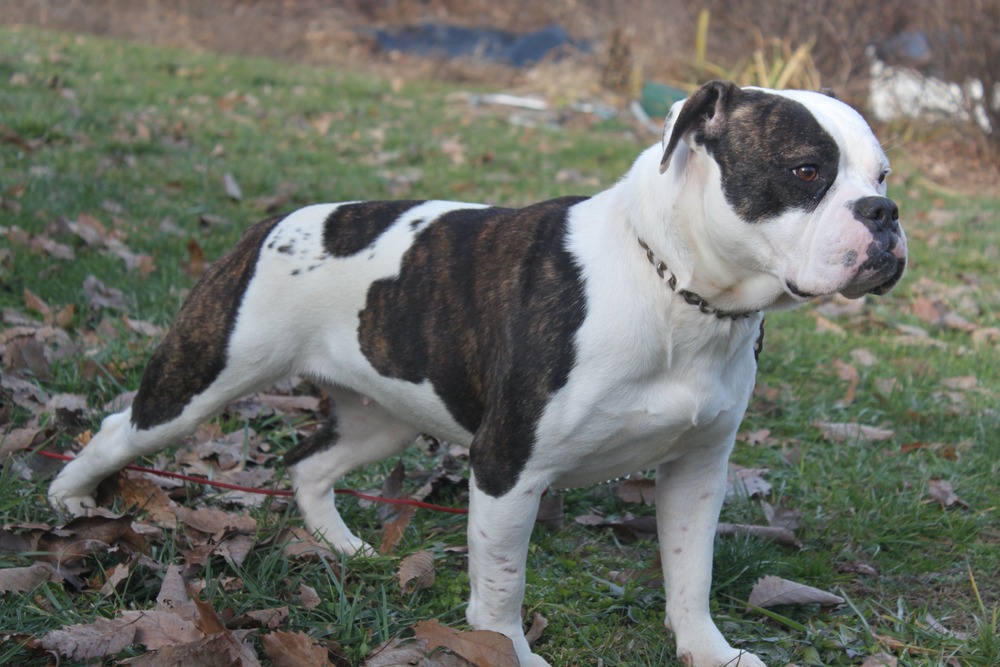
The promise often attached to the breed is “healthier than the modern Bulldog”. That can be true in some lines, but it is not automatic. The same broad categories still matter: airway function, orthopaedics, skin health, and weight management.
Heat is a practical risk for many dogs with shorter noses, heavier bodies, or darker coats. Flat-faced and short-nosed breeds are commonly noted as higher risk for heat illness, so warm days call for earlier walks, shade, water, and rest breaks. Learn the early signs of trouble, including heavy panting, drooling, vomiting, weakness, or collapse, and treat it as urgent. 4, 5, 6
Hip dysplasia is another condition that can appear in medium to large, muscular dogs. It is not something you can “exercise away”, but you can influence comfort and function through keeping the dog lean, building appropriate muscle, and seeking veterinary advice early if you notice stiffness, reluctance to jump, or limping. 7
Breeders may screen in different ways, and that matters. If you are buying a puppy, ask what health testing has been done and what the results mean in plain language. If you already have a dog, focus on what is in front of you: breathing ease, skin stability, sound movement, and a body condition that stays on the lean side of “solid”.
Grooming and maintenance, simple coat but not “no work”
The coat itself is low-maintenance. A weekly brush helps with shedding and brings oils through the coat. Most owners find a soft brush or grooming mitt is plenty.
The higher value habit is checking: skin folds (if your dog has them), ears, paws, and the spaces between toes. Bulldogs can be prone to irritation where skin rubs or stays damp. A quick look during your normal cuddle time helps you spot redness or odour early, when it is easiest to manage. Small checks, done often, beat occasional big grooming sessions.
Nails matter as well. Long nails can change gait over time, which is not ideal for a dog whose joints already do a lot of work carrying a muscular body.
Diet and nutrition, keeping the dog lean and comfortable
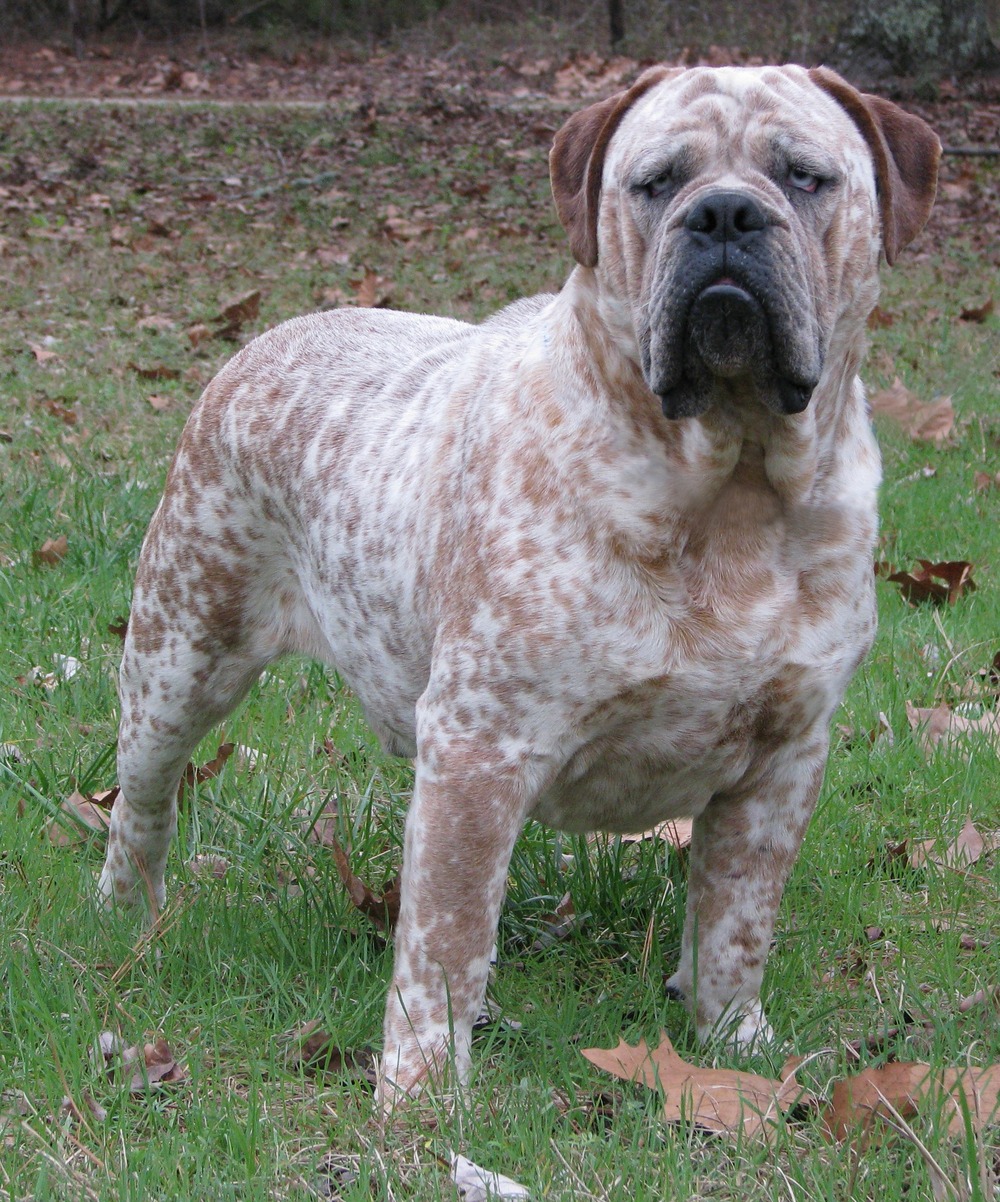
With bulldog types, nutrition is rarely about finding a “special bulldog food” and more about getting the basics right: a complete and balanced diet, appropriate portions, and a body condition that stays visibly healthy. If you are choosing a commercial diet, it helps to follow veterinary nutrition guidance on how to assess pet foods and company quality control. 8
Portion control matters because extra weight can worsen breathing effort, joint strain, and heat tolerance. Treats are fine, but they add up quickly, particularly with a dog that has mastered the bulldog stare. If weight is creeping up, the kindest change is usually the simplest: measure meals, reduce extras, and add a little more low-intensity movement.
If your dog has recurring skin or ear issues, talk with your vet before switching foods repeatedly. Food allergies exist, but so do environmental allergies, parasites, and skin infections, and guessing can delay the right solution.
Final thoughts on living with an Olde English Bulldogge
Olde English Bulldogges appeal to people who love the bulldog look but want a dog that can move more freely and join in with everyday life. At their best, they are steady companions with an affectionate, grounded presence.
The most important thing is not the label. It is the individual dog in front of you, its structure, breathing, skin, and temperament, and the choices you make together every week: sensible exercise, thoughtful training, staying lean, and taking heat seriously. If those pieces fit your household, this breed type can be a rewarding one to share your days with.
References
- United Kennel Club (UKC), Olde English Bulldogge breed standard
- Olde English Bulldogge Kennel Club (OEBKC), breed standard and background
- Leavitt Bulldog Association, mission and history overview
- American Veterinary Medical Association (AVMA), preventing dogs from overheating
- RSPCA Australia, keeping your pet safe during heat
- Agriculture Victoria, heat and pets guidance
- American College of Veterinary Surgeons (ACVS), canine hip dysplasia overview
- WSAVA, Global Nutrition Guidelines for selecting pet foods