

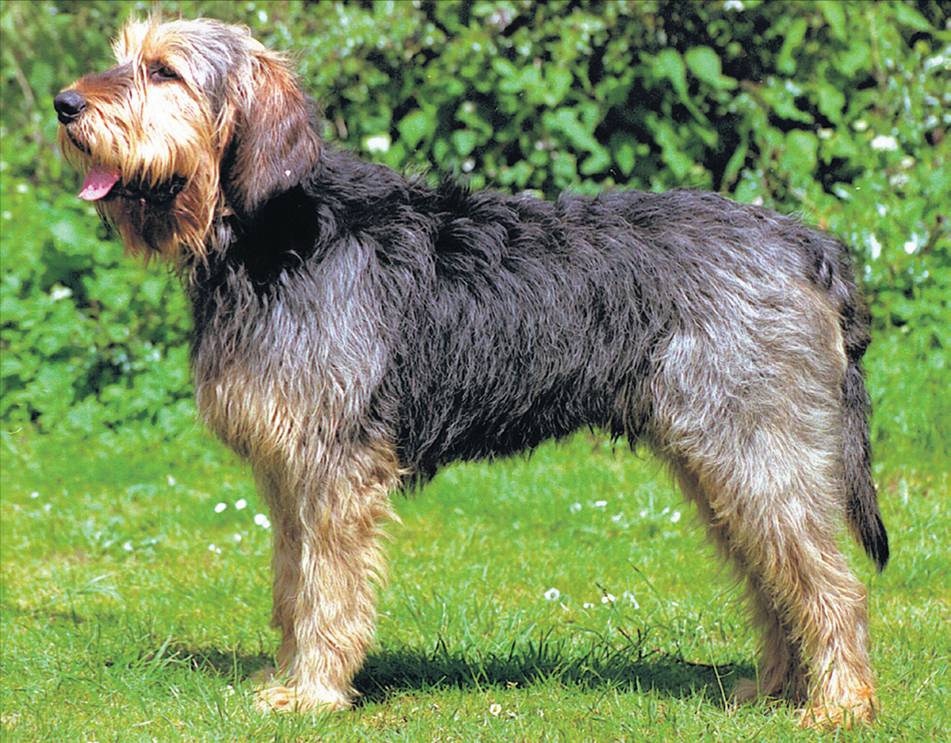
People usually start reading about Otterhounds after noticing something that does not quite match their idea of a “hound”. Maybe it is the shaggy, outdoorsy coat, the big feet that seem built for mud and water, or the way they can look both dignified and slightly dishevelled at the same time.
It is also common to assume that a large scent hound will either be intensely driven or easily overwhelmed by family life. With an Otterhound, the reality sits in the middle: capable and determined outdoors, then often fairly relaxed at home, provided their needs are met.
What matters in practice is fit. This is a rare breed with a very particular build and history. If you are drawn to the look and the legend, it helps to understand what that working background still means for training, exercise, grooming, and everyday management.
- Breed category: Hound group
- Country of origin: United Kingdom
- Average height: Males about 69 cm, females about 61 cm
- Average weight: Often around 36 to 52 kg (varies by individual)
- Typical lifespan: Around 10 to 13 years
- Coat: Dense, rough, water-resistant double coat
- Exercise needs: High, usually more than a quick stroll
- Temperament: Generally amiable, even-tempered, independent
- Notable traits: Large feet with webbing, strong scenting ability, love of water
History and origin
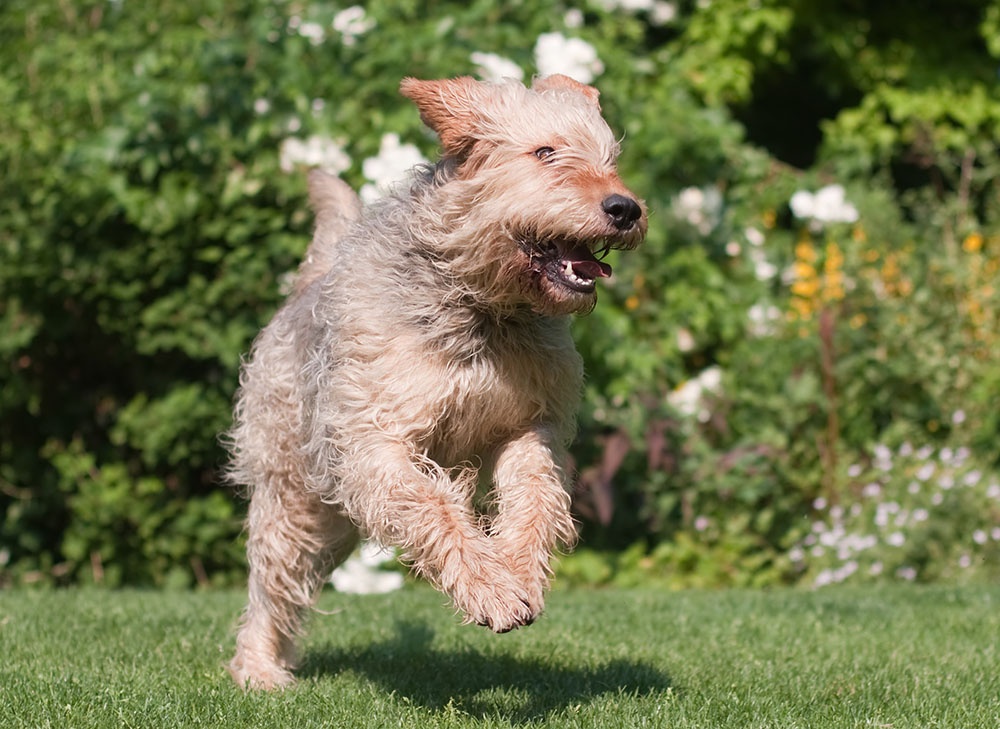
The Otterhound is an old British scent hound developed for long days of work that could involve both land and water. That background explains much of what you see today: the harsh, water-resistant coat, the big feet, and the stamina to keep going when other dogs start to fade.1, 2
Historically, otter hunting was part of rural life and was justified at the time as protecting fish stocks. When otter hunting was banned in Great Britain in 1978, the breed’s working role largely disappeared, and numbers dropped sharply. That shift still shapes the Otterhound’s story now, including why the breed is considered vulnerable in the UK.2, 3
Today, most Otterhounds are companions. Their instincts have not vanished, though. Many still show strong scent interest, a willingness to roam if given the chance, and a real enjoyment of water.
Physical characteristics
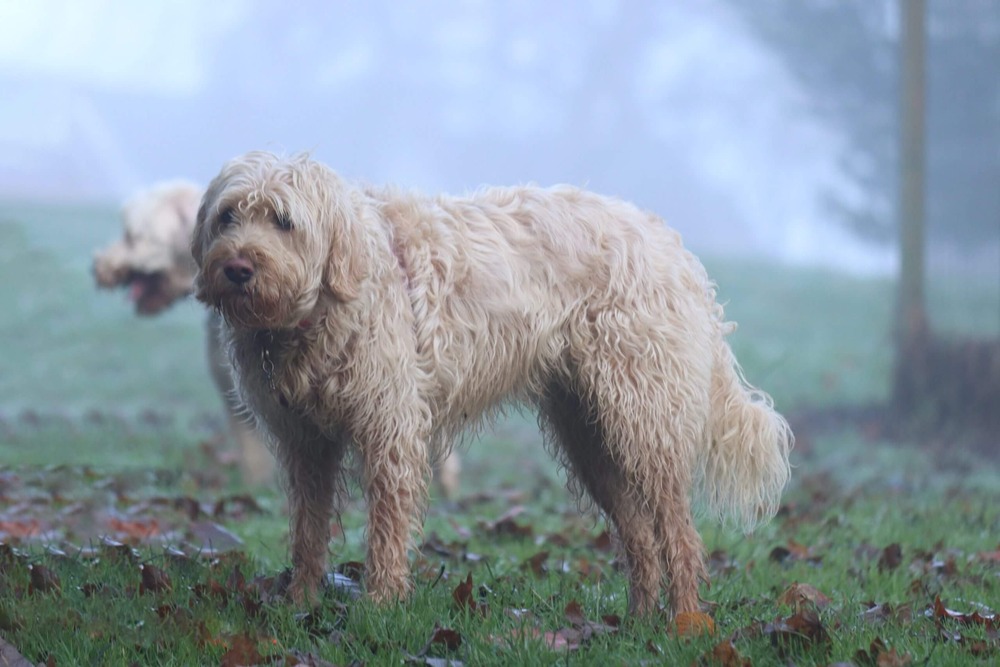
Otterhounds are large, rough-coated hounds with a distinctly “working” outline. Breed descriptions consistently highlight a rough double coat and large feet as essential features, not decorative ones. Their feet are not just big, webbing should be visible, reflecting their original job around rivers and streams.1
The coat is typically harsh and water-resistant, with an undercoat. Many owners notice the coat can feel a little oily. That is normal for a dog bred to work in wet conditions, but it does mean grooming and bathing choices need to be sensible rather than cosmetic.
Those long, pendulous ears are part of the classic hound picture. They are also one reason to be mindful after swims or baths, because damp, folded ears can create the kind of environment where ear troubles become more likely in some dogs.
Temperament and behaviour in daily life
Most breed profiles describe the Otterhound as amiable and even-tempered. In real households, this often looks like a dog that is friendly with familiar people, enthusiastic when there is something interesting happening, and content to do their own thing when the day is quiet.1
It helps to think of them as scent-led dogs first. They can be responsive and affectionate, but scent can easily become the priority outdoors. A reliable recall is possible, but it usually takes patient training and a management mindset, especially in unfenced areas.
With children and other animals, outcomes are most predictable when everyone has structure. A large, boisterous hound can accidentally bowl over a small child, not out of malice, but out of momentum. If you are bringing an Otterhound into a family setting, calm supervision and good routines matter more than any single “temperament” label.
Training and exercise needs
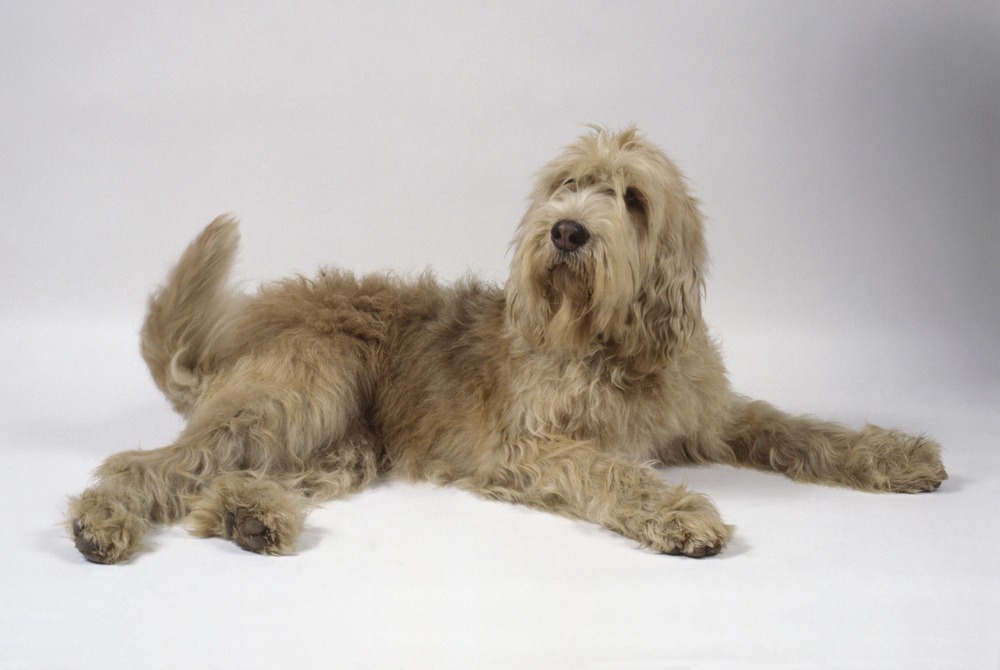
Otterhounds tend to do best with training that respects how they think. Short, consistent sessions and reward-based work usually go further than drilling. Many will happily learn, then just as happily ask, in their own way, whether the request is worth doing right now.
Because they were bred for stamina, exercise needs are not optional. The Kennel Club’s breed information suggests more than two hours a day, which often surprises people who assumed a shaggy hound would be a low-key companion.3
Good daily outlets often include:
- long walks with time to sniff
- scent games in the yard or on lead
- swims in safe, permitted areas (with sensible post-swim checks)
- tracking-style activities that use their nose and brain
If you cannot provide space and time most days, it does not mean you are a “bad owner”. It simply means this may not be the right breed match.
Health and lifespan
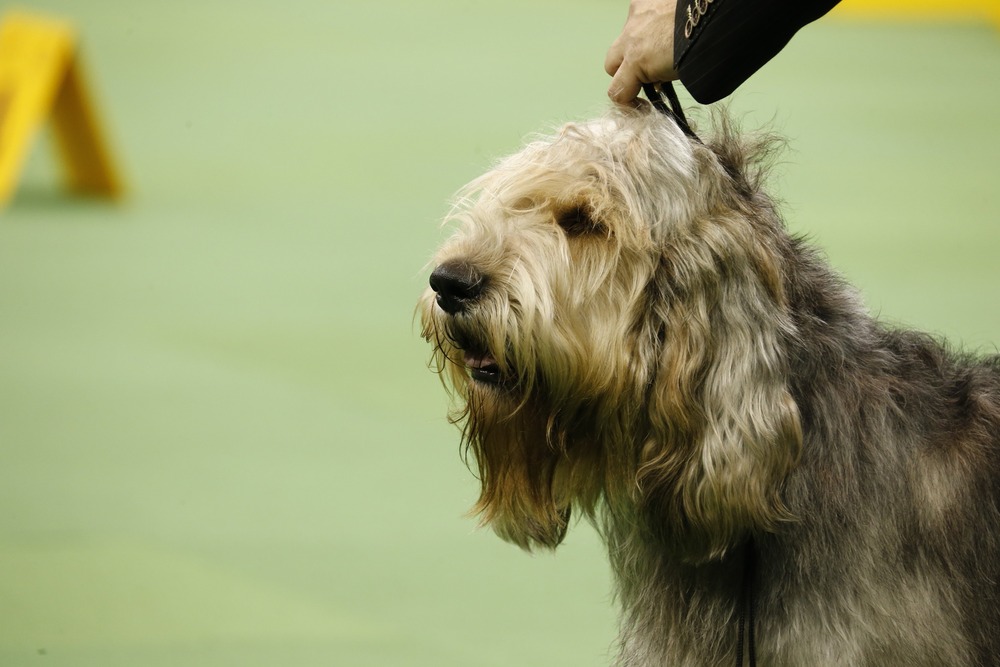
Otterhounds are generally described as having a lifespan around 10 to 13 years, which is typical for a large breed.5
Two health topics come up often in large, deep-chested dogs: orthopaedic issues such as hip dysplasia, and gastric dilatation-volvulus (GDV), commonly called bloat. GDV is a true emergency, and it is worth knowing the early signs for any at-risk dog, including repeated unproductive retching, a distended abdomen, restlessness, and rapid deterioration.5, 6
Prevention is not foolproof, but there are practical steps that may help reduce risk, such as feeding multiple smaller meals and avoiding hard exercise around meal times. For some dogs, vets may also discuss prophylactic gastropexy, particularly if there is a family history or other risk factors.6
Grooming and maintenance
The Otterhound coat is meant to look natural, not sculpted. Regular brushing helps prevent knots and mats, especially around friction points like the ears, legs, and belly. Expect more than a quick once-over if your dog enjoys water, bushy tracks, or rolling in the garden.
Bathing is sometimes necessary, but over-bathing can strip oils and irritate skin. When you do bathe, use a dog-appropriate shampoo, rinse thoroughly through the undercoat, and dry properly, particularly in cool weather.7
Ear care is another area where “doing more” is not always better. RSPCA guidance notes that if a dog has no signs of ear problems, it is often best to leave ears alone. For dogs with long, droopy ears, monitoring for changes and following your vet’s advice is the safer approach than routine cleaning for its own sake.7
Diet and keeping a healthy weight
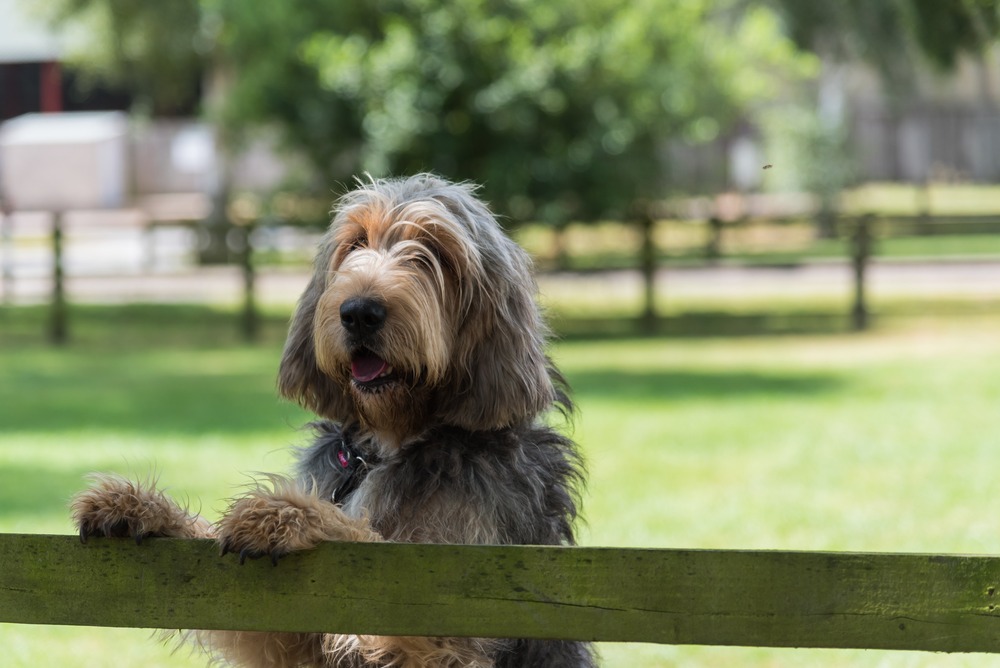
For a big, active dog, food can become a quiet problem in either direction: some Otterhounds stay lean with ease, while others gain weight surprisingly fast when exercise drops. The most helpful habit is to treat feeding as something you review over time, not something you “set and forget”.
The WSAVA Global Nutrition Guidelines emphasise the value of an individual nutrition plan, including regular body condition checks and adjusting intake based on lifestyle, age, and health status.8
If your Otterhound eats quickly, consider strategies that slow intake, such as puzzle feeders or scatter feeding, and talk with your vet if you are concerned about bloat risk in your individual dog.6
Living with an Otterhound: what tends to surprise people
There are a few practical realities that catch new owners off guard, even those experienced with dogs.
- They take up space, not just on the couch, but in doorways, car boots, and everyday movement.
- The coat can hold smells, especially after swims, muddy outings, or long wet winters.
- Scent can override “good manners” outdoors, which is why secure fencing and lead skills matter.
- They are rare, which can make finding breed-experienced support, grooming help, or even accurate local advice a bit slower.
On the other hand, many people fall hard for the combination of ruggedness and gentleness. The Otterhound can be a deeply satisfying companion for someone who enjoys the outdoors and does not mind a bit of mess as part of the relationship.
Final thoughts
The Otterhound is not a “generic hound in a shaggy coat”. It is a specialist dog shaped by water work, scent work, and long days alongside people who needed endurance more than polish. If you like that honest practicality, you will probably enjoy living with one.
If you are considering the breed, it is worth seeking out reputable breed clubs and experienced owners. With a rare dog, the best guidance is often specific, calm, and unglamorous, which is exactly what helps you make the right match for your home.3, 4
References
- The Kennel Club: Otterhound breed standard
- Encyclopaedia Britannica: Otterhound
- The Kennel Club: Otterhound (breed information)
- The Otterhound Club (UK): Promoting, protecting and preserving the breed
- WebMD: Otterhounds, what to know
- Cornell University College of Veterinary Medicine: GDV (bloat) in dogs
- RSPCA Pet Insurance Australia: Guide to dog cleaning and grooming
- WSAVA: Global Nutrition Guidelines