

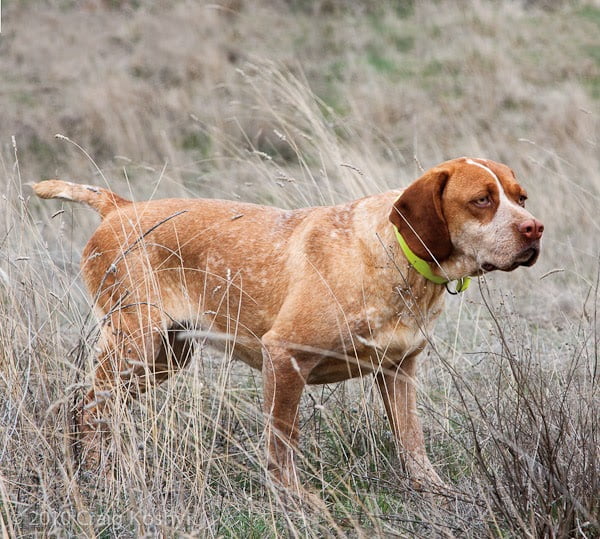
- Breed category: Sporting (gun dog type)
- Country of origin: Spain (Navarre)
- Typical height: About 48 to 60 cm at the shoulder (varies by sex and line)1
- Typical weight: About 20 to 30 kg1
- Life expectancy: Often around 12 to 14 years (individuals vary)
- Coat: Short, usually dense
- Shedding: Moderate
- Exercise needs: High, daily physical exercise plus sniffing and training
- Temperament: Often described as steady, biddable, people-oriented when well socialised
- Notable trait: A split (bifid) nose occurs in some dogs, but not all1, 4
- Kennel club status: Recognised in Spain, not recognised by the FCI1
People usually stumble across the Pachon Navarro after spotting a photo of a dog with a split nose, or hearing a hunter mention an old Spanish pointer type that nearly disappeared. It is the sort of breed that feels half familiar and half puzzling, like you have seen the outline before, but the details do not quite match the dogs you meet at the local park.
It is tempting to reduce the Pachon Navarro to a novelty feature. In reality, it is better understood as a practical, athletic gundog shaped by a long hunting tradition in northern Spain. The nose can be part of that story, but the day-to-day experience of living with one is more about movement, training, scent work, and the calm steadiness you tend to see in well-bred, well-managed pointing dogs.
For Australian households considering a rarer sporting breed, the questions are rarely romantic. Can this dog settle when the day is quiet, and can we meet its needs when the day is busy? The answers sit in the details of temperament, exercise, and sensible care.
History and origin
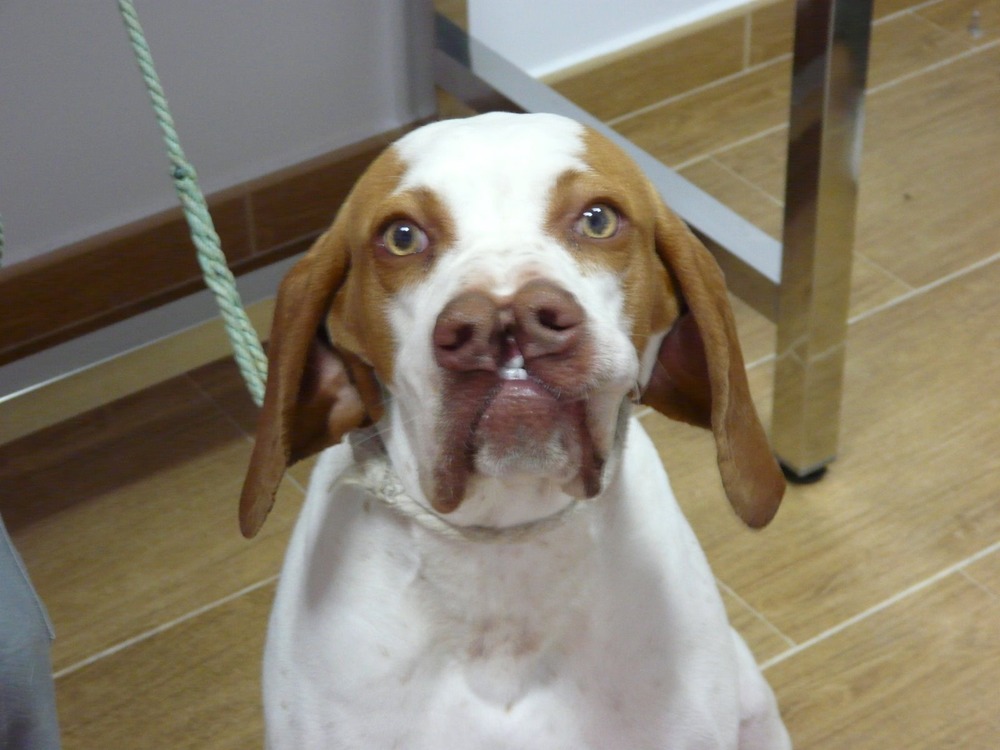
The Pachon Navarro is a Spanish hunting dog associated with Navarre, in northern Spain.1 Sources describing the breed commonly place it among the older pointer types of the Iberian Peninsula, with historical references and depictions stretching back centuries, even if the modern breed population is the result of more recent recovery work.1
One important part of its modern story is that the breed was thought to be extinct by the 1970s, then actively recovered from surviving examples from 1979 onwards, with breed clubs and formal standards following later.1 That matters because “rare” does not just mean hard to find. It often means fewer lines to choose from, more variation between individuals, and a stronger need for thoughtful breeding decisions.
In Spain, the Pachon Navarro is recognised as a native breed, and it was included in the Spanish government list of dog breeds in 2010 via an official order published in the Boletin Oficial del Estado.2 Internationally, it is not recognised by the FCI, which is why you may not see it in the same places you would see other established gundog breeds.1
Physical characteristics
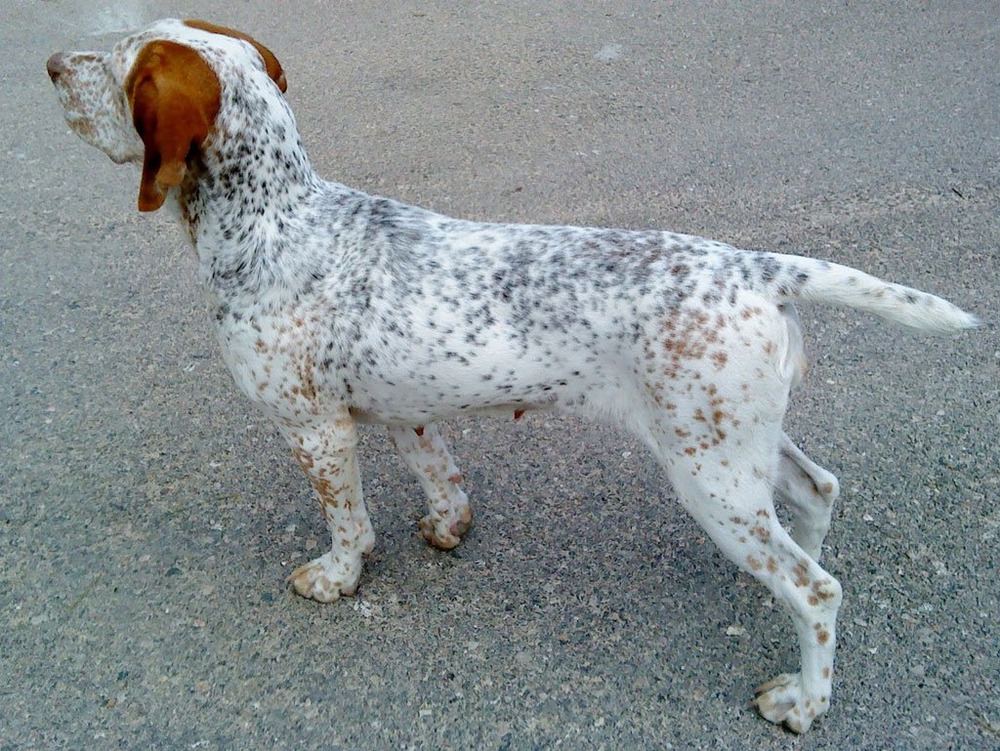
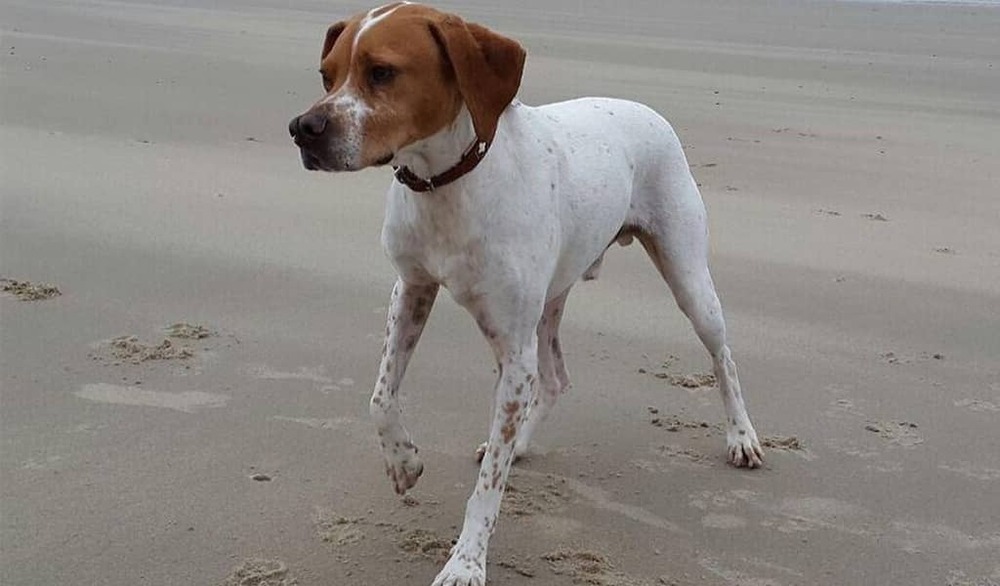
The Pachon Navarro is generally medium-sized and athletic, built for covering ground rather than for bulk. Typical heights are often given in the high 40s to around 60 cm at the shoulder, with weights commonly around 20 to 30 kg, depending on sex and build.1
Coats are usually short, and colour patterns can be quite variable. Many dogs are white with patches, ticking, or speckling in darker colours, which is common across pointing breeds selected for field visibility as well as function.1
The split nose: what it is, and what it is not
The “double nose” is best described as a split (bifid) nose that appears in some individuals, and it is not universal within the breed.1 It is frequently said to improve scenting, but the evidence for a consistent performance advantage is limited, and many excellent scenting dogs have perfectly typical noses. A thoughtful way to hold it is this: it is a notable trait, not a reliable measure of working ability.
Temperament and behaviour
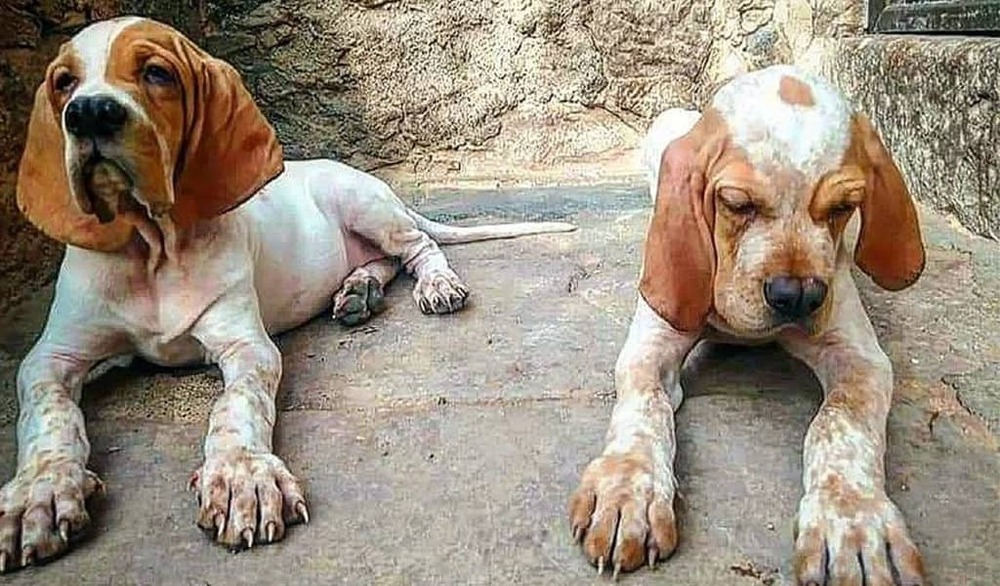
Pointing breeds are often valued for a particular combination: energy in the field, and steadiness when handled well. The Pachon Navarro is commonly described as intelligent and responsive, which can make training feel rewarding when you are consistent and fair, and tiring when life is chaotic.
In family settings, what matters most is not whether a breed is labelled “friendly”, but whether its daily needs fit your household rhythm. A Pachon Navarro that gets enough exercise, enough sniffing time, and enough calm structure is more likely to be settled at home. Without those outlets, the same dog may pace, whine, or become creatively destructive in the way active dogs sometimes do.
With children and other animals, early socialisation and supervision matter more than any one-line temperament promise. Many gundogs do well with respectful kids, but their size and enthusiasm can be a bit much for toddlers. With other pets, the hunting background is worth remembering, particularly around small animals, where management and training should be taken seriously.
Training and exercise needs
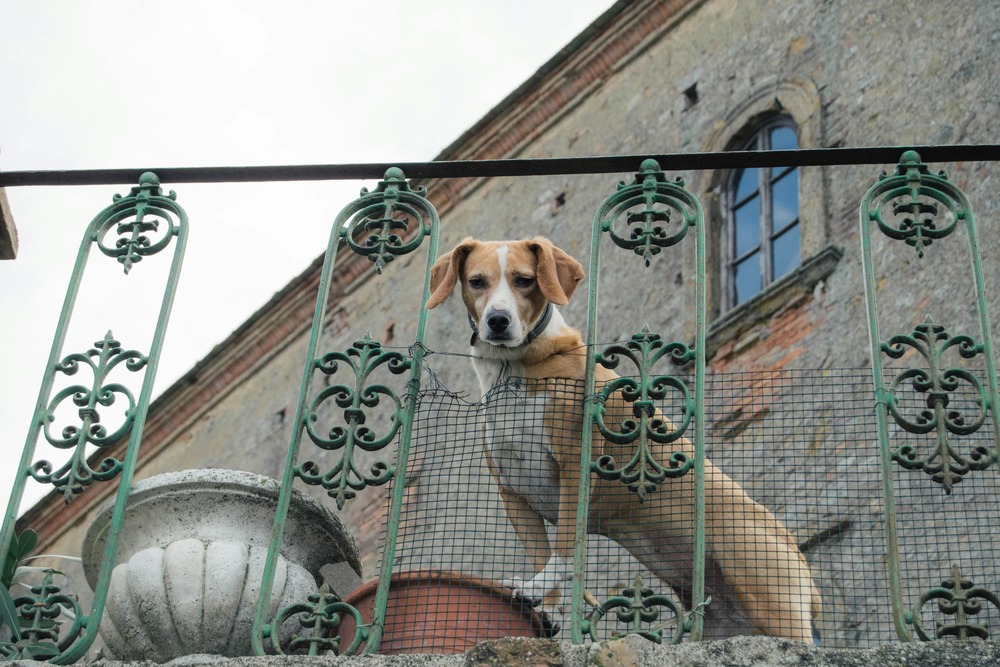
If you enjoy training, this is the sort of dog that tends to meet you halfway. If you do not, it is worth being honest about that before you bring one home. The Pachon Navarro is typically at its best with regular, low-drama training that builds habits, not just tricks.
Positive reinforcement methods suit most gundogs well, especially when you lean into what they are already good at: searching, following scent, bringing things back, and working alongside a person. Short sessions, repeated often, are usually more effective than occasional long drills.
For exercise, think beyond a single walk. Many sporting dogs need a mix of:
- steady aerobic work (brisk walks, jogging, hiking, swimming where safe)
- scent-led time (sniff walks, scatter feeding, simple tracking games)
- brain work (recall practice, place training, retrieve games with rules)
That combination tends to produce the dog people hope for: present, responsive, and able to settle.
Health and lifespan
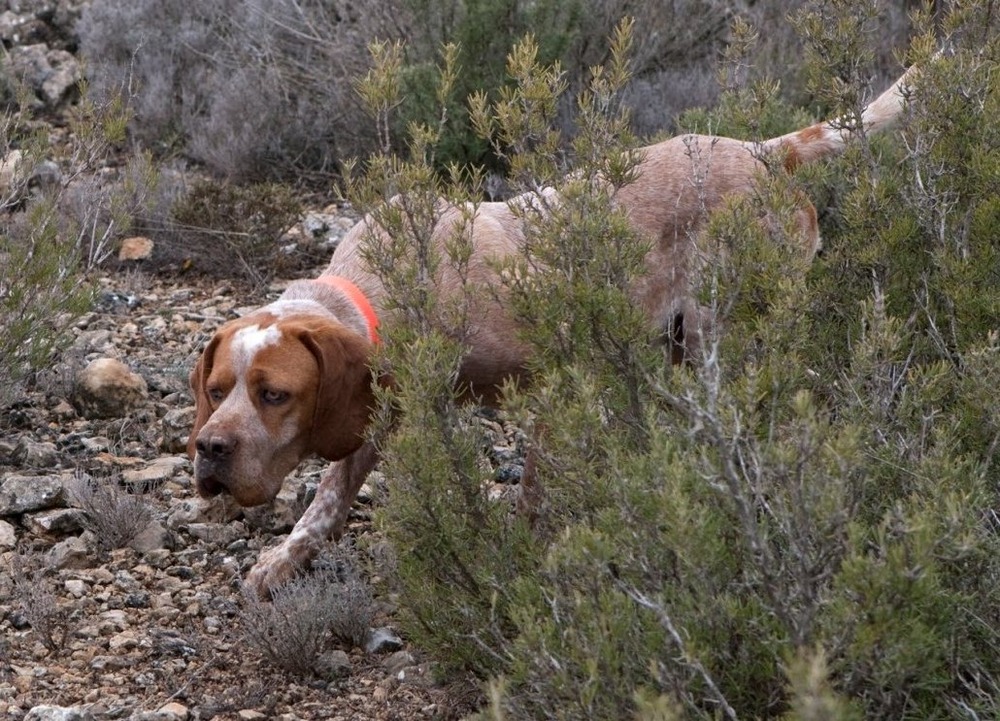
Most of the health conversations for a medium, athletic gundog are familiar ones. Joint health matters, particularly hips, and general conditioning and body weight make a real difference over time. Ear health is also worth attention because drop ears can reduce airflow and trap moisture, which can contribute to otitis externa in some dogs.5, 6
The most practical approach is not to assume problems, but to plan for sensible prevention. Keep your dog lean, build fitness gradually, and ask your vet what screening makes sense for your individual dog and its line. If your dog shows signs of ear irritation, head shaking, odour, redness, or discharge, it is worth getting a veterinary check promptly rather than experimenting with home remedies.5, 6
Preventative care that actually helps
- Maintain a healthy body condition and avoid creeping weight gain.
- Build exercise volume gradually, especially in young dogs.
- Check ears weekly, and after swimming or heavy rain, dry the ear flap area and speak with your vet about safe cleaning if your dog is prone to infections.5
- Keep up with parasite control appropriate to your region and lifestyle.
- Schedule routine vet visits so small issues are picked up early.
Grooming and maintenance
A short coat makes grooming straightforward, but not optional. Occasional brushing helps lift dead hair, keeps skin oils moving, and gives you a chance to notice ticks, grass seeds, small wounds, or skin irritation before they turn into bigger problems.
Seasonal shedding is usually manageable with a rubber grooming mitt or a soft brush. Bathing can be occasional, as needed. The more important routine for many active dogs is the “field check” after outings: paws, ears, armpits, and between toes.
Ear care deserves special mention, not because every dog will have trouble, but because it is easy to do the wrong thing. Avoid putting cotton buds into the ear canal, and ask your vet to demonstrate safe cleaning if it is needed for your dog.5
Diet and nutrition
With active breeds, food is not only fuel. It is also one of the main levers you have for maintaining healthy weight, supporting joints, and keeping energy steady. The most useful habit is to monitor body condition over time, and adjust portions based on what you see in your dog, not only what is printed on the bag.7
Choose a complete and balanced diet suitable for your dog’s life stage and activity level. If you are comparing brands, it can help to look for evidence of nutritional expertise and quality control, rather than relying on ingredient-list marketing alone.7
If you use treats for training, account for them. Small, frequent rewards are effective, but they add up quickly in a medium dog. A simple rule is to keep treats modest and use part of the daily ration for training where you can.
Living with a Pachon Navarro
The Pachon Navarro tends to suit people who like doing things with their dog, not just owning one. That can be hunting, of course, but it can also be scent work, tracking games, retrieving, and long walks where the dog is allowed to use its nose and move its body.
Housing matters less than routine. An apartment can work for some sporting dogs if the owner is genuinely consistent and has access to good outdoor time. In practice, though, a Pachon Navarro will usually be easier to live with if it has space to stretch out, a predictable schedule, and a household that enjoys daily exercise.
If you are drawn to the breed because of the split nose, it is worth widening the lens. Look for sound temperament, stable nerves, and a breeder who can talk plainly about the dogs they produce, including the ones that are too much dog for some homes.
Final thoughts
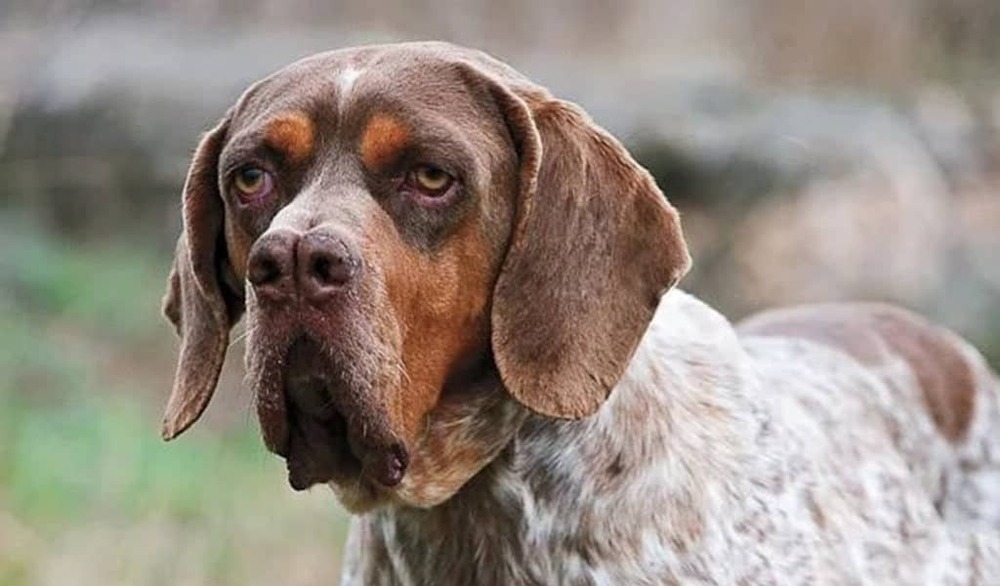
The Pachon Navarro is easiest to appreciate when you stop treating it like a curiosity and start seeing it as a working gundog with a distinctive history. For the right home, it can be a steady companion that thrives on movement, scent work, and calm, consistent training.
If you are considering one, the most practical question is simple: can you provide a life with enough doing that the dog can also enjoy enough being? That balance is where sporting breeds tend to shine.
References
- Pachón Navarro (overview, standards links, and history summary)
- Agencia Estatal Boletín Oficial del Estado (Spain): Orden ARM/573/2010 (includes Pachón Navarro)
- Real Sociedad Canina de España (RSCE): Pachon Navarro breed standard (PDF)
- BBC News Magazine: Double-nosed dog not to be sniffed at
- The Kennel Club (UK): Otitis externa in dogs
- Merck Veterinary Manual: Otitis externa in animals
- WSAVA: Global Nutrition Guidelines
- Pachón navarro (Spanish language overview)