

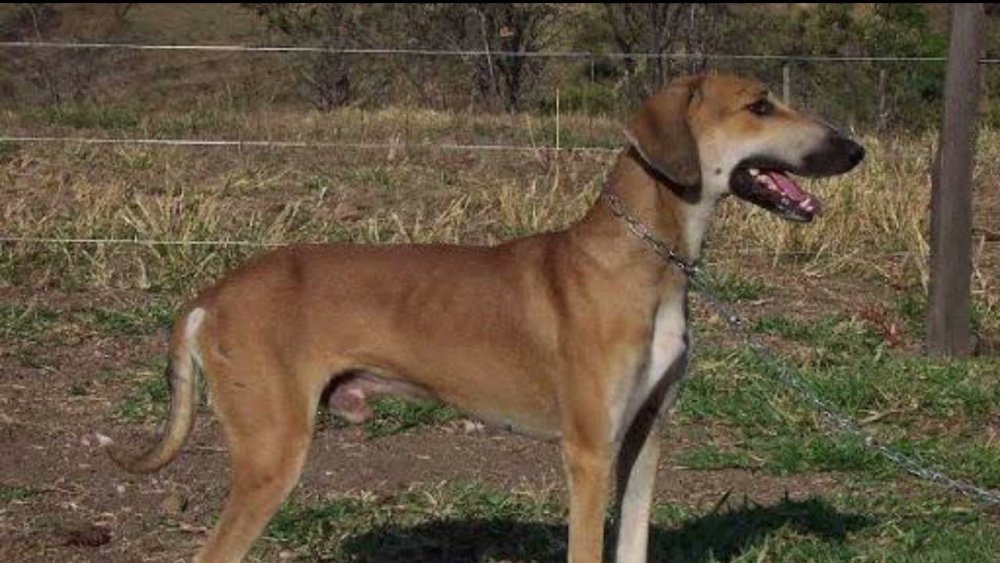
You might come across the name “Pampas Deerhound” after seeing a lean, long-legged hunting dog in a video from South America, or hearing someone mention a “pampeano” sighthound in passing. The descriptions often sound familiar, fast, quiet, built for open country, but the details can be oddly inconsistent.
That is partly because the Pampas Deerhound is not widely recognised in the way many popular breeds are, and information online is often a blend of local names, regional types, and modern kennel club standards. If you are trying to work out what this dog actually is, what it was bred for, and what that means for life as a companion, it helps to start with the landscape that shaped it: big skies, open ground, and work that rewards endurance as much as speed.
In practice, understanding a Pampas Deerhound is less about memorising a list of traits and more about recognising a pattern. This is a dog built to move, to watch, and to make quick decisions. Those strengths can translate beautifully into family life when the environment and expectations match.
Quick snapshot: what people mean by “Pampas Deerhound”
The term “Pampas Deerhound” is commonly used in English for the Veadeiro Pampeano, a hunting dog associated with the pampas region of southern South America. Modern sources most often describe it as a Brazilian breed that is also found in Argentina and Uruguay, and historically used to hunt pampas deer and other game.1, 2
- Type: hunting dog associated with open-country work (often described as a sighthound-like coursing dog)
- Region: pampas grasslands (Brazil, and also parts of Argentina and Uruguay)1, 2
- Everyday reality: a high-mobility dog that usually does best with space, routine exercise, and calm, consistent handling
Worth noting: some online breed profiles list coat colours, size ranges, and “official” facts that do not agree with each other. Treat exact measurements as a guide only unless you are working directly from a recognised breed standard.1
The Pampas Deerhound’s origins and working role
Most descriptions trace the Pampas Deerhound to rural hunting traditions in the pampas. In open country, dogs that can spot movement at a distance, accelerate quickly, and keep going over ground are genuinely useful, not just impressive to watch. Over time, that selects for a particular kind of body and mind, light, athletic, and responsive to the environment.1
Accounts of the breed’s development also emphasise that its history is not perfectly documented. There are competing hypotheses about ancestry and how the type became established, which is common for landrace and working strains that were shaped by function first and paperwork later.1
Whatever the precise lineage, the practical takeaway is consistent: this is a dog designed for pursuit and stamina. That heritage tends to show up today as high drive outdoors and a preference for purposeful movement rather than pottering around the backyard.
Temperament: what “gentle” can look like in a hunting dog
It is common to see Pampas Deerhounds described as loyal, gentle, and alert. Those words can be true, but they need context. A dog can be calm in the house and still be intensely focused on movement outside. The shift can feel sudden if you are not expecting it.
In many sighthound-adjacent breeds, “gentle” often means they are not constantly demanding attention. They may enjoy companionship without being clingy, and they can be surprisingly restful after a proper run. But they usually do best when the household understands two things: prey drive is not disobedience, and arousal can rise quickly when something triggers the chase.
With visitors and unfamiliar dogs, an alert, watchful style can read as reserved rather than friendly. That is not automatically a problem. It just means early, thoughtful socialisation matters if you want a dog that can move through the world with ease.
Family life and other pets
Many people are drawn to this type of dog because they imagine an athletic companion that is also quiet and easy indoors. That can be a fair hope, as long as the dog’s exercise and enrichment needs are met. Most behaviour problems in active breeds are not “naughtiness”, they are the predictable result of too little movement, too little mental engagement, or too many opportunities to rehearse unwanted chasing.
With children, supervision matters, not because the dog is inherently unsafe, but because fast dogs can collide with small bodies, and children can accidentally encourage over-arousal during play. If you are aiming for a good match, think in terms of calm routines and structured play, rather than constant excitement.
With cats, pocket pets, and poultry, management is often the deciding factor. Some individuals can live peacefully with other animals, especially if raised with them, but it is wise to assume a chase response may exist and plan your home set-up accordingly. Secure fencing and sensible separation when you cannot supervise go a long way.
Training and exercise that fits an open-country dog
Training tends to go best when it respects what the dog is. Reward-based methods help you build reliable behaviour without unnecessary conflict, and they are widely recommended by animal welfare organisations for everyday pet dogs.3, 4
For an active hunting breed, the most valuable skills are often the least glamorous ones:
- Recall foundations (built gradually, on long lines, with high-value rewards)
- Loose-lead walking that does not become a constant battle
- Settle and switch-off cues so the dog can rest when nothing is happening
Exercise is not only about distance. Many dogs benefit from a mix of free running in safe, secure areas, brisk lead walks, and enrichment that lets them sniff, explore, and problem-solve. Enrichment and varied activity can reduce boredom and help prevent unwanted behaviours that come from frustration or under-stimulation.5, 4
If you have a deep-chested, athletic dog, also be mindful of timing around meals. Some veterinary sources advise limiting vigorous activity after eating as part of a broader approach to reducing the risk of gastric dilatation-volvulus (bloat).6, 7
Health considerations, and what good prevention looks like
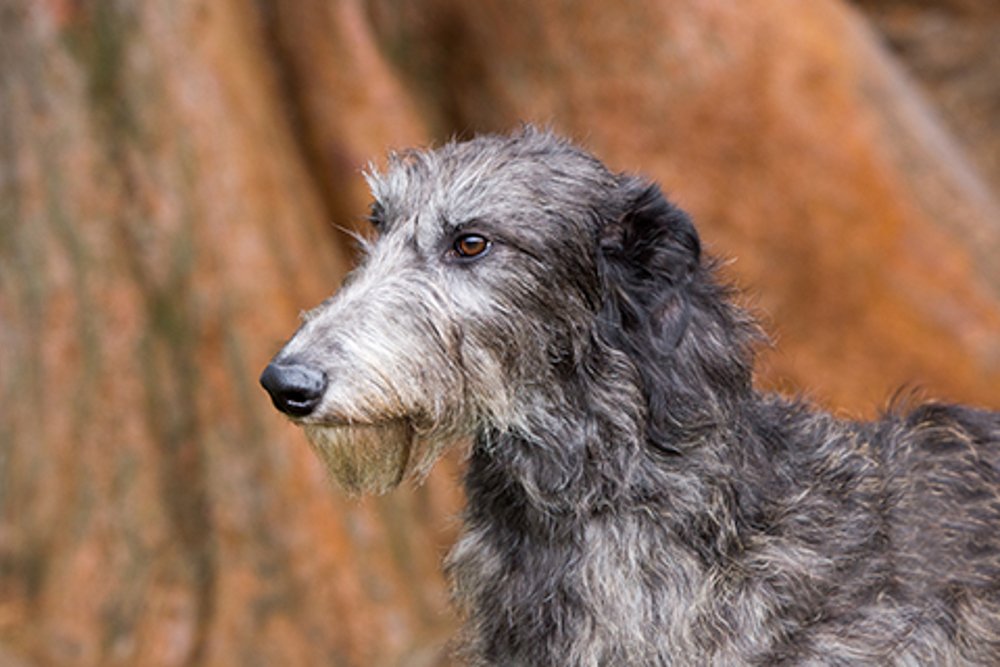
Because the Pampas Deerhound is not universally recognised across kennel clubs, there is limited breed-wide health data in the way there is for popular registered breeds. Still, the issues that come up in many medium-to-large athletic dogs are relevant here too: joint health, maintaining a lean body condition, and keeping exercise appropriate to the individual dog.
Hip dysplasia is frequently mentioned in general breed write-ups. Regardless of breed label, the practical point is that hip health can be assessed and managed. Screening schemes and radiographic evaluation frameworks exist, and conservative management often centres on weight control and sensible exercise if joint disease is present.8
For day-to-day care, the basics matter more than most people think: routine veterinary checks, parasite prevention appropriate to your area, dental care, and keeping your dog fit rather than heavy. If you are choosing a puppy, ask what health testing and veterinary screening has been done, and be wary of anyone who cannot explain their approach clearly.
Coat care, cold weather, and simple grooming
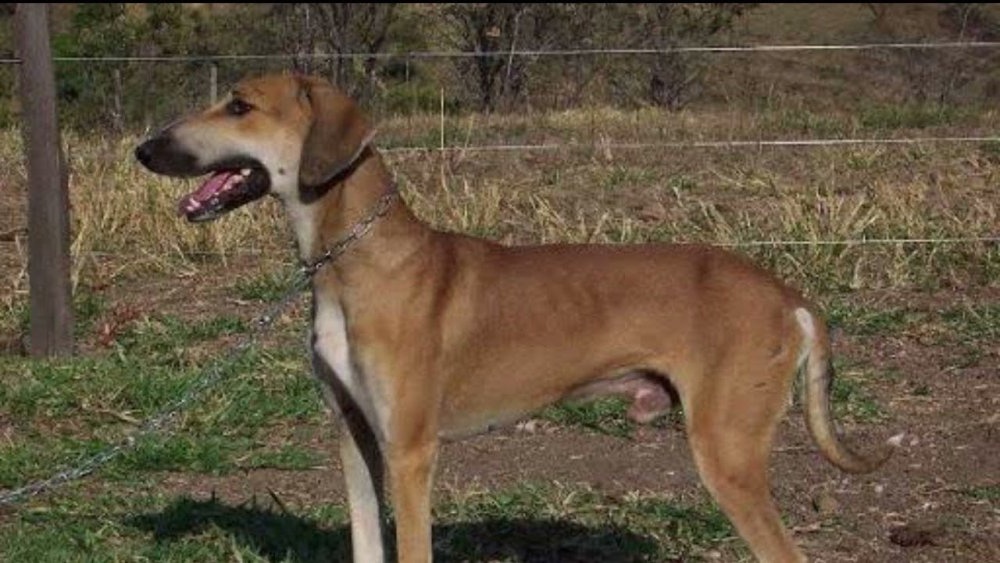
Coat descriptions vary across sources, but many describe a short, dense coat with relatively straightforward grooming needs. In practice, a weekly brush and regular checks of ears, nails, and teeth suit most short-coated athletic dogs.
If your dog has little body fat and a short coat, cold weather can matter. You may notice stiffness in winter, reluctance to settle on cold surfaces, or a preference for movement over rest outdoors. Provide warm bedding, consider a coat for cold walks, and keep an eye on older dogs who may feel the cold more.
Feeding: keep it simple, keep it monitored
Feeding an active dog is less about chasing trendy ingredients and more about choosing a complete diet that suits the dog in front of you. Veterinary nutrition guidelines emphasise individual assessment, including body condition scoring and adjusting intake as activity levels change across seasons and life stages.9
A few practical habits help:
- Use your hands and eyes to monitor condition, not just the scale.
- Measure food, then adjust gradually if weight changes.
- Split daily food into two or more meals when appropriate, especially for larger dogs.
If you are using treats for training, account for them in the day’s intake. It is easy to “train” your way into slow weight gain without noticing until joints start to complain.
Final thoughts
The Pampas Deerhound sits in that interesting space where working history still shapes the pet in your living room. When people struggle with these dogs, it is often because they expected a low-effort companion in an athletic body. When they thrive, it is usually because someone appreciated the dog’s need to run, to look, and to engage with the world, and then built a life that made room for that.
If you are considering one, aim for a home that can offer space, secure boundaries, and daily movement, plus the patience to train steadily rather than force outcomes quickly. That is where this kind of dog tends to settle into its best self.
References
- Wikipedia: Pampas Deerhound
- Confederação Brasileira de Cinofilia (CBKC): Padrão da Raça 226 (Veadeiro Pampeano) (PDF)
- RSPCA Knowledgebase: Advice on caring for my dog (reward-based training and exercise)
- RSPCA Pet Insurance: Essential dog care information
- RSPCA Australia: The importance of enrichment for dogs
- Cornell University College of Veterinary Medicine: Gastric dilatation-volvulus (GDV) or “bloat”
- American Animal Hospital Association (AAHA): Understanding canine bloat (GDV)
- Orthopedic Foundation for Animals (OFA): Hip dysplasia
- WSAVA: Global Nutrition Guidelines