

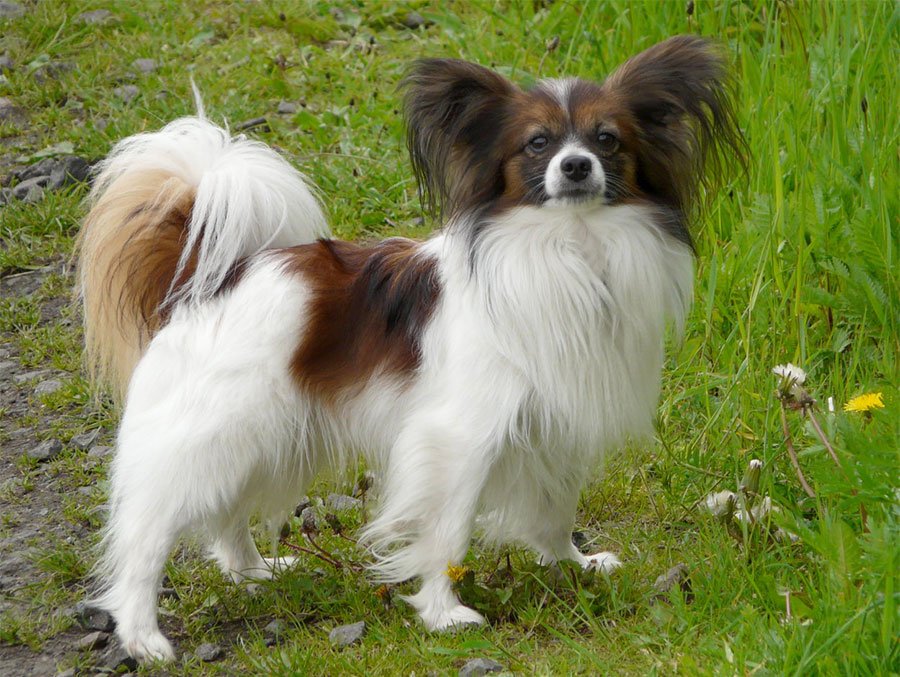
You might first notice a Papillon because of the ears, those bright, fringed “wings” that make them look a bit like a butterfly in motion. Or you might meet one at the park and be surprised that such a small dog can move with so much purpose, darting, thinking, watching, then returning to their person as if they have somewhere important to be.
It is easy to assume toy breeds are mostly about looks and lap time. Papillons can enjoy a cuddle, but they also tend to be quick-minded and active, the kind of dog that notices patterns in your routine and learns faster than you expected. When their needs are met, they are often delightful company. When they are not, the same intelligence can show up as busyness, barking, or restlessness.
Knowing what sits underneath that elegant coat, their history, their body, and their habits, makes everyday decisions simpler. It also helps you judge whether a Papillon is the right fit for your household, rather than just an appealing face.
Papillons in history, and why that still matters
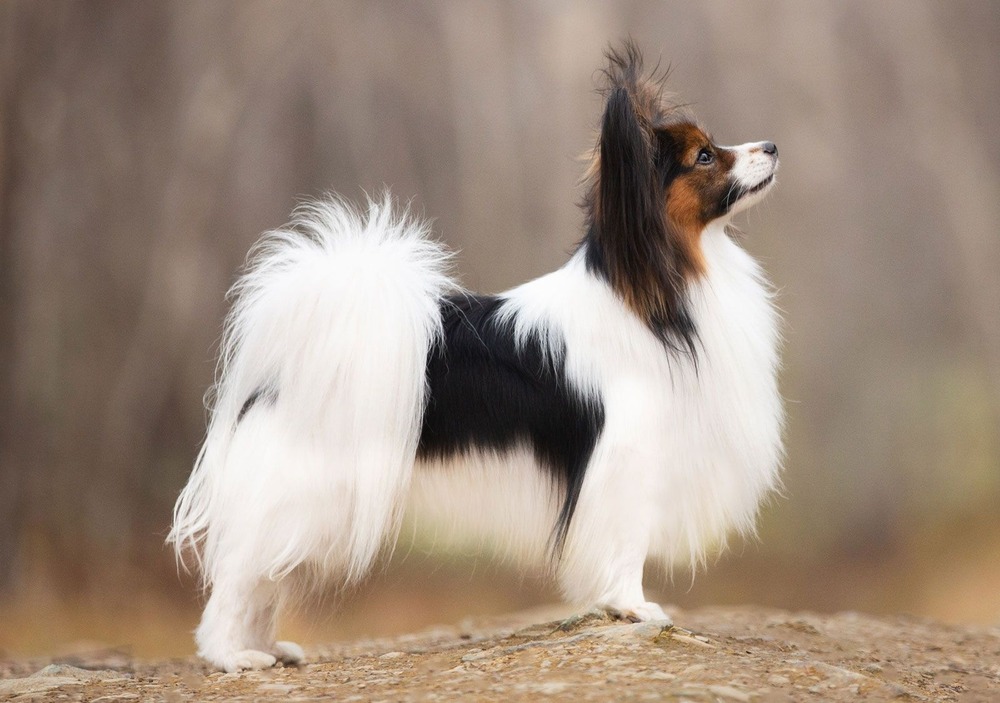
Papillons belong to a family of small companion spaniels that appear in European art and records over centuries. You will often hear them linked with Renaissance and post-Renaissance paintings, which reflects how long people have valued them as house companions rather than working dogs.1, 2
One detail from that history shows up in modern dogs. The drop-eared variety is known as the Phalene (moth), and the erect-eared “Papillon” look became more fashionable later. In practice, this matters because it reminds us the breed has always had more than one ear set, and both can be correct depending on the kennel club standard you are reading.2, 3
In the United States, the Papillon was recognised by the American Kennel Club in 1915. If you are reading older material that gives a different date, it is usually referring to club formation or later milestones, not the first AKC recognition entry.4
What a Papillon looks like, up close
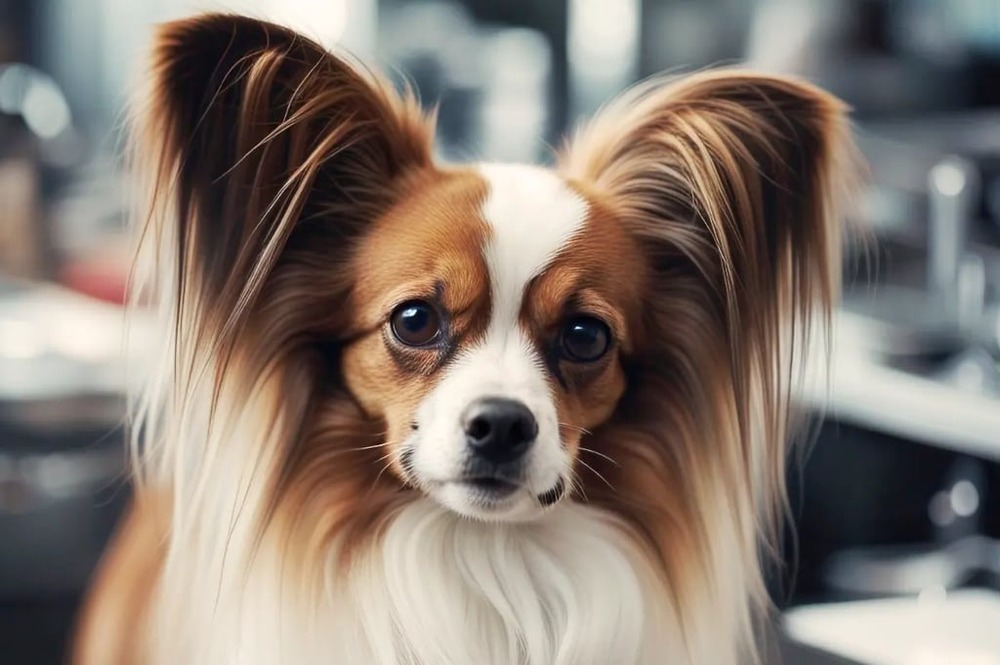
The hallmark is the ear fringe and carriage, but the overall outline matters too. Papillons are small, fine-boned, and light on their feet, typically around 8 to 11 inches at the withers (about 20 to 28 cm). Their movement is part of the appeal, quick, graceful, and efficient rather than ploddy.5
The coat is long, silky, and straight, with feathering on the ears, legs, and tail. Colour is usually a white base with patches of other colours, and breed standards describe specific expectations for head markings in many show contexts.5
One helpful way to think about Papillon appearance is this: they are not meant to look fragile. Even though they are small, a well-bred Papillon should read as dainty but sturdy, capable of real activity and not just decoration.5
Temperament, and the “toy dog” misconception
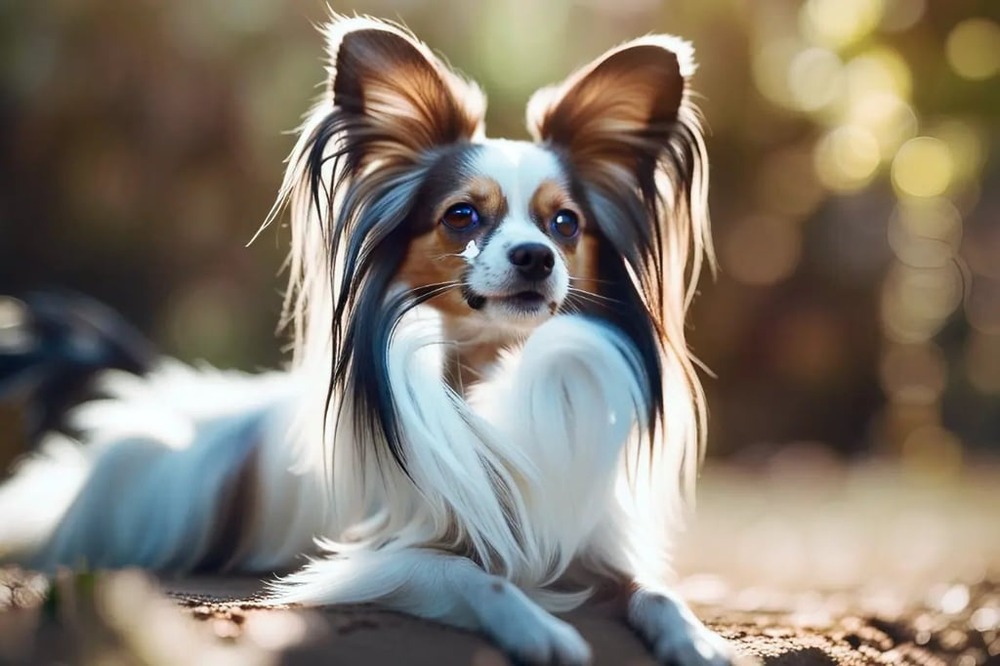
Breed standards and reputable breed organisations consistently describe Papillons as happy, alert, and friendly, with intelligence as a defining trait. Many owners experience them as dogs that want to participate, to train, to solve little problems, and to be in the middle of household life.5, 6
That alertness can come with a tendency to vocalise. A Papillon who is under-exercised, under-stimulated, or unintentionally trained to “announce everything” can become a habitual barker. The flip side is that with steady routines and calm reinforcement, many learn quickly what is worth reacting to and what is not.
If you have children, think less about whether the breed is “good with kids” in the abstract, and more about fit. Papillons are small, and small dogs can be physically vulnerable around rough handling. Many do best with children who can follow guidance, give space, and understand that a dog is not a toy. Supervision and manners do most of the work here.
Training and exercise, keeping the clever brain steady
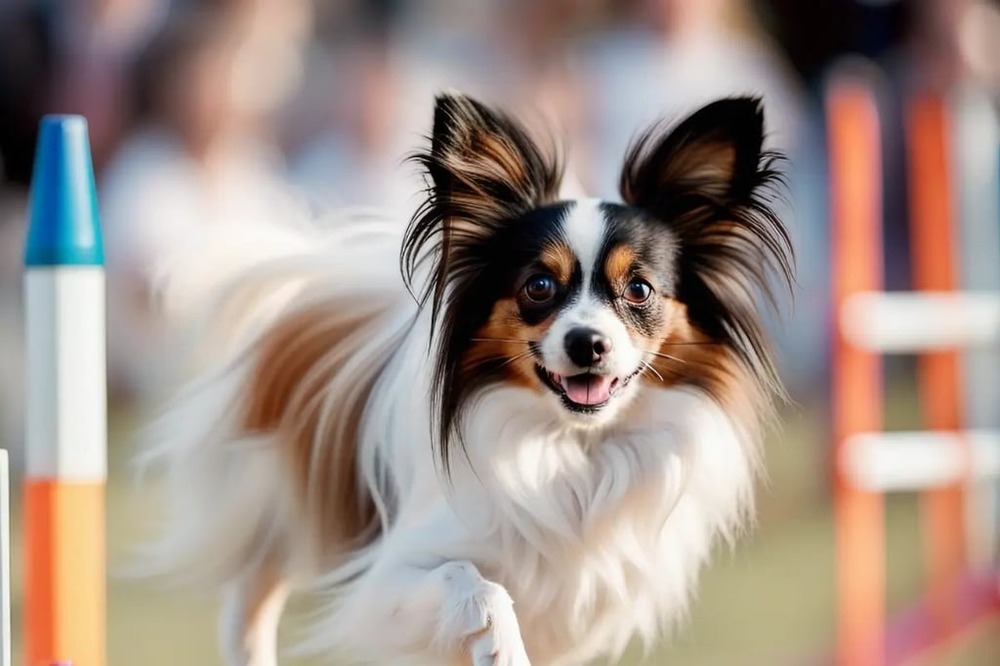
Papillons often thrive on training because it gives them a job and a shared language with their people. The most reliable approach is usually reward-based training with short, upbeat sessions, lots of repetition in real-life settings, and clear boundaries that everyone in the home keeps consistent.
Exercise needs are often described as moderate, but it can help to think in terms of daily movement plus daily thinking. Many Papillons enjoy brisk walks, toy games, scent games, and agility-style obstacles done safely at home. They do not need hours of running, but they do need regular outlets.
Socialisation is just as important as obedience cues. Calm exposure to sounds, surfaces, visitors, grooming, and gentle handling tends to pay off later, especially for a breed that can be watchful and quick to respond.
Health considerations in a small body
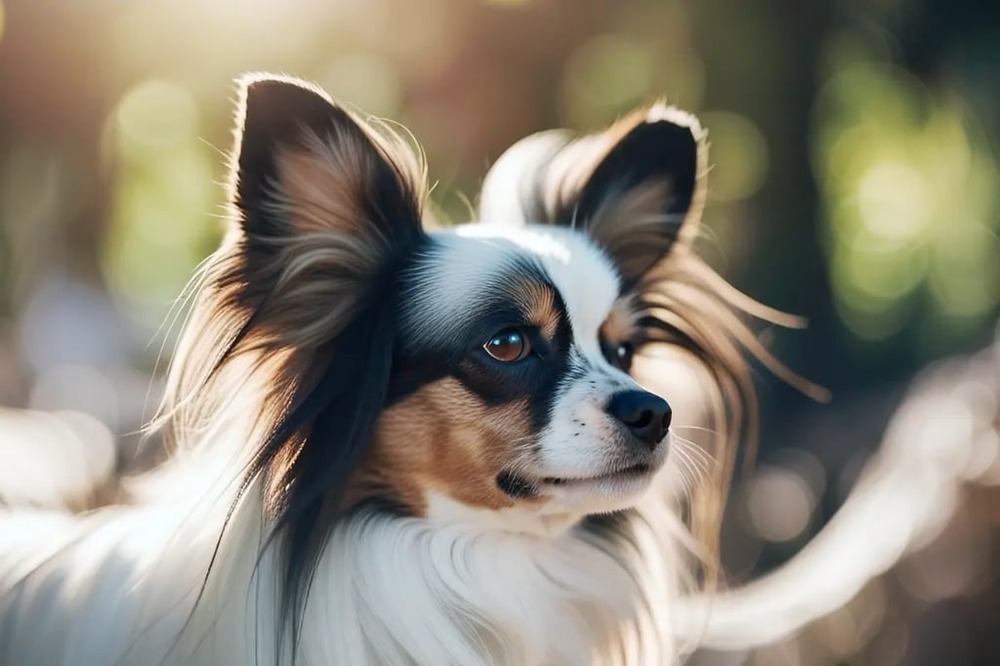
Papillons are commonly reported to have a lifespan in the low-to-mid teens, often around 12 to 16 years, which means your daily routines can shape their comfort for a long time.6
Two issues that come up regularly in breed discussions are patellar luxation (kneecap instability) and dental disease. Patellar luxation ranges from mild to significant, and it is one reason it is worth keeping your Papillon lean, fit, and confident on different surfaces rather than treating them as delicate.6
Dental care deserves special attention. Small breeds are widely recognised as being at higher risk of periodontal disease, and home care such as tooth brushing can make a meaningful difference over the dog’s lifetime. If you are unsure how to begin, ask your vet for a demonstration and a realistic schedule you can stick with.7, 8
If you are choosing a puppy, look for breeders who take health seriously, talk openly about what they are seeing in their lines, and support you after purchase. A good start will not guarantee perfect health, but it can reduce avoidable risk.
Coat care and everyday grooming
The Papillon coat looks high-maintenance, but it is often manageable with routine. Regular brushing helps prevent tangles in the ear fringes, behind the elbows, and in the “trousers” on the hind legs. Many owners find a few short sessions a week easier than letting knots build up.
Keep grooming practical. Check nails, ears, and paw pads, and use grooming as a chance to notice small changes in skin, weight, or movement. For many Papillons, grooming is also part of training, it teaches them to settle, accept handling, and stay calm with normal household care.
Food, weight, and what not to share from the table
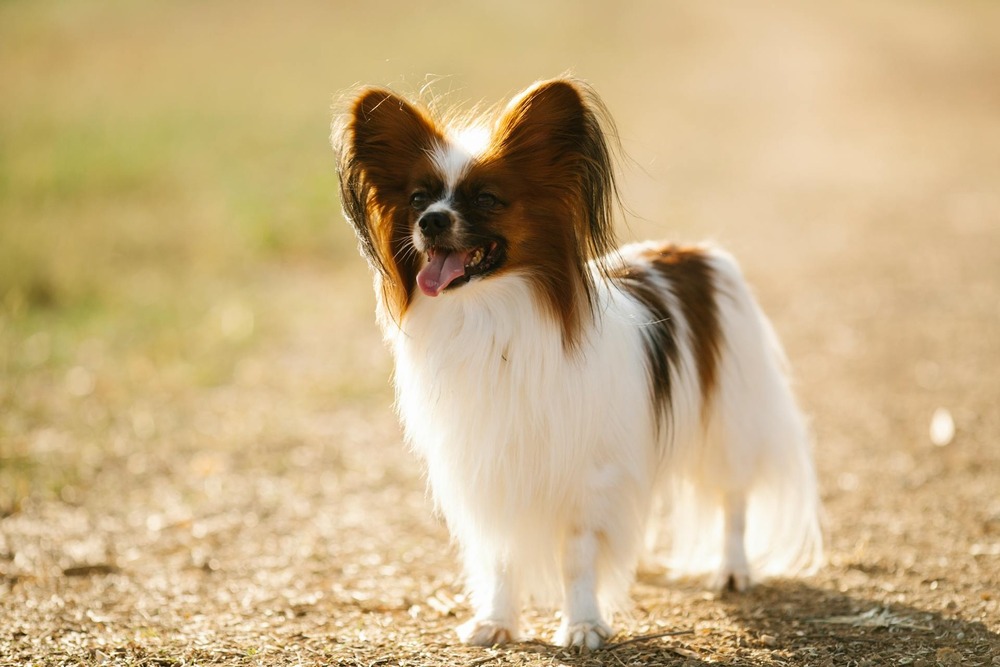
Most Papillons do well on a complete, balanced diet appropriate for their life stage, with portions adjusted for their actual activity. Because they are small, a little extra food can add up quickly. Keeping them in a lean body condition is one of the simplest ways to support joints, energy levels, and overall health.
If you like to share “safe” scraps, it helps to also know what is genuinely unsafe. Foods such as grapes and raisins, onion and garlic, chocolate, some sweeteners like xylitol, and cooked bones are widely listed as hazards for dogs. If you suspect your dog has eaten something risky, contact your vet promptly.9, 10
When in doubt, keep treats boring and predictable. A small piece of an appropriate dog treat, or a bit of the dog’s own kibble, is often plenty for a Papillon’s size and motivation.
Living with a Papillon, the day-to-day reality
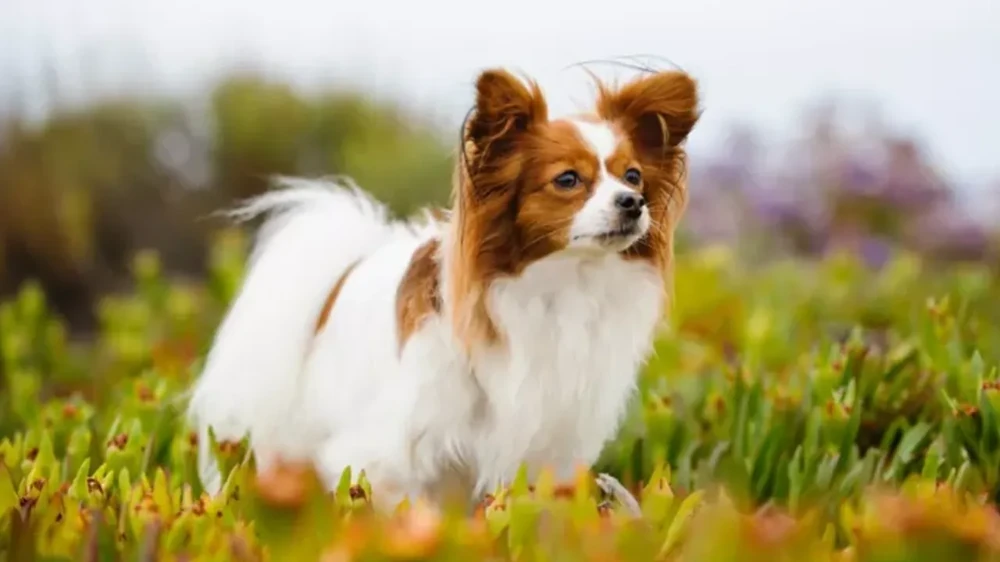
Papillons can suit apartment living well, not because they need less engagement, but because they can have their needs met in smaller spaces if you are consistent. They tend to do best with people who enjoy interaction, small routines, and training as a normal part of life rather than a once-a-week project.
They are often at their most charming when they feel included. A Papillon who gets a daily walk, a bit of training, a sniffy game, and quiet time nearby while you work can be remarkably easy to live with. Without that structure, the same dog may invent their own activities, which is not always what you had in mind.
If you are drawn to the breed because of the look, that is fine. Just make sure you also like the other part of the package: a bright little dog who notices everything, learns fast, and needs steady, kind guidance to stay settled.
References
- American Kennel Club: Papillon joins AKC Century Club
- Wikipedia: Papillon dog (history and Phalene variety overview)
- The Kennel Club (UK): Papillon breed standard summary
- American Kennel Club: Breeds by year recognised
- Papillon Club of America: Papillon breed standard
- American Kennel Club: Papillon breed information
- Veterinary Oral Health Council: Accepted products list
- American Veterinary Medical Association: Pet dental care
- Agriculture Victoria: Human foods to avoid for cats and dogs
- RSPCA Pet Insurance (Australia): Safe diet for dogs and foods to avoid