

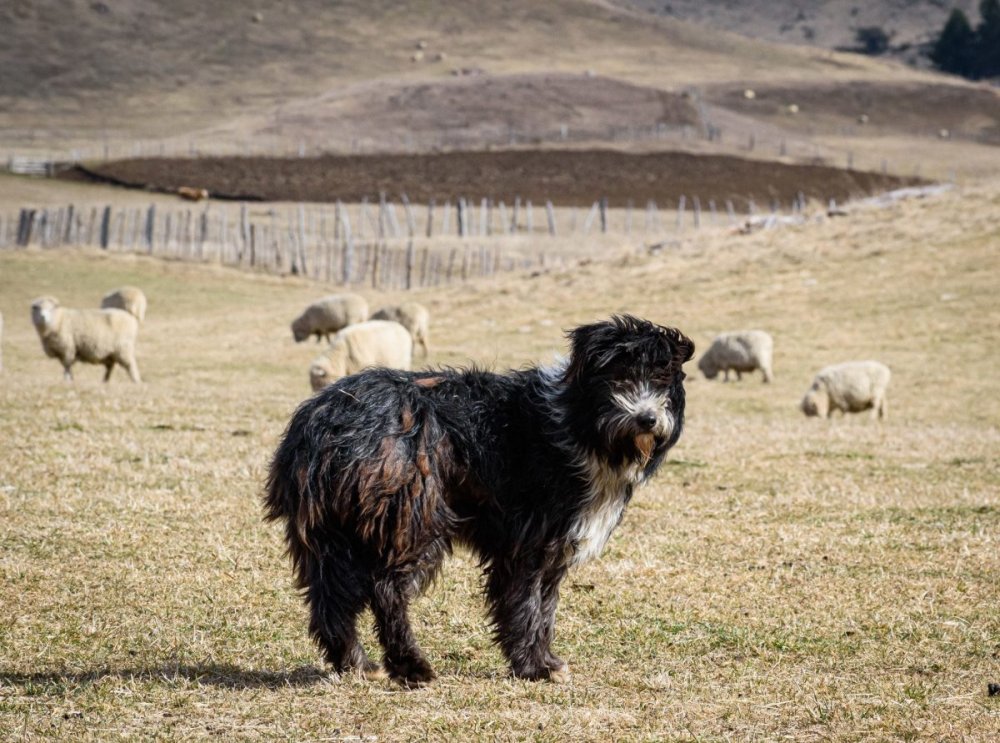
- Breed category: Herding (working sheepdog type)
- Also known as: Ovejero Magallánico (Chile)
- Region of origin: Chilean Patagonia (Magallanes region)
- Typical height: Females about 50 cm (often +/- 2 cm); males typically a little taller, depending on line 1
- Typical weight: Females about 20 to 22 kg; males about 24 to 26 kg 1
- Life expectancy: Commonly reported around 12 to 15 years (varies with care and genetics)
- Coat: Long to semi-long, protective coat suited to cold, wind, and wet
- Colours: Variable, including darker coats and merle patterns (eye colour can vary too) 1
- Energy level: High, built for distance trotting and long work days 1
- Best suited to: Active homes, training-minded owners, rural and semi-rural lifestyles
- Grooming: Moderate, regular brushing helps manage knots and seasonal coat drop
People often end up searching for the Patagonian Sheepdog after seeing a photo of a shaggy, weathered working dog from the far south, or after hearing the name used loosely for “any sheepdog from Patagonia”. It can be confusing because Patagonia spans two countries, and the dogs behind the label are not always the same.
The Patagonian Sheepdog most often described in breed and research sources is a local working sheepdog from Chilean Patagonia, closely tied to the sheep stations of the Magallanes region. It is not a glamour breed shaped mainly for the show ring. It is a dog shaped by distance, weather, and daily practical decisions made by farmers who needed a reliable worker. 2, 3
That working background matters in ordinary life. It influences how these dogs move through the world, how quickly they learn patterns, and how easily “busy” behaviours can appear when their brain and body are under-used. Understanding the type helps you decide whether you are looking at a good fit, or simply a beautiful dog built for a very specific job.
Where the Patagonian Sheepdog comes from
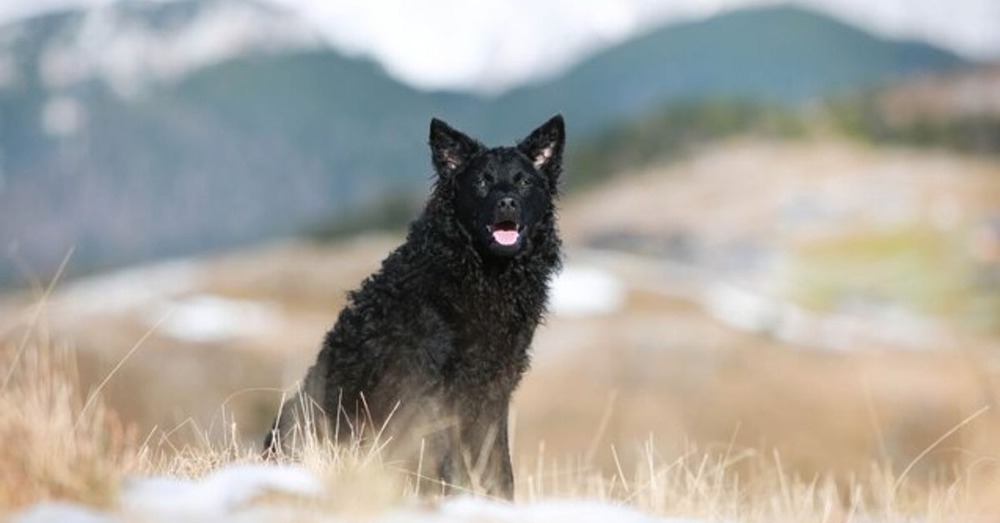
In Chile, this dog is often associated with the name Ovejero Magallánico. The best supported accounts describe a working sheepdog type that developed in southern Chile from European herding dogs brought by settlers in the late 1800s and early 1900s, then refined locally for the realities of sheep farming in the region. 2, 3
It is worth holding the idea of “type” lightly. On many farms, selection historically prioritised usefulness over uniform looks. Over time, kennel clubs and researchers have documented consistent traits, but day-to-day variation still makes sense when a dog’s primary job is to move stock calmly and cover ground efficiently. 1, 2
What they were bred to do, and why it still shows up at home
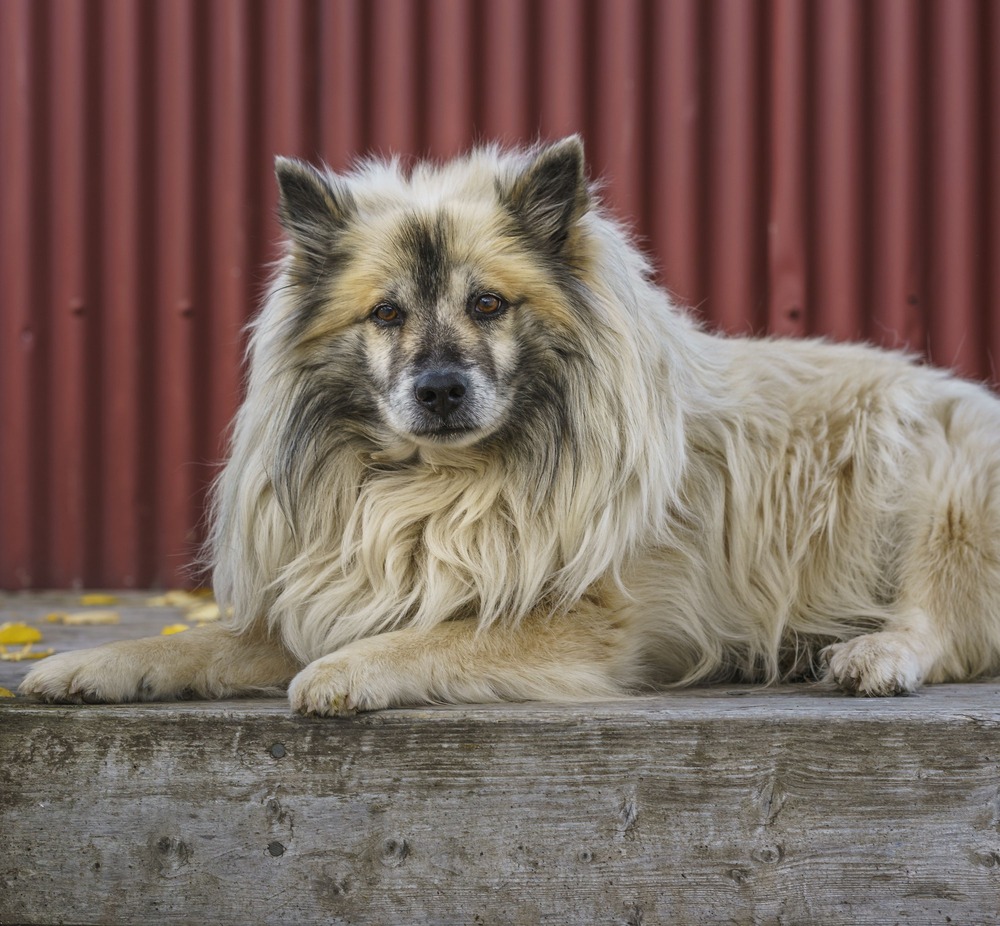
These dogs were shaped for herding work, often over long distances. The Kennel Club de Chile standard explicitly describes a dog that is a long-distance trotter, built to cover ground with minimal effort, which is exactly what you would expect from a station dog in big country. 1
In a pet home, that background can translate into a dog that likes to organise movement. Some individuals will attempt to gather running children, bikes, or other dogs, not because they are being “naughty”, but because patterned movement can switch on a practiced behavioural sequence. The goal is not to suppress the dog’s nature, but to give it a safe outlet and clear rules.
If you are considering one of these dogs (or a mix that resembles the type), plan for a lifestyle that includes both physical exercise and thoughtful training. Under-stimulation is a common driver of noise, restlessness, and destructive behaviour in many high-drive herding dogs.
Appearance and coat, what is typical and what varies
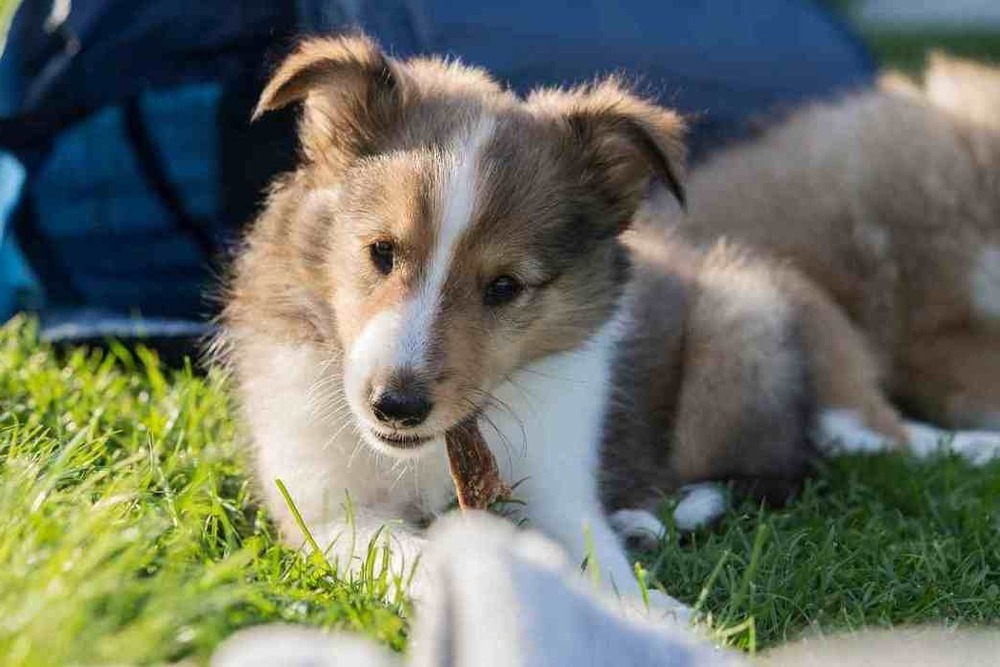
Most descriptions converge on a medium-sized, sturdy sheepdog with a long to semi-long coat designed for harsh conditions. Research describing the Patagonian Sheepdog in Chile highlights adaptation to the Patagonian environment and reports common working-dog features including medium body size and ears that may be drooping or semi-erect. 2
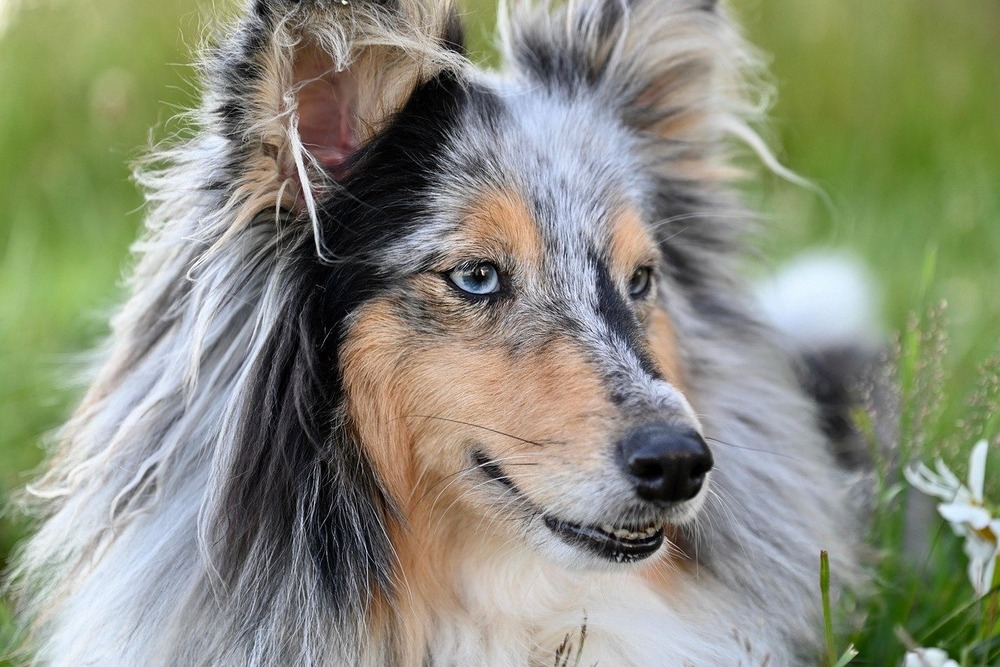
Coat colours and markings can be diverse. The Chilean breed standard allows a range of pigmentation details, and even permits blue eyes and marbled or mottled eye colours in some dogs, which often appears alongside merle patterns. 1
Because this is historically a working population, you will sometimes see dogs that look “more collie-like” or “more heading-dog-like” than expected. Visual similarity alone is not a guarantee of identity, especially online, where “Patagonian Sheepdog” is sometimes used as a catch-all label. 3
Temperament, what owners often notice
A good working sheepdog typically combines trainability with enough independence to keep functioning when the situation changes. In the Chilean Patagonian Sheepdog literature, behavioural notes often revolve around herding aptitude and a tractable character suitable for close partnership with people on farms. 2
In a family setting, many herding breeds and types show a similar cluster of traits:
- Fast pattern learning, including learning the habits you did not intend to teach.
- High sensitivity to motion and sound, especially in busy households.
- Strong attachment to routine, with restlessness when days are unpredictable.
- A tendency to “watch” the environment, which can look like guarding if not guided early.
None of this automatically makes the dog unsuitable for children or other pets, but it does mean management matters. Supervision, calm introductions, and consistent boundaries are practical, not optional, especially during adolescence when impulse control is still developing.
Training that suits a smart, busy herding dog
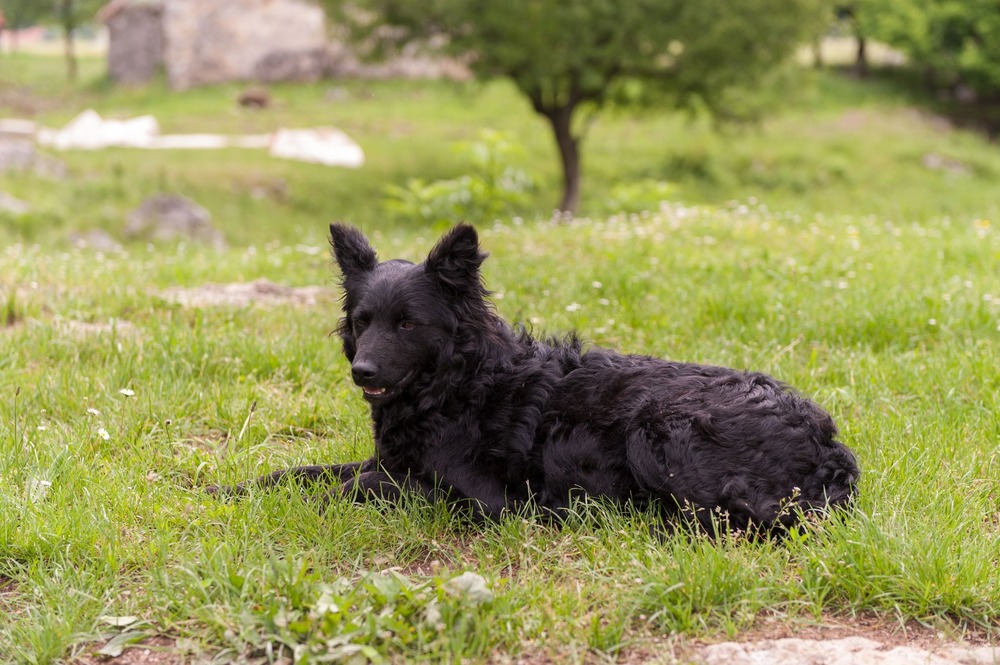
For dogs bred to work closely with people, training can feel surprisingly easy at first. They pick up cues quickly, and they notice tiny patterns in your timing. The challenge is often not teaching new behaviours, but building steady, reliable behaviour under distraction.
Reward-based training is widely recommended by animal welfare and training organisations, and it tends to suit sensitive, quick-learning dogs particularly well. The RSPCA describes reward-based methods (positive reinforcement) as humane and effective, focusing on setting the dog up to succeed and rewarding desired behaviour. 4, 5
Practical approaches that often help:
- Short sessions, often, two to five minutes, repeated through the day.
- Teach a calm default, such as a mat settle, before you ask for “more” from the dog.
- Use sniffing, searching, and controlled tug as rewards, not only food.
- Build socialisation as skills, not just exposure, including recovery after surprises.
If your dog is persistently chasing, nipping, or struggling around visitors, getting guidance early from a qualified trainer can prevent a habit becoming the dog’s go-to strategy.
Exercise and enrichment, meeting the need without over-revving
It is tempting to think you can simply run a high-energy dog until it is tired. In practice, some herding dogs become fitter and more intense without learning how to switch off. A better aim is a mix of movement, skill-building, and decompression.
Consider a balanced week that includes:
- Long, steady walks that allow sniffing and choice.
- Training games that use the dog’s brain, such as scent games and shaping.
- Sport-style outlets if the dog enjoys them, like agility foundations or rally.
- Planned rest, including quiet time indoors, so calm becomes normal.
The Kennel Club de Chile standard notes the breed is built for efficient trotting, which fits well with longer, steady exercise rather than only short bursts. 1
Health considerations and everyday care
There is not the same depth of global health data available for this working population as there is for widely registered breeds, so it is sensible to keep claims modest. Still, many medium-sized herding dogs share common risk areas, including orthopaedic issues such as hip dysplasia and a range of eye conditions, depending on lineage.
The most practical health strategy for owners is not chasing a perfect list of “breed diseases”, but sticking to the basics:
- Keep a healthy body condition, since excess weight increases joint load.
- Ask your vet about appropriate screening, especially if you are buying a pup.
- Prioritise good quality nutrition and realistic exercise, particularly while growing.
For nutrition, the World Small Animal Veterinary Association (WSAVA) Global Nutrition Guidelines emphasise tailored nutritional assessment and choosing diets based on more than marketing claims, ideally with veterinary input. 6, 7
Grooming, shedding, and living with a big coat
A weather-ready coat is practical in Patagonia, but it comes with responsibilities in a lounge room. Regular brushing helps prevent matting, removes debris, and makes it easier to notice skin problems early.
For many double-coated or heavy-coated working dogs, shedding arrives in waves. A steady routine usually works better than occasional marathon grooms:
- Brush through to the skin a few times a week, more during seasonal coat drop.
- Check ears and feet regularly, especially if your dog runs in burrs or long grass.
- Bathe only when needed, and dry thoroughly, particularly in cooler weather.
If mats are forming near the collar, behind the ears, or in the “trousers”, it is often a sign the brush is not reaching the undercoat. A groomer can show you what “line brushing” looks like on your individual dog.
Is the Patagonian Sheepdog a good fit?
The best matches tend to be people who enjoy training as an ongoing conversation, and who can offer regular exercise without making every day a high-adrenaline event. If you like the idea of a dog that notices everything, learns quickly, and prefers being included in daily life, you may find the type deeply rewarding.
It is also fair to say these dogs are not ideal for every home. If you want a dog that is content with minimal daily activity, or if you cannot reliably provide stimulation and structure, it may be kinder to choose a lower-drive breed or older rescue with a known temperament.
When in doubt, look for evidence of steady temperament and good handling in the dogs behind a litter, not just a name on a listing. This is especially important with rare, regionally rooted dogs, where documentation may be inconsistent across countries. 2, 3
References
- Kennel Club de Chile: Ovejero Magallánico (breed standard)
- MDPI Diversity (2019): The Patagonian Sheepdog, Historical Perspective on a Herding Dog in Chile
- Wikipedia: Patagonian Sheepdog (overview and references)
- RSPCA ACT: Reward-based dog training (positive reinforcement)
- RSPCA Australia: The do’s and don’ts of training your dog (rewards-based approach)
- WSAVA: Global Nutrition Guidelines
- WSAVA: Global Nutrition Committee (nutrition assessment and resources)
- WSAVA: Nutrition guidelines resources and owner tools
- Association of Pet Dog Trainers Australia (APDT Australia): Position statements on training methods