

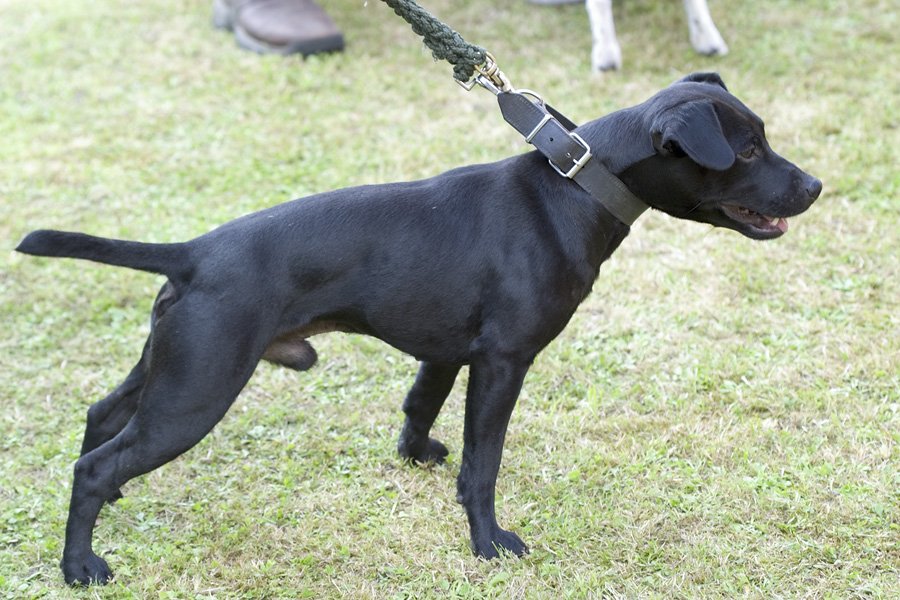
You might come across a Patterdale Terrier in a park and do a double take. They are small, neat, and often carried along by a kind of confidence that looks bigger than the body. People sometimes assume that a little dog will be an easy fit, less exercise, less training, less to manage. With Patterdales, that assumption can trip you up.
This is a working terrier type, shaped by the landscapes and jobs of northern England, where dogs needed to move fast, squeeze into tight places, and keep going in rough conditions. That background still shows up in day-to-day life: in how quickly they switch on, how much they notice, and how hard they can find it to “just relax” without enough to do.1, 2
None of that makes them a “bad” choice. It just means the best Patterdale homes tend to be the ones that enjoy training, can provide structure, and take prey drive seriously. When that match is right, you often see a dog that is bright, engaged, and genuinely satisfying to live with.
- Breed category: Terrier
- Country of origin: United Kingdom (England)
- Typical height: 25 to 38 cm at the shoulder (about 10 to 15 inches)
- Typical weight: Proportionate to height, often around 5 to 10 kg depending on build and condition
- Typical lifespan: Around 12 to 15 years
- Grooming needs: Low to moderate
- Exercise needs: High
- Coat type: Dense, can be smooth or broken/rough
- Common colours: Black, red, chocolate/liver, black and tan, and related variations
History and origin
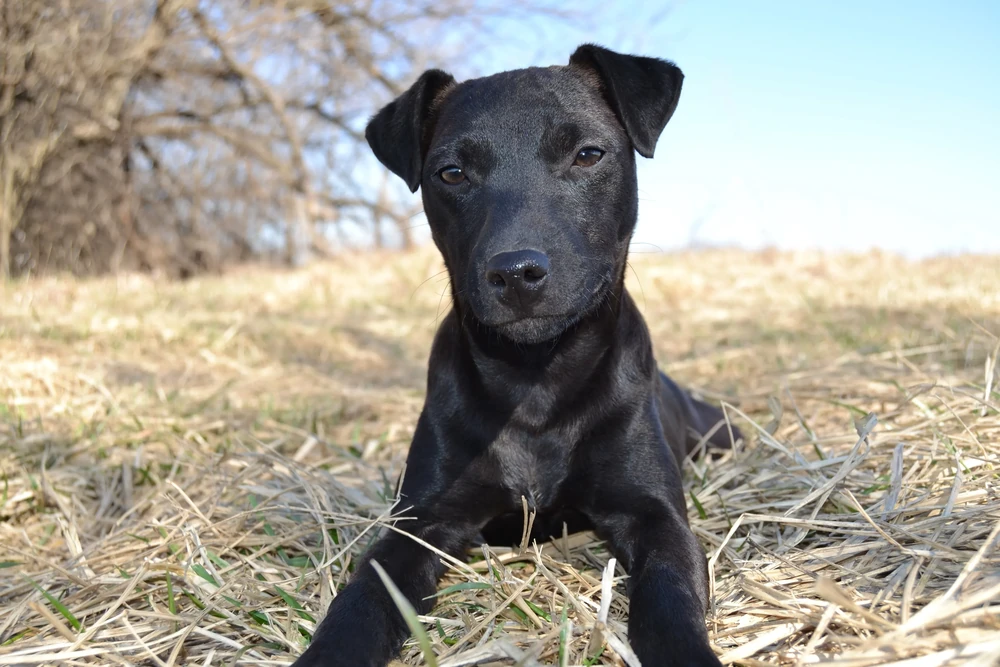
The name “Patterdale” is tied to a place in the Lake District, and the breed is generally described as descending from northern terrier types used for practical work rather than show. They were valued because they could get into rocky ground and tight spaces to locate or flush quarry, and because they had the stamina to work in difficult terrain.1, 3
In the historical accounts that get repeated most often, the Ullswater Hunt master Joe Bowman is mentioned as an early influence, alongside later breeders who refined the type further. It is worth holding these stories lightly, because working strains were not always recorded with the neatness of modern pedigree histories. Still, the through-line is consistent: this dog was shaped for function first.1
That working background also explains why you will see variation across Patterdales, especially in coat texture and overall “type”. Many enthusiasts still prioritise working ability and suitability for the job over a uniform look.2
What a Patterdale Terrier looks like
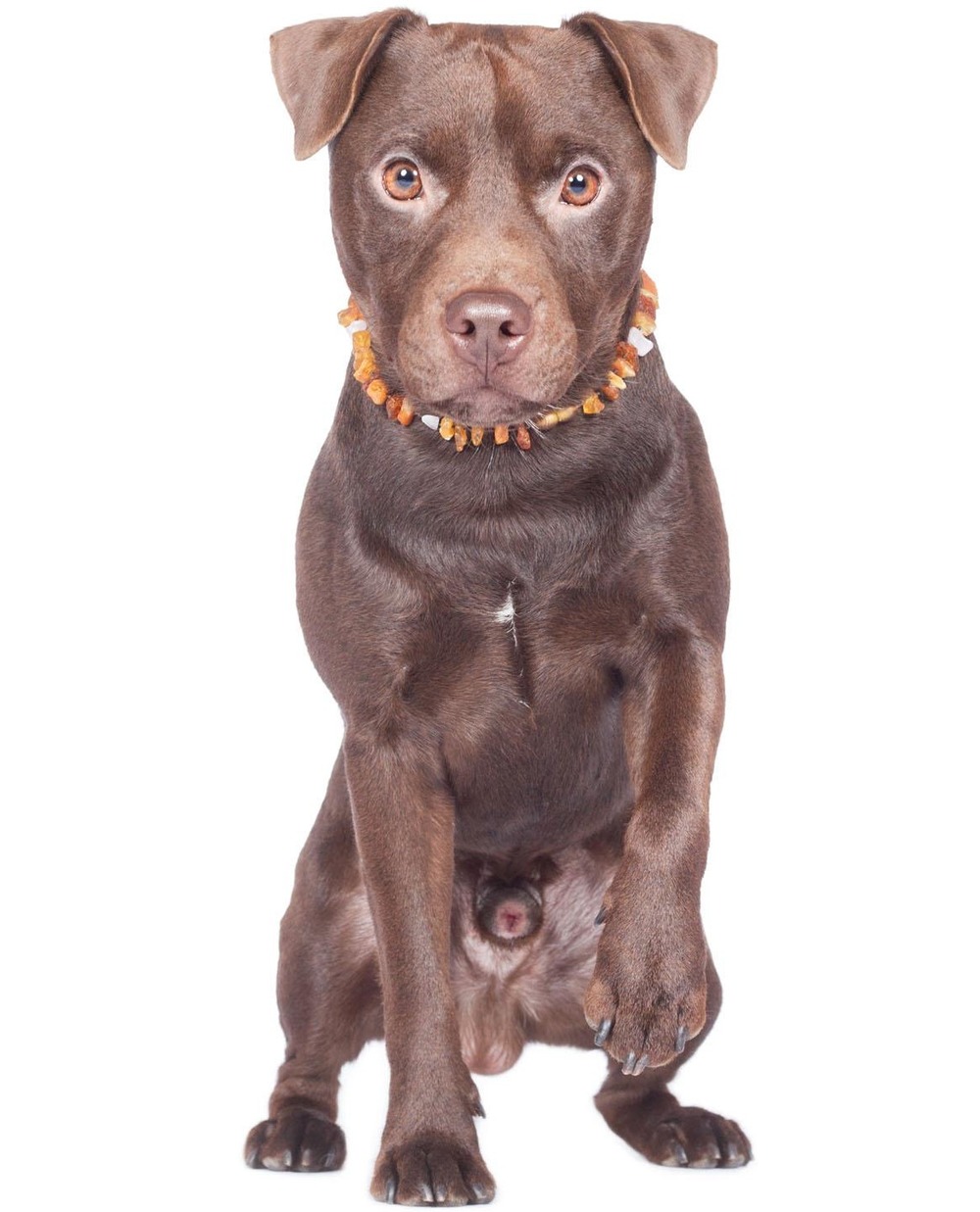
Patterdales are small, compact terriers, typically around 25 to 38 cm at the shoulder. Weight is usually discussed as “in proportion”, because a fit, muscular dog can feel heavier than you might expect for their size. A key practical detail in breed standards is that the chest should be small enough to be spanned by an average person’s hands, reflecting the breed’s underground working roots.2, 4
Coats can be smooth or broken/rough, but the common theme is density and weather-resistance. Colours are often black, red, chocolate/liver, and black and tan, with some variation depending on the standard being referenced.2, 4
Because the Patterdale is not recognised by the UK Kennel Club, you will see different standards used by different registries and clubs, which is another reason appearances can vary more than people expect from a “single breed”.1
Temperament and behaviour in everyday life
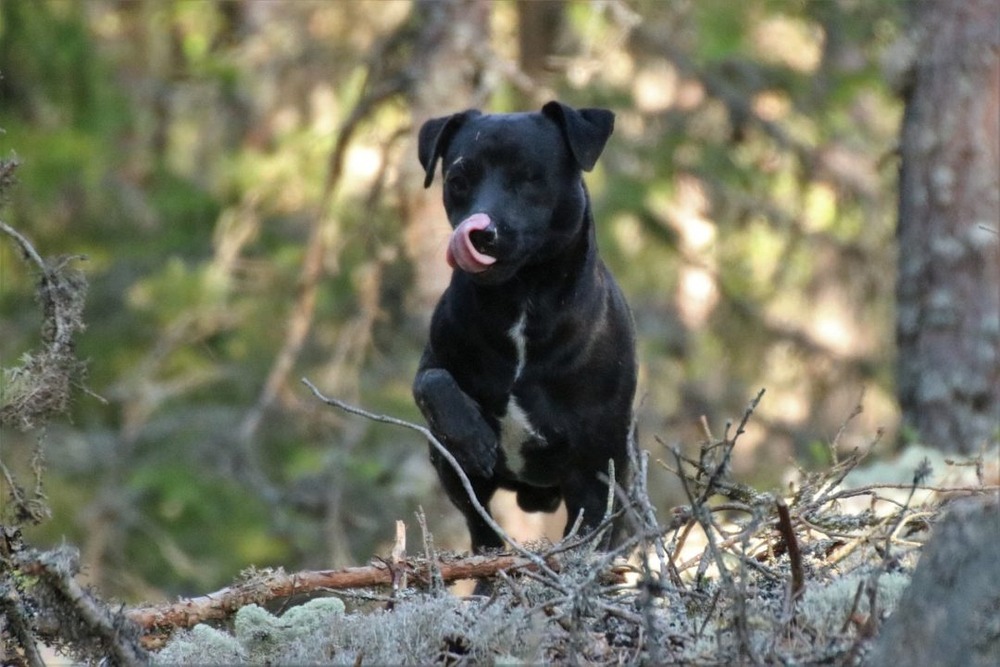
If you live with a Patterdale, you tend to notice how quickly they scan the environment. Movement, rustling in grass, a bird lifting off, a small dog running, these can all be highly interesting. This is where the phrase “strong prey drive” stops being abstract and starts shaping your routines.1, 2
Many are smart, persistent, and energetic, which can look like stubbornness when the task does not make sense to them or when the reward is not worth the effort. They often do best with training that is clear, consistent, and built around reinforcement rather than confrontation.5, 6
With family life, the match matters. A Patterdale can be a rewarding companion in a home that enjoys daily activity and gives them appropriate outlets for chasing, sniffing, and problem-solving. In a low-activity home, the same traits can slide into frustration behaviours like fence-running, digging, or constantly searching for “work”.
Children, visitors, and other pets
With children, think less about “good with kids” as a fixed label and more about supervision, teaching respectful handling, and choosing the right kind of interactions. Many terriers prefer predictable contact and can be overwhelmed by fast, grabby play, especially when tired.
With other pets, early socialisation helps, but it does not erase instinct. If you have cats, poultry, rabbits, or pocket pets, plan management carefully. For some Patterdales, safe separation is the most realistic path, even with training.
Training and exercise needs
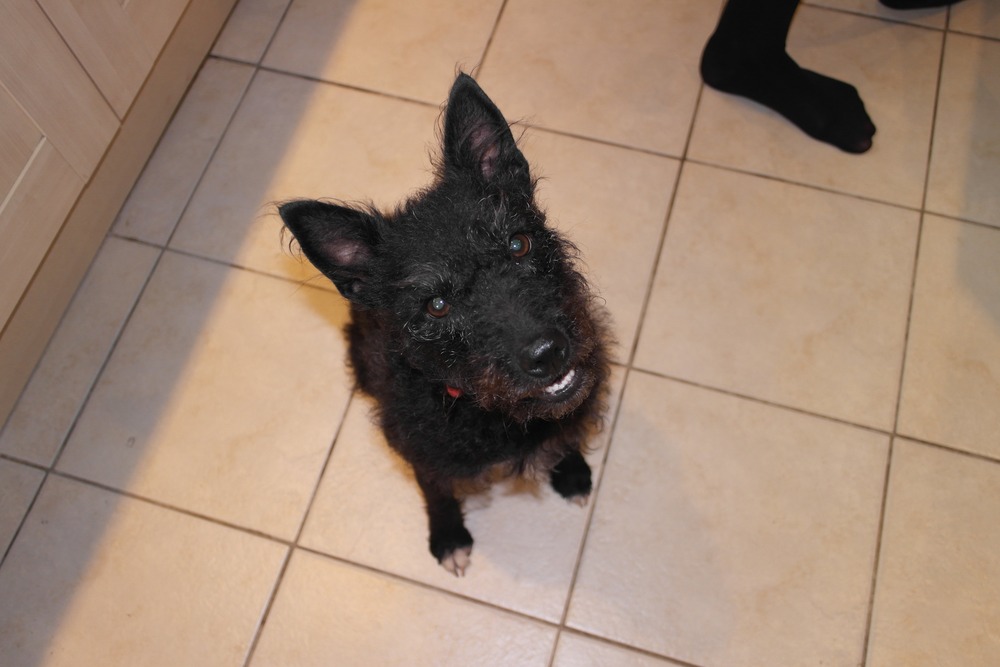
Patterdales tend to thrive when their day includes both movement and thinking. A long walk helps, but so does giving them jobs that make sense to a terrier: scent games, structured recall practice, tug with rules, or short bursts of training that ask for focus.
Reward-based training, where the dog is set up to succeed and reinforced for the behaviour you want, is widely recommended by animal welfare organisations. It is not “soft”, it is practical, and it usually produces clearer learning and a steadier relationship over time.5, 6
In real life, the biggest pressure points are often:
- Recall around wildlife, which can take months of steady work and good management.
- Lead manners, because an alert, forward-moving terrier will rehearse pulling if the environment rewards it.
- Being calm at home, which is a skill to teach, not a personality trait to wait for.
If you are working through reactivity, chasing, or resource guarding, consider support from a qualified trainer who uses reward-based methods, and involve your vet if pain or anxiety might be contributing.
Health and lifespan
Many Patterdales live long lives, commonly around the low-to-mid teens, but like any terrier type they can be affected by inherited conditions. Two topics that come up repeatedly in terriers, including Patterdales, are primary lens luxation (an eye emergency when it occurs) and patellar luxation (kneecap dislocation), especially in smaller dogs.7, 8
Primary lens luxation can lead to painful glaucoma and rapid vision loss, so sudden eye redness, cloudiness, squinting, or obvious discomfort is a “same day” vet situation, not a wait-and-see problem.7
For prospective owners, it is reasonable to ask what health screening a breeder does, and whether there is a clear plan for eye checks or genetic testing where available. For current owners, good basics still matter: maintaining a lean body condition, consistent exercise, and regular veterinary checks.
Grooming and maintenance
Most Patterdales are relatively straightforward to maintain. A weekly brush usually keeps the coat tidy and helps you spot skin irritation, burrs, or ticks. Bathing can be occasional, and frequent shampooing is rarely necessary unless the dog is getting into mud, livestock areas, or salty water.
Routine care is less about making them look perfect and more about comfort and early detection. Keep nails short enough that they do not click loudly on hard floors, check ears for redness or odour, and build a calm routine for handling paws and mouth.
Dental care is often overlooked in small, active dogs. Many veterinary bodies emphasise that tooth brushing is the gold standard for preventing dental disease. If daily brushing is not realistic, aim for “often”, and ask your vet what else is worth adding for your specific dog.9
Diet and feeding, keeping it practical
There is no single perfect diet for every Patterdale, but the basics are consistent: a complete and balanced food, appropriate portions, and adjustments based on age, activity, and body condition. With a breed that can be very driven, some dogs will overeat if given the chance, while others will skip meals when overstimulated.
If you are choosing between foods, look for one that meets recognised nutritional standards, and be wary of making big changes quickly. A slow transition over about a week can prevent stomach upset.
Treats are useful for training, but they add up fast in a small dog. One simple habit is to set aside part of the daily ration as training rewards, so you are not accidentally feeding an extra meal over the course of the day.
Living well with a high-drive terrier
A Patterdale Terrier is rarely a passive presence in the home. They tend to do best with people who enjoy engagement, who do not mind repeating the basics, and who can keep routines steady when life gets busy. If you meet them there, you often get a dog that is genuinely fun to train and satisfying to watch, because you can see the mind working.
The most helpful mindset is to treat “terrier traits” as information. Chasing tells you what they value. Digging tells you what they have energy for. Barking tells you what they notice. Once you see the behaviour as data, you can make better choices about exercise, enrichment, and management, rather than relying on hope.
If you are considering the breed, look for an adult Patterdale to meet as well as puppies, and have an honest chat with the breeder or rescue about drive, off-lead reliability, and what their dogs are like around smaller animals. Clarity early tends to prevent disappointment later.
References
- Wikipedia: Patterdale Terrier
- United Kennel Club: Patterdale Terrier breed standard
- Crown Prosecution Service (UK): Hunting Act 2004 legal guidance
- Patterdale Terrier Club of America: Breed standard
- RSPCA Knowledgebase: Reward-based dog training
- RSPCA Knowledgebase: Training recommendations and avoiding aversive methods
- PetMD: Primary lens luxation in dogs
- American College of Veterinary Surgeons: Patellar luxation (kneecap dislocation)
- WSAVA: Global Dental Guidelines