

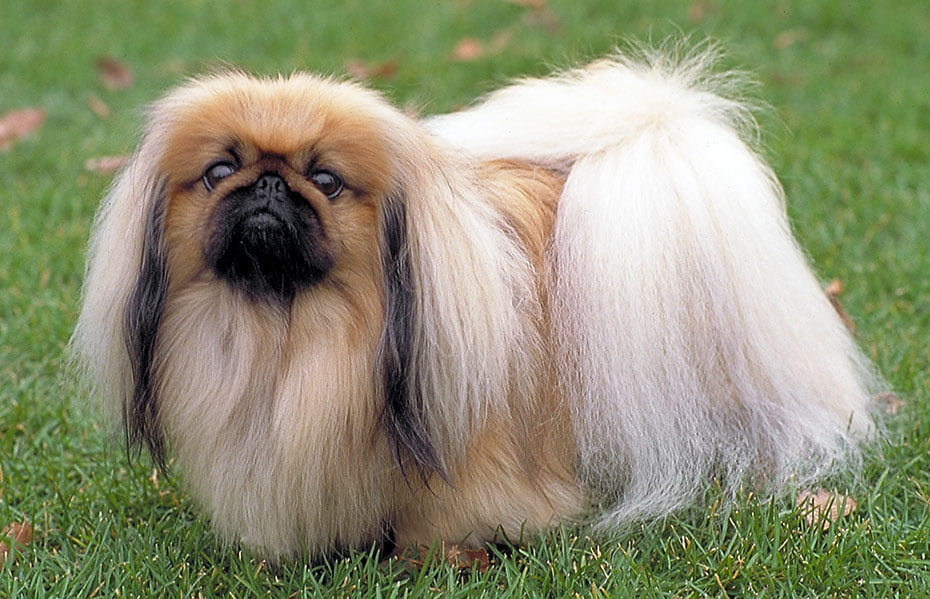
People often notice a Pekingese for the first time because of the look: the heavy coat, the flat little face, the steady, unhurried way they move through a room. Then they meet one and realise the “mini lion” styling comes with a very particular kind of dog. Quietly watchful, sometimes stubborn, often devoted to a chosen person.
It is also a breed that can surprise new owners in practical ways. The coat is not just decorative, it is work. The flat face is not just a feature, it can affect breathing and heat tolerance. Once you start living with a Pekingese, small daily choices, like when you walk, how you groom, and how you manage weight, make a real difference to comfort and health.1, 2
The good news is that most of what a Pekingese needs is straightforward: calm handling, gentle routines, sensible exercise, and an owner who respects a dog that does not always perform on cue. If you like a companion with presence, and you are prepared for high maintenance in the ordinary sense, they can be deeply satisfying company.
The Pekingese and its royal backstory
The Pekingese developed in China as a companion dog closely associated with imperial life, and its “lion dog” styling is tied to cultural ideas of guardian lions in Chinese art. Modern breed histories are often told with a bit of romance, but the practical point remains: this is a dog shaped by people to be a close-in household companion, not an all-day athlete or an outdoorsy generalist.3
One widely repeated historical moment comes from 1860, during the Second Opium War, when British troops looted the Old Summer Palace in Beijing and several Pekingese were taken to Britain. The best-known dog from that group is “Looty”, presented to Queen Victoria, and often mentioned as part of how the breed became established in the West.4
These stories matter less for trivia than for temperament expectations. Many Pekingese still behave like dogs bred to share space with people, observing first, approaching when it suits them, and preferring comfortable routines over novelty.
What a Pekingese looks like in day-to-day life

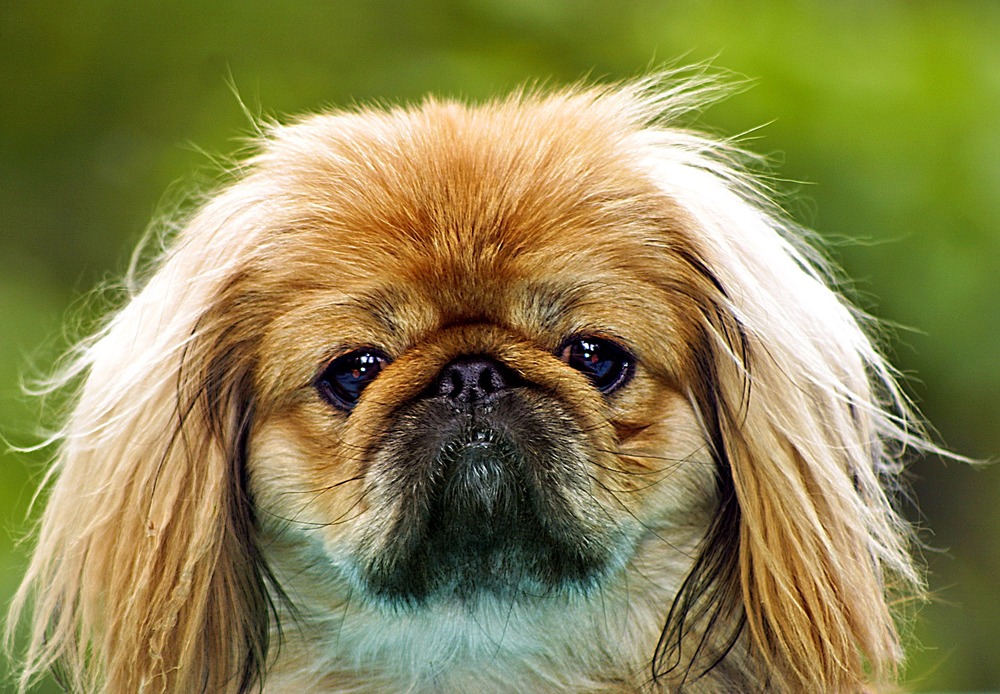
Most people can pick a Pekingese instantly: a compact body, abundant coat, and a short muzzle with prominent eyes. Kennel club standards describe the breed in detail, but living with one is mostly about noticing how their build affects comfort. A Pekingese may have a distinct rolling gait and can look sturdy, but the structure is not built for repetitive impact or long, hot walks.3
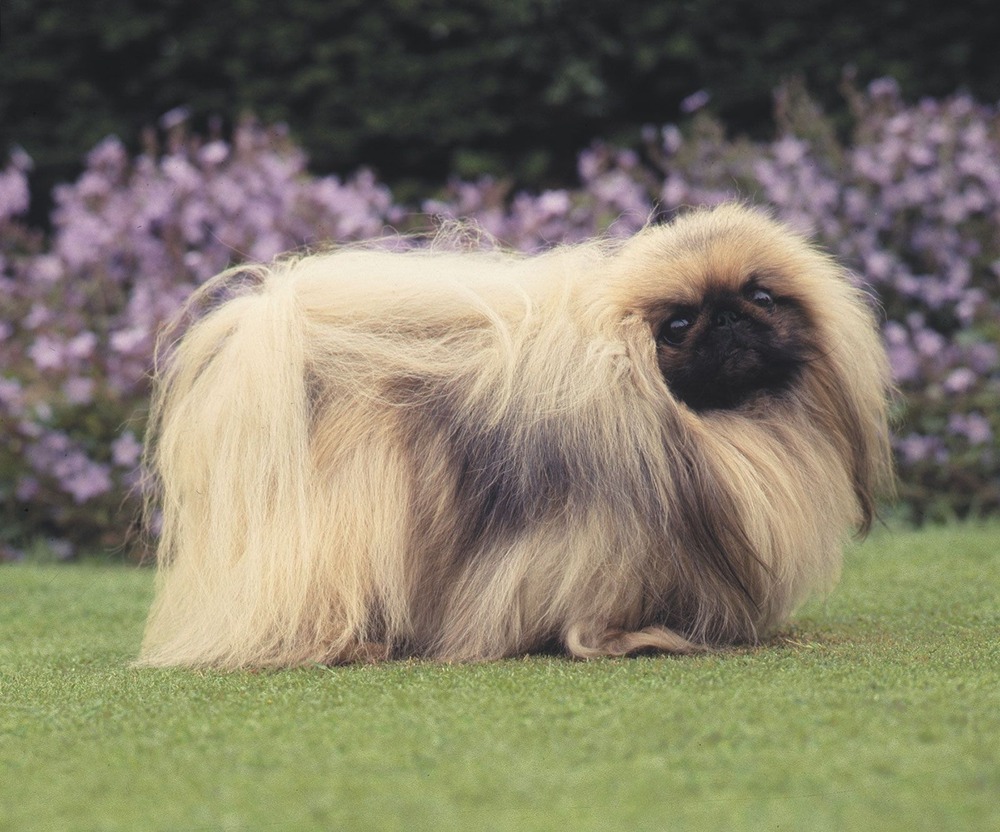
The coat is long and full, and it behaves like a magnet for burrs, food crumbs, and the dampness that can linger around skin folds. If grooming slips for even a couple of weeks, mats can form close to the skin, especially behind the ears, in armpits, and under the collar area.
Temperament, bonding, and suitability for families
Pekingese are often described as loyal and affectionate, but it is usually more accurate to say they are selective. Many form a strong attachment to one or two people, and keep a polite distance with strangers until they are satisfied the visitor belongs.3
They can work well in families, including apartments and quieter homes, when everyone understands a simple rule: respect the dog’s smallness. Rough handling, sudden grabbing, or children treating the dog like a plush toy is where problems start. Supervision matters, and so does teaching kids how to invite a dog in, rather than lifting it without warning.
With other pets, early, calm exposure tends to go further than forced “social” situations. A confident Pekingese may coexist easily with a cat or another steady dog. A worried Pekingese may use barking or stiff postures to manage space. Neither is unusual.
Training and exercise that fits the breed
Training a Pekingese is less about intensity and more about clarity. Short sessions, consistent cues, and rewards that actually matter to the dog work best. If you repeat a cue while the dog is distracted, many Pekingese simply learn that the cue is optional background noise.
Focus first on life skills that improve safety and handling:
- Harness comfort and walking politely without pulling.
- Gentle handling for brushing, eye cleaning, and nail trims.
- Recall practice indoors, then in low-distraction outdoor spaces.
- Settling on a mat, which helps in cafes, vet waiting rooms, and busy households.
Exercise needs are usually modest, but they still need daily movement and mental engagement. Think short walks, sniffing time, and simple puzzle feeders. For flat-faced dogs, heat and humidity change the equation quickly, so choose cooler parts of the day and keep sessions flexible.1, 2
Health realities in a flat-faced breed
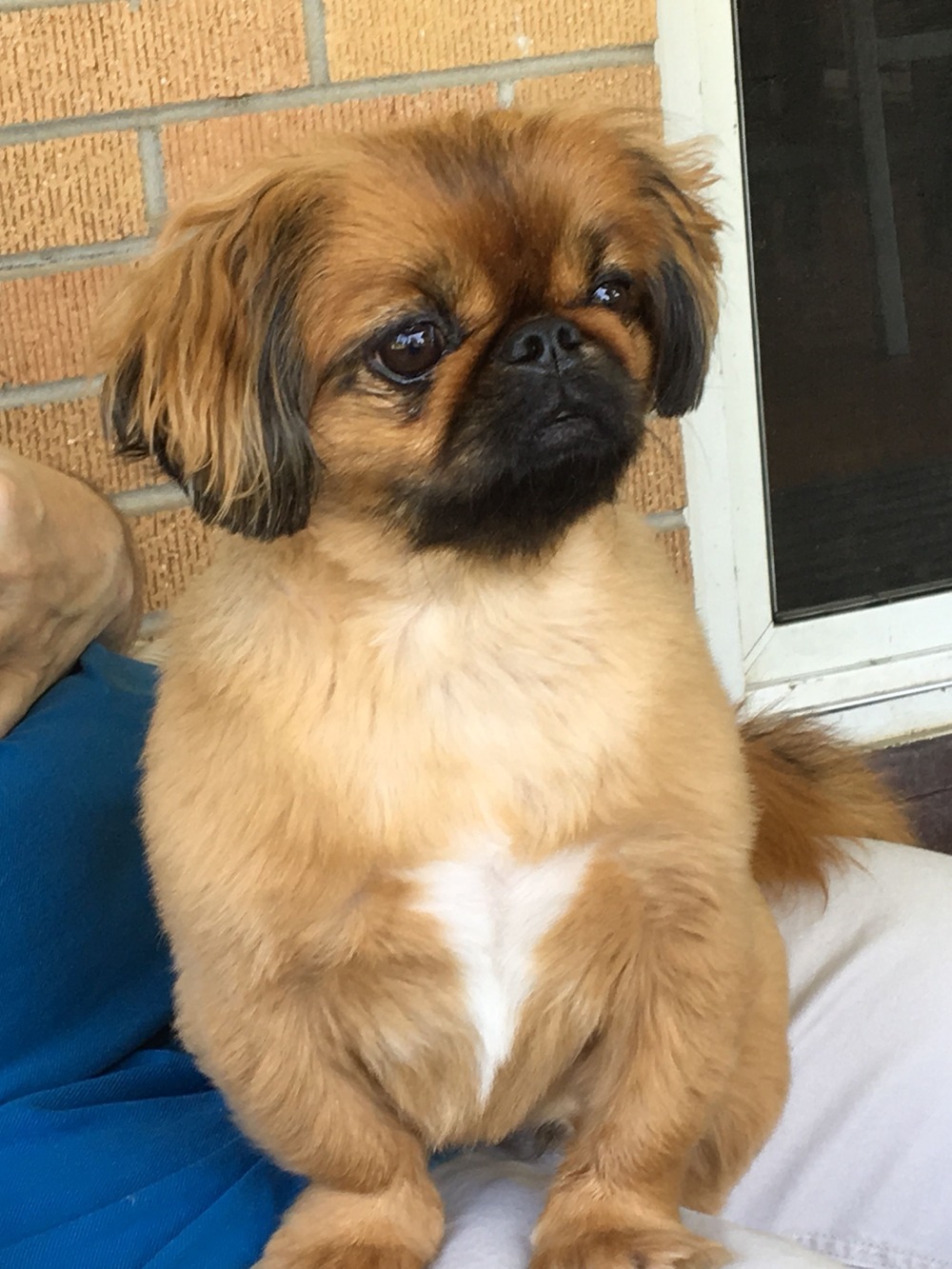
Pekingese are brachycephalic (flat-faced). That can be part of their charm, but it also means they are at increased risk of brachycephalic obstructive airway syndrome (BOAS), along with heat sensitivity and exercise intolerance. Noisy breathing and snoring are sometimes normalised, but they can also be signs that breathing is harder work than it should be.1, 2, 5
They are also prone to eye injuries and eye disease because of prominent eyes and facial shape. Even a minor knock on furniture, a cat swipe, or a scratch in long grass can become urgent quickly. Any squinting, sudden tearing, cloudiness, or holding the eye closed is a prompt to ring your vet.3
Common sense management makes a difference:
- Keep your dog lean rather than “solid”, extra weight worsens breathing strain.2, 6
- Use a harness instead of pressure on the neck.
- Plan for heat, indoor cooling, shade, and short toilet breaks on hot days.1, 6
- Ask your vet about BOAS assessment if your dog struggles on walks, overheats easily, or has breathing noise when awake and resting.5
Grooming and coat care without turning it into a battle
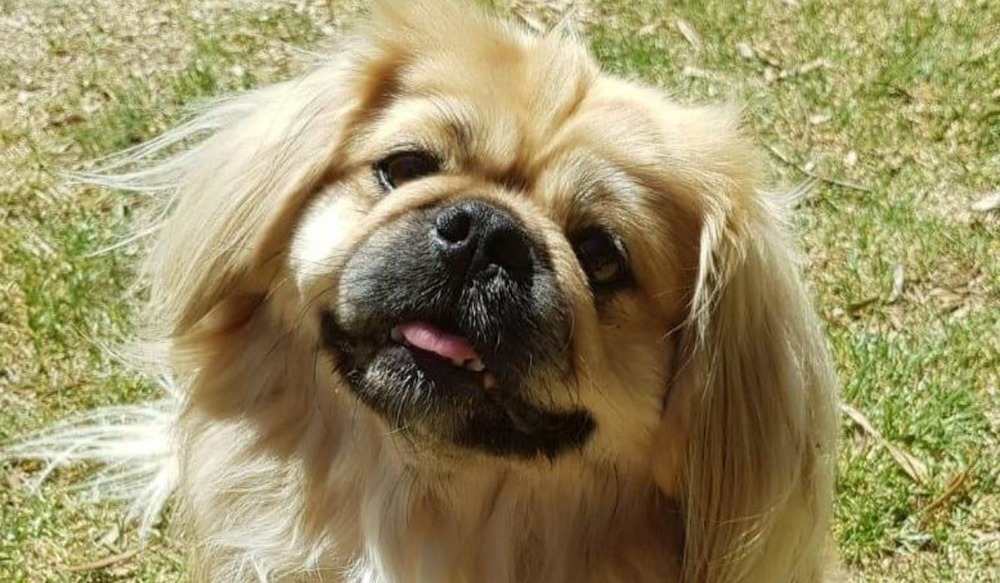
A Pekingese coat is beautiful, but it is also a daily environment. It holds warmth, traps moisture, and hides tangles close to the skin. The goal is not perfection, it is comfortable skin and a pain-free coat.
For many households, a workable rhythm looks like this:
- Brush and comb through the coat several times a week, checking behind ears, under legs, and around the tail.
- Keep the face clean and dry, especially around folds and under the eyes.
- Trim nails regularly, long nails can change posture and make that rolling gait less comfortable.
- Consider a “pet trim” with a groomer if the full coat is becoming unmanageable.
If you are starting grooming with a young dog, go slowly and pair each step with something the dog values. The point is to build tolerance for handling, because this breed often needs frequent coat and face care across its life.
Feeding, weight, and choosing a sensible diet
Pekingese do best when their weight is steady and their body condition stays on the lean side. With brachycephalic dogs, extra kilos can have an outsized effect on breathing comfort and heat tolerance.2
When choosing a food, it is tempting to judge by the ingredient list alone. Veterinary nutrition groups note that ingredients can be misleading, and recommend looking at the manufacturer’s quality control, nutritional adequacy, and whether the company employs qualified nutrition expertise.7
Practical feeding tips that usually help:
- Measure meals, then adjust based on body condition, not the label’s suggested portion.
- Keep treats small, and account for them daily.
- If your dog is noisy after eating, regurgitates, or seems uncomfortable, mention it to your vet, brachycephalic dogs can have upper airway and digestive complications that overlap.
A note on fame and modern popularity
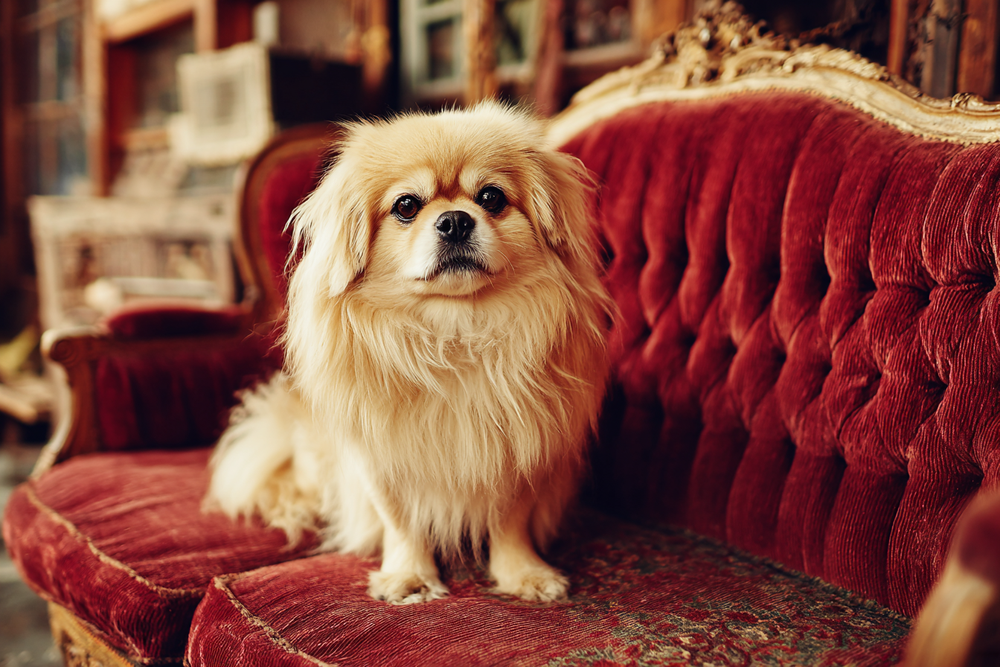
Pekingese have a long relationship with public attention, from royal courts to the show ring. In 2021, a Pekingese named Wasabi won Best in Show at the Westminster Kennel Club Dog Show, and the win briefly pushed the breed back into the general spotlight.8
It can be helpful to remember that show success highlights a particular expression of type, not necessarily an easy-care pet. If you are choosing a puppy, prioritise health, breathing comfort, and sensible structure over the most extreme version of the look. Welfare organisations and veterinary groups have been increasingly clear that exaggerated flat-faced traits can carry significant lifelong costs.1, 2
Living well with a Pekingese
A good life with a Pekingese is rarely about doing more. It is about doing the right small things consistently: grooming before mats start, walking when the weather suits, keeping weight steady, and building calm cooperation for handling.
If you are drawn to the breed because you want a dog that stays close, watches the world, and feels like a companion rather than a project, a Pekingese can be a lovely fit. Just go in with your eyes open and plan for comfort-first care, especially around heat and breathing.
References
- RSPCA Knowledgebase: What do I need to know about brachycephalic dogs?
- RSPCA Australia: The conversation we need to be having about brachycephalic dog breeds
- American Kennel Club: Pekingese
- Royal Collection Trust: Looty
- University of Cambridge: Scheme launched to improve health of flat-faced dog breeds (BOAS)
- Vets on Crown: Brachycephalic Airway Obstruction Syndrome (BAOS), a short guide for pet owners
- WSAVA: Global Nutrition Guidelines
- CBS News: Wasabi, a Pekingese, takes top honours at Westminster Kennel Club dog show (2021)