

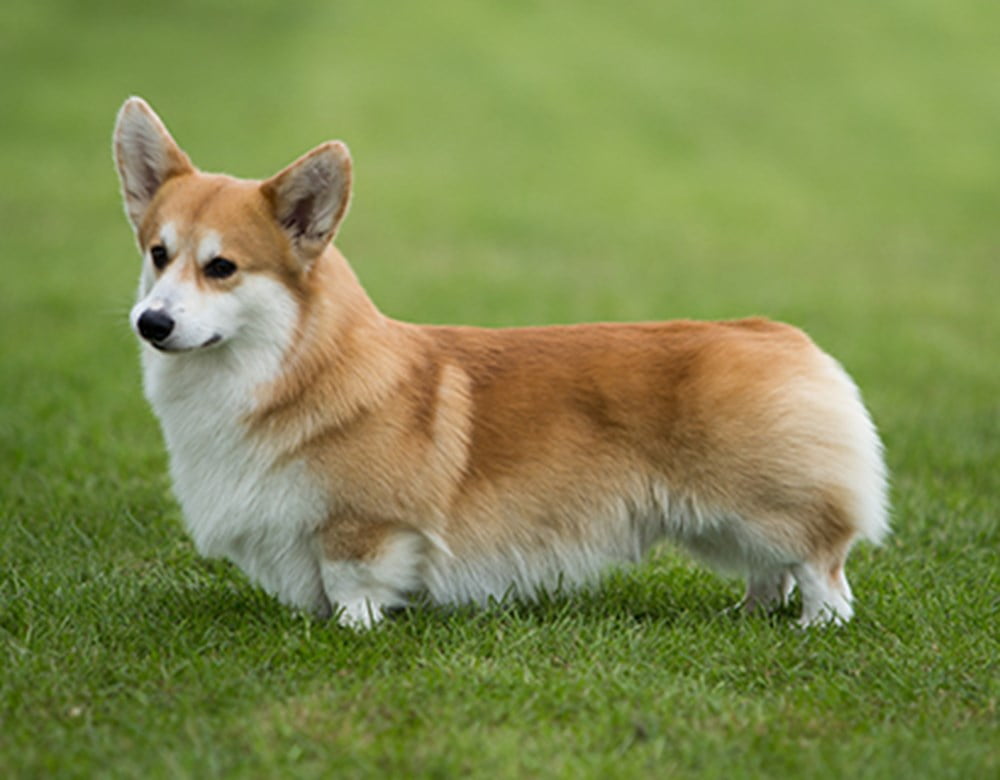
You usually notice a Pembroke Welsh Corgi before you meet one. The low, quick stride. The upright ears that seem to catch every sound. The way a small dog can take up a surprising amount of space in a room, simply by being switched on and ready for whatever happens next.
A lot of people assume corgis are “easy” because they are small, or “low energy” because of the short legs. In practice, they are often best understood as working dogs in a compact body. That background shapes everything from how they play with kids to why they bark at passing footsteps, and why they can become a bit too clever when they are under-stimulated.
If you are considering living with a corgi, or you already share a home with one, it helps to look past the cute silhouette and understand what the breed was built to do, and what they still need today to stay calm, healthy, and socially flexible.
Quick breed snapshot
Breed category: Herding
Origin: Wales
Typical size: about 25 to 30 cm at the shoulder
Typical weight: roughly 9 to 12 kg (many pet dogs fall outside the ideal range, often due to extra weight)
Typical lifespan: about 12 to 15 years
Coat: medium-length double coat, noticeable shedding
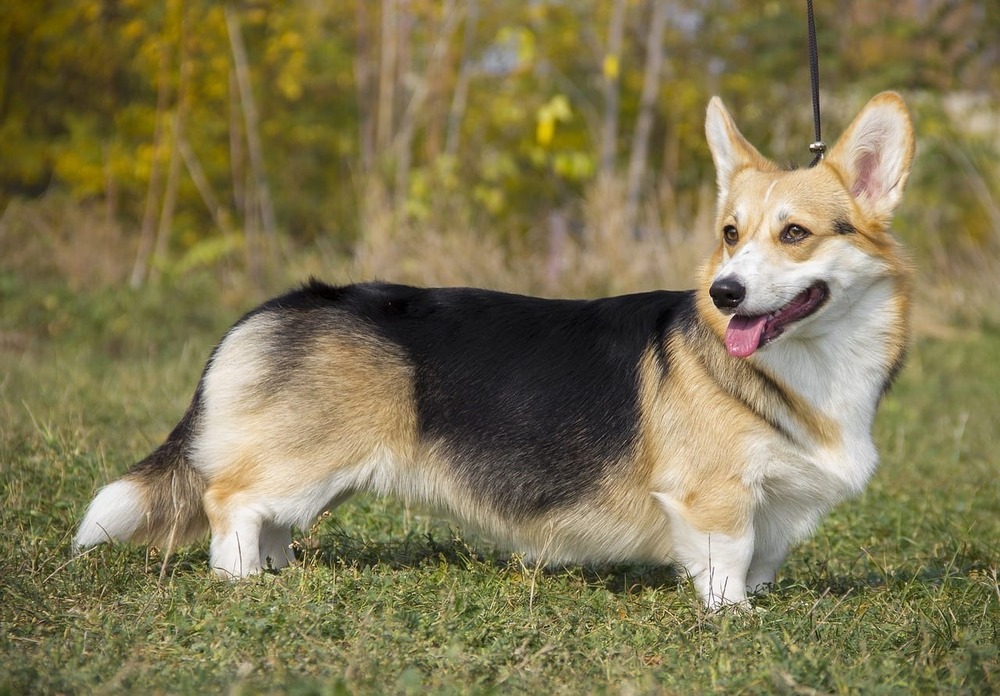
Common colours: red, sable, fawn, black and tan, often with white markings
Temperament, broadly: bright, sociable, bold, sometimes vocal
Early development and life as a herding dog

Pembroke Welsh Corgis developed in Wales as practical farm dogs, used to move livestock and fit into family life. Breed histories often trace their ancestry back many centuries, and while the finer points can be hard to pin down, what is clear is the job: a small, agile dog that could control larger animals by darting in close and driving movement from behind. 1
This is where a lot of modern corgi behaviour makes sense. That quickness, the attention to movement, and the tendency to “manage” bustling households can be part of the same herding toolkit. It is not aggression in the human sense, but it can look like bossiness if it is not guided.
One quiet misconception is that herding breeds need constant high-speed exercise to be “worn out”. Many do better with a blend of steady movement and thoughtful tasks, because mental work matters just as much as kilometres walked. 2
Appearance and the traits people notice first
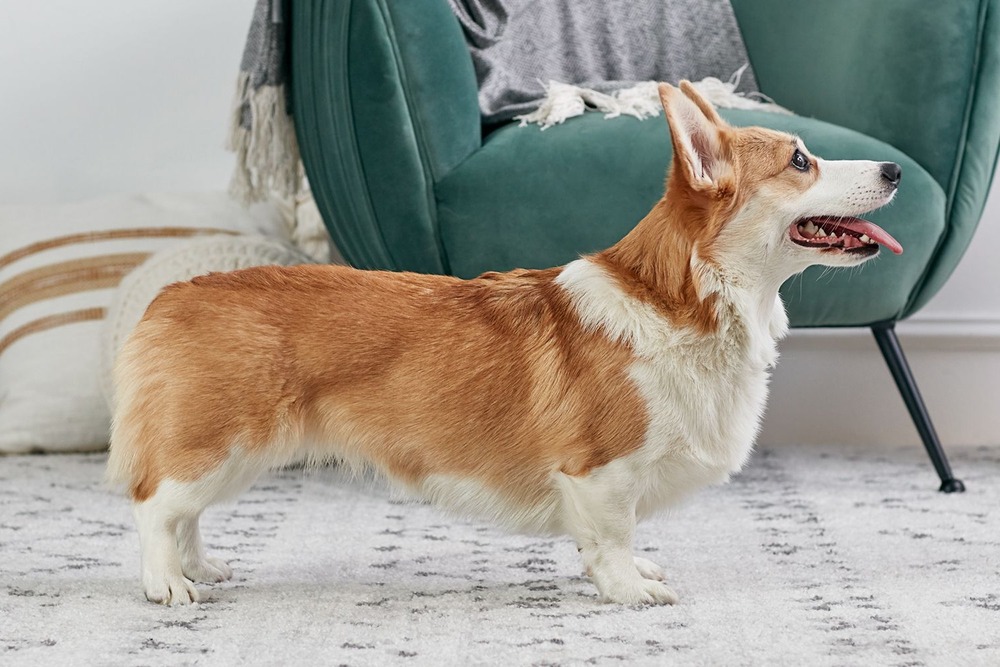
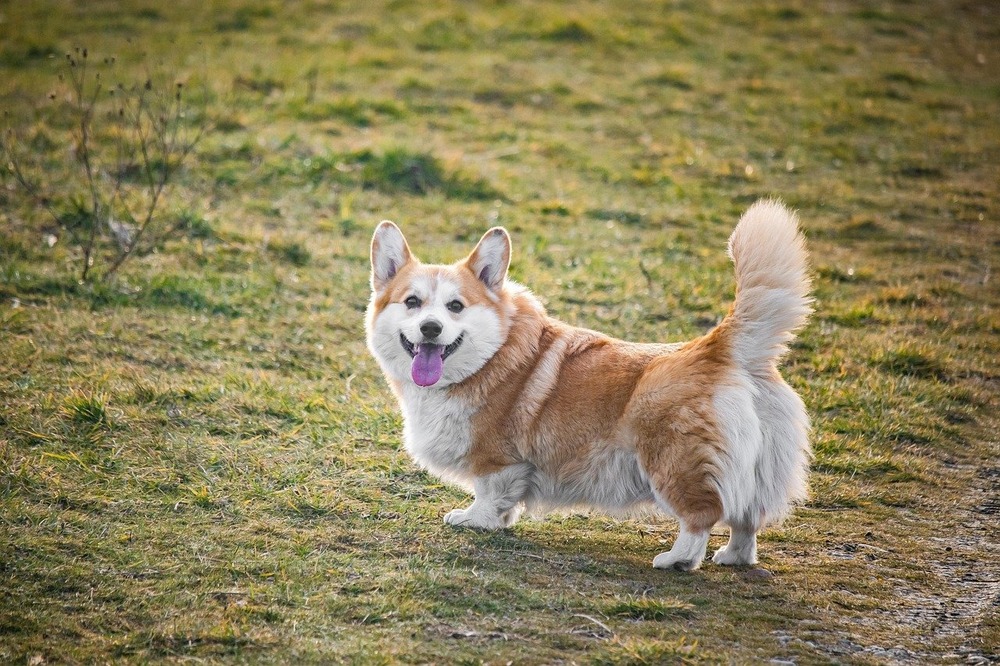
The corgi outline is distinctive: a moderately long body, a deep chest, and short, strong legs. Their expression tends to read as alert and engaged, helped along by the upright ears and fox-like head shape. The breed standard also reflects the practical coat, a straight, weather-resistant double coat that sheds. 3
The tail is an area where modern culture, tradition, and law do not always line up. In some countries, docking was historically common and is still mentioned in some breed standards. In Australia, cosmetic tail docking has been banned for many years, with docking permitted only for therapeutic reasons. 4
In day-to-day life, the most important “appearance” detail is not cosmetic at all. Because corgis are long-backed and can gain weight easily, keeping them lean helps protect joints and overall mobility across their life. 5
Temperament and suitability, beyond the stereotype
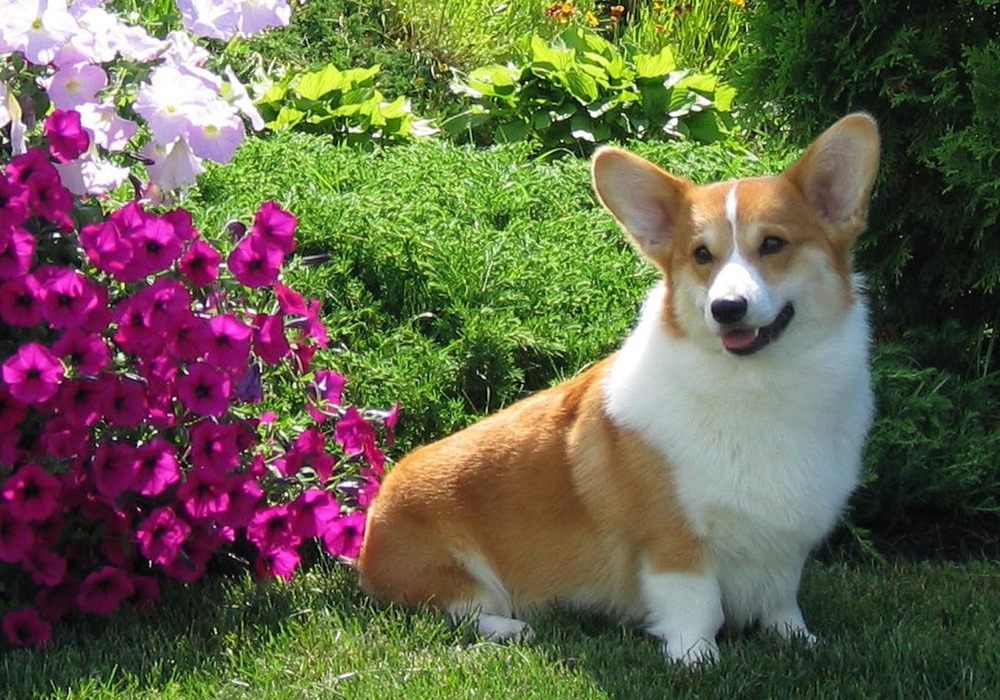
Pembroke Welsh Corgis are often described as friendly and bright, and many are genuinely social dogs. At the same time, they are not universally “easy-going”. They notice patterns, they notice routines, and they can be quick to fill in the gaps when humans are inconsistent.
In a family setting, corgis often thrive when there are clear boundaries and predictable outlets for energy. They tend to enjoy being included in daily life, which can mean following you from room to room, supervising visitors, and offering commentary at the window if you have not taught a different habit.
With children, many corgis are lovely companions, but it helps to remember the herding heritage. Some pups experiment with heel-nipping or body-blocking, especially when kids run, squeal, or play chase games. The goal is not to label the dog as “naughty”, but to redirect early and make calm behaviour pay. 2
With other pets, early socialisation and ongoing management matter. A corgi can learn to live politely with other dogs and cats, but you may still see attempts to control movement, especially in exciting moments like doorbells and dinner time.
Training and exercise that suits a corgi brain
Most corgis respond well to reward-based training, partly because they are quick learners and partly because many are highly food-motivated. This is useful, but it comes with a catch: you can accidentally reinforce demanding behaviour if treats appear whenever the dog barks, paws, or nudges.
A practical approach is to teach a few home-life skills early, then keep them in rotation. Many owners find these especially helpful:
- Settle on a mat (calm behaviour as a trainable skill)
- Recall games and “find it” scatter feeding for sniffing
- Loose lead walking, with attention paid to triggers like other dogs
- Impulse control around doors, cars, and dropped food
Exercise does not need to be extreme, but it does need to be regular. Breed clubs commonly describe a “modicum” of exercise plus mental stimulation, with sensible limits in heat or cold. 2
If you are managing stairs or furniture, it is worth being realistic rather than fearful. Corgis are generally capable of normal steps, but puppies benefit from being taught carefully, and it is wise to discourage launching off high furniture as a habit. 2
Health to watch, and the everyday habits that matter most

Pembroke Welsh Corgis are often robust little dogs, and many live well into their teens. Still, like any breed, they have patterns of risk. Hip and elbow dysplasia, eye disorders, and conditions such as degenerative myelopathy are commonly discussed in breed health information. 5
If there is one issue that quietly affects a lot of corgis, it is weight. Excess body fat can make everything harder: movement, heat tolerance, stamina, and long-term joint comfort. A useful, non-judgemental way to check is body condition scoring, which your vet can show you, but you can also learn the basics by looking for a waist and feeling for ribs under a light fat cover. 6
Preventative care is mostly the unglamorous stuff done well, over and over:
- Regular veterinary checks and sensible parasite control
- Weight monitoring (small changes add up quickly in small dogs)
- Dental care, including home brushing where possible
- Joint-friendly conditioning, especially as they age
Coat care, grooming, and living with the shedding
The corgi coat is designed for outdoor work. It insulates, it repels weather, and it sheds. Some owners expect grooming to be “minimal” because the dog is small, then feel surprised when the seasonal coat drop arrives and the vacuum starts earning its keep.
A simple routine is usually enough:
- Brush weekly most of the year, and more often during heavier sheds
- Bathe occasionally, using a dog-appropriate shampoo, and dry the undercoat properly
- Check ears, trim nails, and keep an eye on paw pads
If you notice persistent itch, redness, ear discharge, or a sudden change in coat quality, it is worth a veterinary check. Skin and ears can be early indicators that something in diet, parasites, or allergy load has shifted.
Feeding well, without letting food become the whole relationship
Corgis tend to be enthusiastic eaters. That can make training easier, but it also means portion control matters from the start. Many dogs do well on two measured meals a day, with treats accounted for as part of the daily intake rather than “extras”. 7
If you feel overwhelmed by food marketing, you are not alone. Veterinary organisations encourage choosing diets based on complete and balanced nutrition, and using your vet team to tailor intake to the individual dog’s age, body condition, and health needs. 8
For safety, keep common toxins out of reach. Chocolate, grapes and raisins, onions, and some sugar-free products containing xylitol can be dangerous for dogs. If you suspect ingestion, treat it as urgent and contact a vet or poison advice service immediately. 9
Closing thoughts on living with a Pembroke Welsh Corgi
A Pembroke Welsh Corgi can be a brilliant companion if you enjoy a dog that participates in life rather than simply fitting around it. Their best qualities show up when their needs are met in ordinary ways: consistent routines, kind, structured training, daily movement, and enough mental work to keep that sharp little brain from inventing its own jobs.
When people struggle with corgis, it is often not because the dog is “too much”. It is because the household accidentally treats them like a decorative small breed, then wonders why the barking, nipping, or restlessness appears. Seen as a herding dog in miniature, the corgi becomes easier to understand, and easier to live with.
References
- The Westminster Kennel Club, Pembroke Welsh Corgi overview
- Pembroke Welsh Corgi Club of America, Pembroke Welsh Corgi FAQs (exercise and stairs)
- The Kennel Club (UK), Welsh Corgi (Pembroke) breed standard
- RSPCA Knowledgebase, legality of tail docking in Australia
- WebMD, What to know about Pembroke Welsh Corgis (health issues overview)
- RSPCA Knowledgebase, how to tell if your dog is overweight
- Purina, Feeding and caring for your Pembroke Welsh Corgi (feeding schedule and weight gain risk)
- World Small Animal Veterinary Association (WSAVA), Global Nutrition Guidelines
- RSPCA Knowledgebase, foods poisonous to dogs