

- Breed category: Working dog
- Country of origin: Spain
- Average height: Males 44 to 50 cm, females 40 to 46 cm
- Average weight: Males 18 to 22 kg, females 14 to 18 kg
- Average life span: 12 to 14 years
- Grooming requirements: Regular clipping, minimal brushing (often none)
- Exercise requirements: High, needs daily exercise and mental work
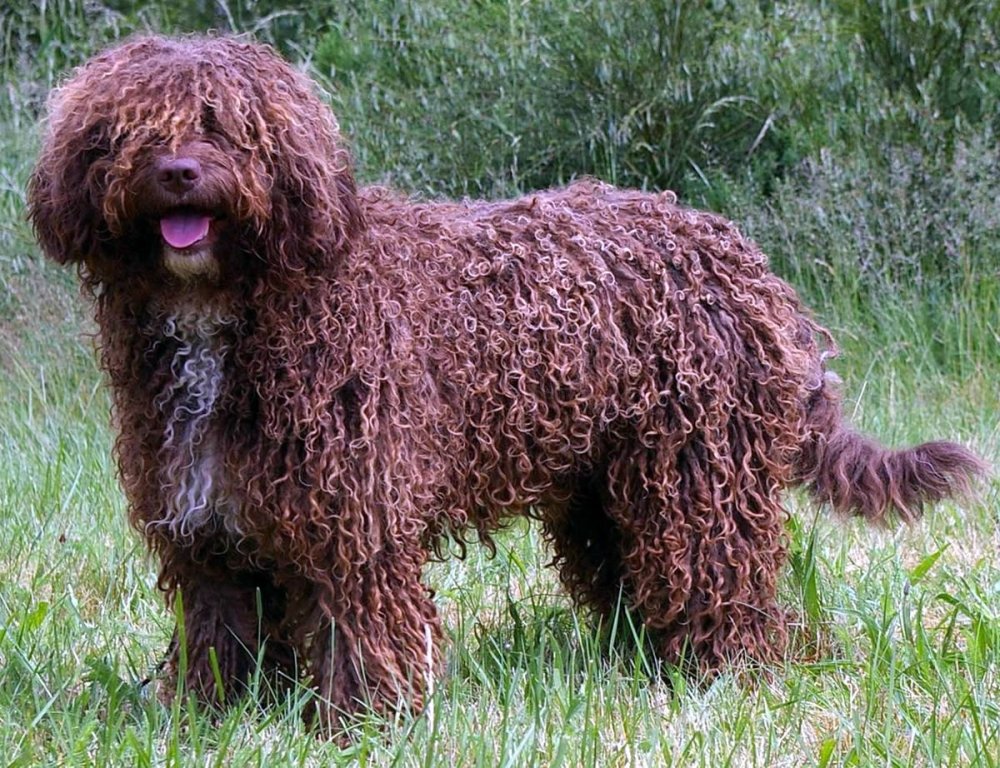
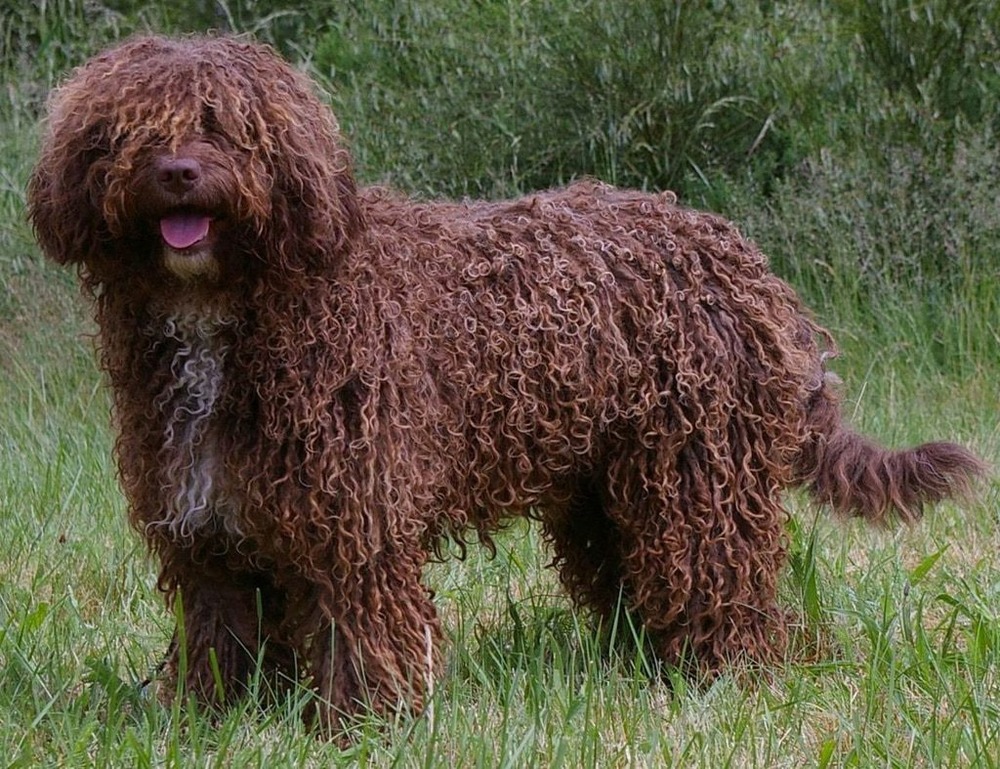
- Coat type: Curly, woolly single coat
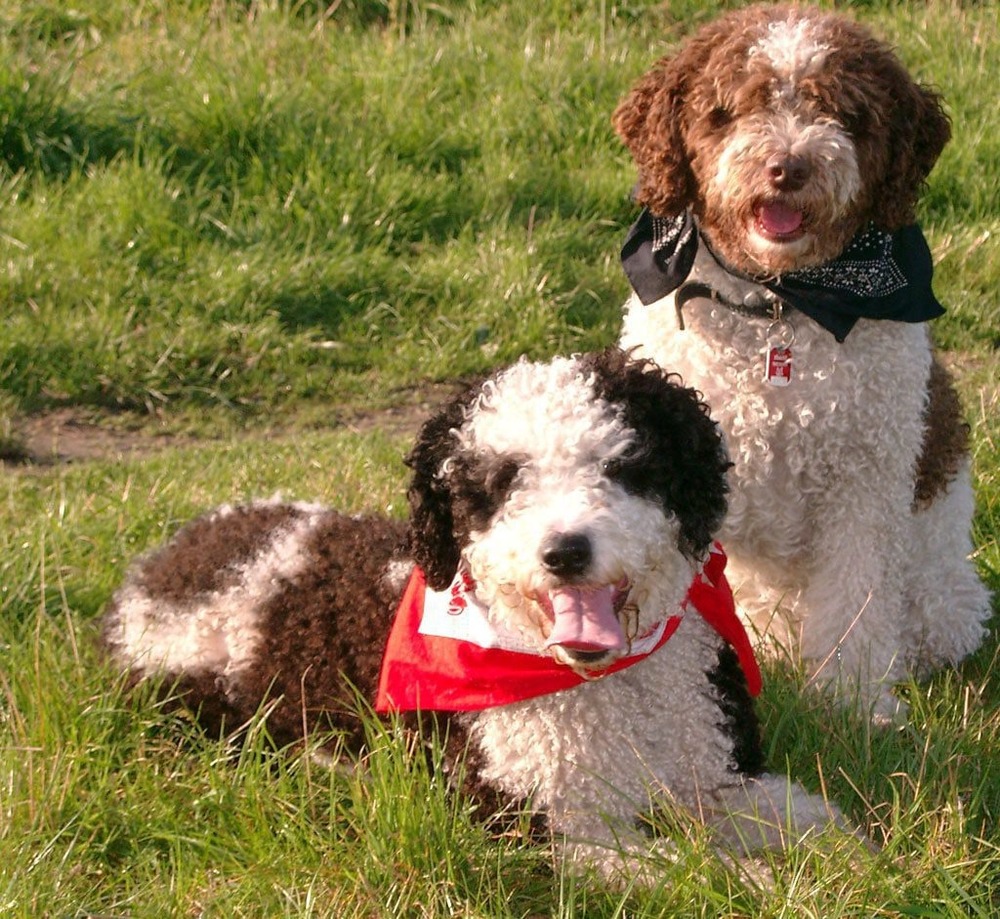
- Coat colour variations: Black, brown, white, or bicolour with white
- Shedding level: Low
- Ear type: Dropped
- Tail type: Natural or docked (where legally permitted)
- Temperament: Loyal, energetic, intelligent, often wary with strangers
- Intelligence level: High
- Barking tendency: Moderate
- Compatibility with children: Often good with thoughtful introductions and supervision
- Compatibility with other pets: Often good with early socialisation
- Training ease: Usually strong, responds well to reward-based methods
- Common health considerations: Hip dysplasia, inherited eye disease (including some forms of PRA), allergies
- Dietary needs: A balanced diet tailored to age, body condition, and workload
- Energy level: High
- Drooling tendency: Low
- Sensitivity to weather: Moderate, avoid heat stress and extreme cold
- Overall maintenance level: Moderate
- Original purpose: Herding, hunting support, and water work alongside fishers
- Recognition (FCI): Definitive recognition in 1999, standard updated in 2019
- Apartment friendly: Possible, if exercise and enrichment are consistent
- Best suited for: Active households, people who enjoy training and outdoor time
- Cost of ownership: Moderate
- Unique traits: A rustic working coat that can cord, versatile across land and water tasks
- Cultural significance: Traditional Spanish working dog, strongly associated with Andalusia
You might notice them at the beach, at an agility trial, or on a walk where the coat looks like tight curls or soft cords, and wonder what sort of dog could possibly enjoy water and mud that much. The Spanish Water Dog (Perro de Agua Español) has a look that can feel a bit unfamiliar at first, especially if you are used to breeds that are brushed smooth and clipped into neat outlines.
It is easy to assume that a low-shedding coat means low maintenance, or that a bright, lively dog will simply “grow out of” exuberant behaviour with age. With this breed, the reality tends to be more practical. Their coat has its own rules, and their working background shows up in everyday life through energy, alertness, and a real need for something meaningful to do.
When people thrive with Spanish Water Dogs, it is usually because they lean into what the dog is, rather than trying to make it fit a quieter picture. A little understanding goes a long way, both for welfare and for that calmer, settled feel most owners are hoping for.
Where the Spanish Water Dog comes from
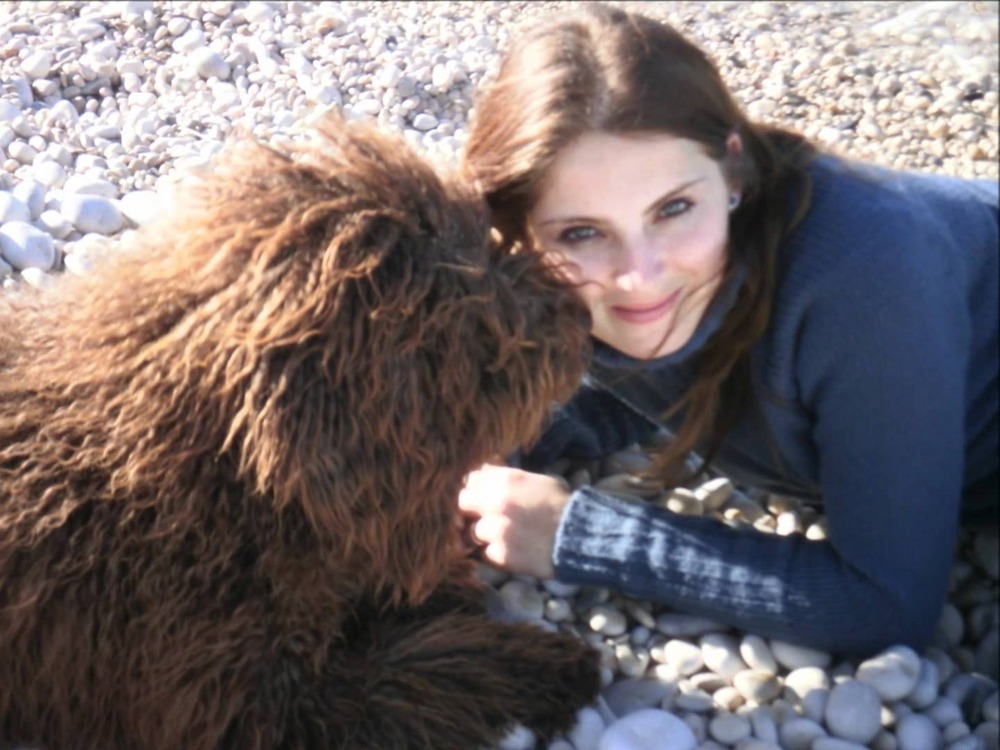
Spanish Water Dogs are a long-established working type from Spain, historically valued for their ability to switch between tasks. In the official breed standard, they are described as a rustic, athletic dog with well-developed senses, suited to herding and supporting hunters and fishers in wet environments.1
Andalusia is often mentioned as a stronghold for the breed, where dogs were used on farms and around marshy regions that demanded both stamina and a practical, weather-ready coat. That background matters because it helps explain why many Spanish Water Dogs still bring a “ready for work” attitude into family life.1
Modern recognition varies by organisation, but within the FCI system the breed was definitively recognised in 1999, and the published standard has been updated since then. If you are comparing sources, it helps to look for dates and which kennel body is being referenced, as older articles may quote earlier versions of the standard.2
Appearance and coat, the part most people get wrong
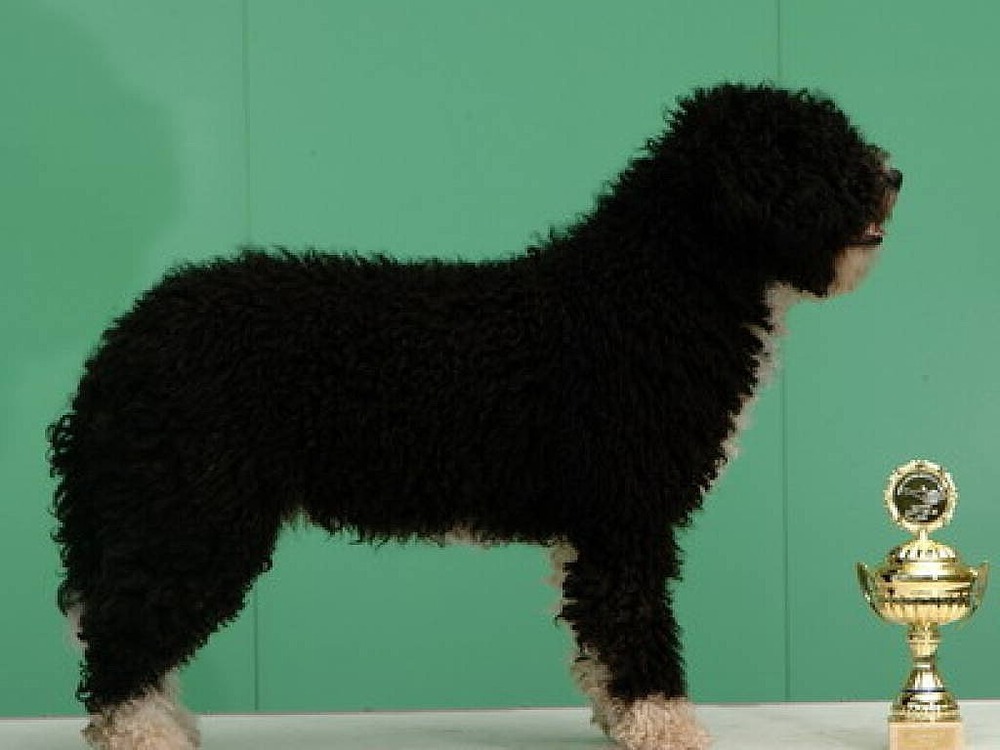
The defining feature is the woolly, curly single coat. It can be kept in tight curls or allowed to form cords, and it tends to shed very little compared with many double-coated breeds. Low shedding, however, is not the same as low care. The coat can felt and tighten near the skin if it is handled like a typical “brush and blow-dry” breed.3, 4
Breed clubs and standards commonly advise that the coat should not be brushed or combed in the usual way. Instead, many owners manage it through occasional bathing (carefully), separating cords if you keep a corded coat, and clipping the coat evenly when it becomes too long or difficult to maintain. A lot of people find it simplest to commit to a regular clip schedule and keep things practical.3, 4
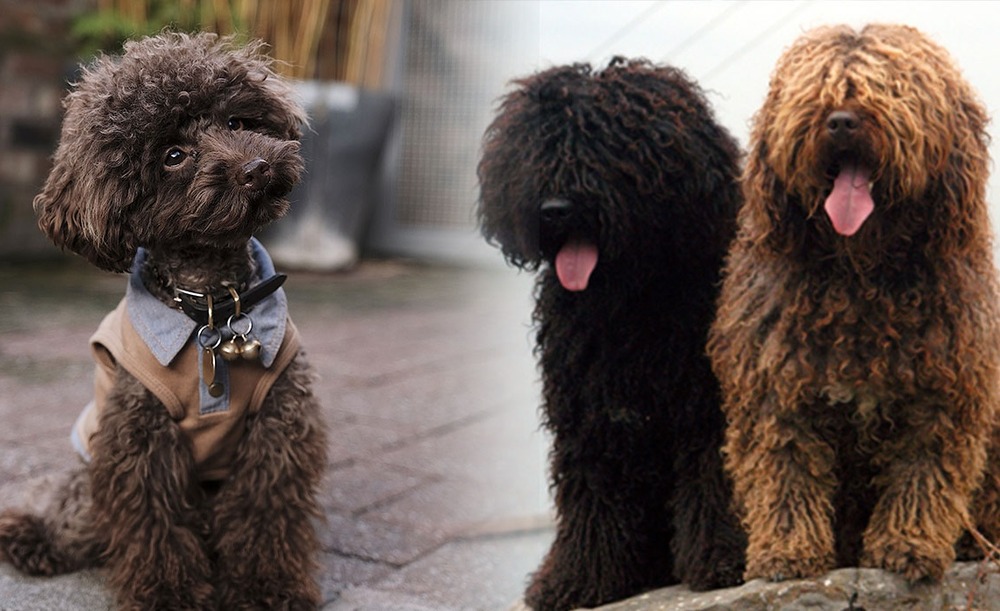
Colour is typically black, brown, white, or bicolour with white. Tri-colour is not accepted in breed standards, so if you see that described in a listing, it is worth asking careful questions about parentage and paperwork.1
Temperament in day-to-day life
At their best, Spanish Water Dogs are bright, biddable and deeply engaged with their people. Many are naturally watchful and can be wary of strangers, which is not the same thing as being unfriendly. It often means they need time, space, and calm introductions, rather than being pushed into enthusiastic greetings.1
Their working heritage can show up as “sticky” attention, shadowing you from room to room, and a strong interest in movement. In some dogs, that can look like gentle herding behaviour around children, joggers, or other pets. It is not a moral failing or “dominance”. It is usually a mix of genetics, arousal, and learned habits, and it can be shaped with training and management.
In a household, they tend to do best when the adults are comfortable setting clear routines, and when kids are guided to interact in a calm, respectful way. As with any medium-sized, energetic working breed, supervision matters, especially in the early months as everyone learns each other’s patterns.
Training and exercise that actually suits the breed
Spanish Water Dogs are typically quick to learn, but they are not always forgiving of muddled communication. The best results usually come from reward-based training that makes the “right” behaviour easy to repeat, and the “wrong” behaviour hard to practise. This approach is widely recommended by welfare organisations because it supports learning and helps protect the human-dog relationship over time.5, 6
Aversive tools and punishment can suppress behaviour without teaching the dog what to do instead, and can increase risk and fallout in some dogs. If you are working through barking, jumping, or reactivity, it is usually worth choosing a qualified trainer who can coach timing, reinforcement, and setup, rather than escalating corrections at home.6
Exercise needs are real, but it is not just about running them into the ground. Think in terms of a daily blend of:
- steady movement (walks, hikes, swimming where safe)
- skill work (recall games, loose-lead walking, basic obedience)
- brain work (scent games, food puzzles, trick training)
Many individuals love water, but always treat swimming like any other sport: build it gradually, supervise closely, and be mindful of currents, heat, and water quality. If your dog is a keen retriever, structured fetch with rules can be useful, but endless high-speed throwing can create a dog that is fitter and more frantic, not calmer.
Health considerations and what to ask breeders about
Spanish Water Dogs are often described as generally healthy, with a typical lifespan in the low-to-mid teens, but they do have known inherited risks. Breed sources commonly mention hip dysplasia and inherited eye conditions (including some forms of progressive retinal atrophy), along with skin or allergy issues in some lines.3, 4
If you are buying a puppy, ask what health screening is done in that breeding program, and ask to see evidence. For hips, many breeders use formal scoring schemes. For eyes, ask what tests are used and whether they include relevant DNA screening for known variants in the breed, where available.7
For any dog, keep an eye on the basics that quietly make the biggest difference: maintaining a healthy body condition, keeping nails and teeth managed, and addressing itch, ear trouble, or changes in vision early rather than waiting for them to become “normal for the breed”.
Feeding and nutrition, keeping it simple and evidence-led
Active dogs can look like they need endless calories, but the goal is usually a steady body condition, not maximum intake. Nutrition guidance from veterinary bodies tends to emphasise an individual approach, using regular assessment of weight, body condition, and lifestyle to choose the right diet and portions.8
If you are deciding between kibble, wet food, home-prepared, or raw feeding, it is worth discussing the plan with your vet, especially for growing puppies or dogs doing high workloads. Whatever the format, look for a complete and balanced diet appropriate to your dog’s life stage, then adjust amounts based on condition and activity rather than the packet alone.8
Treats matter in training, but they add up quickly. A useful habit is to measure the day’s training treats out in advance, or swap part of the daily ration into your treat pouch, so rewards do not quietly become an extra meal.
Living with a Spanish Water Dog, who they suit best
A Spanish Water Dog can live happily in a range of homes, including smaller spaces, as long as the daily rhythm includes real exercise and enrichment. The bigger question is not the size of your backyard, but whether you enjoy a dog that notices things, learns quickly, and wants to be involved.
They often suit people who like training as a normal part of life, and who are comfortable with a dog that may be reserved until they feel safe. If your preference is for a very socially outgoing dog that welcomes every stranger with zero fuss, you may find this breed asks more of you than you expected.
For the right household, though, they can be deeply satisfying companions: practical, funny to watch, and capable of doing real work, even if that work is simply being a steady partner on long walks and learning new skills with you.
References
- Fédération Cynologique Internationale (FCI): Perro de Agua Español (Spanish Water Dog), breed nomenclature and standard information
- Fédération Cynologique Internationale (FCI): Perro de Agua Español (336), recognition dates and standard publication dates
- Spanish Water Dog Club of America (SWDCA): Breed information and grooming guidance
- Spanish Water Dog Club of America (SWDCA): AKC breed standard, coat and temperament notes
- RSPCA Australia Knowledgebase: Training recommendations and welfare considerations
- RSPCA Australia Knowledgebase: Reward-based dog training and why it is supported
- Orthopedic Foundation for Animals (OFA): CHIC program requirements for Spanish Water Dog
- World Small Animal Veterinary Association (WSAVA): Global Nutrition Guidelines