


- Breed category: Herding
- Also known as: Ca de Bestiar (Majorca Shepherd Dog)
- Country of origin: Spain (Balearic Islands)
- Typical height: Males 66 to 73 cm, females 62 to 68 cm1
- Typical weight: About 40 kg on average (varies by build and working type)1
- Life expectancy: Commonly around 10 to 13 years (individual variation is normal)
- Coat type: Usually short and dense, long-coated dogs also exist1
- Common coat colours: Often black, sometimes with small white markings
- Exercise needs: High, best with daily physical work plus mental enrichment
- Grooming: Moderate, regular brushing and routine care
- Best suited to: Active, experienced homes, ideally with space and structured routines
People usually find the Perro de Pastor Mallorquin after noticing a striking, all-black shepherd-type dog online, then wondering if it is “just another” herding breed or something more specific. The curiosity makes sense. This dog is often described in broad strokes, loyal, protective, intelligent, but that does not tell you what daily life feels like with one.
In practice, the important questions are quieter and more practical. How much guidance does a dog like this need to settle well in a home? What happens when a breed developed for long days of stock work is asked to fit into suburban routines? With the Mallorquin Shepherd, the answers tend to revolve around structure, outlet, and sensible socialisation, rather than a single headline trait.
This breed can be an impressive companion in the right hands, but it is not a “set and forget” dog. Understanding where the breed comes from helps explain why they can seem calm one moment and intensely switched on the next.
Origins and what the breed was made for
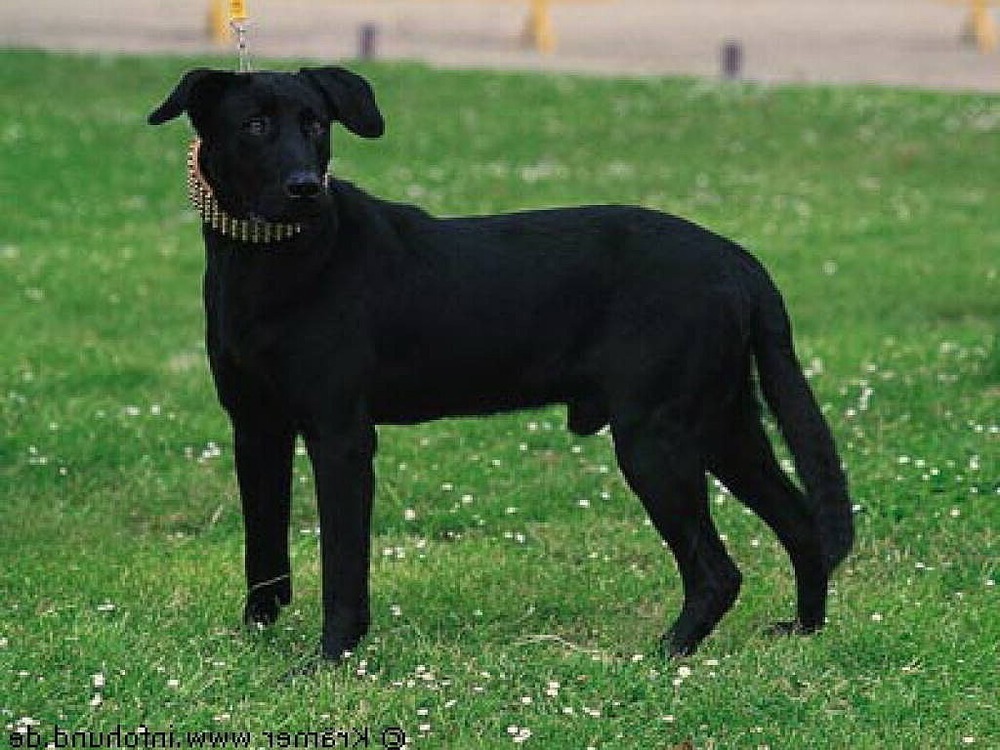
The Perro de Pastor Mallorquin is better known internationally by its Balearic name, Ca de Bestiar, which reflects its history as a general farm and stock dog. On Mallorca and the surrounding islands, dogs were expected to move livestock, hold boundaries, and provide a steady presence around property.1
That background tends to show up in modern homes as a dog that is observant and responsive, often choosing a vantage point and keeping track of what is happening. This is not necessarily “dominance” or stubbornness. It is more accurately a working habit, a dog shaped to make decisions at a distance, then follow through.
It also helps explain why many individuals do best when their days include a clear job, or at least a predictable routine that gives their energy somewhere to go.
Temperament in real homes
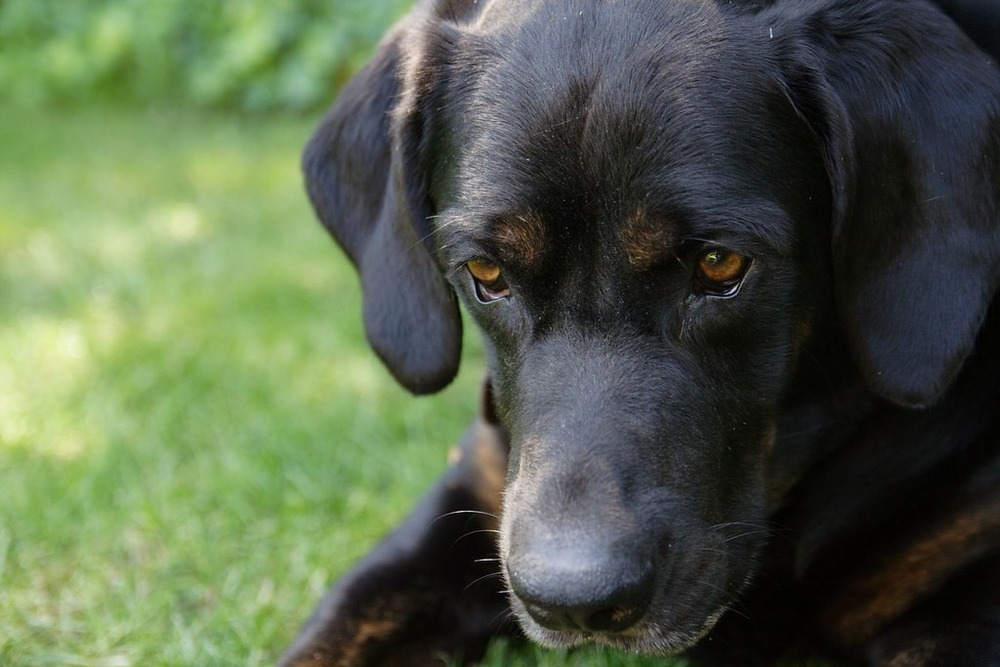
At their best, these dogs can be steady, bright, and deeply engaged with their people. Many are naturally vigilant, which can be helpful on a property, but needs thoughtful handling in built-up areas where visitors, neighbours, and passing dogs are part of everyday life.
A common misunderstanding is that “protective” automatically means a good fit as a casual family dog. In reality, protective instincts need shaping. Without early social learning and ongoing reinforcement of calm choices, a dog can start to rehearse over-watching, fence running, or reactive barking, especially if the environment feels busy or unpredictable.
With children, success usually comes down to normal sensible management: respectful interactions, supervision, and teaching kids not to push into a dog’s space when the dog is resting or eating. With other dogs, many can do well, but the same principle applies. Early, well-managed experiences matter more than assumptions about breed “friendliness”.
Training that suits a serious herding dog
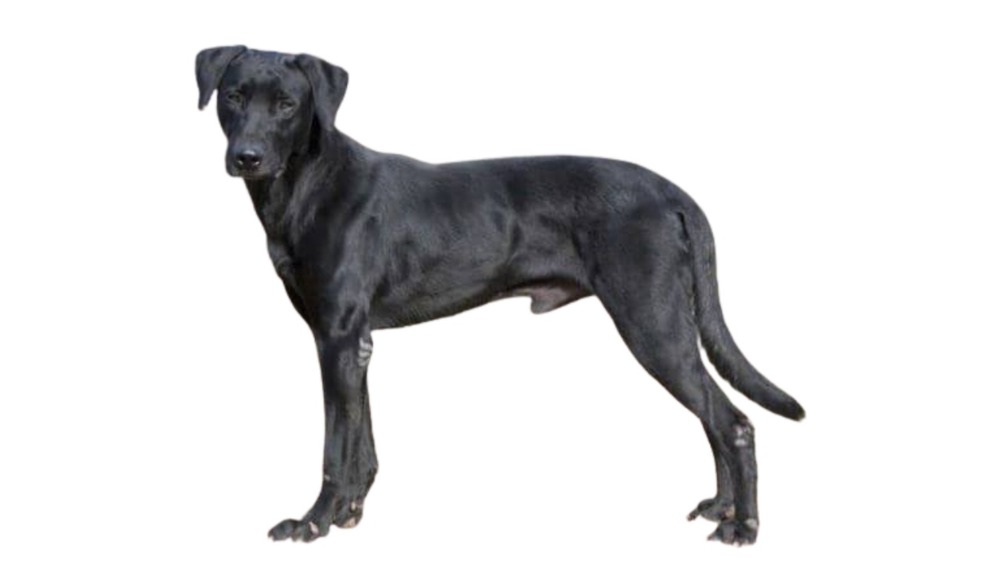
This is a breed that often responds best to training that is clear, consistent, and fair. Reward-based methods are not “soft”. They are practical, especially for dogs that are switched on and quick to learn patterns, including the patterns you did not mean to teach.2
If you are seeing guarding behaviours, trouble settling, or escalating arousal on lead, it is worth getting qualified help early. A good trainer will focus on the foundations that change day to day life: reinforcement for calm, structured greetings, boundaries around windows and fences, and teaching the dog how to disengage.
It is also worth avoiding training tools and approaches that rely on pain or intimidation. Beyond the welfare concerns, aversive methods can increase risk around fear and defensive behaviour in some dogs, which is the opposite of what most people want when they choose a protective breed.2
Exercise and enrichment (what “enough” looks like)
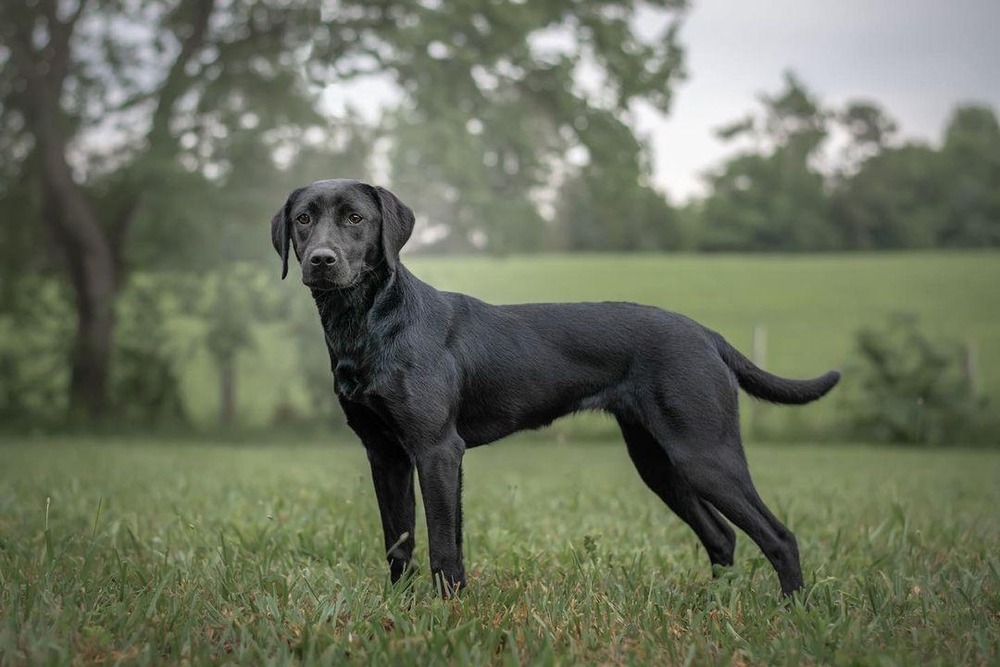
These dogs usually need more than a quick lap of the block. Not because they are impossible to tire out, but because their brains were built for sustained attention and problem solving.
A useful way to think about it is: physical exercise keeps the body comfortable, but enrichment keeps the behaviour stable. Many dogs do well with a mix of:
- brisk walking or hiking plus time to sniff
- obedience or skills practice in short sessions
- food puzzles, scatter feeding, and search games
- sport-style outlets (such as tracking, agility foundations, or structured tug with rules)
Because this breed comes from a warm Mediterranean region, it is sensible to plan exercise around heat. In Australian conditions, prioritise early morning or evening movement during hot spells, keep water available, and watch for signs of heat stress like heavy panting, drooling, weakness, or vomiting.3
Health considerations and vet planning
There is not as much published, breed-specific health data in English for the Ca de Bestiar as there is for some more common shepherd breeds. That means it is especially important to approach health with good general habits and a strong relationship with your vet.
Many large, athletic working dogs can be affected by orthopaedic issues, including hip dysplasia, and some lines may have eye conditions reported by owners. Rather than assuming, ask breeders for health testing evidence, ask what problems they see in their lines, and ask your vet what screening is appropriate as your dog matures.
Keep an eye on the things that quietly change a dog’s body over time: weight creep, declining fitness, reluctance to jump into the car, or stiffness after rest. Early action usually buys the best outcomes.
Coat care, shedding, and everyday maintenance
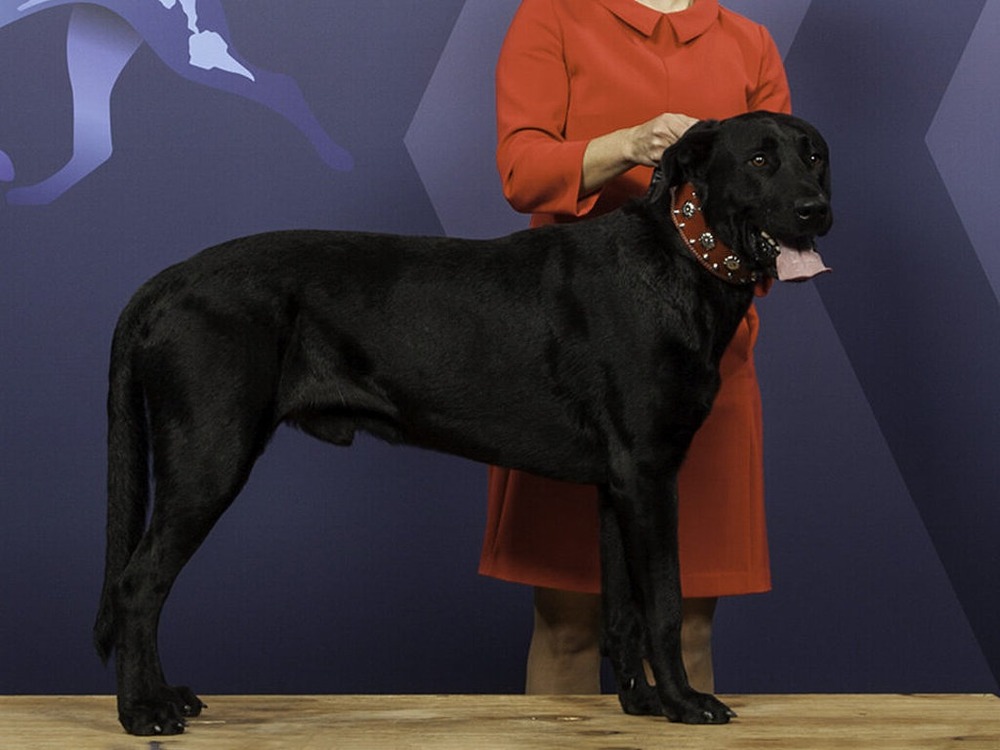
Most Perro de Pastor Mallorquin dogs are short-coated and fairly straightforward to maintain. Regular brushing helps lift dust and loose hair and gives you a chance to check skin, paws, and ears. Some dogs also have a longer coat type, which tends to need a more deliberate brushing routine to prevent mats in friction areas.1
Beyond the coat, the basics matter more than fancy products. Keep nails at a functional length, maintain dental care, and check ears if your dog swims or is prone to wax build-up. If you are unsure what “normal” looks like for your dog’s skin or ears, take photos when things are good. It makes subtle changes easier to spot.
Feeding, body condition, and common food hazards
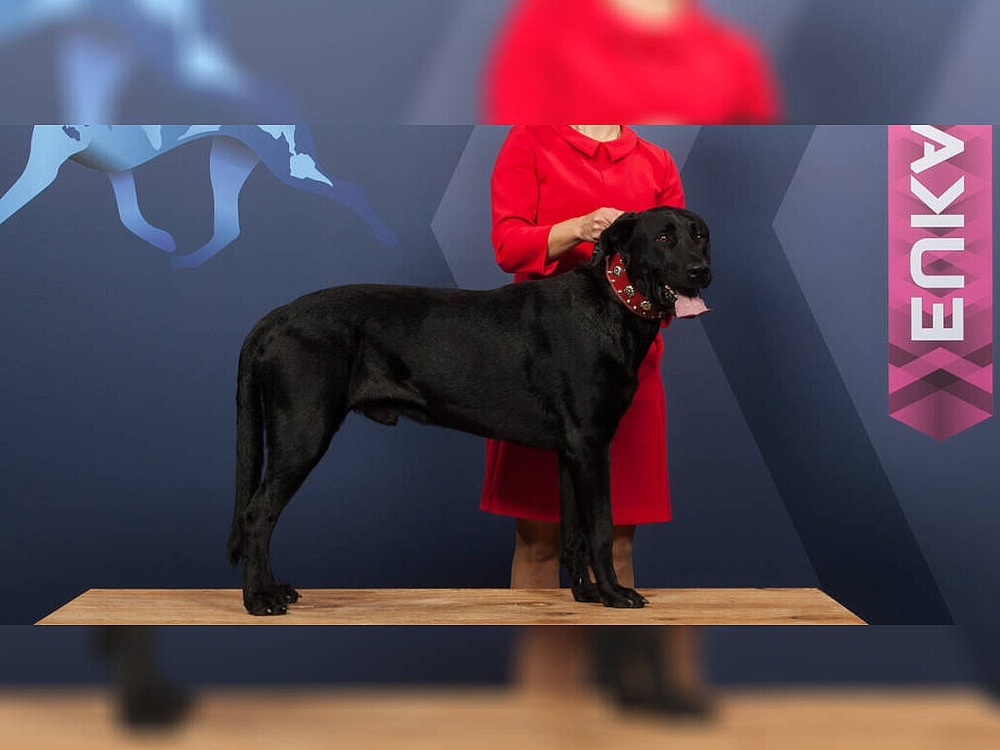
Feeding is less about finding a trendy ingredient list and more about meeting your individual dog’s needs, age, activity level, and body condition. Veterinary teams often use structured nutrition assessment tools to guide decisions, which can be especially helpful for active breeds where “fit” can slide into “thin”, or where a desexed adult can gradually gain weight without anyone noticing.4
Home feeding also comes with predictable risks. Some human foods are well-known hazards for dogs, including chocolate, grapes or raisins, and onion or garlic.5, 6 If you are using food in training, it is worth keeping it boring and safe. Plain cooked meat, commercial treats, or your dog’s usual kibble often do the job.
If you are considering raw feeding, home cooking, or supplements, do it with professional guidance so the diet stays complete and balanced over time.
Is the Perro de Pastor Mallorquin a good match for you?
This breed tends to suit people who like living with a dog that notices everything and learns quickly, including the household routines you thought were private. If you enjoy training, can provide steady boundaries, and have the time for daily activity plus enrichment, they can be deeply rewarding.
If you want a dog that is naturally social with everyone, happy to be guided by any family member without training, or content with minimal exercise, it can be a harder fit. A thoughtful match is not about whether a breed is “good”. It is about whether the dog’s instincts and your lifestyle can meet in the middle.
When it works, what you often see is a capable, responsive dog with a strong sense of place, settled because their world makes sense and their needs are being met.
References
- Wikipedia: Ca de Bestiar (overview, FCI Group 1, typical height range, coat varieties)
- RSPCA Australia Knowledgebase: Reward-based dog training and why to avoid aversive methods
- RSPCA Australia: Keeping your pet safe during the heat (heat stress prevention and first aid)
- WSAVA: Global Nutrition Guidelines (nutrition assessment and feeding guidance tools)
- Royal Canin: Toxic foods you should not give your dog
- The Kennel Club (UK): Poisonous food for dogs
- ARENA (Australia): Hot weather can harm pets (heat safety guidance)
- PLOS ONE: Evidence for the negative impact of aversive-based methods on companion dog welfare (2020)