


You might come across the Perro de Presa Mallorquin after noticing a solid, compact mastiff type dog that seems quietly watchful rather than busy or “bouncy”. Maybe you have met one on a lead and felt that mix of curiosity and caution that strong, calm dogs can bring out in people. Or perhaps you have heard the nickname “Ca de Bou” and wondered what kind of dog sits behind it.
It is easy to assume that a powerful breed is automatically “hard work” or “hard to handle”. In practice, what matters more is how that power is shaped: early socialisation, thoughtful training, and day to day management that suits a dog built for guarding and steady decision-making. With the Perro de Presa Mallorquin, those pieces make the difference between a settled companion and a dog who feels too much responsibility.
This is a breed that can be deeply devoted to its people, and also naturally reserved with strangers. For the right home, that combination can feel reassuring. For the wrong home, it can become stressful for everyone, including the dog.
At a glance: Perro de Presa Mallorquin (Ca de Bou)
Also known as the Ca de Bou, the Perro de Presa Mallorquin is a medium sized, muscular working breed from Mallorca in Spain.1
- Height: males 55 to 58 cm, females 52 to 55 cm1
- Weight: males 35 to 38 kg, females 30 to 34 kg1
- Coat: short, dense, generally low fuss grooming
- Typical vibe: steady, loyal, naturally protective, benefits from clear boundaries and calm handling
Origins and what the breed was made for
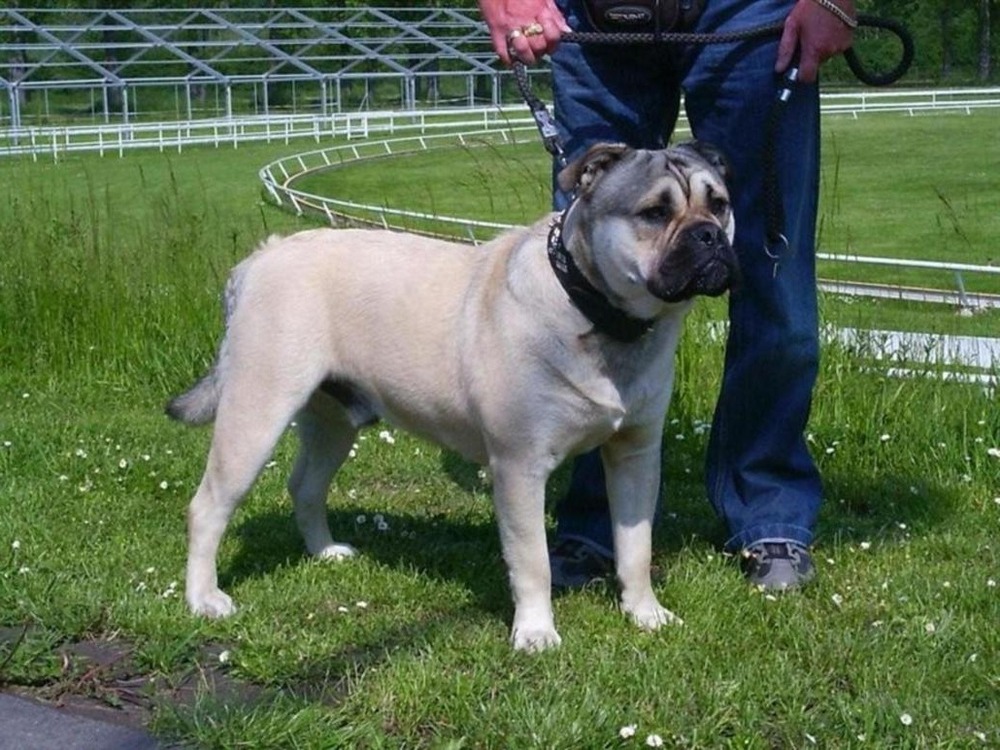
Most modern Ca de Bou owners are not herding stock or guarding rural property, but the breed’s history still shows up in everyday behaviour. These dogs were developed as working guardians on Mallorca, selected for physical strength, steadiness under pressure, and an ability to hold ground when needed.1
That background helps explain why many individuals are not instantly social with unfamiliar people and dogs. They often prefer to take a moment, watch, and decide. This is not “stubbornness” so much as a trait that makes sense in a guarding breed. In a suburban setting, it means the humans need to do more of the deciding, so the dog does not feel it must.
Appearance, structure, and the details people miss

The Perro de Presa Mallorquin is compact and powerful rather than tall and leggy. A broad head, strong neck and chest, and a short, dense coat create that unmistakable “solid” look people notice first. Breed standards typically describe fawn, brindle, and black coats, with a black mask being permitted.1
One important point that is often misunderstood online is ear cropping. In the FCI standard, cropped ears are a disqualifying fault. In other words, cropping is not presented as the ideal for the breed under that standard.1
Because this is a strong dog in a moderate sized frame, daily life benefits from practical choices: a well fitted harness or collar, a lead you can hold comfortably, and training that builds loose lead walking and calm greetings before size and strength fully develop.
Temperament, family life, and realistic suitability
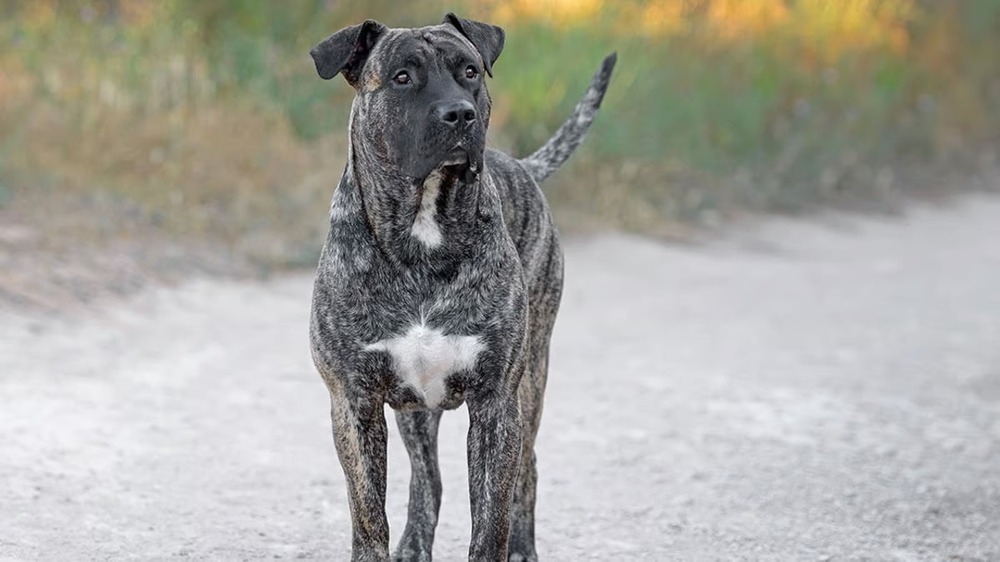
Many Ca de Bous are devoted to their household and cautious with strangers, which is exactly what some people are seeking. Still, it helps to hold two truths at once: a dog can be gentle at home and also need careful management in public spaces. That is not a contradiction. It is simply how a protective breed often works.
With children, what tends to matter most is not a label like “good with kids”, but the day to day setup. Calm supervision, teaching children respectful behaviour around dogs, and providing the dog with quiet rest time all matter. The breed’s physical strength means accidental bumps can happen, even with a well intentioned dog.
With other pets, outcomes vary. Some individuals live peacefully with other animals, especially when raised with them. Others can be pushy or intense, particularly with unfamiliar dogs. Early, structured social experiences can help, but it is wise to assume you will need to manage introductions and give the dog clear guidance about what is and is not allowed.
Training and exercise: building a steady adult dog
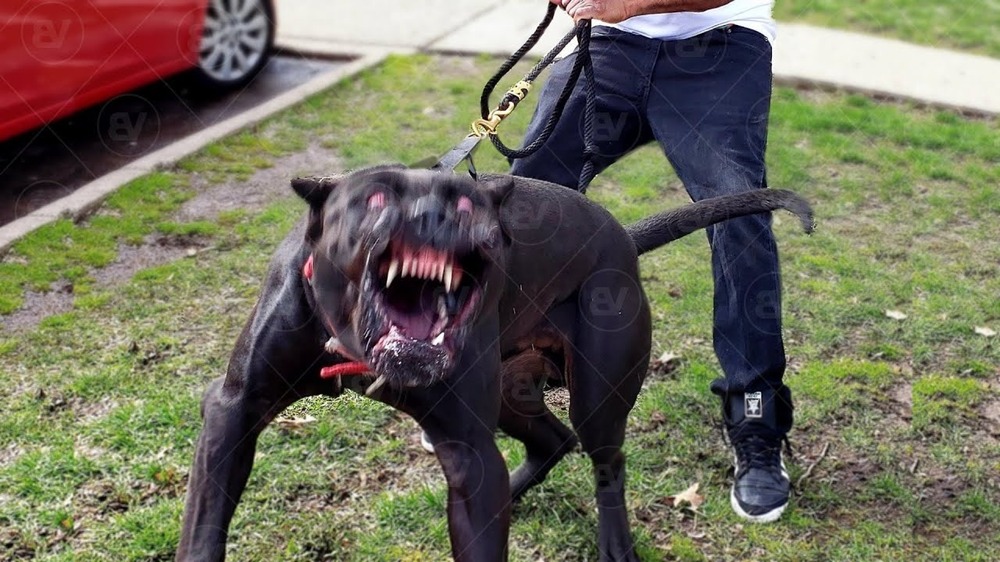
For a dog like this, training is less about tricks and more about life skills: choosing calm behaviour, relaxing when nothing is happening, and looking to the handler when the environment gets complicated. Early socialisation helps, but it should be sensible and gradual, not flooding a young dog with intense experiences.
Reward-based training is widely recommended because it teaches the dog what to do, rather than focusing on punishment for mistakes. The RSPCA describes reward-based methods as humane and effective, and specifically notes that they do not rely on dominance or physical punishment.2
Exercise needs are often described as “high”, but it is more accurate to think in terms of balanced outlets: steady walks, sniffing time, basic obedience, and short bursts of play. Over-exercising a young dog can be just as unhelpful as under-exercising, particularly in large, heavy breeds.
- Daily walking with practice on loose lead skills
- Enrichment such as food puzzles and scent games
- Short training sessions that end before the dog gets tired or frustrated
Health considerations and preventative care
Like many medium to large, muscular breeds, the Ca de Bou can be at risk of joint problems. Hip dysplasia, in particular, is influenced by both genetics and environment, and signs can appear at different ages and levels of severity.3
If you are choosing a puppy, it is reasonable to ask what health screening has been done in the line. If you already live with an adult, focus on what you can control: appropriate exercise, keeping the dog lean, and addressing lameness or stiffness early rather than waiting for it to “settle”. Maintaining a healthy weight is not cosmetic for this breed, it is a form of joint protection over a lifetime.
General preventative care still matters: dental health, parasite control suited to your region, and regular vet checks. Strong dogs are sometimes stoic, so changes in movement, sleep, appetite, or willingness to jump can be worth investigating sooner rather than later.
Grooming and day to day comfort

The short coat is usually straightforward. Occasional brushing helps lift dead hair and supports skin health, and it can be a nice way to check for lumps, scratches, or areas of irritation. Pay attention to ears, nails, and teeth, not just the coat.
Warm weather management is also worth taking seriously. Dogs primarily cool themselves by panting, and hot conditions can overwhelm that system quickly. The RSPCA recommends avoiding exercise in extreme heat, walking early or later in the day, providing shade and water, and using tepid or cool water and fanning as first aid if heatstroke is suspected, followed by urgent veterinary care.4, 5
If you are unsure, err on the side of caution. A powerful dog can still be a vulnerable dog when the temperature climbs.
Feeding and keeping the dog lean
Feeding a Perro de Presa Mallorquin is rarely about finding a “special” diet and more about consistency and monitoring. A high quality complete diet that suits the dog’s age and activity level is a sensible baseline, then you adjust based on body condition over time.
The WSAVA Global Nutrition Guidelines encourage regular nutritional assessment, including using body condition scoring, because weight gain can creep up gradually and affect health long before it looks dramatic.6
In practical terms, aim for a dog who feels solid and muscular but not padded. If ribs are hard to feel, or the waist disappears, it is usually time to adjust portions, treats, or both. For dogs prone to joint issues, staying lean can be one of the most helpful long-term decisions you make.
Final thoughts
The Perro de Presa Mallorquin is not a breed that suits every household, and that is not a criticism. It is simply a reminder that dogs were shaped for different kinds of work, and those traits carry into modern life.
In the right hands, with reward-based training, good boundaries, and a calm routine, this can be a steady companion with genuine loyalty. If you are drawn to the breed, it is worth meeting well managed adults, talking with reputable breed clubs or rescues, and being honest about the kind of home you can provide. Good fit matters more than good intentions.
References
- Federation Cynologique Internationale (FCI): Dogo Mallorquin (Ca de Bou) breed standard
- RSPCA Knowledgebase: Reward-based dog training and why the RSPCA supports it
- Orthopedic Foundation for Animals (OFA): Hip Dysplasia
- RSPCA Australia: Keeping your pet safe during the heat
- RSPCA Australia: Warm weather worries, protect pets from heatstroke
- WSAVA: Global Nutrition Guidelines
- Australian Veterinary Association (AVA): Companion animals health policies
- RSPCA Knowledgebase: How do I socialise my puppy?
- RSPCA Knowledgebase: How much exercise does my dog need?