

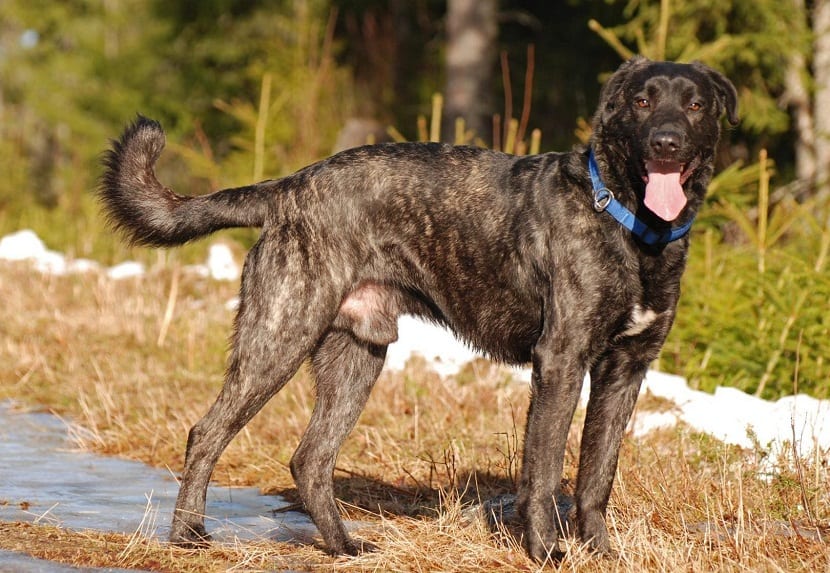
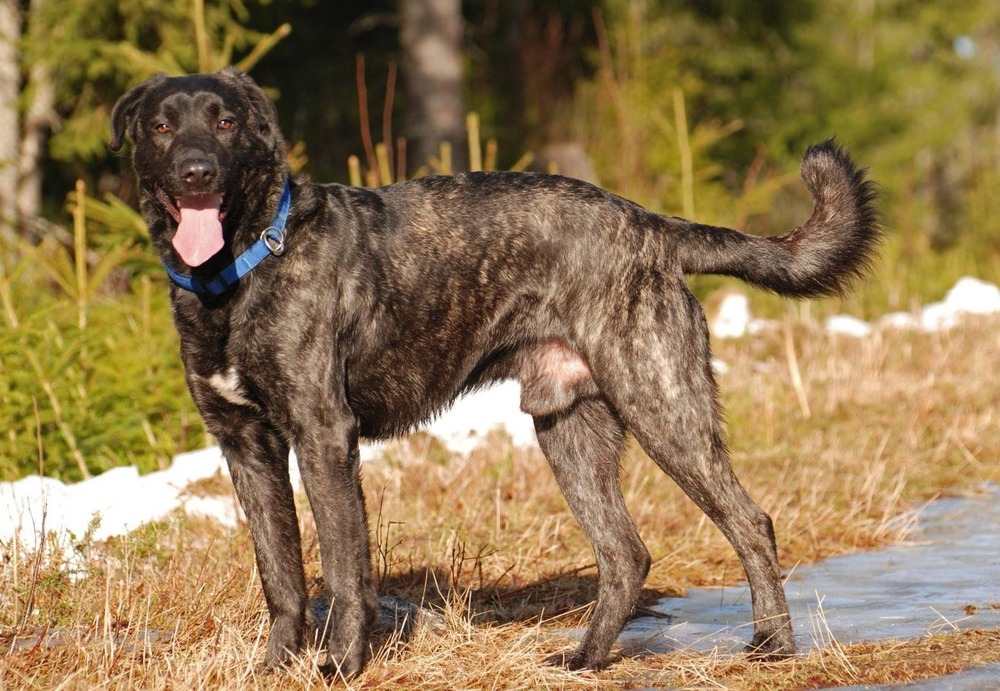
People usually come across the Perro Majorero in a slightly sideways way. You see a photo of a brindle, athletic dog labelled “Majorero”, “Bardino”, or “Canary Islands cattle dog”, and the descriptions can sound a bit contradictory: part farmhand, part guardian, part family companion.
It also does not help that the Canary Islands have several working breeds with overlapping histories, and names get borrowed or swapped in casual online write ups. If you are trying to work out what a Perro Majorero actually is, and what living with one is likely to feel like day to day, it is worth slowing down and grounding the conversation in what we can say with confidence.
At its best, the Perro Majorero is a capable, stock savvy working dog with a steady presence, shaped by rural life on Fuerteventura. That heritage matters in practice because it influences space needs, social behaviour, and how much thoughtful training it takes for the dog to settle well in a modern home.1
At a glance: Perro Majorero basics
Country of origin: Spain (Canary Islands, especially Fuerteventura).1
- Category: Working dog (traditionally cattle and property guarding).1
- Size: Medium to large, athletic rather than bulky (exact height and weight varies by line and local type).1
- Coat: Short, dense, typically brindle and other solid shades.
- Energy level: High, with a strong need for purposeful activity.
- Life expectancy: Often quoted around the low teens, but individual health, management, and genetics matter more than a number on a page.
Origins and working history in the Canary Islands
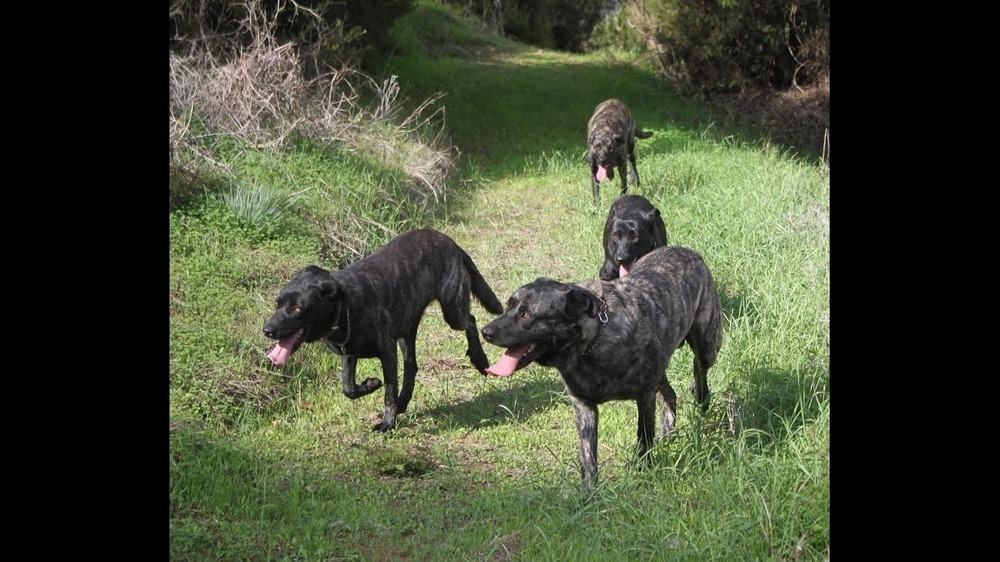
“Majorero” refers to Fuerteventura and its people, and the breed is widely described as a traditional cattle dog and guardian from the island.1
In practical terms, that background tends to produce a dog that is alert to movement, interested in boundaries, and comfortable making decisions at a distance from the handler. Those traits can be deeply useful on a property, and a bit challenging in a suburban setting if the dog’s day never really gives them a “job” that makes sense.
One common point of confusion is the relationship between the Perro Majorero and other Canary Islands dogs. Some breed histories describe the “majorero” as part of the foundation story for the Dogo Canario (Presa Canario), which is a separate breed type with its own standard and purpose.2 That does not mean a Perro Majorero is a “Presa Canario in disguise”, it just reflects how working dogs in isolated regions can influence each other over time.
Appearance and what those features are “for”
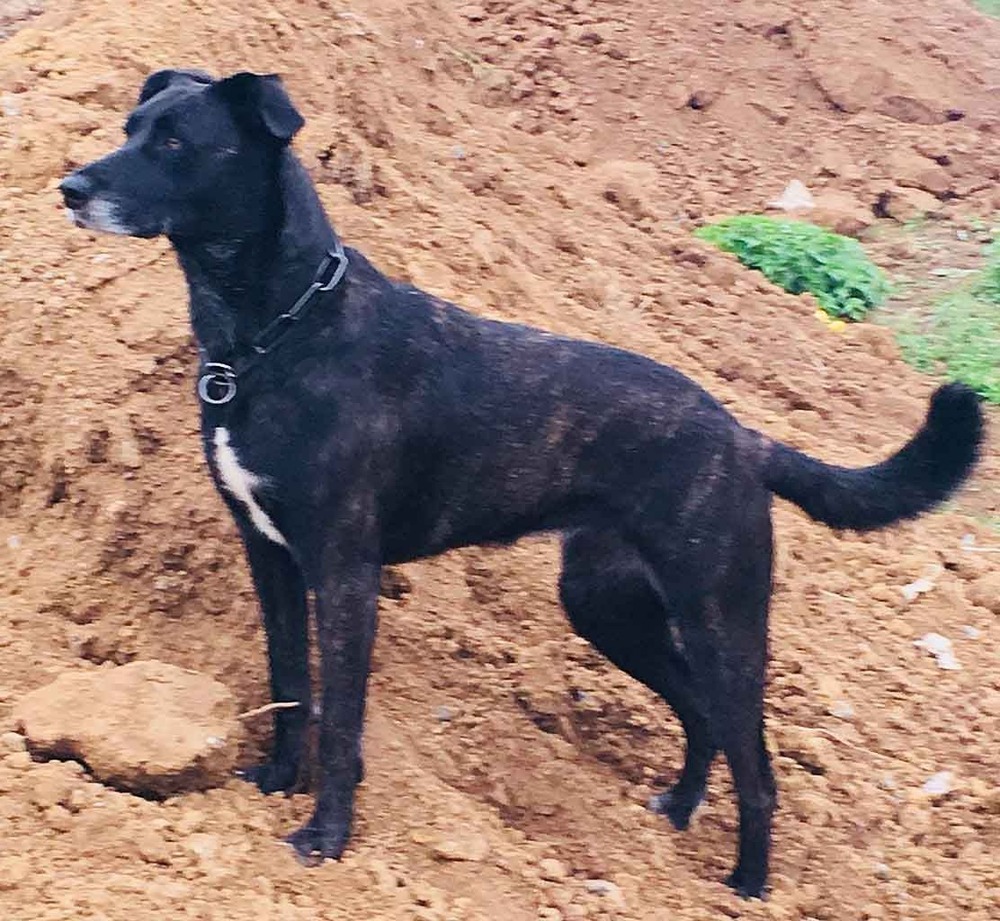
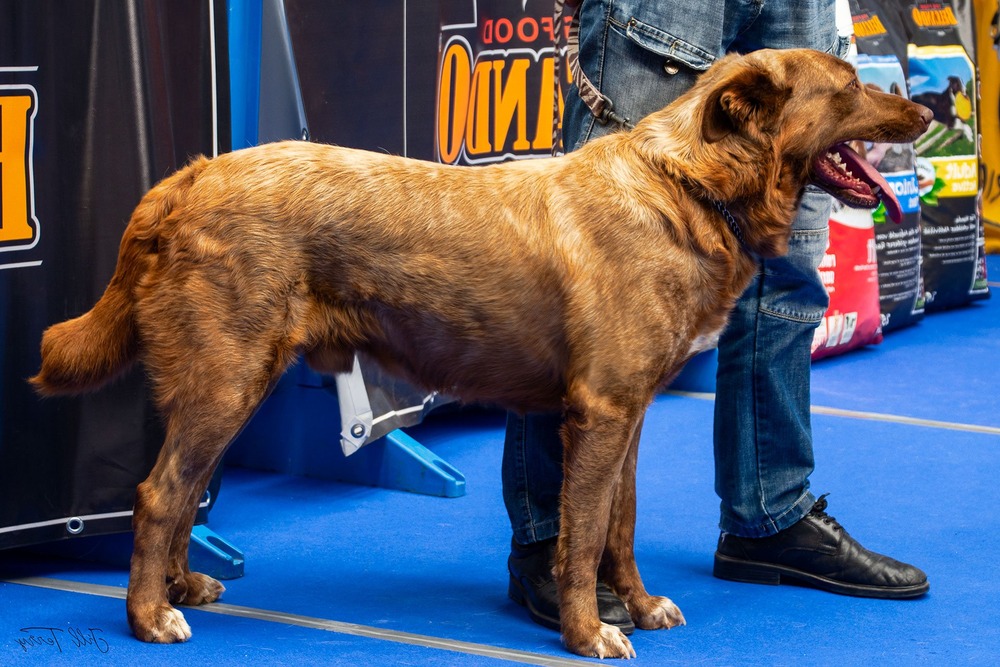
The Perro Majorero is typically described as robust, agile, and built for all day movement on rough ground, rather than for extreme size. A short, dense coat makes sense for an outdoor working life, and brindle patterning is frequently mentioned in descriptions of the type.1
When owners talk about the “look” of this dog, they often mean an overall impression: a square, capable body, a watchful head carriage, and a readiness to move. Those physical qualities often travel alongside behavioural ones, especially environmental awareness and a tendency to notice new people and animals quickly.
Temperament, social behaviour, and family fit
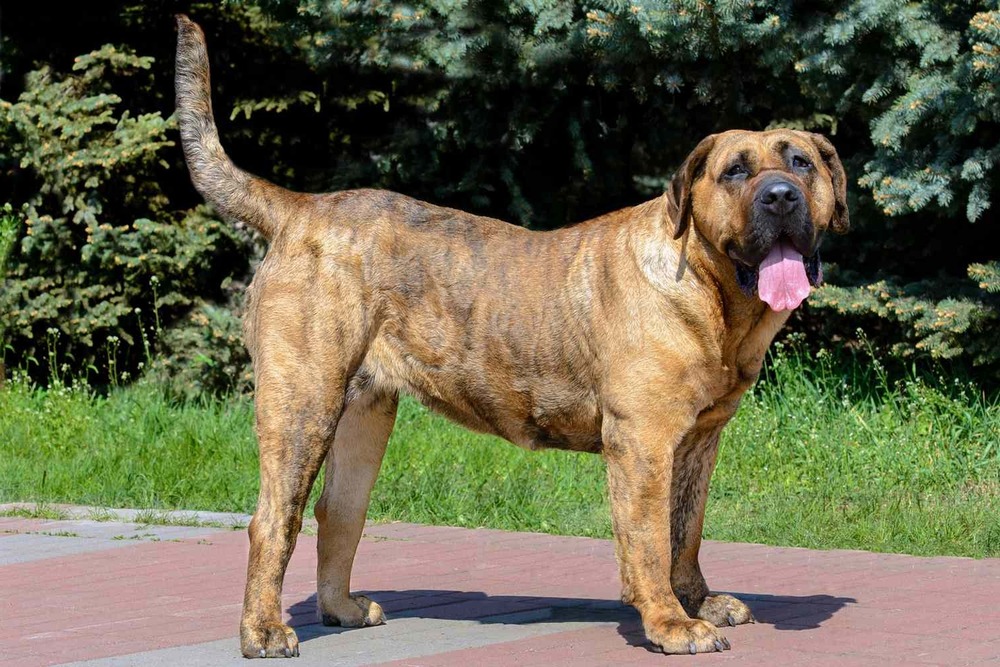
Well raised working breeds can be calm in the way that matters most, meaning they are steady with routine and good at reading their environment. With the Perro Majorero, descriptions commonly include loyalty and protectiveness, which can show up as watchfulness around the home and a preference for familiar people.1
This is where gentle nuance helps. “Protective” does not automatically mean “unsafe”, and “loyal” does not automatically mean “easy”. A dog that takes its role seriously may need more guidance to relax when visitors arrive, more planning around fences and gates, and more careful introductions with other animals.
If you are considering one as a family dog, it is sensible to think less about labels and more about daily management:
- Do you have the space to let the dog move and decompress?
- Can you provide consistent training and structured activity, not just an occasional long walk?
- Are you prepared to supervise interactions with children and other pets, especially during adolescence?
With children, a working dog’s steadiness can be a real asset, but adults still need to manage the environment and teach respectful handling. With other pets, early socialisation and calm, well planned introductions matter more than wishful thinking.
Training approach that suits a thoughtful, independent worker
Because this type of dog is often smart and environmentally focused, training tends to go best when it is clear, consistent, and genuinely rewarding. The RSPCA recommends reward based training built on positive reinforcement, and advises avoiding aversive methods and equipment that rely on pain or intimidation.6, 7
In the home, that looks like teaching a small set of practical skills that make life smoother:
- Settle on a mat (learning to switch off when the household is busy).
- Recall and check ins (coming back reliably, and choosing to stay connected).
- Calm greetings (four paws on the floor, especially around visitors).
Short sessions, repeated often, usually beat long drilling. For dogs with guarding instincts, it can also help to build predictable visitor routines so the dog does not have to guess what is happening.
Exercise and enrichment that actually meets the need
A Perro Majorero is unlikely to thrive on a quick lap of the block. Many working dogs need both movement and problem solving. Think of exercise as a mix of physical activity and “brain work”, rather than trying to tire the dog out with distance alone.
Useful options include brisk walks with training moments built in, hiking, scent games, food puzzles, and structured play. If the dog enjoys it and your setup is safe, activities like obedience foundations and agility style skills can provide the kind of engagement that suits an intelligent worker.
Health considerations and preventative care
It is hard to find large scale health data for less common regional breeds, so it is best to keep claims modest and focus on sensible prevention. Like many medium to large, active dogs, hip dysplasia is often discussed as a potential issue, and it is worth knowing the general signs: reluctance to jump or climb, hind end lameness, stiffness, and changes in gait.8
Skin irritation and allergies can also show up in short coated dogs of many types, sometimes related to environment, parasites, or diet. If you are seeing ongoing itch, recurrent ear issues, or patchy hair loss, a vet visit is more useful than cycling through shampoos.
For day to day care, a simple routine tends to be the most sustainable:
- Regular check ups and early investigation of limping or persistent scratching.
- Parasite prevention suited to your region and lifestyle.
- Dental care that you can actually keep up long term.9, 10
Grooming and coat care
A short, dense coat is often fairly low fuss, but “low fuss” is not the same as “no care”. Weekly brushing helps lift dead hair and dirt, and it is a good chance to check paws, nails, and skin.
For teeth, many veterinary dental bodies emphasise that daily brushing is ideal, and that any regular brushing is better than none. If your dog will only tolerate a brief brush along the outer surfaces, that still counts as progress.9, 10
Feeding and body condition: what matters more than brand debates
Feeding an active dog well is less about chasing trendy ingredients and more about choosing a complete diet that suits the individual dog’s condition, activity level, and digestion. The WSAVA Global Nutrition Guidelines encourage an individualised nutrition plan and provide tools for vets and owners to assess diet history and body condition over time.5
In practice, that means watching your dog’s body condition and adjusting amounts, rather than sticking rigidly to the packet. If you are unsure, a vet can help you assess body condition score and set a realistic feeding target.
Also keep common hazards in mind. Some everyday foods are genuinely dangerous for dogs, and it is worth being strict about what is accessible on benches and tables, especially in busy households.
Final thoughts on living with a Perro Majorero
The Perro Majorero tends to make the most sense in a life that still resembles what it was shaped for: space, routine, meaningful activity, and a handler who enjoys training as part of everyday living. For the right person, that can be deeply satisfying. For someone wanting a low energy, highly social “go anywhere” dog, it can be a frustrating mismatch.
If you are drawn to the breed, look for breeders or rescue contacts who can speak plainly about temperament, management, and the realities of adolescent behaviour. A good match is less about romance and more about whether you can provide the structure that lets a smart working dog settle well.
References
- Wikipedia: Perro Majorero
- Presa Canario Club of America: The Presa Canario (FCI standard summary)
- World Small Animal Veterinary Association (WSAVA): Global Nutrition Guidelines
- RSPCA Australia Knowledgebase: Reward based dog training
- RSPCA Australia: The do's and don'ts of training your dog
- American Kennel Club (AKC): Hip dysplasia in dogs (signs and diagnosis overview)
- Veterinary Oral Health Council (VOHC): Brushing
- American Animal Hospital Association (AAHA): Dental care guidelines, recommending home oral hygiene