

- Breed category: Companion dog
- Country of origin: Peru
- Average height: Males 50 to 65 cm, females 40 to 55 cm
- Average weight: Males 12 to 25 kg, females 8 to 20 kg
- Average life span: 12 to 14 years
- Grooming requirements: Low, plus regular skin care for hairless dogs
- Exercise requirements: Moderate, daily walks recommended
- Coat type: Hairless or short-coated
- Coat colour variations: Black, grey, brown, pink, plus many shades and patterns
- Shedding level: Minimal
- Temperament: Loyal, affectionate, alert
- Training ease: Moderate, responds best to patient, reward-based training
- Common health issues: Skin sensitivity, dental differences (especially in hairless dogs)
- Weather sensitivity: High, needs protection from sun and cold
- Apartment friendly: Yes, with daily exercise and calm routines
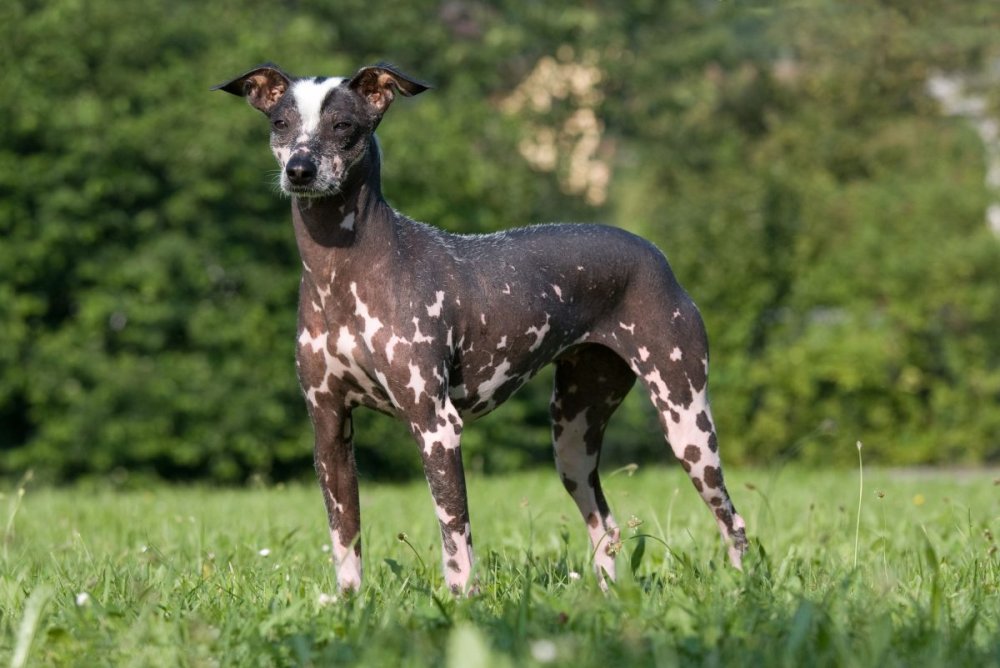
People usually come across the Peruvian Inca Orchid (also called the Peruvian Hairless Dog) in a photo first. It is that unmistakable silhouette, elegant and spare, with skin where you expect fluff. Then the practical questions arrive: is it really “no shedding”, is it a good fit for allergies, and how on earth do you look after a dog with so little coat?
It is tempting to treat hairlessness as a novelty, but living with one is mostly about ordinary dog things: gentle training, good routines, and noticing what your dog is telling you with their body. The difference is that this breed wears its needs on the outside. Skin, sun, and comfort become part of daily care in a way many owners have never had to think about.
There is also a longer story behind the look. These dogs appear in Peruvian history and iconography, and modern recognition has helped protect them as a native breed. For many owners, that sense of continuity matters as much as the breed’s striking appearance.1, 2
Early development and cultural significance
The Peruvian Hairless Dog (often marketed internationally as the Peruvian Inca Orchid) is widely linked with pre-Columbian cultures along the Peruvian coast. Archaeological depictions show dogs with the same hairless outline appearing across different periods and regions, suggesting a long, local history rather than a recent “designer” origin.3, 4
In modern Peru, the breed is recognised as part of the country’s cultural heritage, and public heritage initiatives have supported its continued presence in museum and archaeological sites. It is a reminder that, for some communities, dog breeds are not just pets or hobbies, they are living cultural artefacts.2
Names and “which breed is which?”
You will see several labels used interchangeably: Peruvian Hairless Dog, Perro Sin Pelo del Perú, and Peruvian Inca Orchid. In formal international kennel terms, the Fédération Cynologique Internationale (FCI) recognises the Peruvian Hairless Dog as breed number 310. In North America, “Peruvian Inca Orchid” is commonly used in club and registry contexts, which can add to the confusion when you are researching care or trying to compare standards.1, 5
Physical characteristics that shape daily care
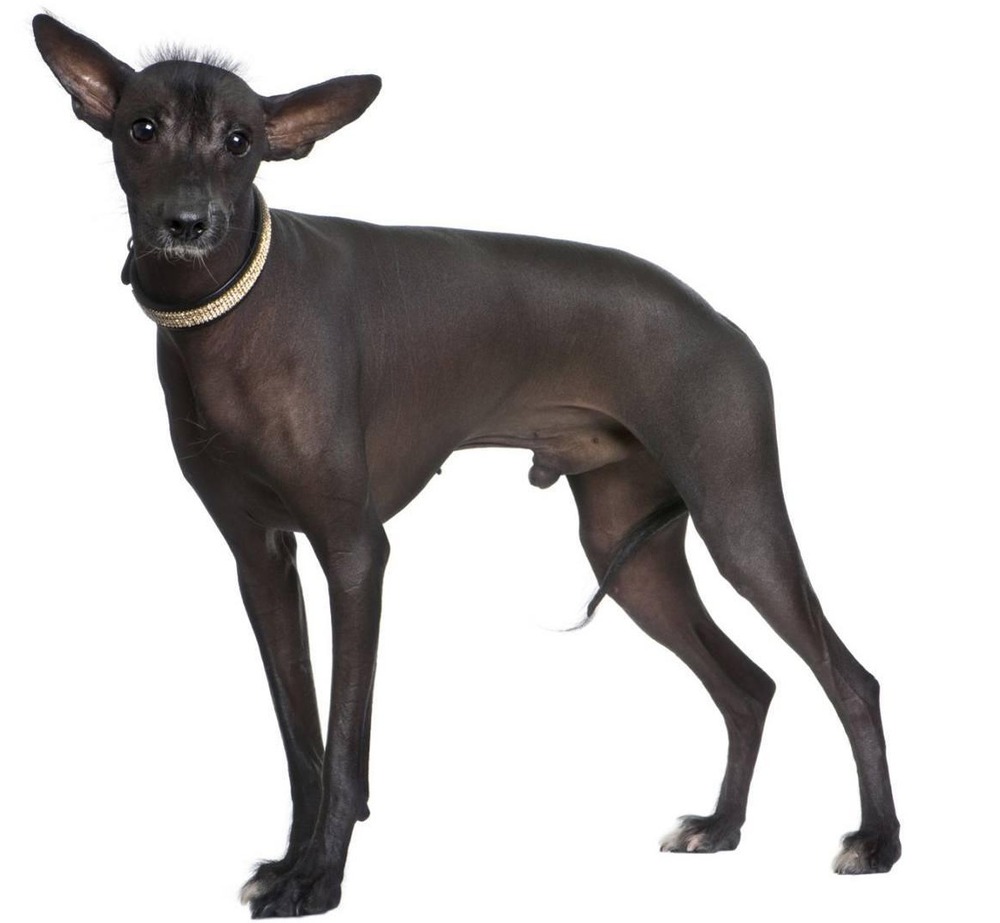
Most people notice the skin first, but the overall build matters too. These are athletic, lean dogs with a light, quick way of moving. Depending on the registry, you will also see recognised size varieties, which influences everything from crate size to how much food a dog needs and how delicate they may be around rough handling.5
Hairless and coated puppies can appear in the same litter. The coated dogs may look “easier” at first glance, but both varieties still benefit from sensible skin and coat hygiene, especially if they live in warm climates, spend time on abrasive surfaces, or have sensitive skin.6
Hairlessness and teeth
One of the less talked about realities is dentition. In several hairless breeds, hairlessness is associated with missing teeth, and breed standards often acknowledge that hairless dogs may have incomplete dentition. This does not automatically mean a dog is unhealthy, but it does mean owners should take dental care seriously from the start, and budget for professional checks as needed.6, 7
Personality and suitability as a family pet
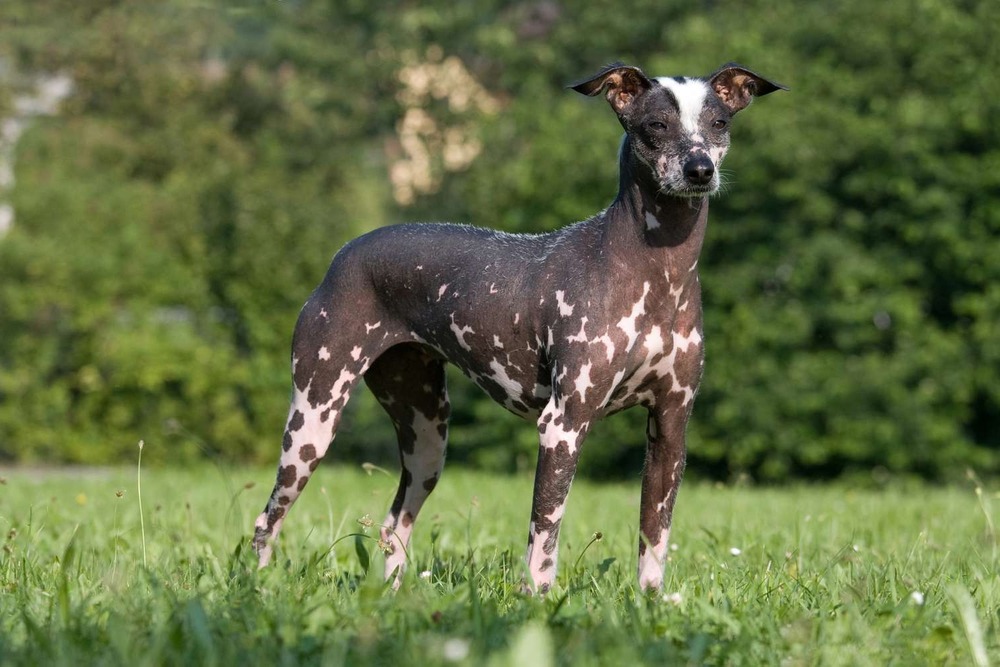
In the home, many Peruvian Inca Orchids are quietly devoted. They often prefer being close to their people and can be observant of what is going on around them. That alertness can read as “watchdog” behaviour in some dogs, particularly if they have not had much early social experience or if the household is busy and unpredictable.6
With children and visitors, the best results usually come from management rather than wishful thinking. Give the dog a calm escape route, supervise handling, and avoid forcing interactions. Gentle exposure and choice tends to build confidence over time, especially in a breed that can be naturally reserved with strangers.6
Other pets and prey drive
Some lines are described as sighthound-like in outlook and can show interest in small, fast-moving animals. This does not mean they cannot live with cats or smaller pets, but it does mean introductions should be careful and ongoing, with realistic expectations and appropriate barriers when you cannot supervise.6
Training and exercise
Training tends to go well when it is calm, consistent, and reward-based. These dogs are often quick to learn patterns, including the ones you did not intend to teach, like barking at the fence because it reliably produces attention. Short sessions, clear cues, and breaks before frustration sets in are usually more effective than drilling.
Exercise needs are commonly described as moderate, but “moderate” is a moving target. A gentle daily walk may be enough for one dog, while another will be noticeably more settled with an extra sniffy outing, some free running in a secure area, or a sport like lure coursing or agility. The aim is a dog that can relax at home, not a dog that is constantly chasing the next activity.6
- Daily walks with time to sniff and explore
- Short training games that use food, toys, or movement
- Puzzle feeders or scatter feeding for mental work indoors
Health and care essentials
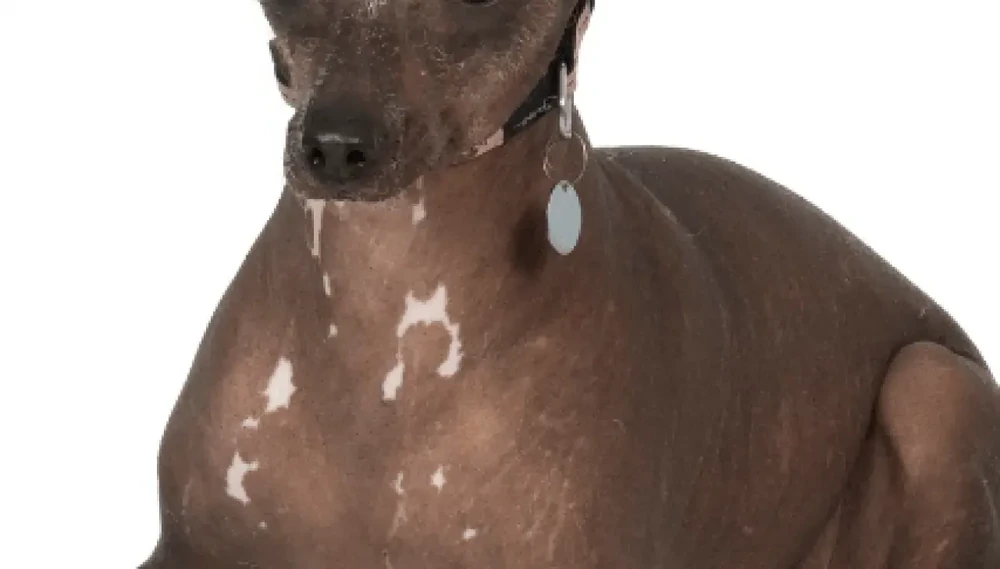
A sensible baseline for any dog applies here: regular veterinary care, parasite prevention suited to your region, and keeping a close eye on changes in appetite, comfort, and behaviour. What tends to be different with this breed is how quickly skin and mouth issues can show up, and how much daily management can prevent bigger problems later.
Skin and weather sensitivity
Hairless dogs are more exposed to sun, wind, and cold. In Australian conditions, that often means building a routine around shade, timing walks outside peak UV, and using protective clothing when needed. Some owners use pet-safe sunscreen on high-risk areas (ears, nose, belly), but it is important to choose products carefully because dogs lick their skin, and some common sunscreen ingredients can be harmful if ingested.8, 9
If you are unsure, treat sun protection as a conversation with your vet rather than a product decision. The safest “sunscreen” is often behavioural: shade, timing, and limiting exposure, especially on reflective surfaces like concrete, sand, and water.8
Dental care
If your dog is missing teeth or has crowded teeth, plaque can still accumulate and gums can still become inflamed. Home care can be as simple as working towards tooth brushing with dog toothpaste, a few seconds at a time, then increasing gradually. Your vet can tell you whether your dog needs professional dental work now, or whether you are aiming for prevention.7
Skin care and grooming
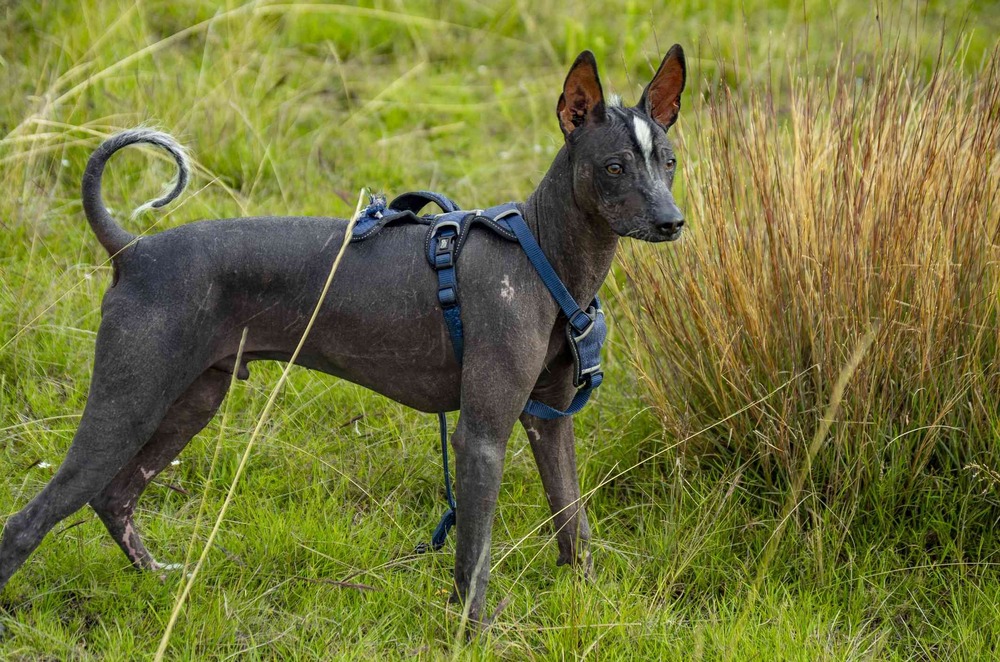
Grooming is often described as “low”, but it is more accurate to say it is different. Instead of brushing out an undercoat, you are managing oils, dryness, and friction. Too many baths can strip the skin, but too few can allow oils and debris to build up, especially around folds, armpits, and where harnesses rub.
A practical approach is to keep routines simple and observe the skin. If your dog is itchy, flaky, or developing pimples or darkened patches, it is worth checking in with your vet before experimenting with products. Less product, more observation is often the safest starting point.
Hairless variety
- Use a gentle, dog-appropriate cleanser as needed, not necessarily on a fixed schedule.
- Moisturise only if your vet recommends it, and avoid heavily fragranced products.
- Manage friction points with well-fitted harnesses and soft bedding.
- Plan for sun protection with shade, clothing, and vet-approved options where appropriate.8, 9
Coated variety
The coated dogs usually do well with occasional brushing and normal bathing intervals. They can still be sun-sensitive on thinly covered areas, so the same common-sense sun habits apply, just with fewer bare patches to worry about.
Nutritional needs and feeding
There is no single “best” diet for this breed, but the goal is consistent: a complete and balanced food appropriate to life stage, plus careful portioning to keep a lean body condition. Skin and gut sensitivity can show up in any breed, so if you notice recurrent digestive upset, persistent itchiness, or frequent ear and skin flare-ups, it is worth discussing a structured diet trial with your vet rather than rotating foods at random.
Treats are useful in training, especially for dogs that are reserved and need a bit of extra reassurance in new situations. Keep them small, and count them as part of the day’s intake, particularly for the smaller size varieties.
Final thoughts
The Peruvian Inca Orchid suits people who enjoy close companionship and who do not mind paying attention to the small, everyday details that keep a dog comfortable. The care is not complicated, but it is specific, and it works best when it is built into routine: shade on hot days, warm layers when it is cold, steady training, and a calm place to rest.
If you are drawn to the breed because it looks “easy” or “non-shedding”, it helps to pause and reframe. You may be swapping vacuuming for skin checks and sun planning. For the right household, that trade-off feels entirely reasonable, and the reward is a quietly attentive dog that often prefers to be wherever you are.
References
- Wikipedia: Peruvian Hairless Dog (overview and naming)
- MercoPress: Peruvian hairless dogs tradition spans back to pre-Columbian times
- Complejo Arqueológico El Brujo: Dog domestication in pre-Hispanic Peru
- Peru.info: Meet the Hairless Dog, a native Peruvian breed
- FCI: Perro Sin Pelo del Perú (breed no. 310) recognition and standard details
- Peruvian Inca Orchid Club of the United States: About the breed and dentition notes
- United Kennel Club: Peruvian Inca Orchid breed standard (dentition guidance)
- ASPCA: Pets and sunscreen, safety considerations and ingredients to avoid
- PAW by Blackmores: Sunburn in dogs and cats and general sun safety tips