

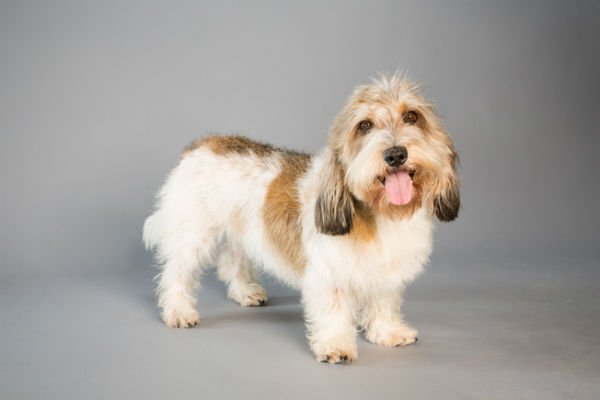
- Breed category: Hound (scenthound)
- Country of origin: France
- Typical height: 34 to 38 cm at the withers (13.5 to 15 in)1, 2
- Typical weight: Often around 11 to 18 kg (25 to 40 lb), varies by build and conditioning3
- Typical lifespan: Commonly 10 to 14 years, sometimes longer3
- Coat: Rough, harsh to the touch, with undercoat1, 2
- Exercise needs: High, daily walking plus sniffing and problem-solving
- Grooming needs: Moderate, regular brushing and coat tidying
- Known for: Strong nose, a “voice” freely used, and a lively, independent streak4
People often start looking up the Petit Basset Griffon Vendeen after noticing a small, shaggy hound at the park that seems to “switch on” the moment its nose hits the ground. On leash, it can feel like you are attached to a determined little tracking device. At home, the same dog may settle happily nearby, then spring up at the faintest interesting sound.
It is easy to assume that a smaller hound will be easier to live with than the bigger scent breeds, but size only tells part of the story. The Petit Basset Griffon Vendeen (often shortened to PBGV) was developed to hunt for hours in dense cover, making its own decisions as it follows scent. That background still shows up in everyday life: in the way they explore, in how they use their voice, and in what kind of training actually works for them.
When the match is right, a PBGV brings a cheerful, outdoorsy energy to a household. When the match is off, it is usually not because the dog is “naughty”, it is because their needs for movement, enrichment, and consistent boundaries were underestimated.
Where the PBGV comes from, and what it was built to do
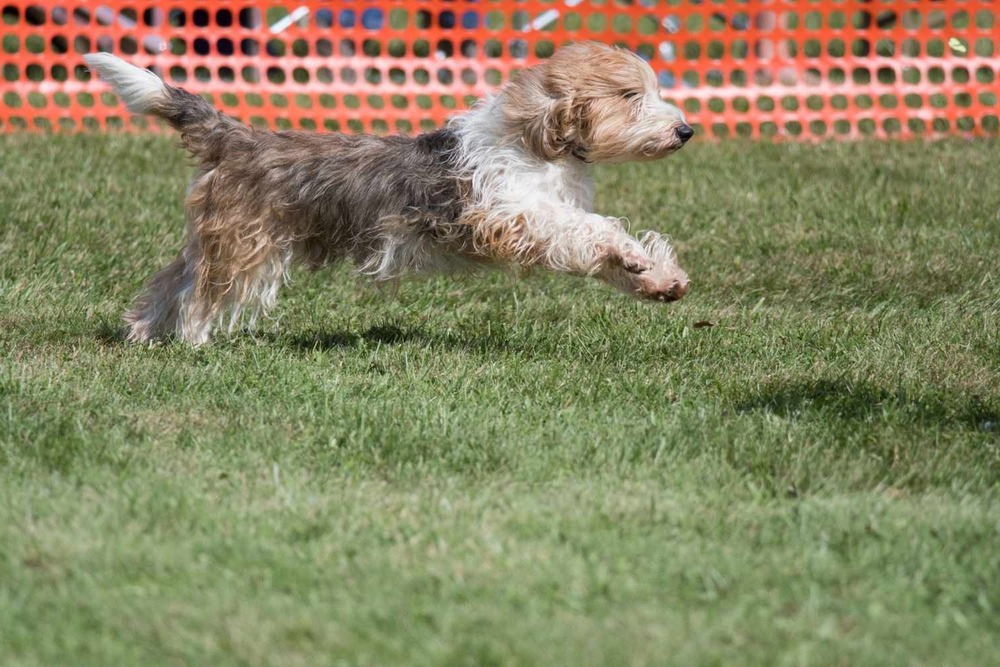
The PBGV is a French scent hound from the Vendee region, bred to work through brambles and rough ground while hunting small game such as rabbit. Breed histories often mention roots going back centuries, but what matters day to day is the job description that shaped them: a compact, tough hound designed for endurance and independent scent work.2, 5
In practical terms, this is why a PBGV tends to move with purpose on walks, why sniffing is not a “nice extra” but a genuine need, and why recall can be challenging when something interesting is happening in the environment.
Size, coat, and the “rustic” look
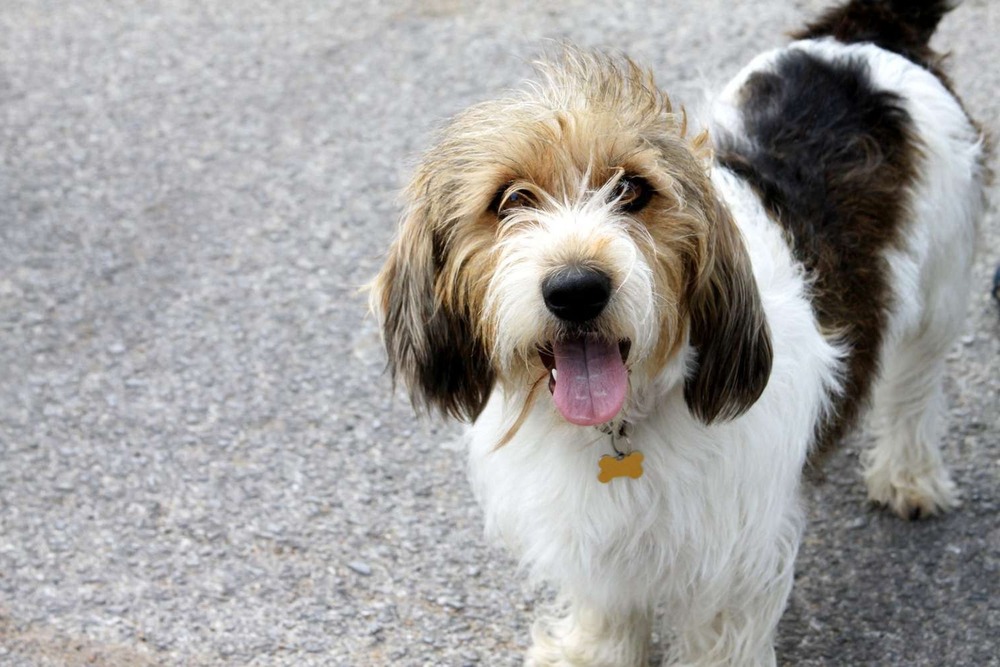
Most breed standards place height at around 34 to 38 cm at the withers, with a small tolerance either way.1, 2 The coat is meant to be rough and functional rather than silky, and the overall outline is deliberately unrefined. In show language, obvious sculpting or stylising is discouraged, because the breed is meant to look like a working hound, not a trimmed ornament.1, 4
Temperament in real homes: lively, social, and sometimes single-minded
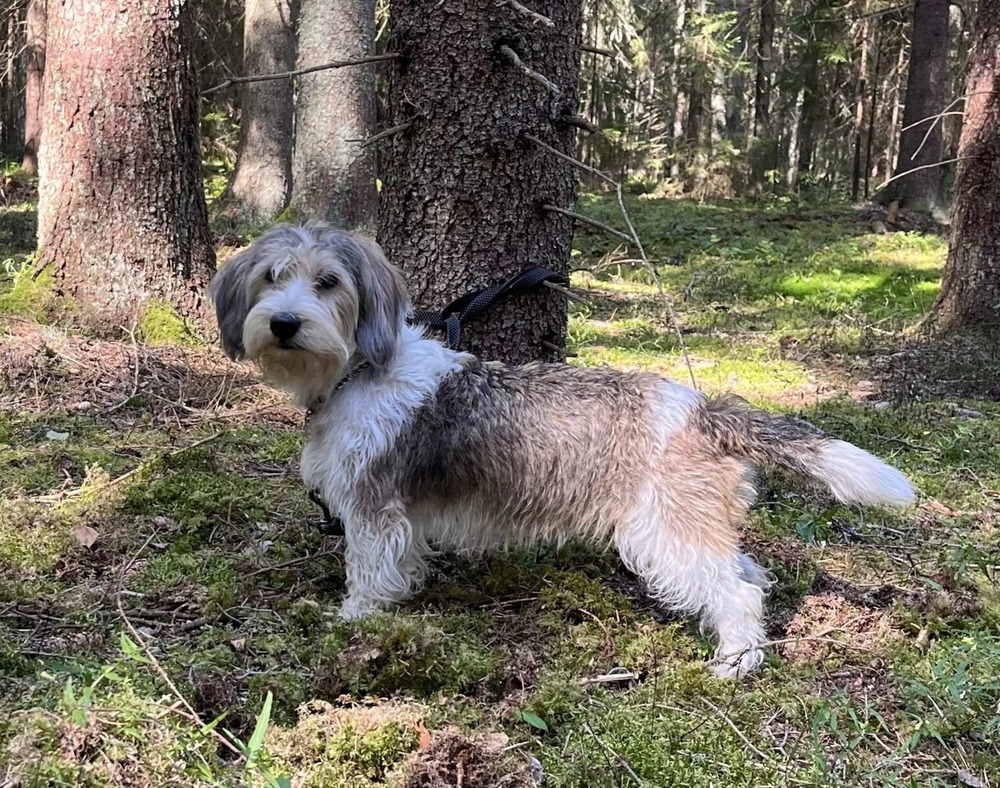
PBGVs are commonly described as confident, extroverted, and independent, while still being companionable with their people.4 Many owners experience them as friendly with visitors, quick to engage in play, and prone to following interesting smells with total commitment.
That independence is not stubbornness for its own sake. It is a predictable result of breeding a dog to work ahead of a hunter, making decisions in thick cover. If you have lived with herding breeds that constantly “check in”, a PBGV can feel different. They often benefit from a home that values clear routines, calm consistency, and plenty of lawful outlets for sniffing and exploring.
Children and other pets
Well-bred, well-socialised PBGVs are often good family dogs, and they can live peacefully with other dogs. As with any active breed, the best outcomes come from supervising interactions with young children, teaching children how to handle a dog respectfully, and ensuring the dog has a quiet place to rest.
If you have cats, rabbits, or backyard poultry, it is worth being realistic about prey drive. Some individuals can coexist safely with careful management and training, but the instinct to chase is part of the package, especially outdoors where movement and scent are more intense.
Training that respects the nose, and still builds reliability
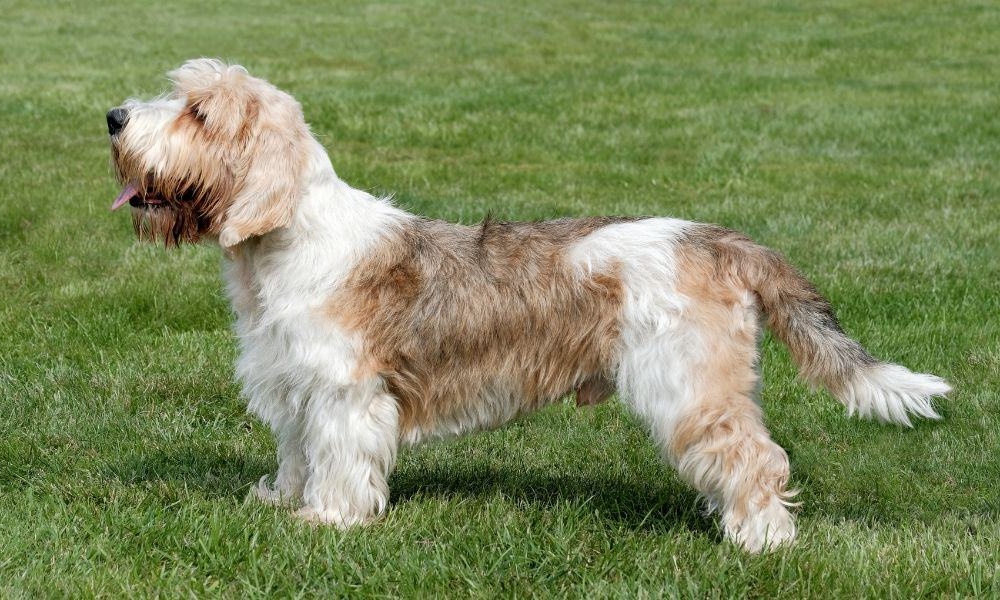
The training conversation with a PBGV goes better when you start from one assumption: sniffing is not a distraction, it is a primary way they experience the world. Rather than trying to suppress it, aim to put it on cue. You can alternate between “go sniff” time and short bursts of structured walking, then reward check-ins and loose lead skills.
What tends to work well
- Short, upbeat sessions with food rewards, play, and variety
- Recall practice that starts easy and builds slowly, with long lines outdoors
- Enrichment that uses scent, for example scatter feeding in grass, sniffaris, and simple tracking games
- Management that prevents rehearsal of unwanted behaviour, especially fence running or self-rewarding escapes
Breed standards also note that PBGVs have a good voice that is freely used.4 If barking becomes a problem in suburbia, it usually helps to look first at unmet needs (exercise, enrichment, predictable rest), then work on cue-based alternatives and calm reinforcement, rather than relying on punishment which can increase arousal.
Exercise and enrichment: more than “a quick walk”
PBGVs are energetic. They often do best with a daily pattern that includes a decent walk, time to sniff, and something that makes them think. A fenced yard helps, but it does not replace outings, because the point is not only movement. It is novelty, scent, and the chance to do small, dog-appropriate “jobs”.
If you are planning off-lead time, a secure area matters. Scenthounds can follow their noses beyond what feels sensible to a human, and reliable recall can take time even with good training.
Health considerations and day-to-day care
Many PBGVs live as sturdy, capable dogs, but like all breeds there are known risks. Breed club guidance notes reported issues including hip dysplasia and eye disease, and it specifically flags primary open angle glaucoma (POAG) as an inherited disorder with a genetic test available. It also mentions epilepsy and patellar luxation as reported but not common.6
For owners, this turns into practical questions to ask a breeder or rescue: what health testing is done, what eye screening is in place, and what the family history looks like across multiple generations. For any dog, keeping a stable, lean body condition is one of the kindest long-term choices you can make for joints and general comfort.
Ears, skin, and sensible prevention
Those long, low-set ears are part of the PBGV look, and they also create a warm, less-ventilated space that can suit yeast and bacteria. Ear infections are not guaranteed, but they are common enough across floppy-eared breeds that routine checks are worthwhile. The Australian Veterinary Association notes that otitis externa is common in dogs, and that factors such as ear conformation and moisture can contribute.7
If your dog is prone to ear trouble, talk with your vet about a cleaning routine that fits your dog’s ears, coat, and lifestyle. Over-cleaning can irritate skin, and under-cleaning can allow problems to build quietly. The goal is early detection, not constant interference.
Grooming: rough coat, regular brushing, and a natural finish
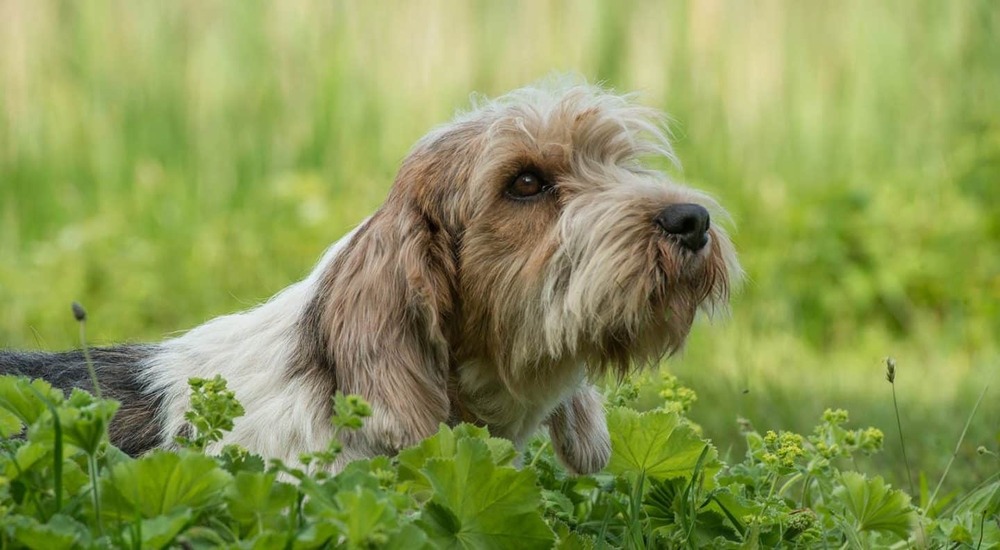
The PBGV coat is designed to be weather-resistant and practical. Regular brushing helps prevent tangles and removes debris, especially around ears, legs, and the beard. Many owners find a couple of good brush-outs a week is enough, with extra attention after bushy walks.
Most standards emphasise that the breed should keep a casually tousled, rustic look, rather than a highly sculpted finish.1, 4 If you use a groomer, it is worth choosing someone who understands the breed type and will work with the natural coat texture.
Feeding and weight: keeping the athlete athletic
PBGVs can be enthusiastic eaters, and their sturdy build can hide creeping weight gain under coat. Portioning matters, as does treat accounting during training. If you are unsure what “healthy” looks like on your individual dog, your vet can help you assess body condition and adjust intake gradually.
RSPCA Australia highlights pet obesity as a welfare issue and encourages owners to monitor body condition, feed appropriate portions, and support pets with regular exercise.8 For a scent hound, using part of the daily ration for training and enrichment can be a simple, effective habit.
A small dog with a big hound life
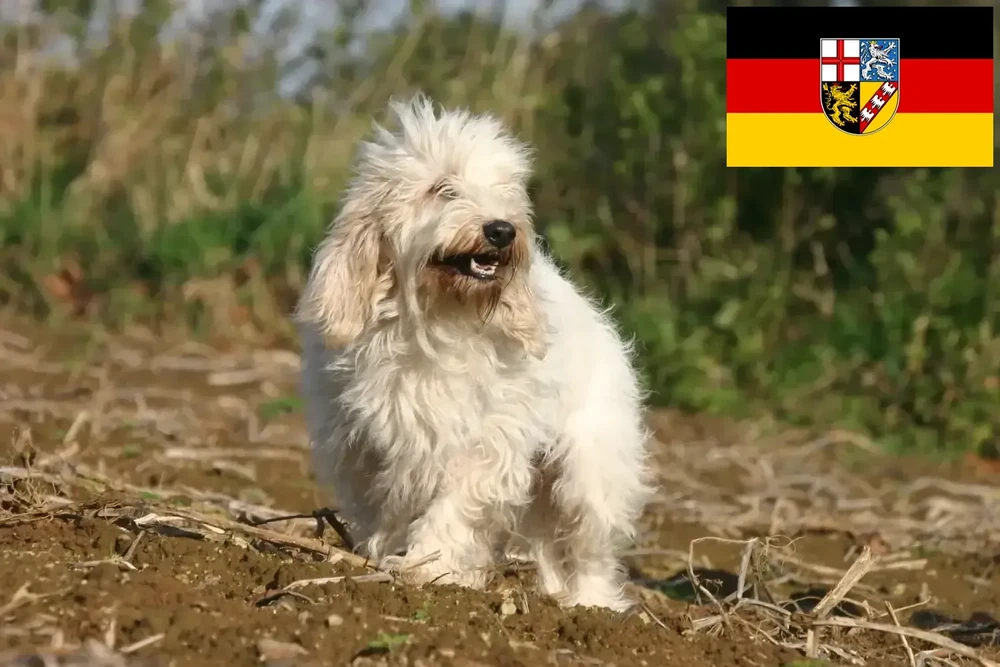
The PBGV can suit active households that enjoy daily walks, weekends outdoors, and a dog that brings a bit of humour to ordinary routines. They are often sociable and engaging, but they are not passive. Their needs are straightforward, yet non-negotiable: movement, enrichment, and patient training that makes room for the nose.
It is also a breed that pops up in the show world now and then, most famously when a PBGV called Jilly (Soletrader Peek A Boo) won Best in Show at Crufts in 2013.9 That kind of spotlight is fun, but the more useful takeaway is simpler: this is a working hound in a charming outfit. If you enjoy that combination, it can be an excellent fit.
References
- The Kennel Club, Basset Griffon Vendeen (Petit) breed standard
- Petit Basset Griffon Vendeen Club of America, French (FCI) standard overview
- Pet Health Network, Petit Basset Griffon Vendeen breed overview
- Petit Basset Griffon Vendeen Club of America, AKC PBGV breed standard (temperament and breed type)
- Encyclopaedia Britannica, Dog (background on domestication and working roles)
- Petit Basset Griffon Vendeen Club of America, Health information (including POAG)
- Australian Veterinary Association, Otitis externa in dogs
- RSPCA Australia, Pet obesity and healthy weight guidance
- ITV News, Crufts crowns a Petit Basset Griffon Vendeen named Jilly top dog (2013)