

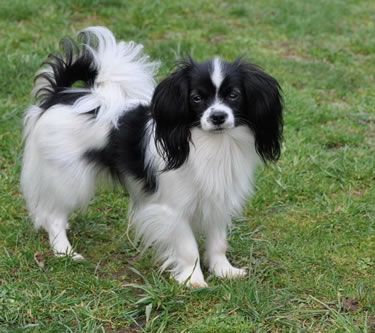
People often notice a Phalène the same way they notice a well-made piece of clothing: not loudly, but with a quiet sort of elegance that makes you look twice. The ears are usually what catch the eye first, hanging softly with feathering, giving the dog a different silhouette from the more familiar Papillon.
It is easy to assume a small toy dog is either fragile, yappy, or purely ornamental. In practice, the Phalène tends to be more balanced than that stereotype suggests. Many live happily in apartments, enjoy learning, and cope well with everyday life, as long as their needs for company, gentle exercise, and consistent handling are met.
Where this breed can surprise people is in the details: how much regular grooming matters, how quickly dental issues can creep up in small dogs, and how training can either reduce or accidentally reinforce barking. Getting those basics right is what turns “pretty dog” into a genuinely comfortable companion to live with.
Phalène at a glance
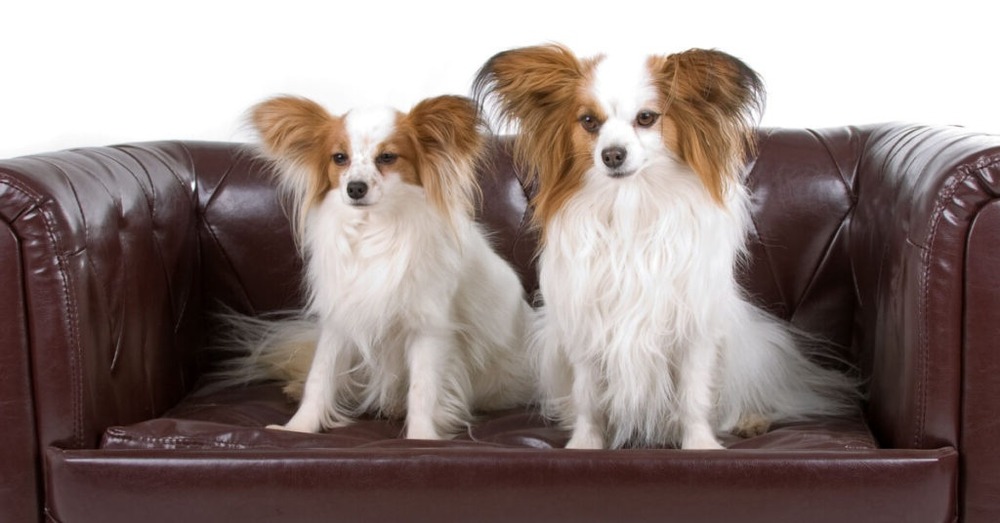
The Phalène is the drop-eared variety of the Continental Toy Spaniel. In many kennel club systems, the Papillon and Phalène are considered the same breed, with ear carriage as the main visible difference.1, 2
- Group: Toy
- Size: small, fine-boned
- Coat: long, silky, straight, with feathering
- Colours: typically white with patches of colour
- Temperament: often bright, people-focused, and responsive
- Typical lifespan: commonly 12 to 16 years, with individual variation3, 4
If you are choosing this breed, it helps to think in terms of daily companionship rather than a dog that can be left to its own devices for long stretches.
A brief history, and why the “court dog” story sticks
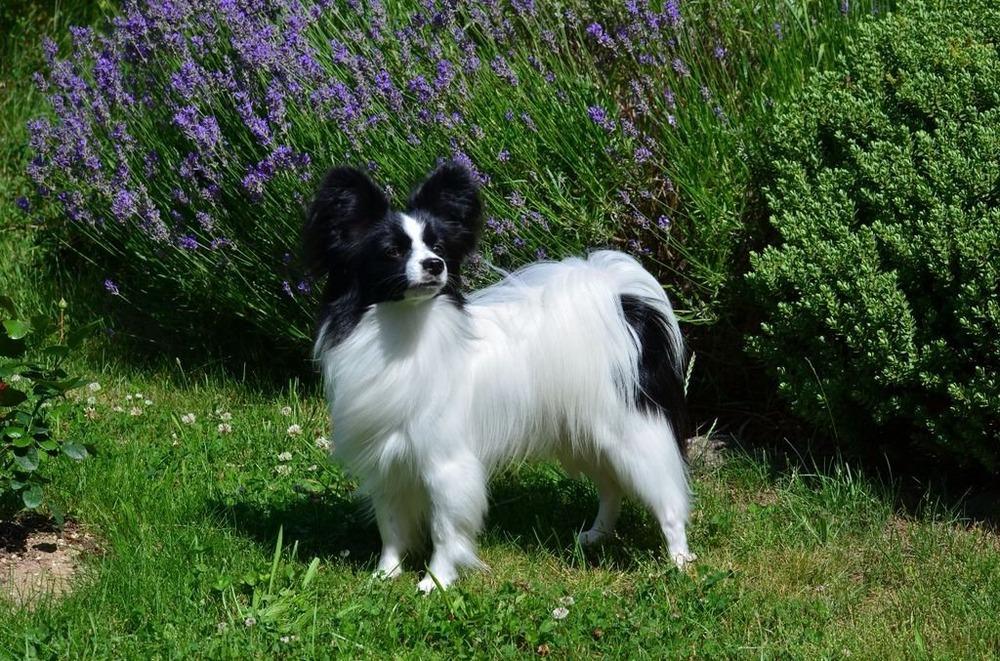
The Phalène is strongly associated with European companion dogs, and the Continental Toy Spaniel appears in historic artwork and written records over centuries. That is part of why the breed still carries an “aristocratic” reputation, even though modern Phalènes are simply companion dogs in ordinary homes.1, 5
The name “Phalène” comes from French, meaning “moth”, referring to the ear shape when relaxed and hanging. The Papillon name, “butterfly”, is used for the erect-eared variety, which can make the two types easy to remember once you have seen them side by side.2
It is worth holding this history lightly. A dog’s day-to-day behaviour is shaped far more by early socialisation, reinforcement, routine, and health than by the romance of an origin story. Still, the breed’s long-standing role as a companion helps explain why many Phalènes are so tuned in to human life.
What they are like to live with
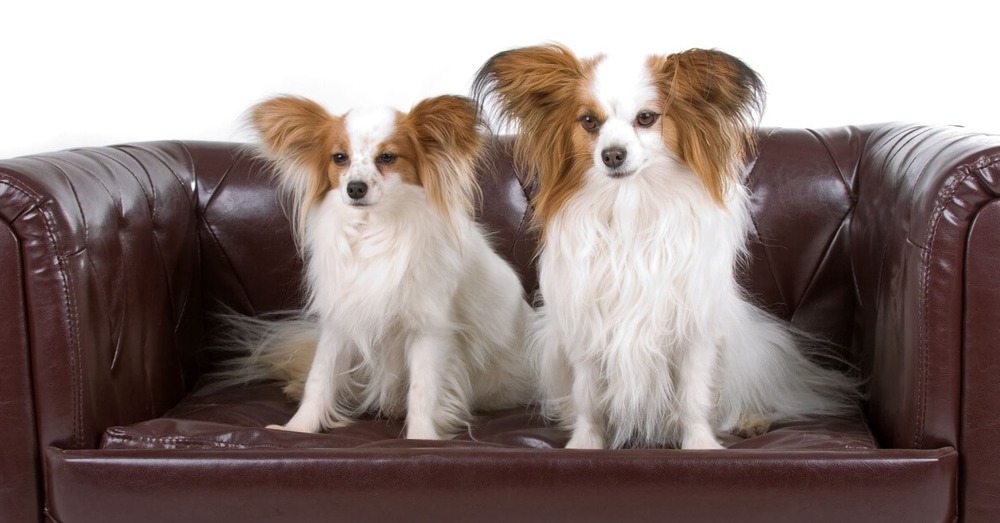
Most Phalènes are happiest when they can follow the household rhythm: a bit of play, a bit of rest, and regular contact with their people. They often enjoy problem-solving games and short training sessions because they are typically quick to notice patterns and consequences.
That attentiveness can also show up as “watchdog” behaviour. You may see alert barking at hallway sounds, visitors, or movement outside. The goal is not a silent dog, but a dog that learns what matters and what does not. Training helps here, and so does management, like closing curtains during high-traffic times or providing a settle mat away from the front door.
With children, the match is often best when the kids are old enough to handle a small dog carefully. For many toy breeds, the bigger risk is accidental injury from rough handling or falls, rather than aggression. With other animals, introductions usually go smoothly if you take them slowly and keep early interactions calm and structured.
Training and exercise, small dog rules still apply
A Phalène does not need long-distance running, but it does need a daily routine that includes movement and thought. A couple of gentle walks, short play sessions, and sniffy time can be plenty, especially if you add a little training along the way.
Many behaviour problems in toy dogs come from a well-meaning mismatch: owners either do too little because the dog is small, or do too much too fast because the dog is clever. A steadier approach tends to work best.
- Keep sessions short, and stop while the dog is still engaged.
- Use rewards thoughtfully, including food, praise, and access to what the dog wants (like greeting a person).
- If barking is an issue, focus on teaching an alternative, such as going to a mat, rather than only telling the dog off.
Positive reinforcement based training is widely recommended for companion dogs because it builds reliable skills without relying on intimidation or pain.6
Health considerations that matter in real households

No breed is “problem free”, and toy breeds have their own predictable pressure points. Two that come up often in Phalènes and similar small dogs are kneecap instability (patellar luxation) and dental disease.3, 7
Patellar luxation can range from mild, occasional skipping to more persistent lameness. If you notice a hop, a sudden “shake out”, or reluctance to jump, it is worth a veterinary check. Early advice can help you make sensible decisions about weight, exercise surfaces, and whether further investigation is needed.
Dental disease is often the quieter issue. Small mouths can mean crowding, and tartar builds quickly. Bad breath is not just cosmetic, it can be an early sign that gums are inflamed and the tooth surface is not staying clean enough between veterinary visits.8
If you are looking for longevity, the most practical steps are simple ones: keep the dog lean, keep teeth cared for, and stay consistent with check-ups and parasite prevention. These habits tend to matter more than supplements or trendy diets.
Coat, grooming, and the bit people underestimate
The Phalène’s coat is long and silky rather than thick and woolly, which often means fewer heavy moults, but it still tangles. Feathering around the ears, chest, and trousers can mat if it is ignored, especially where collars or harness straps rub.
A workable routine for many homes is:
- Brush several times a week, focusing on friction spots behind the ears and under the front legs.
- Use a comb to check for hidden knots close to the skin.
- Keep nails trimmed, and check ears during grooming so you notice changes early.
If grooming feels like a struggle, it often helps to treat it like training: tiny sessions, clear rewards, and frequent breaks. A dog that learns grooming is predictable and safe is much easier to care for across a lifetime.
Food and feeding, keeping it boring in the best way
Phalènes do best on a complete and balanced diet appropriate for their life stage. The practical challenge is not usually finding a good food, it is avoiding slow weight gain from extra treats, rich table scraps, or portions that creep up over time.
Rather than chasing a “perfect” formula, aim for consistency and body condition. Your vet can help you assess whether your dog is at a healthy weight and adjust daily intake accordingly. If you want to support coat and skin, the basics still come first: adequate protein, essential fatty acids, and overall calorie control.
Final thoughts
The Phalène suits people who enjoy a small dog with presence. Not a fragile ornament, and not a dog that asks for hours of physical exercise, but a companion that notices things, learns quickly, and thrives on gentle, regular interaction.
If you meet the breed with realistic expectations, especially around training consistency, dental care, and grooming, the Phalène can be the kind of dog that slips neatly into everyday life, and stays there contentedly for years.
References
- Fédération Cynologique Internationale (FCI): Continental Toy Spaniel breed standard
- American Kennel Club (AKC): Papillon (includes Phalène variety information)
- VCA Animal Hospitals: Patellar luxation in dogs
- RSPCA: Advice on choosing a dog breed and health considerations
- Encyclopaedia Britannica: Spaniel (background on spaniel types and history)
- RSPCA Knowledgebase: Effective training methods for dogs
- MSD Veterinary Manual: Patellar luxation in dogs
- World Small Animal Veterinary Association (WSAVA): Dental guidelines
- Australian Veterinary Association (AVA): Companion animal health policy and guidance