

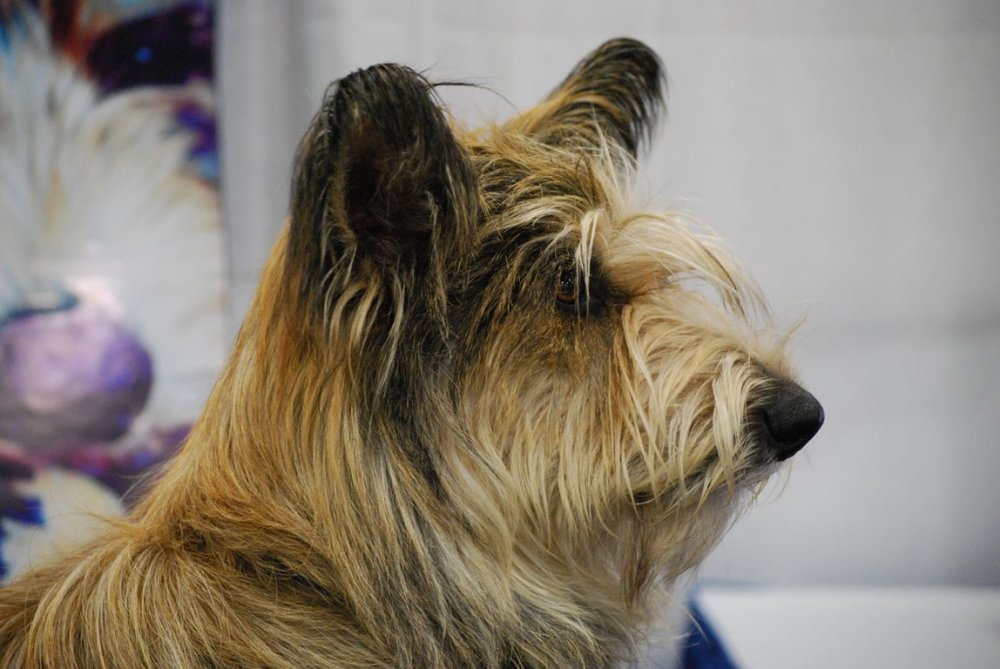
You might first notice a Berger Picard in a photo, all wiry coat and upright ears, looking a bit like they have stepped out of a windswept paddock. Or you might meet one on a walk and wonder why this scruffy, watchful dog feels so different to the more familiar herding breeds.
It is easy to assume that a rustic-looking dog will be “low effort”, or that a herding breed will automatically slot into family life as long as it gets a daily run. With the Picardy Shepherd Dog (also known as the Berger Picard), the reality sits somewhere more interesting. They can be steady, clever companions, but they are also shaped by generations of practical work, and they tend to do best when their days have variety, training, and room to move.
Getting to know the breed means looking past the hairstyle and into the details: what their coat is actually like to live with, how their minds work, and what helps them feel settled in a modern household.
At a glance: Picardy Shepherd Dog (Berger Picard)
- Breed type: Herding dog
- Origin: Picardy region, northern France1
- Height: Males 60 to 65 cm, females 55 to 60 cm (breed standard ranges vary slightly by organisation)2
- Typical weight: Often around 23 to 32 kg (individual dogs vary)1
- Coat: Rough, wiry, medium length, weather-resistant2
- Colours: Commonly fawn or brindle, grey shades may appear depending on the standard used2
- Life expectancy: Commonly around 12 to 13 years (some sources report 12 to 14)5
- Best fit: People who enjoy training, daily activity, and a dog that likes to be involved
History and origin in France
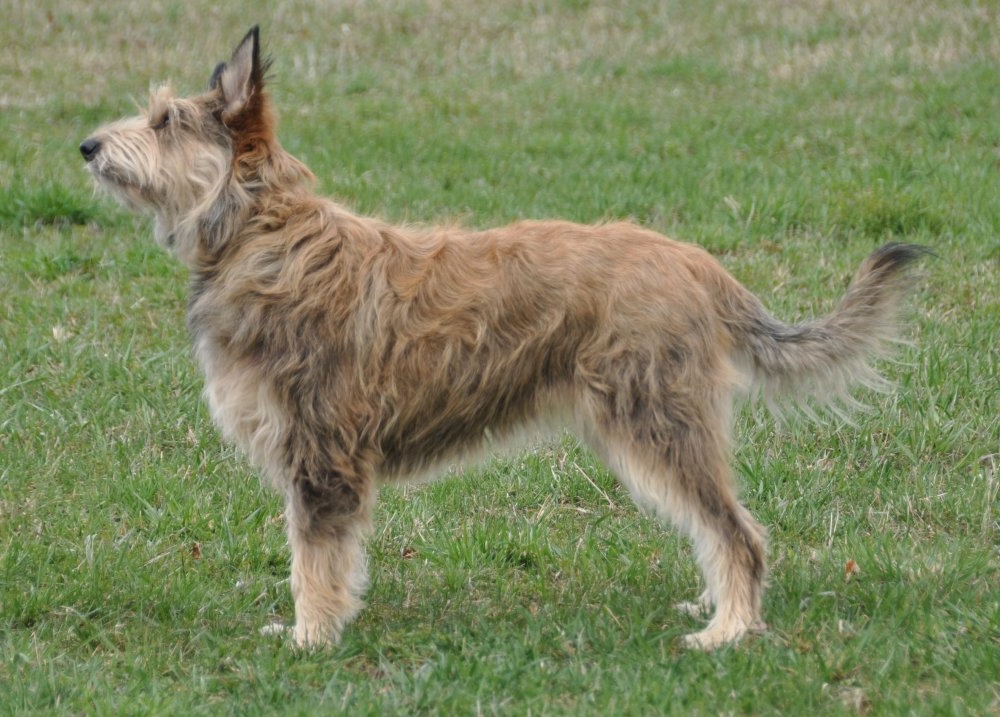
The Berger Picard is a French herding dog from the Picardy region. In farming communities, dogs were valued for practical traits: endurance, clear-headedness around stock, and the ability to handle long days in changeable weather.1, 2
You will sometimes hear the breed described as “dating back to the 9th century”. That idea appears in breed writing, but it is not something that can be pinned down as a firm, documented origin story. It is safer to say the Picard is an old regional type that was later formalised, rather than a breed with a single neat starting date.1
What is well supported is that the breed was hit hard by the World Wars and became rare, with breeders working to rebuild numbers afterwards.1
What they look like in real life
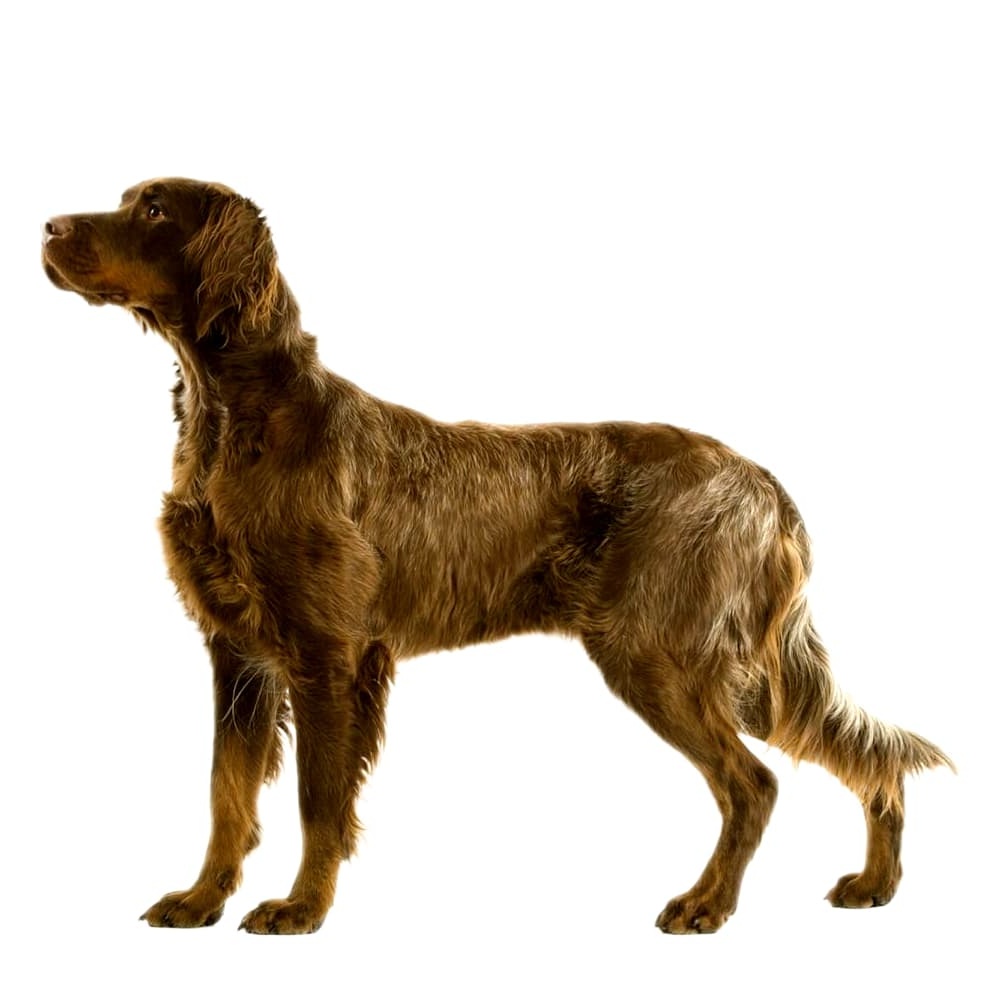
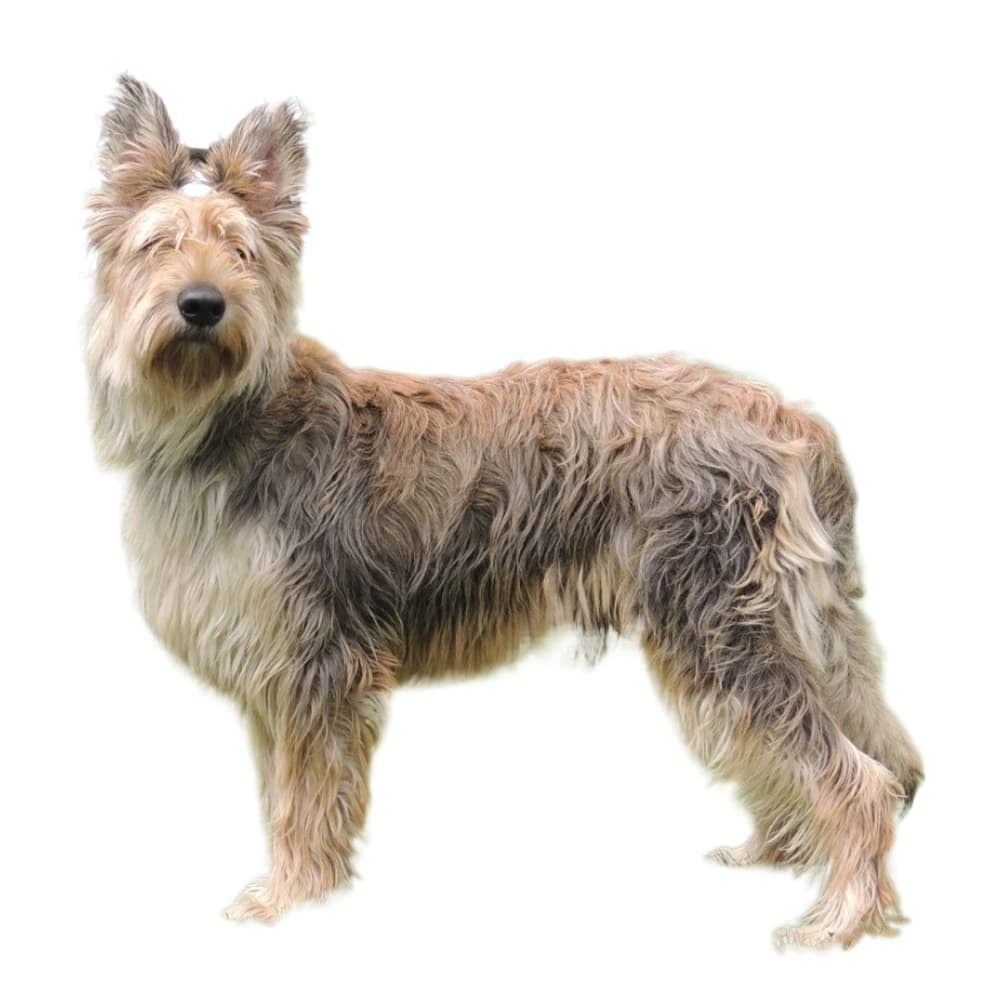
A Berger Picard is medium to large, lightly rectangular in outline, and built for steady movement rather than heavy power. The signature features are the erect natural ears, the tousled beard and eyebrows, and a tail that reaches to the hock with a small hook at the end.3
The coat is rough and wiry, meant to cope with wind, rain, and farm life. That texture can mislead people into thinking the dog is “shaggy but simple”, yet it still benefits from regular hands-on care, especially if your dog spends time in bushland, long grass, or sandy spots where debris tangles in.5
Temperament: bright, observant, sometimes reserved
In temperament, the Picard is often described as lively, alert, and intelligent. Many are naturally observant and can be a bit aloof with strangers, without being timid.3
This can look like “independence”, but in practice it often means the dog is taking in information before deciding what matters. In a busy home, that watchfulness can be helpful. In a crowded cafe or a tight footpath, it can mean you need to advocate for space and allow polite, unhurried greetings.
As with most herding breeds, early experiences matter. A well-socialised Picard is more likely to move through the world calmly, while a dog that has been rushed, overwhelmed, or left under-stimulated may develop noisy habits, over-checking behaviour, or frustration around movement and novelty.
Living with a herding brain
Herding dogs tend to be sensitive to patterns: bikes, running kids, cars rolling past, visitors arriving at the gate. That does not mean a Picard will automatically chase or “herd” everything, but it does mean you should plan for management and training rather than hoping instinct simply disappears.
In a family setting, it helps to give the dog clear jobs that fit modern life. Useful options include structured sniff walks, calm settle training, retrieve games with rules, and dog sports such as agility, obedience, rally, and herding activities where available.4, 5
They often cope best when the day includes both movement and thinking. A long run without follow-up enrichment can still leave a bright dog looking for something to do, and that “something” is not always what you had in mind.
Training approach that suits the breed
Picards are generally responsive, but they do not tend to thrive under heavy-handed handling. A reward-based approach (clear markers, good timing, and practical reinforcement) is widely recommended by animal welfare organisations, both for learning and for protecting the dog-human relationship.6, 7, 8
In day-to-day training, the most useful focus is often not flashy tricks, but life skills such as:
- Calm greetings, including four paws on the floor
- Loose-lead walking and predictable check-ins
- A settle cue for evenings, visitors, and cafe settings
- Comfortable handling for grooming and vet visits
- Thoughtful exposure to novelty (surfaces, sounds, people, other dogs)
If your Picard is inclined to be reserved with strangers, it is worth treating that as normal variation, not a fault to be “fixed”. Aim for neutral confidence rather than forced friendliness.
Exercise and enrichment: what “high energy” really means
Many breed profiles describe the Berger Picard as energetic, and it is fair to plan for a dog that needs daily activity and mental stimulation. Some sources suggest up to two hours of exercise a day, depending on the individual dog and the type of activity involved.5
In practice, quality matters as much as quantity. A mix often works best:
- Daily walking with time to sniff and explore
- Short training sessions spread through the day
- Play that is switched on and then switched off, rather than constant excitement
- Weekend adventures, hikes, or sport training as your dog matures
Puppies and adolescents need extra care here. Overdoing impact exercise too early can create problems, but underdoing enrichment can create a dog who invents their own entertainment.
Health, lifespan, and sensible screening
Most Picards are robust, but like many medium to large breeds they can be affected by inherited conditions. Hip dysplasia is commonly discussed, and breed communities also raise eye concerns in some lines. The practical takeaway is not to panic, but to buy or adopt with your eyes open, and to work with a veterinarian on appropriate screening and preventive care.5, 9
For prospective owners, it is reasonable to ask breeders about hip scoring, eye testing, and how health decisions are made in their program. For current owners, staying lean, maintaining fitness, and taking lameness or vision changes seriously can make a meaningful difference over time.
Grooming and everyday maintenance
The Picard coat is not a “salon coat”, but it is still a working coat that benefits from routine care. Most owners do well with a weekly brush and a quick check of friction points (behind ears, armpits, groin, and where a harness sits). More brushing may be needed during seasonal shedding.5
Bathing can be occasional rather than frequent. The goal is to keep the coat functional and the skin comfortable, not to soften the wire texture. Add in basic nail care, ear checks, and dental routines, and you have most of the real maintenance covered.
Food, growth, and keeping the dog lean
There is no single perfect diet for every Berger Picard, but the broad principles are steady. Feed a complete and balanced diet suited to age and activity, track body condition, and adjust portions as seasons and exercise levels change. For many active herding dogs, staying lean and well-muscled matters more than chasing the “highest protein” label on a bag.
Be cautious with extras. Treats are useful for training, but they can quietly become a large part of the daily intake. If your dog is prone to digestive upset, make changes gradually and keep your vet in the loop.
Is a Berger Picard right for you?
A Picardy Shepherd Dog can be a rewarding companion for people who enjoy an outdoorsy routine, notice small changes in behaviour, and like training as part of everyday life. They often suit homes where someone is genuinely interested in a dog that thinks for itself, while still valuing structure.
They are not always the easiest choice for a small apartment lifestyle, or for households hoping for a dog that is cheerful with everyone and content with short, repetitive exercise. The Picard tends to do best when it has space, purpose, and calm consistency.
References
- Wikipedia: Berger Picard
- Fédération Cynologique Internationale (FCI): Berger de Picardie breed standard (No. 176)
- Berger Picard Club of America: BPCA Breed Standard
- American Kennel Club (AKC): Herding eligibility, eligible breeds list
- The Spruce Pets: Berger Picard breed characteristics and care
- RSPCA Knowledgebase: Reward-based dog training and positive reinforcement
- RSPCA Australia: The do’s and don’ts of training your dog
- RSPCA Knowledgebase: Training recommendations and avoiding aversive equipment
- American Kennel Club: The Berger Picard gains full recognition (press release)