

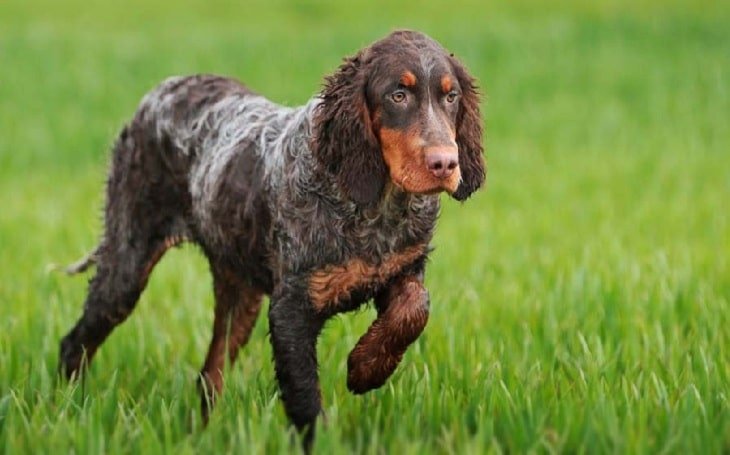
You might come across the Picardy Spaniel (Epagneul Picard) the way many people do, not through a breeder’s glossy brochure, but through a photo that stops you for a second. A dog with a soft, weathered-looking coat, long ears, and a calm expression that feels familiar if you have lived with gundogs or spaniels before.
It is easy to assume that a rarer breed is either “too specialised” for everyday life, or that it is basically the same as more common spaniels, just with a different coat. The Picardy Spaniel sits somewhere in between. It was shaped for practical work in the field, but its day-to-day needs, especially exercise, training rhythm, and ear care, are often what determine whether it settles well in a modern home.
What matters in practice is matching the dog in front of you to the life you can actually offer. With the Picardy Spaniel, that usually means thinking honestly about time outdoors, tolerance for muddy paws, and whether you enjoy the steady routine of training and grooming, rather than looking for a “low effort” companion.
At a glance: what the Picardy Spaniel is like
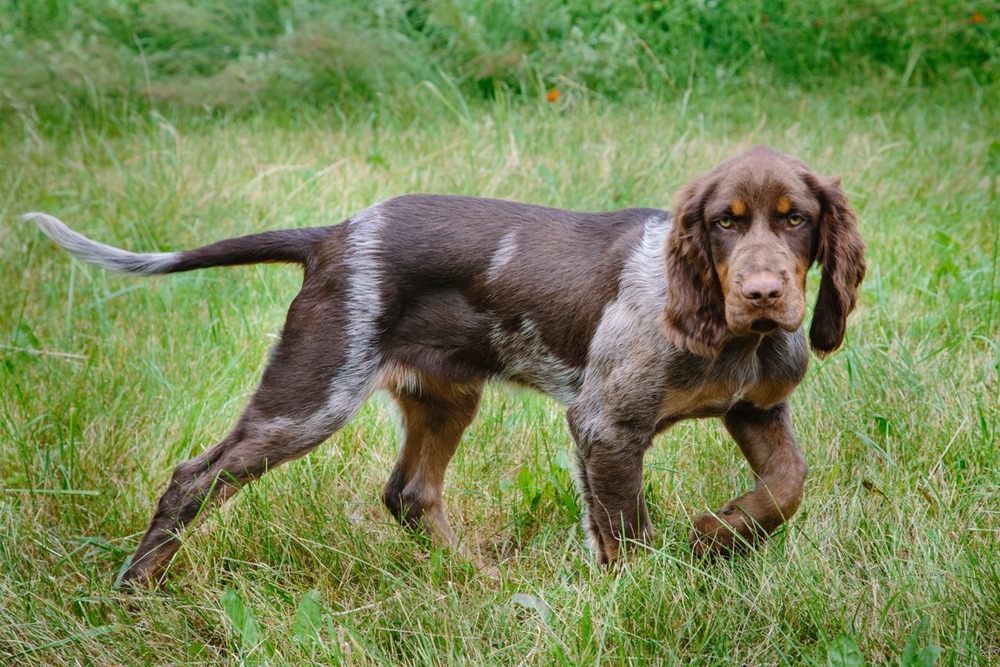
The Picardy Spaniel is a French gundog recognised by the FCI in Group 7 (Pointing Dogs), Spaniel type.1 It is typically medium to large, often described around 50 to 60 cm at the shoulder and roughly 20 to 25 kg, with a coat that is slightly wavy and protective in rough weather.1, 2
- Best fit: active households, people who like training, outdoorsy routines, and regular exercise.
- Coat and grooming: moderate coat care, with routine brushing to prevent tangles and to manage shedding.
- General temperament: often described as steady and biddable, with a working-dog brain that appreciates having a job.
Where the breed comes from, and why that still shows
The Picardy Spaniel comes from the Picardy region of northern France. In modern descriptions it is often grouped with continental pointing breeds and valued for its field work, including searching, pointing, and retrieving.1, 2
That background tends to show up in everyday behaviour. Many Picardy Spaniels do best when they can move through the world with their nose switched on, and when their exercise is not only physical, but also mentally satisfying. A long walk that includes sniffing, exploring new ground, or practising a few cues can settle the dog more effectively than a brisk lap of the block.
In France, the breed’s standard sits within a working framework, and FCI listing includes a working trial requirement.1 In practical terms, it helps to assume that even a pet-bred dog may still carry strong “field” instincts and stamina.
Appearance and the traits people notice first
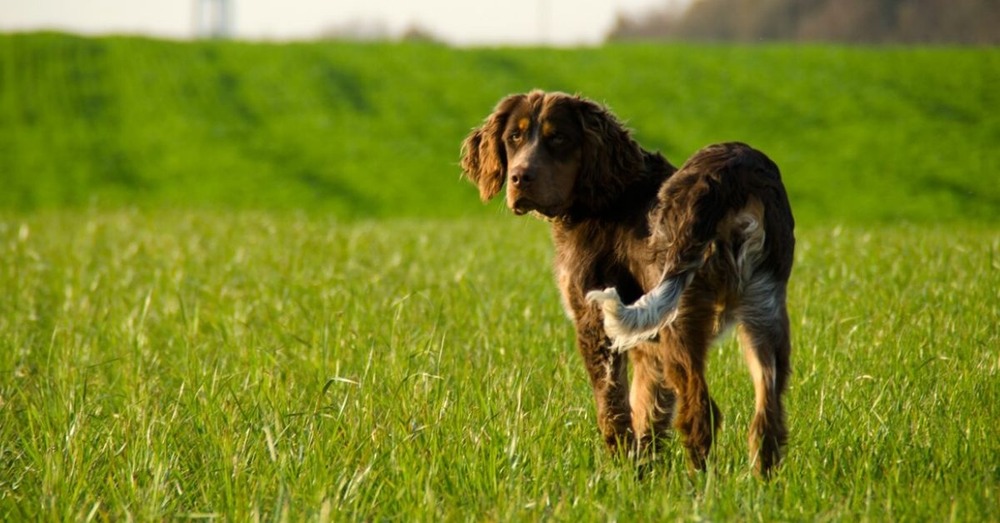
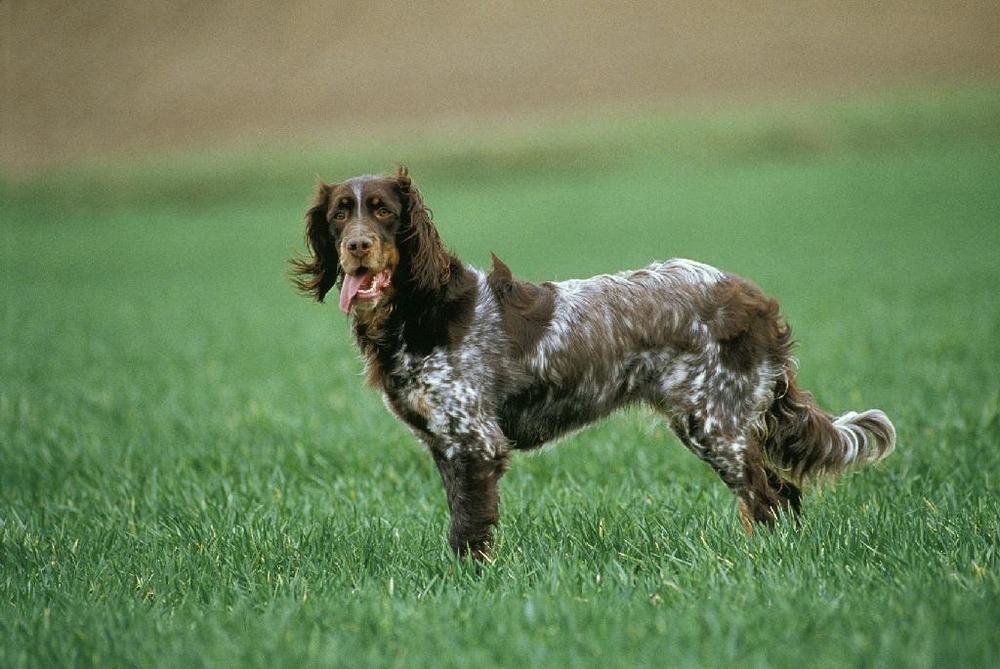
The coat is often what draws people in. It is usually described as a slightly wavy, dense coat, commonly in grey roan tones with brown markings. It reads as rugged rather than glossy, which suits the breed’s identity as a practical working dog.2
You will also notice the long, pendulous ears and some feathering on legs and tail. Those features are part of the classic spaniel outline, but they also come with everyday management, especially after swimming, paddling in creeks, or charging through damp grass.
If you are choosing a Picardy Spaniel, it helps to appreciate the look while also accepting the reality of it, including burrs, mud, and a coat that benefits from regular brushing rather than occasional tidy-ups.
Temperament in a home, not just on paper
Breed descriptions commonly highlight a steady, friendly, trainable nature, and in the right setting that can feel very true. The Picardy Spaniel is often at its best with calm structure, consistent handling, and enough daily movement to keep its nervous system settled.
It is worth holding two ideas at once. First, many individuals can be gentle and easy to live with. Second, it is still a gundog. Without enough exercise and enrichment, even a “quiet” dog can become restless, overly alert to movement, or prone to inventing their own entertainment.
In many households, the key is not intensity, but routine. A Picardy Spaniel that gets the same morning walk, a bit of training practice, and some time to sniff and explore often becomes an uncomplicated companion indoors.
Training that suits the Picardy Spaniel brain
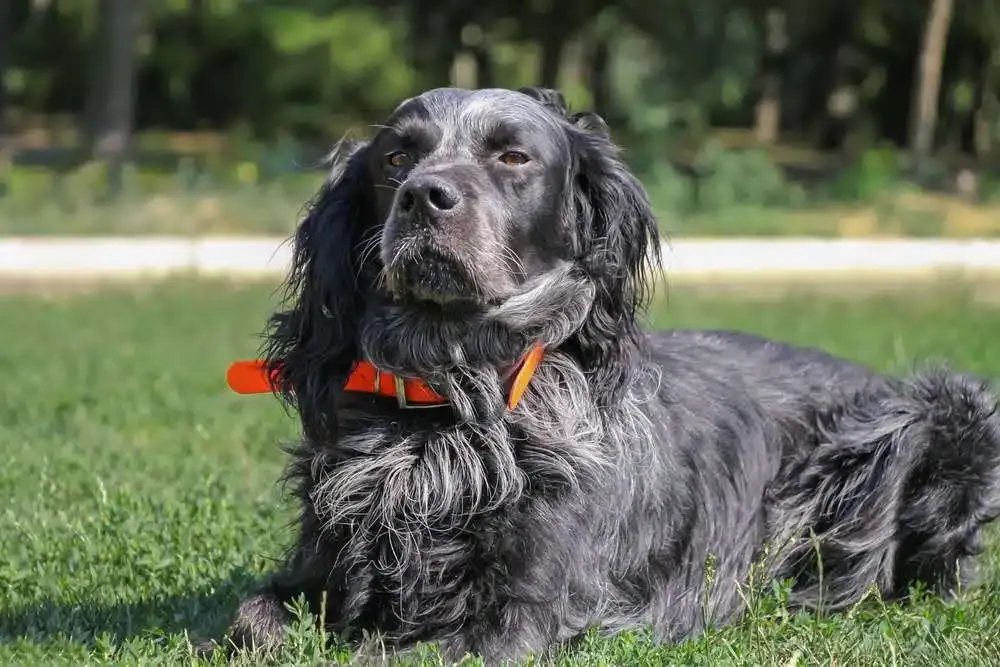
Most gundogs respond best when training feels clear, rewarding, and predictable. For a Picardy Spaniel, positive reinforcement tends to be the simplest way to build strong habits while keeping enthusiasm for learning.
Short sessions, repeated often, usually work better than long drills. These dogs can be observant and quick to spot patterns. If recall only happens at the end of fun, they will notice. If coming back reliably leads to more freedom, they notice that too.
Useful focus areas for many families include:
- Recall and check-ins around distractions (birds, rabbits, other dogs).
- Lead manners that allow sniffing without dragging.
- Calm settling at home (a mat cue, or a predictable rest routine).
- Handling comfort, including ears, feet, and brushing, so grooming stays easy.
Exercise and enrichment: what “high energy” often means
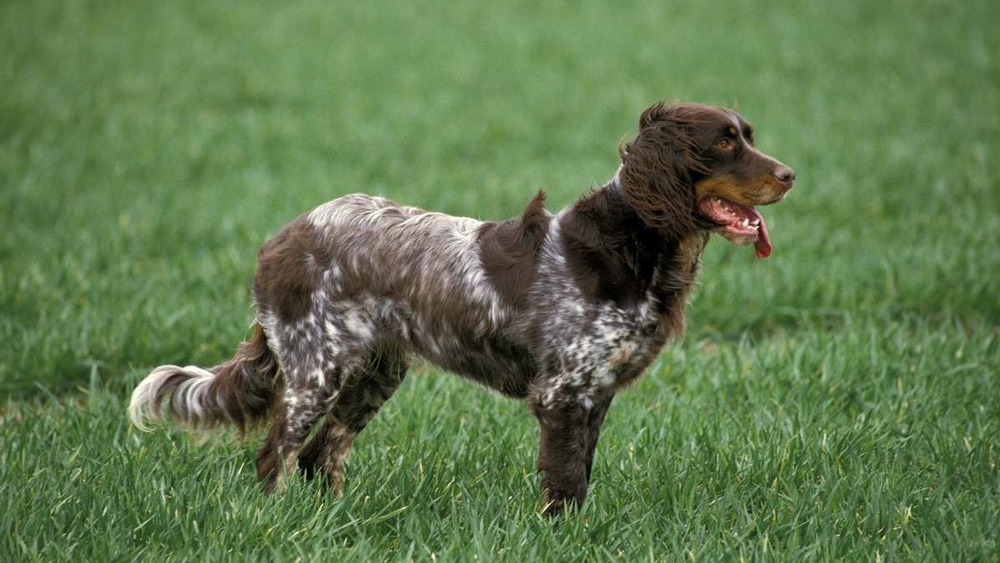
People sometimes hear “high exercise needs” and picture endless running. In practice, a Picardy Spaniel often needs a mix of movement and thinking time. Long, varied walks, off-lead time where safe, retrieving games, and scent-based activities can meet the need more effectively than repetitive exercise alone.
Swimming is often mentioned with spaniel-type gundogs, and many individuals enjoy water. If your dog swims, treat it like sport. Rinse and dry the coat when needed, and pay attention to ear health afterwards, especially if your dog has a history of irritation.5
If you live in a smaller space, it is not automatically a deal-breaker, but the routine has to be realistic. A home without a big yard can still work if you can provide daily purposeful outings and enough calm time to recover between them.
Health considerations to take seriously
No breed is “problem free”, and rarer breeds can have less publicly available data, simply because there are fewer dogs. Still, a few patterns are worth keeping in mind.
Hip dysplasia is a consideration across many medium and large breeds. It is influenced by a mix of genetics and environment, and signs can range from subtle stiffness to more obvious pain or lameness. Screening (for example, radiographs assessed through recognised schemes) is a sensible conversation to have with breeders and your vet.6
Ear trouble is another practical topic. Dogs with long, pendulous ears can be more prone to otitis externa, especially if moisture, wax build-up, allergies, or foreign material are part of the picture. Current veterinary guidelines emphasise proper assessment, including ear cytology, and not relying on guesswork when infections are recurrent.5
Grooming and day-to-day care
The Picardy Spaniel coat is usually described as slightly wavy and protective. That is a gift outdoors, and a small commitment indoors. Brushing a few times a week helps prevent knots in feathering, reduces shedding, and makes it easier to spot grass seeds or skin issues early.
After wet walks or swimming, make a habit of checking:
- ears (dryness, smell, redness)
- between toes (grass seeds, irritation)
- feathering on legs and belly (burrs, tangles)
This kind of maintenance is not complicated, but it works best when it is quiet and routine, rather than something done only when the dog is already uncomfortable.
Feeding and keeping weight steady
Picardy Spaniels are active, and many will eat with enthusiasm, which means weight can creep up if portions are not adjusted to the dog’s real workload. A helpful, practical tool is a regular body condition score check with your vet or veterinary nurse, rather than relying on the number on the scales alone.7, 8
If you are choosing a food, prioritise a complete and balanced diet suited to your dog’s life stage and activity level. If you are adding extras, keep them small and count them as part of the day’s intake. It is a boring tip, but it is one of the most effective ways to protect joints and long-term health.
It is also worth being very clear about common household hazards. Some everyday foods can be toxic to dogs, including chocolate, grapes and raisins. If exposure happens, contact a vet promptly.9
Choosing one, and what to ask before you commit
With a rarer breed, it can take time to find the right litter, and that is usually a good thing. It gives you space to talk honestly about your routine and what you want in a dog, not just what you admire in a photo.
Helpful questions to ask breeders or breed clubs include:
- What health screening is done in this line, and what results can be shared?
- What are the parents like in the home, especially around settling and being left alone?
- How are the pups being raised, handled, and introduced to everyday life?
- What support is offered after the puppy comes home?
A good match is not only about “good temperament”. It is about whether your home can offer the mix of exercise, training, and contact that helps this sort of dog stay relaxed and well-behaved.
References
- Federation Cynologique Internationale (FCI): Epagneul Picard (Picardy Spaniel), Breed No. 108
- North American Picardy Spaniel Alliance (NAPSA): Picardy Spaniel Breed Standard
- Societe Centrale Canine (France): Epagneul Picard breed information
- UK Picardy Spaniel Club: Picardy Spaniel Breed Standard
- University of Melbourne: Australian Veterinary Prescribing Guidelines, Otitis externa (ears)
- Orthopedic Foundation for Animals (OFA): Hip Dysplasia overview
- World Small Animal Veterinary Association (WSAVA): Global Nutrition Guidelines
- WSAVA: Global Nutrition Committee
- RSPCA Pet Insurance Australia: Safe diet for dogs and foods to avoid