

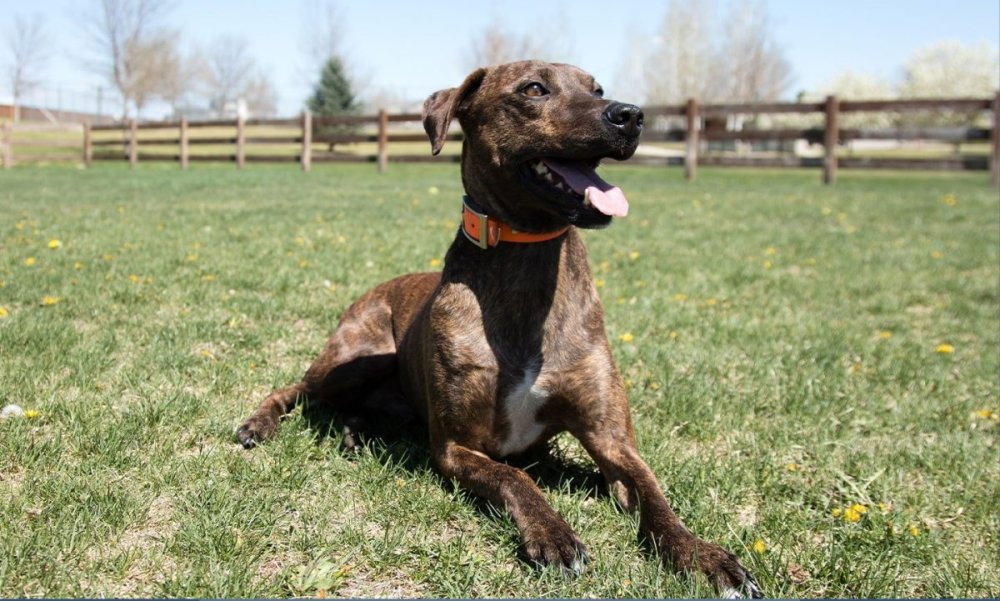
You might come across a Plott Hound on a bushwalk video, hear one “talking” from behind a fence, or meet a brindle dog at the local oval who seems friendly enough until a scent hits the air and the whole body changes. People often assume hounds are all much the same: long ears, big voice, nose to the ground.
The Plott is a little different. It was shaped for difficult work, tracking and holding large game in rugged country, and that background still shows in everyday life. A Plott can be steady and companionable at home, then suddenly become single-minded outside when something interesting passes through the wind.
Understanding that mix, affectionate and intensely driven, matters in practice. It helps you choose the right home set-up, training approach, and outlets for their instincts, rather than expecting the dog to simply “grow out of” behaviours that are, for this breed, part of the design.
- Breed category: Hound
- Country of origin: United States
- Height: about 51 to 63 cm (males), 53 to 63 cm (females), depending on the standard used1
- Weight: commonly around 18 to 34 kg, depending on sex and standard1
- Typical lifespan: 12 to 14 years7
- Coat: short, smooth, generally low maintenance
- Exercise needs: high, daily physical work plus sniffing and thinking time
Where the Plott Hound comes from
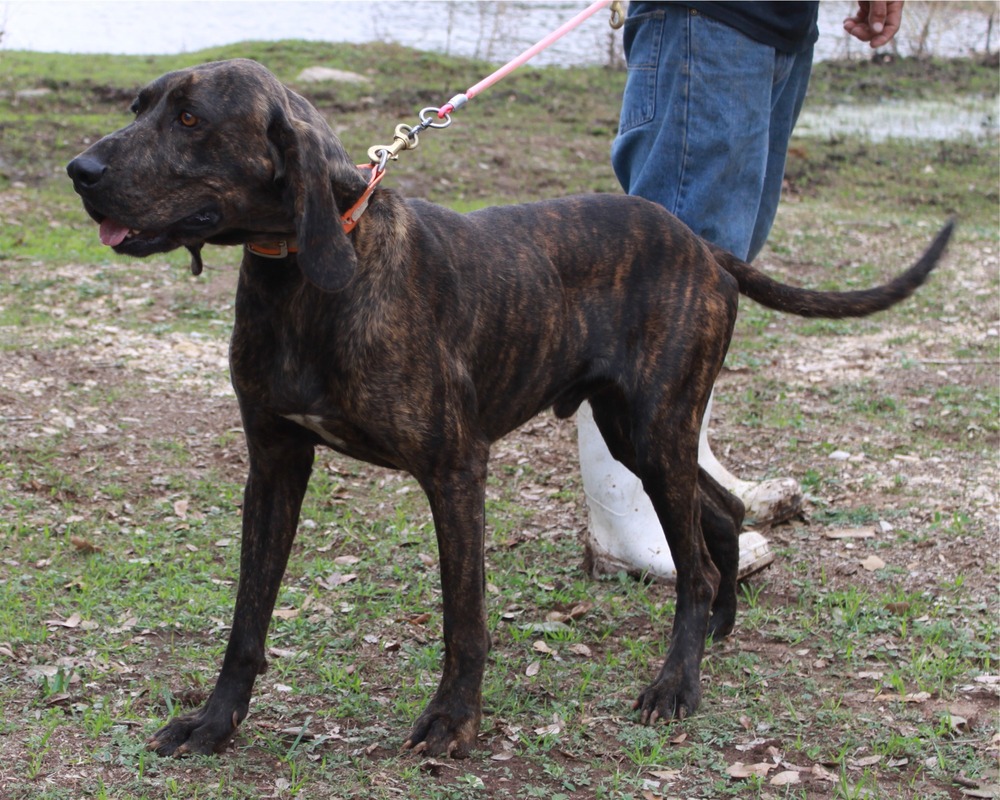
The Plott Hound is closely tied to North Carolina. Historical accounts commonly point to Johannes George Plott bringing German hunting hounds to North Carolina in 1750, with the line later developed by the Plott family in the mountains and foothills for tough, practical hunting work.2, 3
That work was not dainty. Plotts were valued for locating and pursuing large game such as bear and wild boar, staying on a track, and holding pressure in difficult terrain.2 Their voice, the classic hound bay, was not just noise for the sake of it. It helped people find their dogs and read what was happening at a distance.
In 1989, the Plott Hound was officially designated as the state dog of North Carolina (August 12, 1989), which reflects just how intertwined the breed is with the region’s history.3
What a Plott looks like in real life
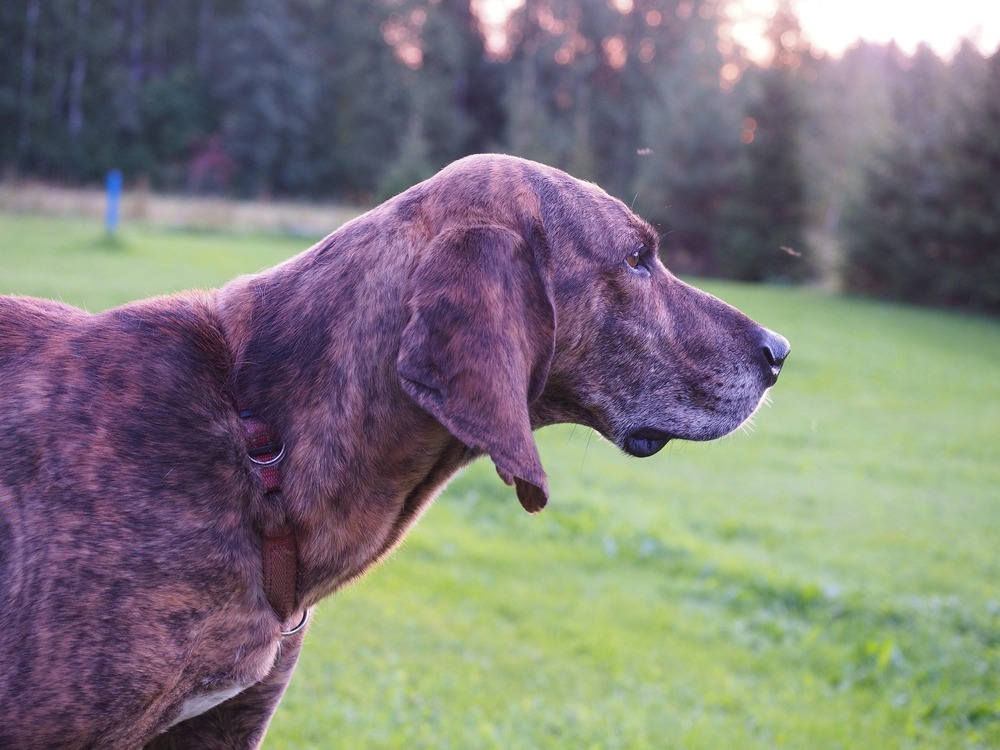
Plotts are medium to medium-large, athletic scenthounds with a neat, functional coat and a body built for stamina. Breed standards vary slightly by organisation, but most place them in the ballpark of 20 to 25 inches at the shoulder and roughly 40 to 75 pounds, depending on sex and type.1
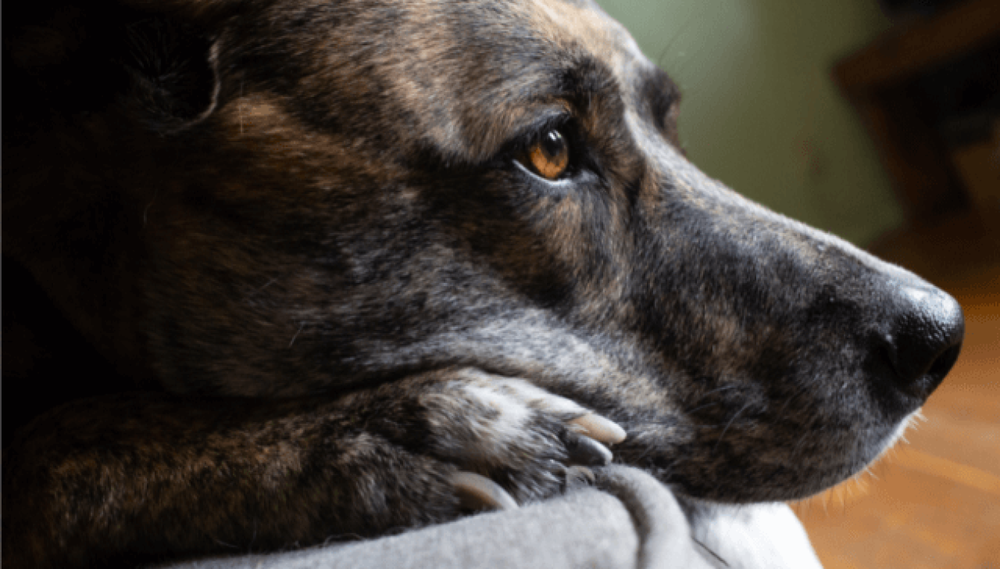
The coat is typically short and glossy. Brindle is the colour people picture first, and it is commonly preferred, but some standards allow solid colours as well. Small white markings can also be seen on chest and feet.1
They carry the usual hound features: drop ears, a strong muzzle, and a tail that lifts when they are moving with purpose. If you live with one, you start to notice the small tells: the quick head turn when scent arrives, the body angle that changes, the way the feet “lock on” to a track.
Temperament and day-to-day behaviour
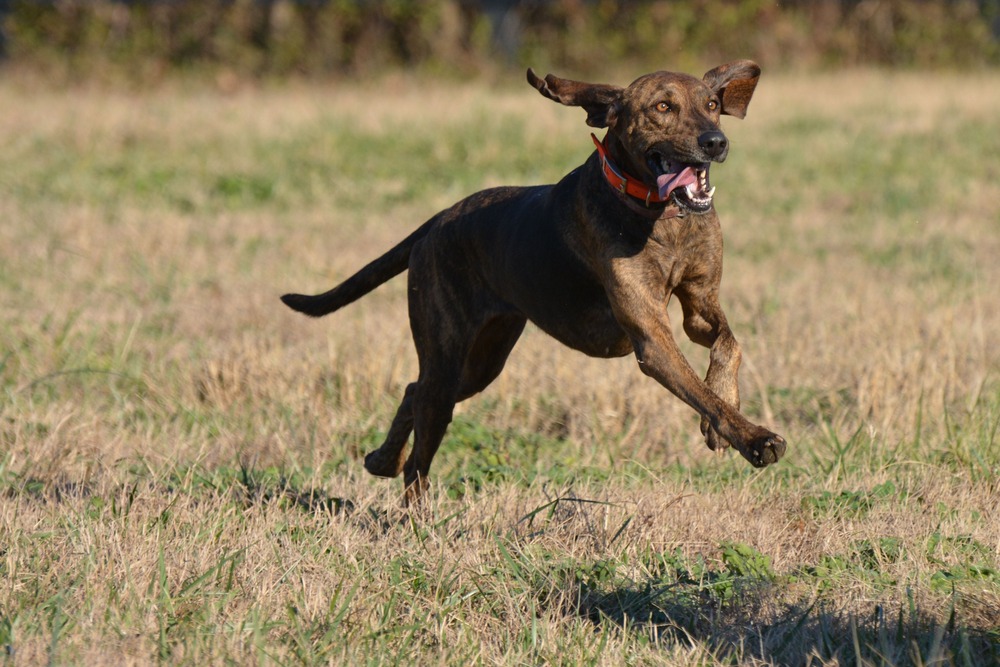
The Plott tends to be people-oriented at home, especially with the family it knows well, but the breed is also wired to notice the environment. Outdoors, many Plotts will prioritise scent over conversation, and that is not disobedience so much as instinct taking the wheel.
With children, success usually comes down to normal dog-and-kid basics: supervision, teaching respectful handling, and making sure the dog has a quiet place to retreat. Plotts can be robust playmates, but they are not always naturally suited to chaotic households without guidance.
Other pets are a more individual question. Many Plotts can live peacefully with other dogs. Small animals can be more complicated, particularly if the dog has a strong chase response. Early exposure helps, but management still matters: secure fencing, leads in unfenced areas, and thoughtful introductions.
Training that suits a scent hound brain
Training a Plott is often less about “making them behave” and more about building habits that can hold up when the world is interesting. The best progress usually comes from reward-based training with clear boundaries and a lot of practice in low-distraction places before expecting reliability in the wild bits of life.6
Socialisation is part of that foundation. In Australia, the RSPCA describes a critical socialisation period in early puppyhood (often framed roughly around 3 to 17 weeks), where positive experiences with people, surfaces, sounds, handling, and other animals can shape adult coping skills.5
If you have a young Plott, keep sessions short and practical. Think less about “meeting everyone” and more about learning calm routines:
- being handled, especially ears, paws, and mouth
- settling on a mat while life happens around them
- coming when called in a fenced space, then gradually adding distractions
- swapping and giving up items without conflict
It is also worth knowing where hounds can struggle. Recall is a common sticking point for any dog with a powerful nose. Many owners find success by treating recall like a safety skill, using long lines, high-value rewards, and not “testing” it off-lead until it is genuinely reliable.
Exercise and enrichment, beyond the long walk
Plotts are built for sustained effort, so a quick lap around the block often does not touch the sides. They tend to do best with a mix of daily physical activity and structured “nose work”, because sniffing is not a bonus for this breed, it is a core need.
Useful outlets include:
- hikes on lead in new environments
- scent games at home (scatter feeding in grass, hide-and-seek treats, simple tracking lines)
- training sessions that teach self-control (wait, leave it, settle)
- canine sports that use scent and movement, if available in your area
Many Plotts are also vocal, particularly when excited or working a scent. If you share walls with neighbours, it is worth considering whether your lifestyle and housing can accommodate normal hound communication, not just the “quiet dog” ideal.
Health considerations and preventative care
No breed is perfectly predictable, but Plotts are generally considered robust. Two issues that are commonly discussed in medium-to-large, active dogs include hip dysplasia and chronic ear trouble, particularly when ears are drop-shaped and tend to hold warmth and moisture.
Hip dysplasia is a developmental condition involving abnormal hip joint formation and can lead to osteoarthritis over time. Risk is influenced by multiple factors, including heredity and growth patterns. Management often includes keeping dogs lean, sensible exercise, and veterinary-guided treatment if pain develops.8
For ears, the everyday aim is simple: reduce the wet, dirty environment that infections enjoy. If your dog swims, gets recurrent ear redness, or has that familiar “ear smell”, ask your vet about a cleaning routine that suits your dog, rather than cleaning too often or with unsuitable products.
Routine care that tends to make the biggest difference is not glamorous, but it works:
- regular vet checks and dental care planning
- parasite prevention suited to your region
- keeping nails short enough for stable movement
- staying lean, particularly in adulthood, to protect joints
Grooming and home care
The Plott’s coat is usually straightforward. A weekly brush or grooming mitt helps lift loose hair and spreads skin oils, and it gives you a chance to check for burrs, ticks, and small injuries after bush time.
What often needs more attention than the coat is the whole package: ears, paws, and the dog’s general recovery after exercise. Plotts can be enthusiastic movers, and small niggles are easier to address early, before they become habits or chronic problems.
Food, growth, and keeping a Plott in good condition
Plotts do best when they are fit rather than heavy. Choosing a complete and balanced diet is a good starting point, then adjusting the amount based on the dog in front of you: age, season, workload, desexing status, and metabolism all matter.
Veterinary organisations like WSAVA emphasise the value of a regular nutritional assessment as part of routine care, including monitoring body condition and adjusting feeding accordingly.9 In practical terms, you want to be able to feel ribs with light pressure, see a waist from above, and notice an abdominal tuck from the side.
If you are changing foods, do it gradually over about a week where possible, especially for dogs with sensitive guts. If you are unsure about amounts, your vet can help you work from a target weight and a body condition score, rather than guessing from the label alone.
Is the Plott Hound a good fit for your home?
The Plott can be a deeply satisfying dog to live with, especially for people who enjoy training, the outdoors, and a dog that feels present in the environment. They often suit active households that can offer both movement and purpose.
They are less suited to homes that need a dog to be naturally low-drive, reliably off-lead in unfenced areas, or content with minimal daily input. For many Plotts, the difference between a “difficult dog” and a good companion is simply whether their instincts have somewhere appropriate to go.
References
- United Kennel Club (UKC), Plott Hound breed standard
- North Carolina Department of Natural and Cultural Resources, Plott Hound native to Haywood County
- NCpedia, State Dog of North Carolina: Plott Hound
- North Carolina Department of Natural and Cultural Resources, Plott Hound (P-87) historical marker entry
- RSPCA Australia Knowledgebase, Is socialising my puppy important?
- American Veterinary Society of Animal Behavior (AVSAB), Position statements (including Humane Dog Training)
- Purina, Plott dog breed information
- Merck Veterinary Manual (Pet Owner Version), Hip dysplasia in dogs
- WSAVA, Global Nutrition Committee and Global Nutrition Guidelines overview