

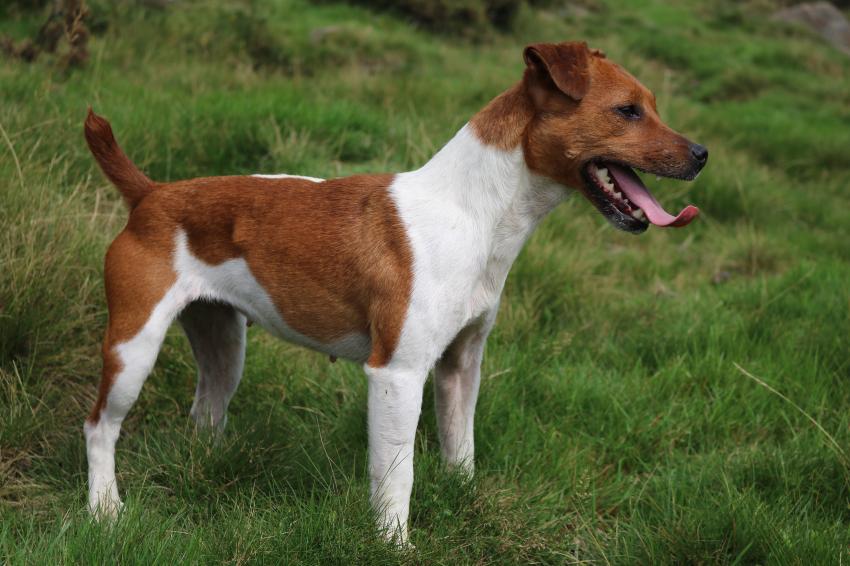
You might come across a Plummer Terrier after noticing a small, athletic dog that looks a bit like a Jack Russell, but moves with a slightly different purpose. Often it is in a working context, around farms and sheds, or with someone who is very particular about terriers that can do a job as well as live in the house.
There is also a quiet confusion around the name. People assume “Plummer Terrier” must mean a recognised pedigree with a neat, settled history. In practice, the Plummer is better understood as a modern working terrier type with a breed community behind it, rather than a kennel club staple. That matters, because it shapes what you should expect in temperament, health screening, and consistency of type.
If you are considering one, or you already share your home with one, the useful questions tend to be practical: how much daily movement is enough, what does “prey drive” look like in a suburban street, and how do you train a clever terrier without turning everything into a negotiation?
- Breed category: Terrier (working terrier type)
- Country of origin: United Kingdom
- Typical height: About 30 to 36 cm at the shoulder
- Typical weight: About 5 to 8 kg
- Typical life span: Around 12 to 15 years
- Coat: Short and dense
- Grooming: Low, with regular brushing
- Energy level: High
- Best suited to: Active households, people who enjoy training and enrichment
The Plummer Terrier’s story and what “breed” means here
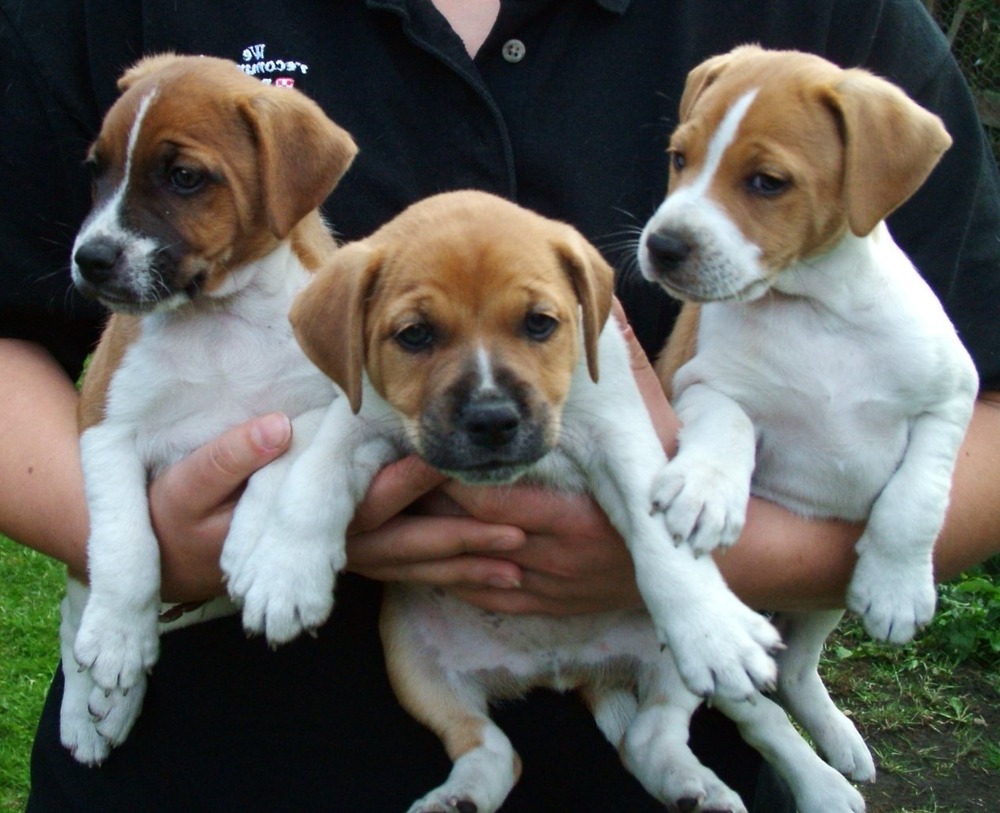
The Plummer Terrier was developed in the UK as a working ratter and vermin dog, associated with Brian (D. Brian) Plummer and his writings and breeding work in the late 20th century.1, 2 If you read terrier people talking about Plummers, you will often hear working ability mentioned first: drive, toughness, and a dog that can stay mentally engaged in a job.
It is also worth being clear about recognition. The Plummer Terrier is commonly described as not recognised by major kennel clubs, which does not make it “lesser”, but it does mean you may see more variation in type, and you will want to ask more questions about how a particular dog has been bred and raised.1
Breed clubs and associations have played a central role in trying to protect the Plummer as a functional terrier and to encourage responsible breeding decisions, including discussion of genetics and health priorities.2
Temperament: bright, busy, and easily self-employed
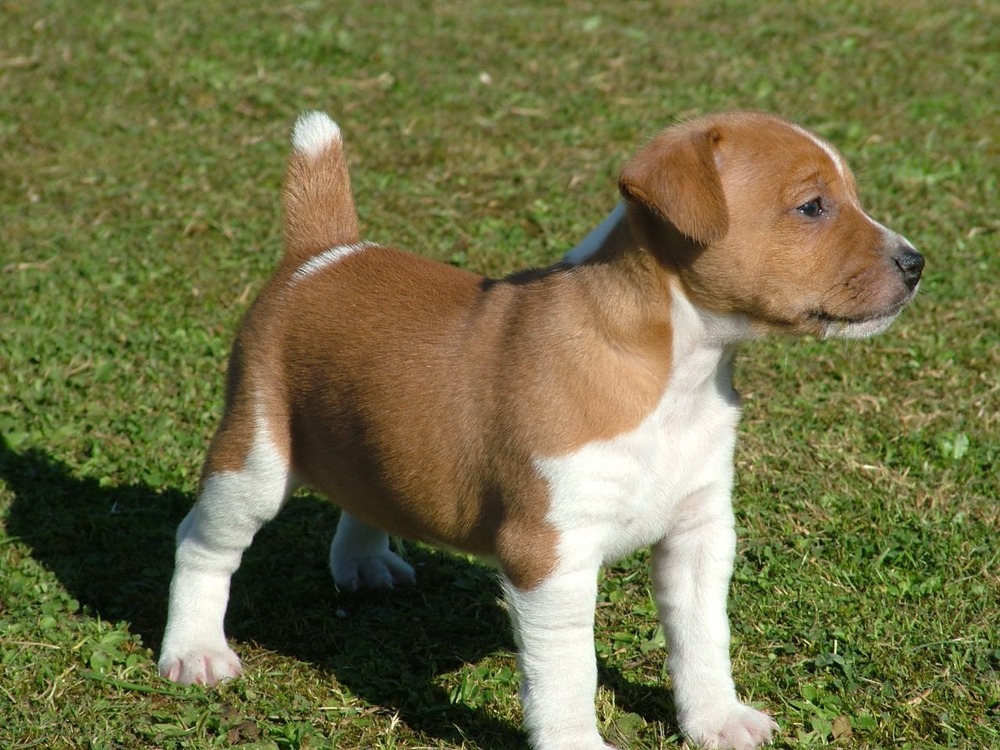
In day-to-day life, a Plummer Terrier is often best described as switched on. Many are quick to learn patterns, quick to notice movement, and quick to rehearse behaviours that work for them. That can look like charm, or mischief, depending on what the household has been rewarding.
There is usually plenty of confidence in the package, and with that comes a need for clear, consistent boundaries. Terriers are often unfairly labelled as “stubborn”. A more helpful frame is that they are persistent, and persistence is exactly what makes a small dog effective at work.
Affection and closeness with family are common, but it is still wise to avoid assuming a Plummer wants constant handling. Many terriers prefer contact on their terms, and they do best when children are coached to invite interaction rather than overwhelm it.
Children, visitors, and the household rhythm
With children, supervision matters less because the breed is “unsafe” and more because terriers can become over-aroused in fast play. Short, structured games, breaks, and calm routines tend to bring out the best in them.
With visitors, some Plummers can be vocal or intense at the door. It is often not “guarding” in the human sense, but a big behavioural response to noise, movement, and excitement. Training for a settled station (mat or bed) is usually more effective than repeatedly telling the dog “no”.
Prey drive and other pets: managing the real risk
Most Plummers are bred from lines where hunting and vermin control mattered, so chasing is part of the picture. That does not mean every Plummer will be unsafe around cats or pocket pets, but it does mean you should plan for management, not rely on hope.
What prey drive looks like in a suburban setting can include scanning hedges, sudden lunges at pigeons, fixation on lizards, or intense interest in guinea pig cages. The safest approach is to assume the dog may chase, then set the environment up so chasing is difficult to rehearse.
- Use a secure lead and harness in unfenced areas, especially while you are learning the dog’s triggers.
- Keep small pets in escape-proof housing, in a room the dog cannot access unsupervised.
- Train recall and disengagement skills, but treat them as layers of safety, not a guarantee.
Training that suits a Plummer Terrier

The most reliable results with terriers tend to come from reward-based training, where the dog is set up to succeed and then reinforced for the behaviour you want repeated.3, 4 This approach does not mean “no boundaries”. It means you teach the dog how to get what it wants in acceptable ways, then you make those ways pay well.
Because Plummers can be fast and opportunistic, training needs to be practical. Think short sessions, clear cues, and rewards that actually matter to the dog (food for some, tug or chase games for others).
Early socialisation, without flooding
Early exposure to people, surfaces, noises, vehicles, and calm dogs can help a puppy build confidence. The key is controlled experiences, not overwhelming ones. A Plummer that learns the world is predictable tends to settle better at home.
Common training goals that make life easier
- Doorway manners (wait, then release)
- Loose lead walking with frequent reinforcement early on
- A “leave it” and “drop” for safety around wildlife and rubbish
- A settle on a mat, especially around meals and visitors
Exercise and enrichment: more than just steps
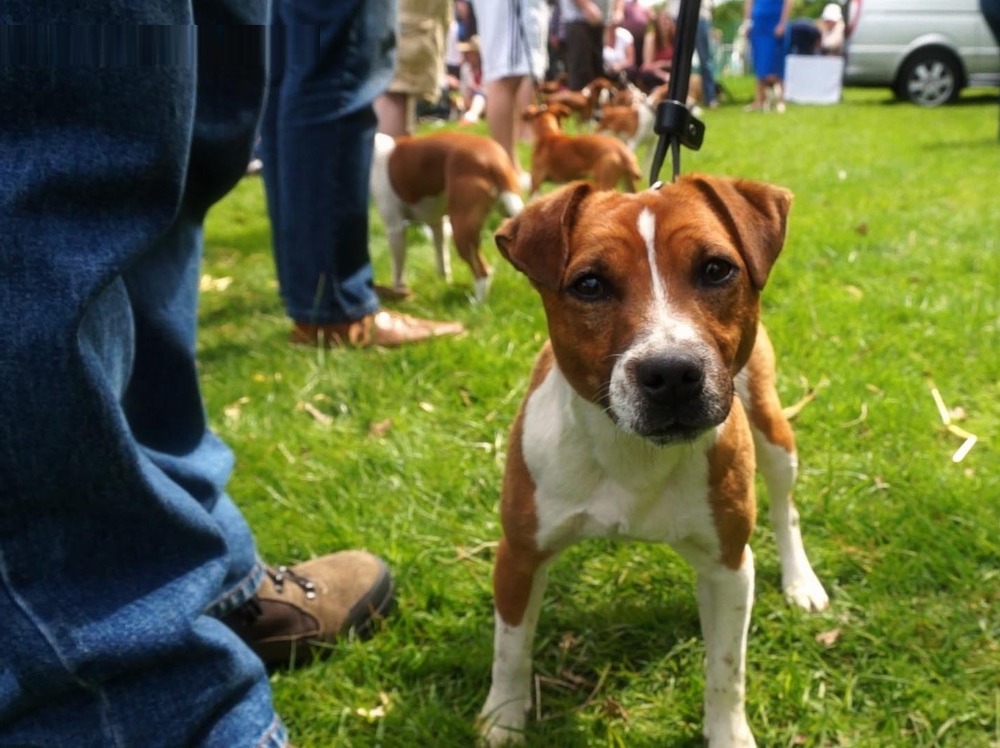
A Plummer Terrier usually needs daily activity, but the shape of that activity matters. Long walks help, yet many terriers remain under-stimulated if they never get to sniff, search, and solve problems.
A good week often includes a mix of:
- Walks with sniff time (not constant heelwork)
- Retrieving or tug games with rules, so arousal stays manageable
- Food puzzles and scatter feeding for natural foraging
- Training refreshers that feel like play
If the dog is bouncing off the walls, it can be tempting to add more and more physical exercise. Sometimes the missing piece is actually teaching an off switch, which is a trained skill for many working-bred terriers.
Health considerations and sensible preventive care
Many Plummers are hardy little dogs, but “hardy” is not the same as invulnerable. Without a single, central kennel club system, health priorities can vary between lines, so it is worth asking breeders what they screen for, what issues they see, and what they do with that information.
You will sometimes see claims that Plummers are prone to hip dysplasia or eye problems. Those issues can occur across many breeds and types, but the most responsible position is to treat them as questions to check, not assumptions. Ask about any available health testing, veterinary history in the line, and the breeder’s approach to selecting breeding dogs.
Preventive care still does most of the heavy lifting in quality of life: routine veterinary checks, dental care, parasite control appropriate to your region, and keeping the dog lean and fit.
Weather and comfort
With a short coat, some Plummers feel the cold, particularly if they are standing around at sport or training rather than moving. In cooler months, a coat can be a simple welfare choice, especially for smaller individuals.
Grooming and day-to-day maintenance
The short, dense coat is usually straightforward. A weekly brush helps lift dead hair and gives you a chance to check skin, ears, and paws. Nails, in particular, can creep longer on small active dogs because they often learn to compensate rather than show obvious discomfort.
Keep grooming calm and matter-of-fact. Many terriers accept handling best when it is paired with tiny rewards and done in short bursts, rather than one long session that tests everyone’s patience.
Feeding well: what matters most for a busy terrier

A Plummer Terrier does best on a balanced diet that supports an active body without tipping into weight gain. In practical terms, that usually means a complete and balanced commercial food or a veterinary-formulated diet, plus measured treats that do not quietly double the daily calories.
It also helps to be very clear about household hazards. Some foods that seem harmless can be dangerous for dogs, including chocolate, grapes and raisins, and onions and related allium vegetables.5, 6 If you are using human food for training, keep it simple, dog-safe, and consistent.
Living with a Plummer Terrier in a flat or a house
Plummers can live happily in smaller homes if their needs are met, but space does not replace enrichment. A small yard is not “exercise” unless the dog is doing something meaningful in it.
In apartments, the bigger challenges are often noise sensitivity, hallway excitement, and a lack of safe off-lead space. If you can provide structured training, calm routines, and regular outlets for sniffing and foraging, many terriers adapt well.
Final thoughts
The Plummer Terrier tends to suit people who enjoy being involved. If you like walking with purpose, teaching skills, and sharing your day with a dog that notices everything, this can be a deeply satisfying companion. If you are hoping for a small dog that will mostly entertain itself and fit quietly around a busy schedule, a working-bred terrier can be a harder match.
At their best, Plummers are bright, sturdy little dogs with a strong appetite for life. When you meet that appetite with training, management, and plenty of appropriate outlets, you usually get a dog that is not just “good”, but genuinely interesting to live with.
References
- Wikipedia: Plummer Terrier
- Plummer Terrier Club: About the club
- RSPCA Knowledgebase: Reward-based dog training
- RSPCA ACT: Dog training school (reward-based training)
- RSPCA (UK): Seasonal advice on pet-safe foods (chocolate, grapes, dried fruit)
- The Kennel Club: Poisonous food for dogs
- Plummer Terrier Club: About (history notes and breed aims)
- RSPCA Knowledgebase: Training recommendations and avoiding aversive methods