

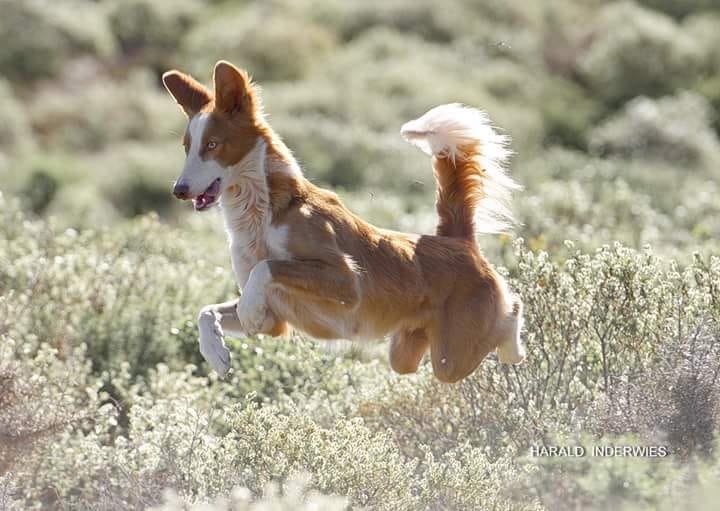
People usually come across the Podenco Valenciano in a roundabout way. You might notice one on a rescue page labelled “podenco cross”, hear a Spanish friend mention a “gos coniller” (rabbit dog), or meet a lean, big-eared dog at the park who can turn a quiet sniff into a sudden sprint.
It is tempting to assume they are simply a “greyhound type” or a generic hunting dog, but the Podenco Valenciano is its own local tradition from Spain’s Valencian Community, shaped by practical work and the landscapes it moved through.1, 2
In day-to-day life, what matters most is not the name on the label but the pattern you live with: a dog that notices everything, needs room to move, and often has strong chase instincts. When that is understood early, they can be deeply rewarding to share a home with. When it is missed, owners can end up puzzled by restlessness, “selective hearing” outdoors, or sudden interest in small animals.
At a glance
Breed type: warren hound (podenco type), originally used for small game, particularly rabbits.1
- Origin: Valencian Community, Spain.1, 6
- Size: generally medium. Many sources place adults around 40 to 55 cm at the shoulder, commonly roughly 18 to 22 kg, with variation by sex and line.1, 2
- Coat: commonly smooth and short, but podenco types can include other coat varieties depending on line and standard.1, 6
- Lifespan: often reported around 12 to 14 years, noting that health, weight management, and lifestyle make a difference.2
- Recognition: recognised in Spain by the Real Sociedad Canina de España (RSCE). International recognition varies by registry, so it is worth checking what a “papered” dog means where you live.1, 6
History and origin
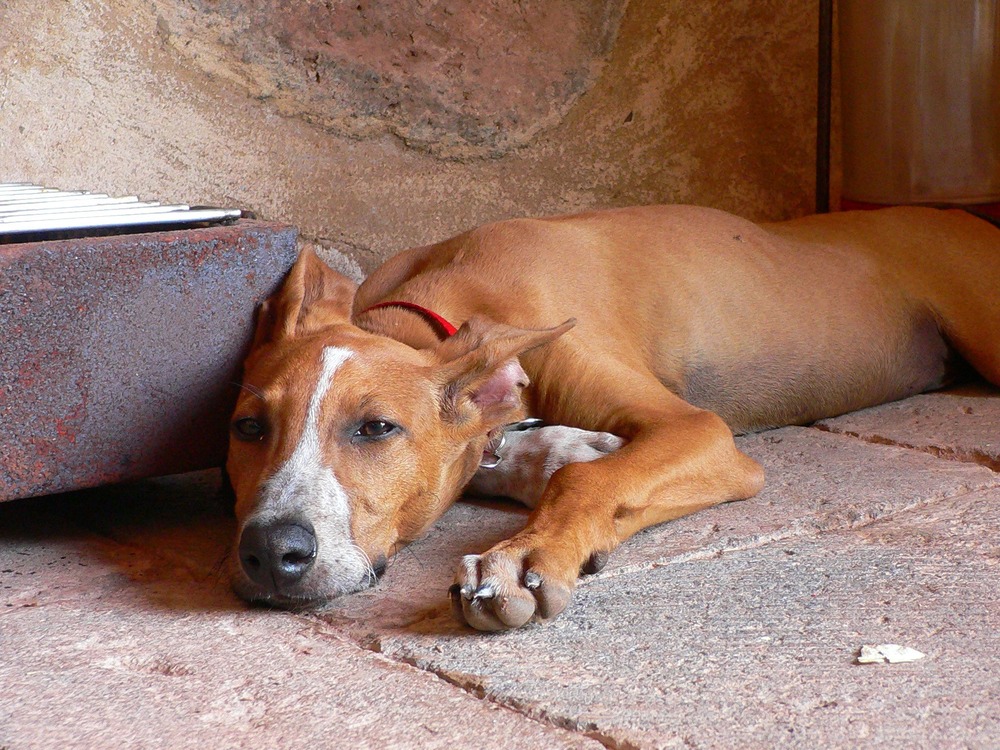
The Podenco Valenciano sits within a wider Mediterranean tradition of warren hounds, dogs developed to find, flush, and pursue small game in scrub, rocky ground, and farmland. In the Valencian Community, that work has historically centred on rabbits, and the dogs’ quickness, reach, and persistence make more sense when you picture them moving through that kind of country rather than strolling suburban footpaths.1
Modern breed recognition is comparatively recent. In Spain, the RSCE publishes a standard for the Podenco Valenciano, which helps define the type for breeders and judges, but it does not automatically translate to global kennel club recognition everywhere else.6
Practical takeaway: many dogs called “podenco” outside Spain are mixes or are labelled broadly based on looks. If lineage matters to you, ask for documentation that is meaningful in your country, and be open to the idea that behaviour will often tell you more than a tidy label.
Physical characteristics
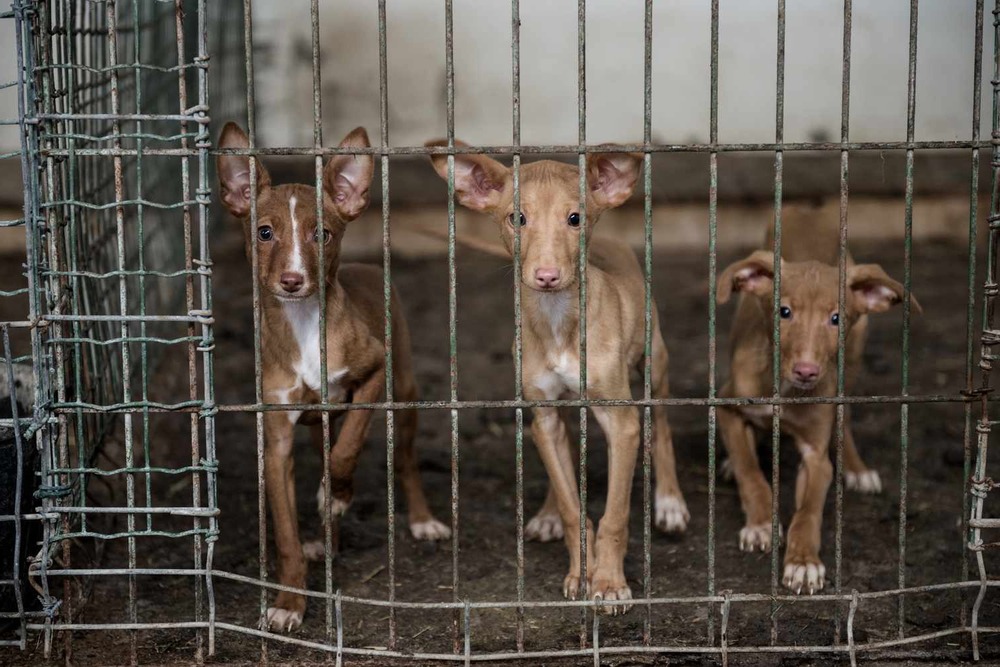
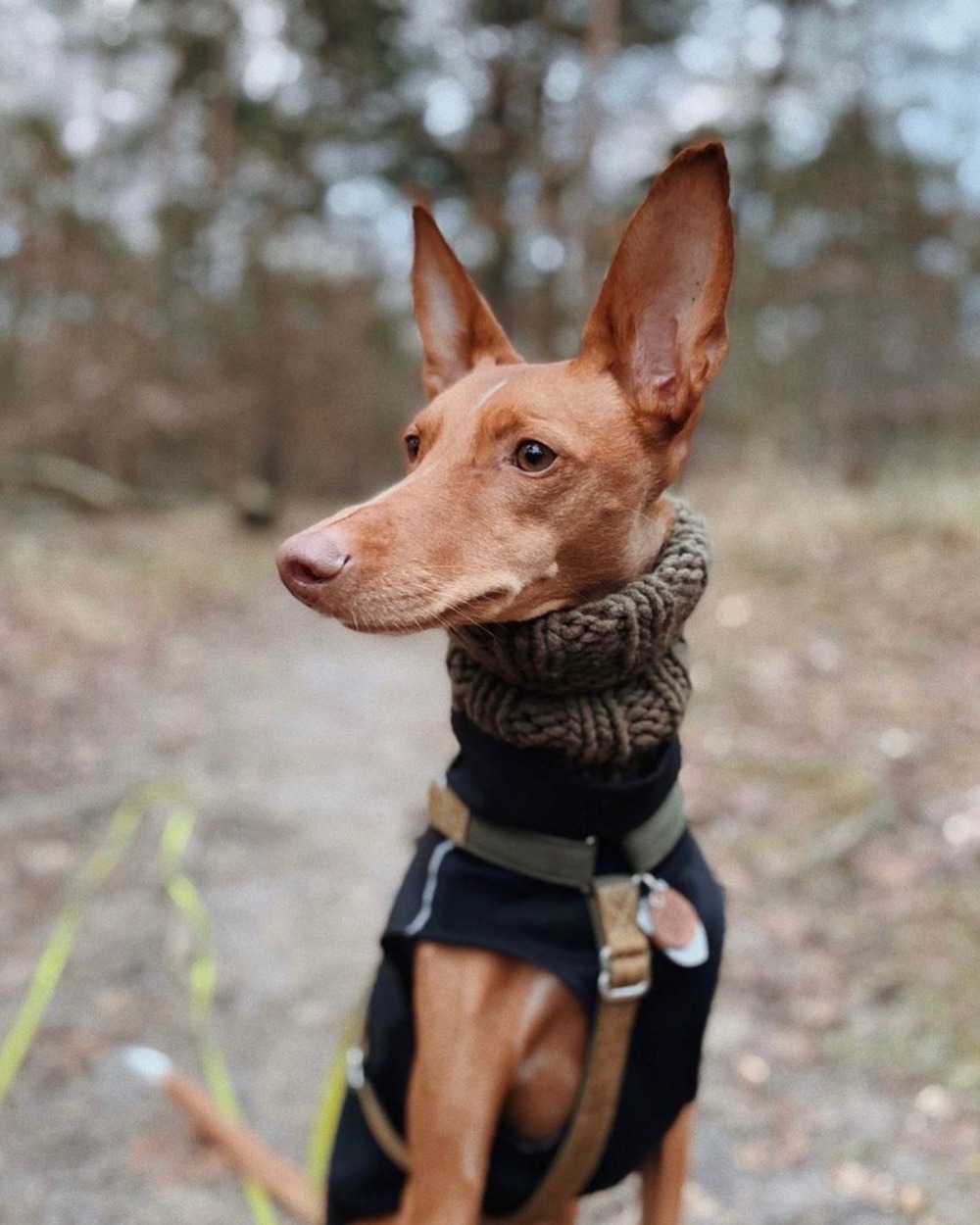
Most Podenco Valencianos are medium, lean, and built for efficient movement. Their outline is often described as athletic rather than bulky, with a deep chest, long legs, and a head that carries those distinctive upright ears. In daily life, that translates to a dog that can cover ground quickly and change direction with ease, sometimes faster than you can react if something triggers a chase.1
Coat is commonly short and smooth, which tends to be simple to maintain, but do not be surprised if you encounter variation in coat texture depending on the dog’s background. Colour can range through white, black, and shades of brown, again with some variability by line and standard.1, 6
Cold sensitivity: lean, short-coated dogs often feel the cold more than people expect, particularly in wind or after getting wet. A simple coat on winter mornings can make a real difference to comfort and willingness to move.
Temperament and behaviour
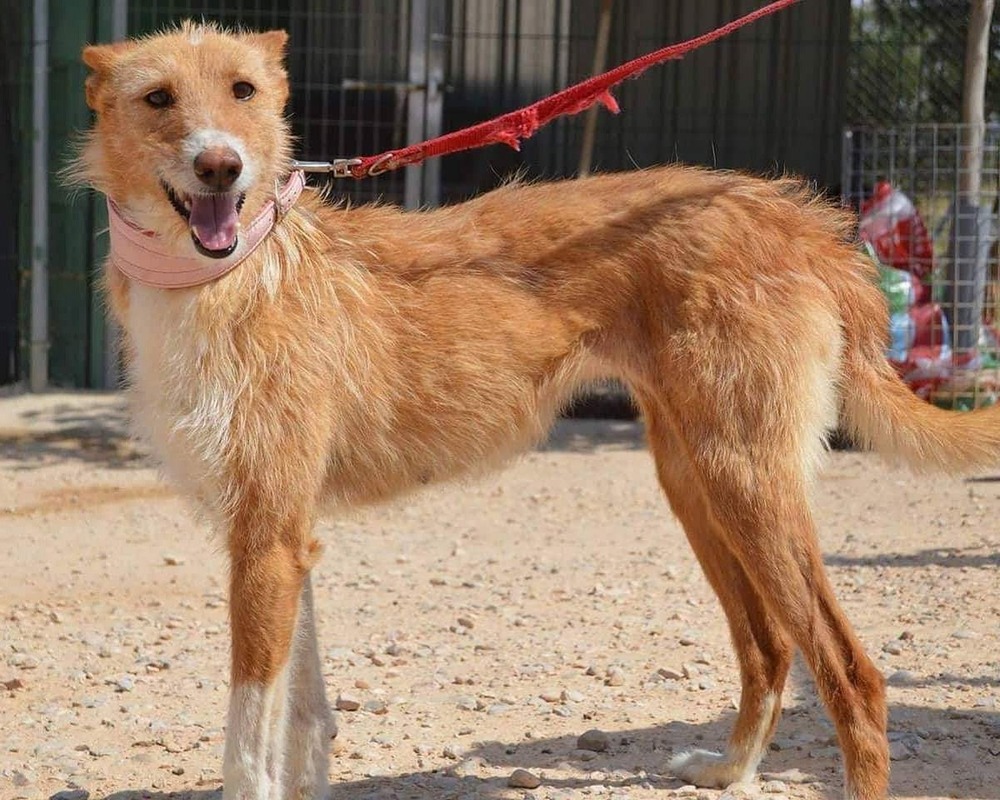
In many homes, the defining feature is not “high energy” in a chaotic sense, but high awareness. Podencos tend to scan, listen, and track. That can look like independence, or even stubbornness, when it is really a dog whose brain keeps switching on to the environment.
With familiar people, many are affectionate and companionable, often choosing to stay close once settled. Outdoors, though, their attention can flip quickly if scent or movement takes over. A reliable recall is possible, but it usually takes patient training and careful setup rather than wishful thinking.
With children, the usual rules apply: early socialisation, calm supervision, and giving the dog a place to disengage. Their speed and bounce can accidentally knock over a small child, and their chase behaviour can make some games (running, squealing, flapping toys) more exciting than intended.
Other pets: some live well with cats and smaller animals, especially if raised together, but it is wise to assume a strong prey drive is possible and manage introductions with care.3
Training and exercise needs
These dogs tend to do best when exercise is not treated as a single daily “blow out”, but as a rhythm of movement, sniffing, and small training moments. Free running in a securely fenced area can be valuable, but so can long-line walks where the dog gets to use their nose without rehearsing disappearing acts.
RSPCA guidance on exercising dogs highlights variety and safety, including the idea that off-lead running can allow dogs to regulate their own pace, and that owners should avoid overexertion in young, growing dogs.3
Helpful approaches often include:
- Positive reinforcement and short sessions that end before the dog checks out.
- “Search” games, scatter feeding, and scent work style puzzles for mental load.
- Management tools such as a long line and a well-fitted harness, especially during adolescence.
- Teaching a strong “wait” at doors and gates, because a fast dog can slip through small gaps.
It is also worth saying plainly: if you want a dog that is reliably off lead in unfenced areas with wildlife, a podenco type may not be the easiest match. Many can do it, but it is rarely the path of least resistance.
Health and lifespan
Podenco Valencianos are often described as generally robust, but any individual dog can develop problems, and active dogs can be good at masking discomfort until it becomes obvious.
Orthopaedic issues such as hip dysplasia are not exclusive to giant breeds, and factors like heredity, growth rate, nutrition, and exercise all play a role. Signs can include stiffness, reduced range of motion, lameness after exercise, or a “bunny hop” gait. Diagnosis is typically via veterinary examination and radiographs, and management often includes weight control, activity modification, and targeted treatment plans.4
Lifespan: commonly reported around 12 to 14 years, with the usual caveat that genetics, preventive care, and maintaining a lean body condition matter.2
If you are choosing a puppy, it is reasonable to ask what health screening is done in the breeding line. If you are adopting an adult, focus on what you can influence now: weight, conditioning, nails, teeth, and a realistic exercise plan.
Grooming and maintenance
With a short coat, grooming is usually straightforward. A weekly brush and a quick check over the skin, ears, and paws suits many dogs, especially if they spend time in scrubby areas where seeds and grass awns can catch.
Nails often need more attention than people expect, particularly for dogs that do not spend much time on abrasive surfaces. Overlong nails can change gait and put extra strain on joints.
Dental care is part of maintenance too. Regular at-home brushing with pet-safe toothpaste can help reduce plaque and support gum health, and many vets recommend routine dental checks.5
Diet and nutrition
An active, lean dog can still gain weight surprisingly quickly in a pet home, particularly after desexing or during periods of reduced exercise. The simplest marker is body condition rather than the number on the scales.
Choose a complete and balanced diet appropriate for life stage, and adjust portions based on condition, not appetite. Treats are useful for training, but they add up, so it helps to plan them as part of the day’s intake.
For specific questions about diet, growth, or supplements, a vet is the right person to guide you, especially if you are managing joint concerns or recovering from injury.
Living with a Podenco Valenciano
They tend to thrive in homes that can offer both movement and calm. A secure yard helps, but it is not a substitute for engagement, because many will simply patrol and self-entertain if left to their own devices. Indoors, they often appreciate a predictable routine and a quiet spot to rest undisturbed.
If you live in a busier area, it is worth putting extra effort into:
- secure fencing and gate habits
- lead skills and comfort with handling
- gradual exposure to traffic, bikes, and unfamiliar dogs
Done well, you end up with a dog that is bright, athletic, and quietly companionable, with a very particular way of reading the world.
References
- Wikipedia: Podenco Valenciano
- DoggyCare: Podenco Valenciano Dog Breed Guide
- RSPCA Pet Insurance: Tips for exercising your dog
- Merck Veterinary Manual (Pet Owner): Hip Dysplasia
- RSPCA Pet Insurance: Guide to dog dental care
- Real Sociedad Canina de España (RSCE): Podenco Valenciano breed standard (PDF)
- Merck Veterinary Manual (Professional): Hip Dysplasia in Dogs
- Greencross Vets: Dental home care for pets