

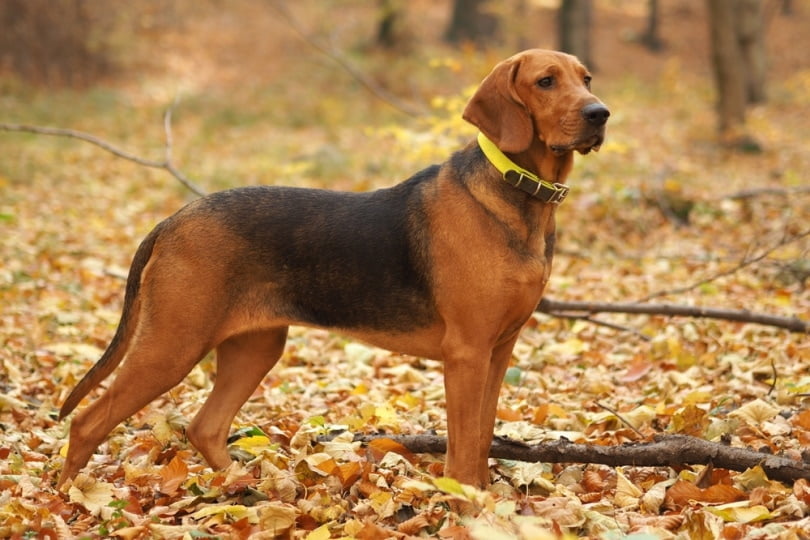
You might first notice the Polish Hound because you have met one out on a walk, or you have started looking for a scent hound that is a little less common than a Beagle or Bloodhound. People often assume a hunting breed will be hard-edged, noisy, or too driven to settle. In practice, it is usually more nuanced than that.
The Polish Hound (Ogar Polski) is a dog built for patient work: following a trail, staying with it, and moving steadily through heavy ground. That heritage matters, because it helps explain why some individuals are calm in the house yet surprisingly determined once their nose switches on. The better you understand that pattern, the easier it is to meet their needs without constantly feeling like you are managing a problem.
This breed is still relatively rare outside Poland, so good information can feel scattered. It helps to anchor what you read in a recognised breed standard and in practical, everyday care, then make choices based on the dog in front of you, not just the label “hound”. 1
At a glance: Polish Hound basics
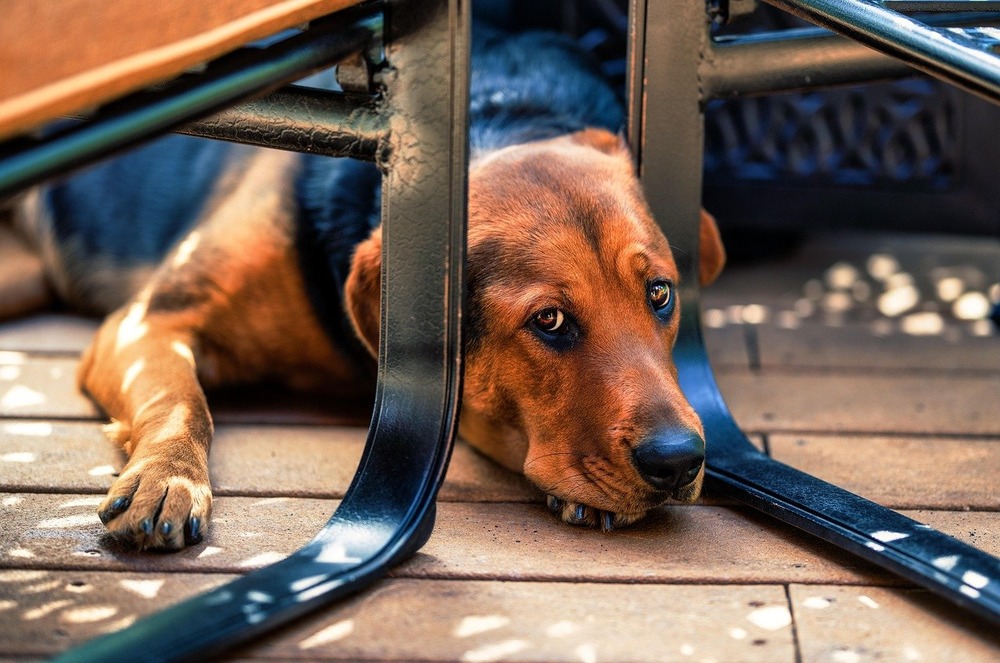
As a starting point, these broad traits tend to come up consistently for the Polish Hound:
- Breed group: Scent hound (FCI Group 6). 1
- General build: Strongly built, rectangular outline, made for stamina rather than sprinting. 1
- Coat: Dense, short to medium length, lying close, typically low-effort to maintain. 1
- Life expectancy: Many sources describe around 12 to 14 years, with the usual caveat that genetics, weight, and preventive care matter. 2
If you are comparing breeds, it can help to focus less on “rare” and more on daily management reality: exercise you can actually provide, how you will handle recall around scent, and whether your home set-up suits a dog that likes to track first and think later.
Where the Polish Hound came from, and why it still shows
The Polish Hound is an established Polish scent hound developed for hunting and tracking across challenging terrain. In modern homes, that history often shows up as a dog that can appear laid-back until a smell becomes more interesting than you are. 1
It is also worth holding history lightly. You will sometimes see very early origin claims (such as medieval dates) repeated across the internet. Those stories may be part of a breed’s cultural narrative, but they are not always easy to verify. When you want something solid, the most reliable anchor is the official standard and the working description of what the dog was designed to do. 1
In practical terms, the “hunting dog” label does not automatically mean “unsuitable pet”. It does suggest you will do best if you plan for structured sniffing time and calm, consistent boundaries, rather than relying on obedience alone.
Appearance and the traits that matter day to day
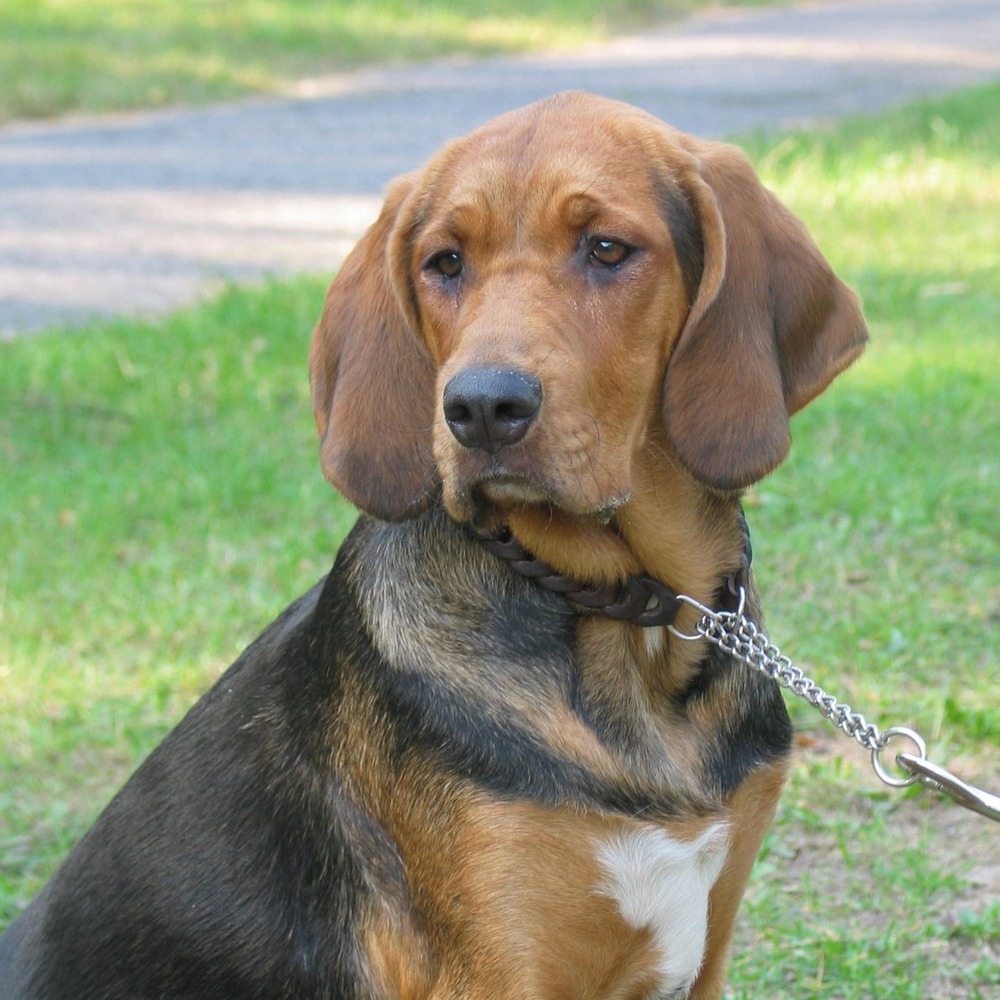
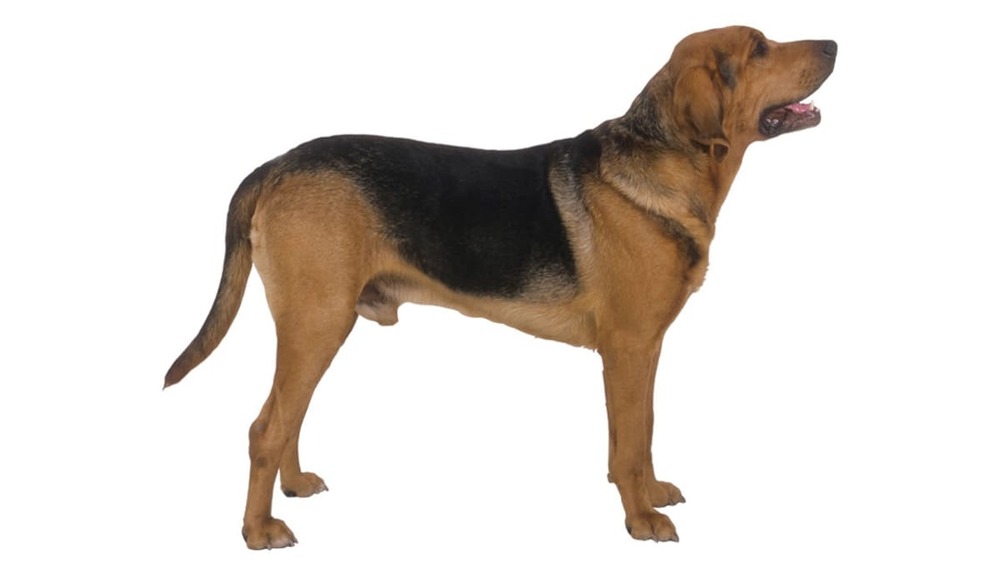
The breed is typically described as strongly built, with a body slightly longer than tall. The head is substantial, the ears are pendant, and the overall impression is of a dog designed to move for hours, not minutes. 1
Coat descriptions can surprise people who expect a very short, sleek hound coat. The Polish Hound’s coat is described as dense and close-lying, short to medium, with longer hair on parts of the body such as the back and tail. That density is useful outdoors, but it also means you may see seasonal shedding rather than constant heavy shedding. 1
If there is one “unique trait” worth taking literally, it is the nose. A good scent hound does not need to be hyped up to follow scent. They just need an opportunity. That is why secure fencing and a lead plan matter so much for this type of dog.
Temperament, family life, and other animals
Polish Hounds are often described as steady companions with working drive. In the home, many individuals settle well when their exercise and enrichment are consistent. Outdoors, they can be absorbed by scent, which can read as “stubborn” when it is really a strong, rehearsed behaviour pattern.
With children, what tends to matter most is not breed slogans, but supervision, sensible handling, and giving the dog a quiet place to retreat. A solid, medium to large dog can still be overwhelmed by noise, rough patting, or being followed into corners, even if they are generally tolerant.
With other pets, think in terms of prey drive and practice. Many hounds live well with other dogs, especially with early, positive social experiences. Smaller pets can be a different question. If you have cats, rabbits, or poultry, plan slow introductions and management, and assume you will need ongoing boundaries rather than a one-off “they met once and it was fine”.
Training and exercise: what works for a scent hound
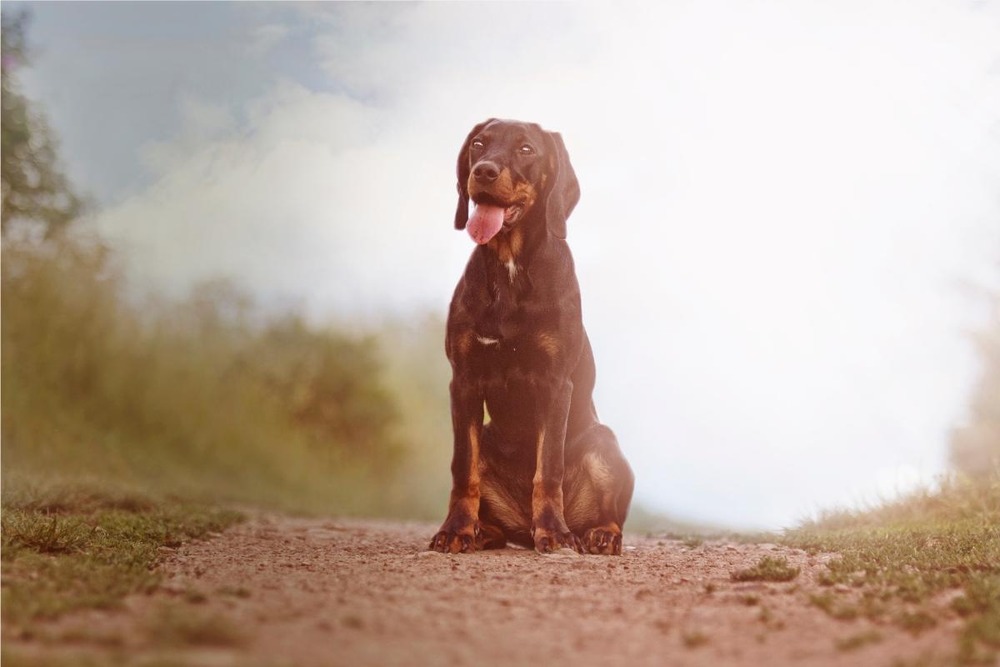
Training a scent hound is often easiest when you stop trying to “out-command” the nose and instead build cooperation around it. Reward-based training is widely recommended for companion dogs, and with hounds it can be especially useful because it keeps engagement high without turning every session into a contest. 3
A Polish Hound generally benefits from daily physical activity plus deliberate mental work. For many owners, the most sustainable approach is not endless kilometres, but a mix of:
- Long, sniff-friendly walks on a lead or long line
- Scent games in the yard (find-it, treat trails, hidden toys)
- Short training sessions that end while the dog is still keen
If recall feels unreliable, you are not alone. For scent hounds, it is normal for recall to be the last behaviour that becomes dependable, and in some environments it may never be fully “off lead safe”. Using a long line is not a failure. It is often the most responsible way to give freedom while protecting your dog.
Health considerations to keep in mind
No breed is immune to health problems, and with rarer breeds it can be harder to find large-scale data. Still, there are two issues owners commonly plan around with hounds in general: joint health and ear health.
Hip dysplasia and joint care
Hip dysplasia is a developmental condition involving abnormal hip joint formation, which can contribute to arthritis and discomfort over time. Genetics play a role, and so do environmental factors such as growth rate, body condition, and exercise. If you are choosing a puppy, ask what health screening has been done in the breeding line and what those results mean. 4
In day-to-day life, one of the most protective habits is keeping your dog in a lean, athletic condition, rather than letting weight creep up “because they are big-boned”.
Ear infections and floppy ears
Dogs with floppy ears can be more prone to otitis externa, and ear problems are common in dogs generally. Typical signs include head shaking, scratching, odour, redness, and discharge. If you see those signs, it is worth getting a veterinary examination rather than guessing at drops, because the cause and the right treatment can vary. 5
Routine ear care is often simple and preventative: check ears regularly, keep them dry after swimming, and avoid putting cotton buds into the ear canal. If your dog has recurrent issues, your vet may also look for underlying contributors such as allergy. 5, 6
Grooming, coat care, and everyday maintenance
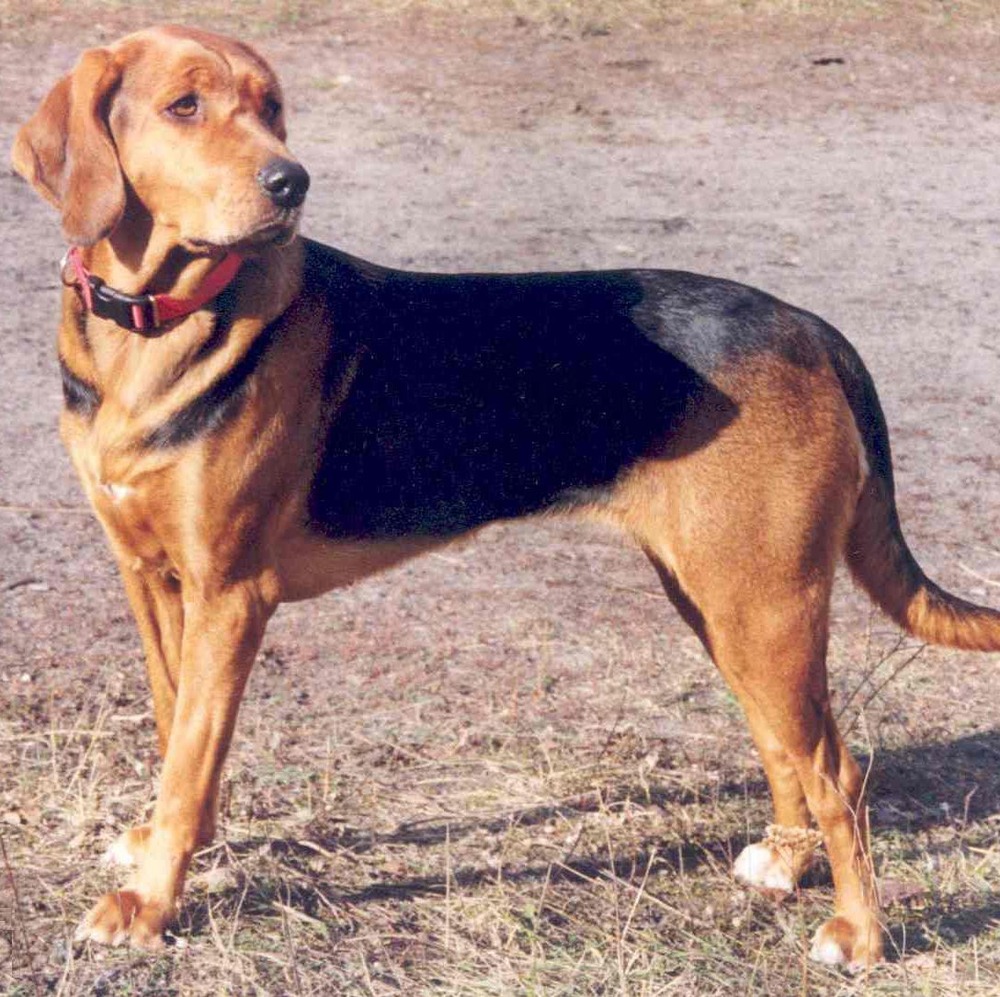
The Polish Hound’s coat is generally practical. A weekly brush is usually enough to lift loose hair and keep the coat in good order, with more frequent brushing during seasonal shedding. The goal is not perfection. It is comfort, skin health, and early detection of lumps, scratches, or parasites.
Ears, nails, and teeth are often where “low maintenance” quietly becomes higher maintenance if you ignore them. A brief weekly routine, even just a quick look and a light tidy, tends to prevent bigger problems later. If you want one priority, make it regular ear checks, especially after water play. 5, 6
Feeding and keeping a working breed in good condition
Feeding advice online can get oddly intense, and it often focuses on ingredient lists rather than what your dog actually needs. A more grounded approach is to choose a complete, balanced diet that suits your dog’s life stage, health status, and activity level, then monitor body condition and adjust. Veterinary teams often use structured nutrition assessment tools for exactly this reason. 7
Two practical habits make the biggest difference:
- Measure food for a while, even if you later become more intuitive.
- Track body condition, not just weight, and adjust treats when training ramps up. 7
If your dog is highly active, talk with your vet about calorie needs and whether you should use a performance-style diet. If your dog is more of a “weekend adventurer”, keep an eye on portion sizes. Many hounds are enthusiastic eaters, and extra weight is one of the most avoidable health risks.
Is a Polish Hound right for you?
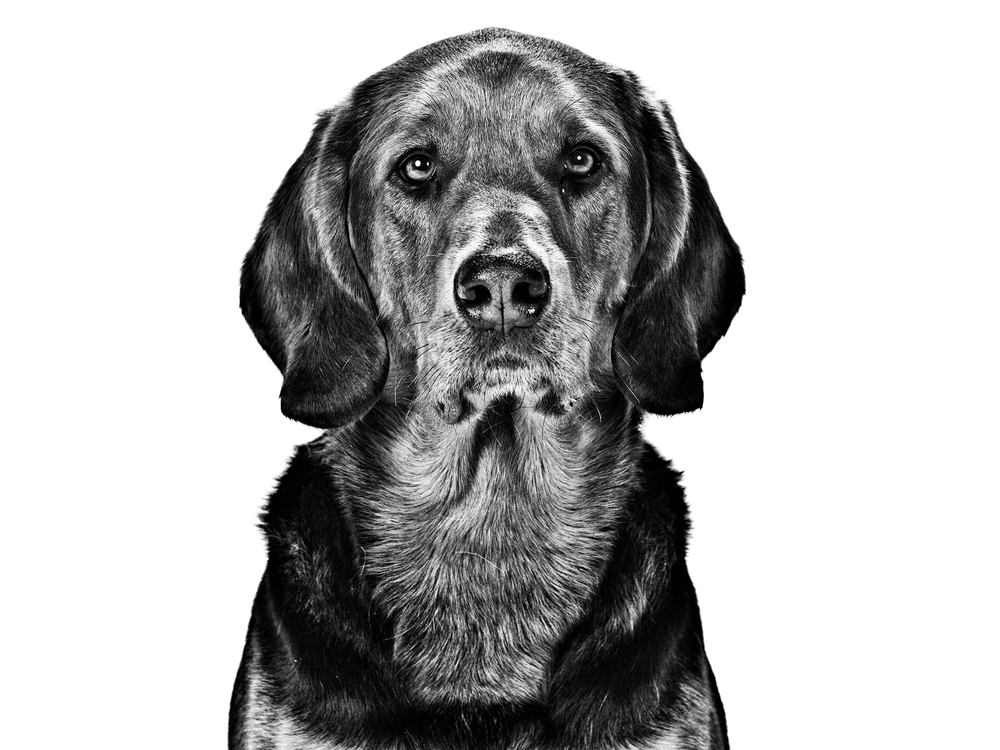
A Polish Hound can be a rewarding companion for people who enjoy being outside and do not mind a dog that experiences the world through scent first. They often suit homes where daily walking is a given, not a goal, and where management tools like long lines and secure yards are considered normal.
They are usually a tougher fit for people who want a reliably off-lead dog in unfenced areas, or who need a dog that is content with brief toileting walks. If that is you, it does not mean you have failed a breed. It just means your day-to-day life might be better matched to a different type of dog.
When you get the match right, the Polish Hound tends to offer something quietly special: steadiness, stamina, and that very particular satisfaction of watching a dog do what it was built to do, then come home and settle like it belongs there.
References
- FCI: Ogar Polski (Polish Hound) breed standard listing
- Wikipedia: Polish Hound overview
- RSPCA Australia: Positive reinforcement dog training
- Orthopedic Foundation for Animals (OFA): Hip dysplasia in dogs
- VCA Animal Hospitals: Ear infections in dogs (otitis externa)
- PAW by Blackmores: How to clean your dog’s ears (guidance and safety tips)
- WSAVA: Global Nutrition Guidelines for dogs and cats
- RSPCA Australia Knowledgebase: How should I exercise my dog?
- American Veterinary Medical Association (AVMA): Pet obesity