

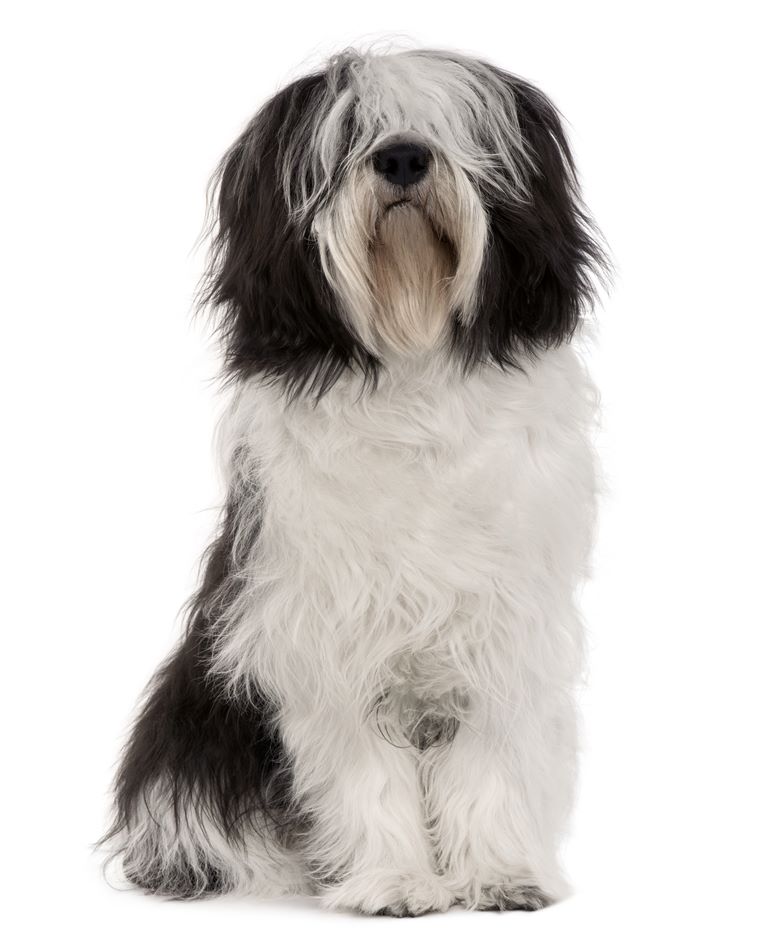
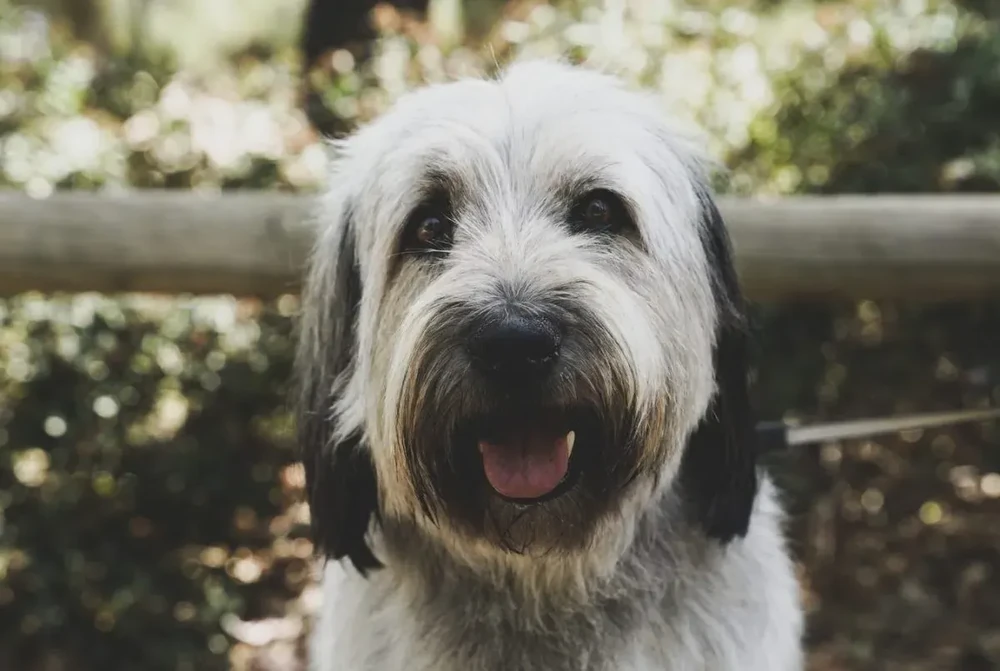
People often first notice a Polish Lowland Sheepdog because of the coat. It is that shaggy, fringe-forward silhouette that looks like it belongs in a different era, and in day-to-day life it can lead to a very modern question: is this dog actually practical to live with, or is it mainly a grooming commitment in disguise?
The reality sits somewhere in the middle. A PON (short for the Polish name Polski Owczarek Nizinny) is a bright, capable herding dog in a compact package, and that heritage still shows up at home. They tend to do best when their people enjoy training, routines, and giving a dog a real job, even if that job is simply learning, walking, and being part of family life.
If you are weighing up this breed, it helps to look past the “fluffy” first impression and understand what the PON needs to stay calm, comfortable, and well-mannered: consistent handling, coat care that prevents pain and skin trouble, and enough mental work to stop cleverness turning into mischief.
- Breed category: Herding
- Country of origin: Poland
- Average height: Males 45 to 50 cm, females 42 to 47 cm1
- Average weight: Commonly around 14 to 23 kg (varies by sex and build)2
- Average life span: About 12 to 14 years2
- Grooming requirements: High, regular brushing needed
- Exercise requirements: Moderate to high
- Coat type: Long, dense, shaggy double coat1
- Coat colour variations: Many colours accepted (merle not accepted in Australian standard)1
- Shedding level: Usually moderate, coat can hold loose hair
- Temperament: Intelligent, lively, loyal
- Training ease: Moderate, thrives on consistency and rewards
- Common health issues: Hip dysplasia, some inherited eye disease risk3
- Sensitivity to weather: Often copes well with cold, may struggle in heat
- Overall maintenance level: High (mostly coat and enrichment)
- Original purpose: Herding and farm work
- Apartment friendly: Possible, if exercise and mental work are met
- Best suited for: Active households that like training and grooming
- Unique traits: Distinctive shaggy coat and steady working-dog focus
History and origin
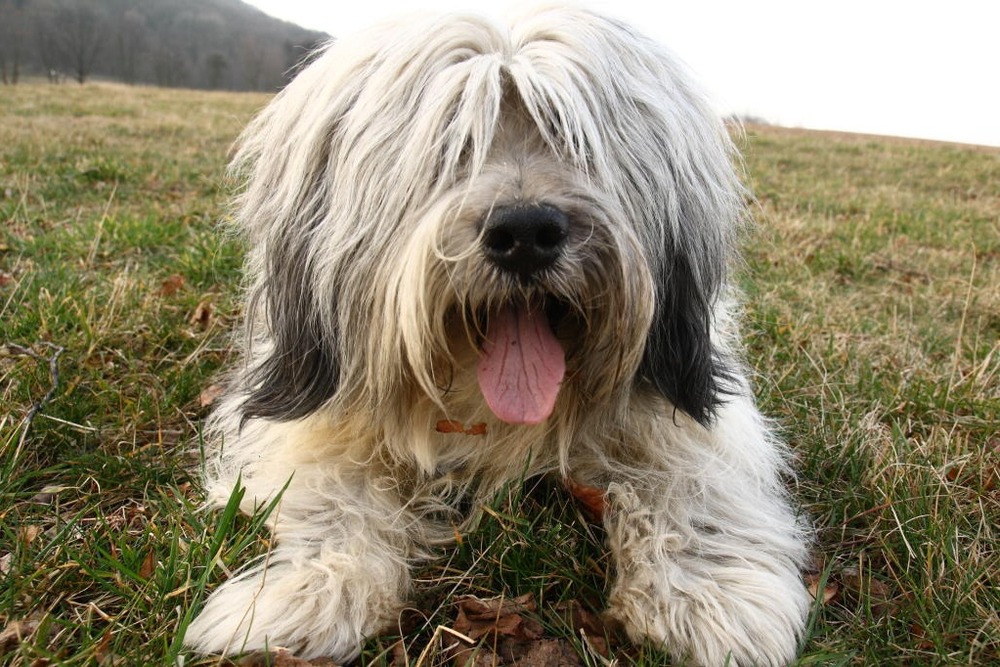
The Polish Lowland Sheepdog is a traditional herding breed from Poland, developed to move and manage stock in challenging conditions. In working terms, you can think of the PON as a dog built for stamina, problem-solving, and staying close enough to be useful, but independent enough to make decisions when the situation changes.
Many breed summaries mention very old roots, sometimes reaching back centuries. That long timeline is hard to pin down with certainty, but what is clearer is the breed’s modern standardisation through European kennel organisations and the way the type has been maintained as a hardy, medium-sized herding dog with a protective coat.1, 4
In Australia, the Dogs Australia breed standard describes the PON’s coat texture, movement, and permissible colours, which is a helpful reference point because it anchors the “look” people recognise to a formal description, not just photos on the internet.1
Physical characteristics that affect everyday life
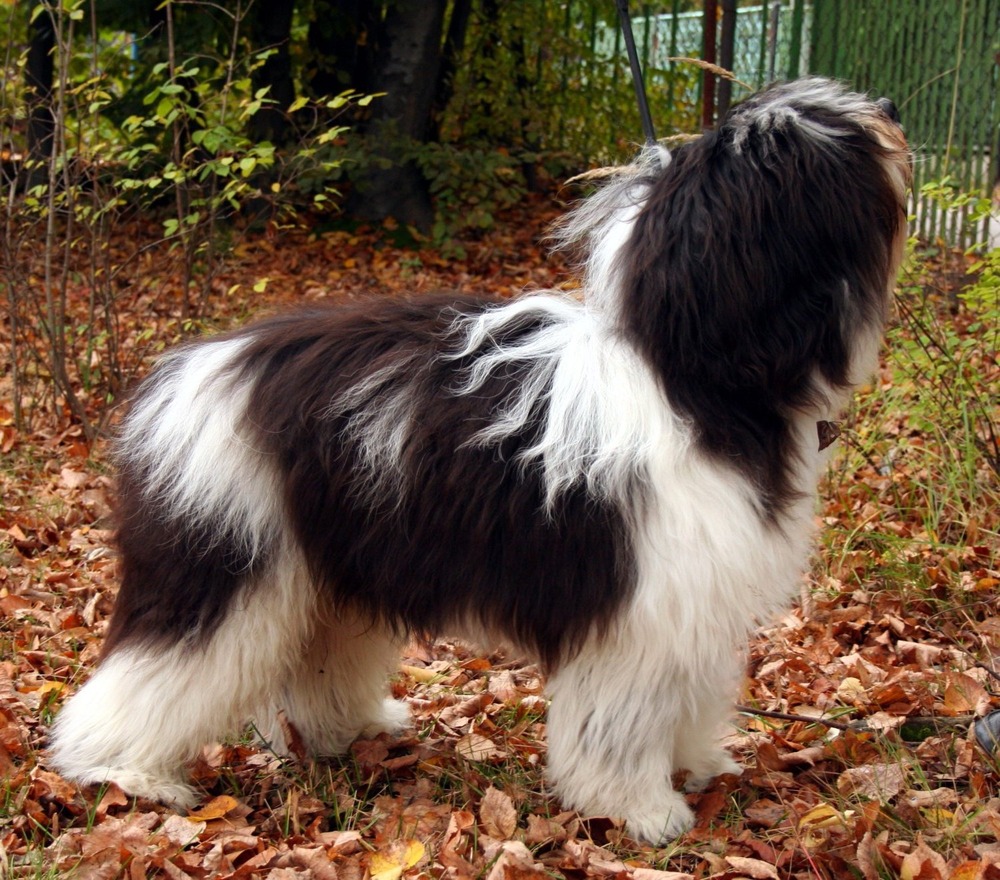
In size and substance, the PON sits in a practical middle ground. Adults are typically around the mid-40 cm range at the shoulder, and they are compact but solid, not fine-boned. That makes them easier to lift into a car than many herding breeds, but still strong enough to pull, brace, and barge if they have not learned manners.1, 2
The coat is the defining feature, and it is more than a style choice. It is a long, dense, shaggy double coat, with a harsher outer texture and a softer undercoat. In practical terms, this means it can trap moisture, burrs, and tangles if you leave it to “look natural” without doing the maintenance that keeps skin healthy.1
Visibility matters too. The breed’s characteristic head hair can fall forward over the eyes. The standard notes it should not impede vision, which is a useful reminder that grooming is not only cosmetic. It can affect comfort and safety, especially in bright sun or when the dog is moving fast.1
Temperament and behaviour
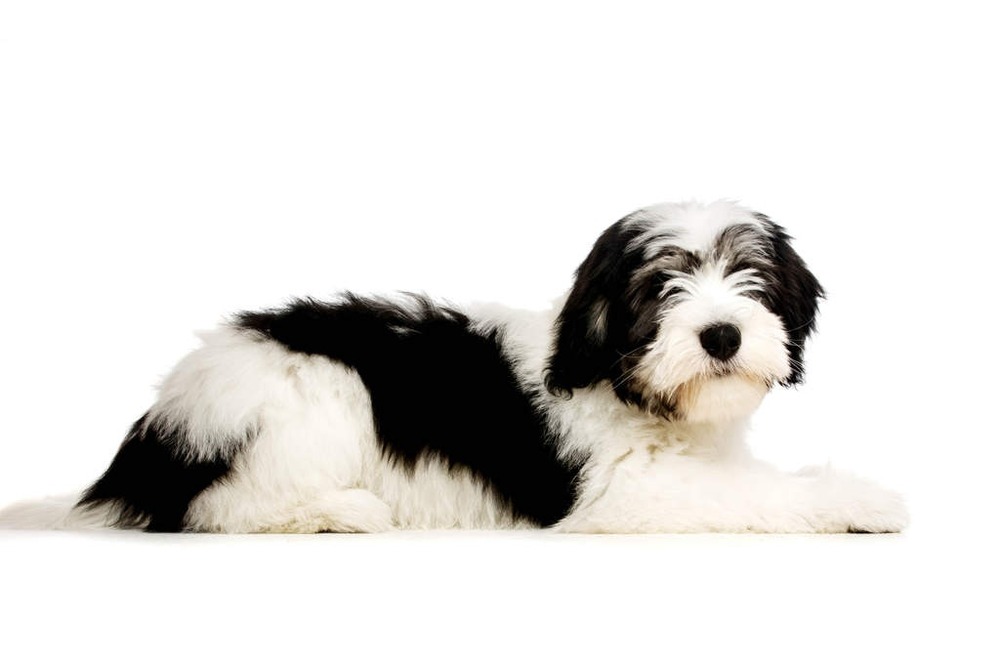
The PON is often described as clever and self-confident, and that combination tends to show up in small, daily moments. They notice patterns quickly, they remember routines, and they may test what is negotiable, particularly if training has been inconsistent or if they have been inadvertently rewarded for pushy behaviour.2
As with many herding breeds, their best selves come out when they have a predictable life: regular walks, short training sessions, and some sort of “job” that scratches the itch to think and participate. That job does not need to be farm work. It might be scent games in the backyard, learning a settle on a mat, or practising polite greetings when visitors arrive.
Family life can suit them well if children understand how to be calm and respectful around dogs, and if adults supervise and manage excitement. Some individuals may try to gather and control movement, particularly fast-running kids, bikes, or other pets. That is not “naughtiness” so much as an old skill expressed in the wrong context, and it is best handled with training, management, and appropriate outlets rather than punishment.5
Training and exercise needs
Most PONs respond best to training that is clear, rewarding, and consistent. They are capable learners, but they are not usually at their best with harsh handling. In practice, that means you are aiming for short, focused sessions, plenty of reinforcement for the behaviours you want, and a household plan that avoids mixed messages.
Early socialisation and life skills are especially important. This is not about forcing a puppy into overwhelming situations. It is about building calm exposure to everyday life: people in hats, delivery drivers, the vacuum cleaner, grooming tools, car travel, and other dogs at a sensible distance.
Exercise needs vary by individual, but many do well with a mixture of physical activity and thinking work. A daily walk alone can be surprisingly unsatisfying for a dog bred to problem-solve. Consider adding one or two of the following most days:
- Sniff-heavy walks where the dog can explore and decompress
- Food puzzles or scatter feeding in grass
- Basic obedience refreshers, done kindly and consistently
- Low-impact agility foundations (especially for young dogs, keep jumps sensible)
Health and lifespan
Polish Lowland Sheepdogs are often described as generally robust, with a typical lifespan in the 12 to 14 year range.2 Like all breeds, though, they are not immune to inherited conditions, and it is worth thinking about health in a practical, preventative way rather than waiting for a problem to appear.
Two commonly discussed areas are hips and eyes. Hip dysplasia is a known concern across many medium to large breeds, and PONs can be affected. There is also an inherited eye disease risk in the breed, including progressive retinal atrophy, which is one reason responsible breeders use health testing and buyers should ask to see results.3, 6
Preventative care is mostly unglamorous but effective: maintaining a healthy weight, keeping the dog fit without repetitive high-impact strain, routine veterinary checks, and grooming practices that prevent skin infections and ear trouble under heavy coat.
Grooming and coat maintenance
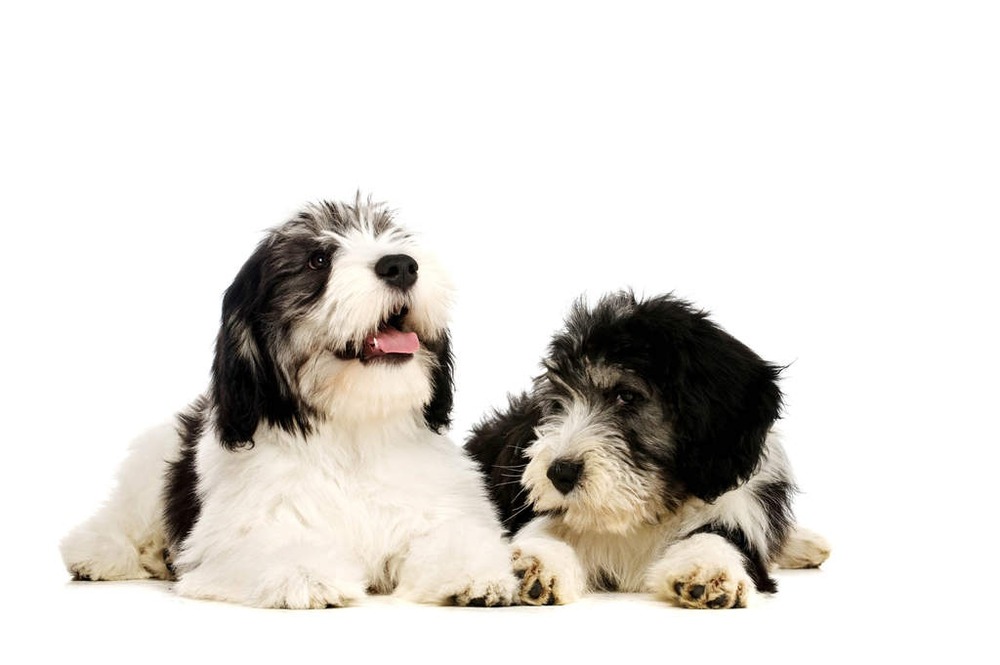
The PON coat can be a joy if you like grooming, and a burden if you do not. Matting is not just an aesthetic issue. Tight mats can pull on skin, trap moisture, and make it harder to notice parasites, sores, or irritation. If you are choosing this breed, it is sensible to assume coat care will be a regular part of your week.
A realistic routine for many households includes thorough brushing and combing several times a week, with extra attention behind the ears, under the collar, in the armpits, and around the rump where friction and movement create tangles. Many owners also book occasional professional grooms, not to change the coat’s natural outline, but to help with bathing, drying, and de-shedding.
The Australian breed standard notes a long, dense, shaggy coat with soft undercoat, and it emphasises that the coat should not impede movement or action. That is a helpful guide in everyday life too, because comfort and function matter more than keeping a fringe perfectly “rustic”.1
Diet and nutrition
Feeding a PON is not usually complicated, but it benefits from consistency and an eye on body condition. A balanced commercial diet that meets recognised standards is a sensible base, and many owners adjust portions based on activity level, age, and whether the dog is desexed.
Where people often trip up is with extras. Training treats, chews, table scraps, and “just a little bit” additions can quietly push calories up, especially for a compact, sturdy dog. If your PON is becoming heavy, reducing extras is often easier than cutting their main meals dramatically.
Know the common food hazards too. Some human foods can seriously harm dogs, including chocolate and grapes or raisins. Allium foods (like onions) and xylitol (a sweetener found in some sugar-free products) are also well-recognised risks. If you think your dog has eaten something dangerous, contact your vet promptly.7
Living with a Polish Lowland Sheepdog
The PON can suit suburban homes and even apartments, but only if daily life includes enough movement and engagement. A bored herding dog is rarely a quiet ornament. They may find their own entertainment through barking, patrolling windows, dismantling the garden, or shadowing people from room to room.
Plan for the coat and the heat if you live in warmer parts of Australia. A heavy coat can make hot days harder, especially when humidity is high or the dog is asked to exercise in the middle of the day. Shade, cool indoor rest, early and late walks, and careful monitoring for heat stress are basic but important habits.8
If you enjoy training, do not mind brushing, and like having a dog that pays attention to the world, the Polish Lowland Sheepdog can be deeply satisfying to live with. They tend to thrive with people who are quietly consistent and who appreciate a dog that thinks before it acts, even if that thinking sometimes includes negotiating.
References
- Dogs Australia: Polish Lowland Sheepdog breed standard
- Purina: Polish Lowland Sheepdog breed information
- Orthopedic Foundation for Animals (OFA): CHIC program, Polish Lowland Sheepdog
- FCI: Polish Lowland Sheepdog (breed standard listing)
- RSPCA Knowledgebase: Why does my dog chase cars, bikes and people?
- University of California, Davis: Progressive retinal atrophy in dogs
- RSPCA Pet Insurance Australia: Safe diet for dogs and foods to avoid
- RSPCA Australia: Heat stroke in dogs
- American Veterinary Medical Association (AVMA): Hot weather safety tips for pets