

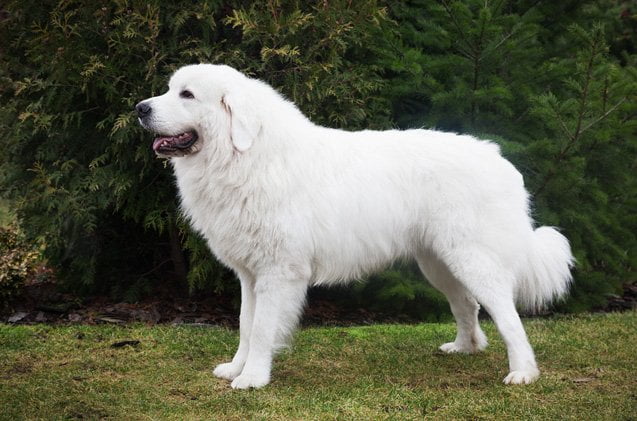
- Breed category: Working dog (livestock guardian)
- Country of origin: Poland
- Average height: Males 65 to 70 cm, females 60 to 65 cm1
- Typical weight: Commonly around 36 to 59 kg (varies by sex and build)
- Average life span: 10 to 12 years
- Coat type: Thick double coat, predominantly white
- Shedding level: Moderate to high
- Temperament: Calm, watchful, protective, independent
- Exercise needs: Moderate to high, best with daily purpose and space
- Training: Best with an experienced, consistent handler
- Common health considerations: Orthopaedic issues (including hip dysplasia) and bloat risk in large dogs
- Apartment friendly: Usually not ideal
- Best suited for: Rural or suburban homes with secure fencing
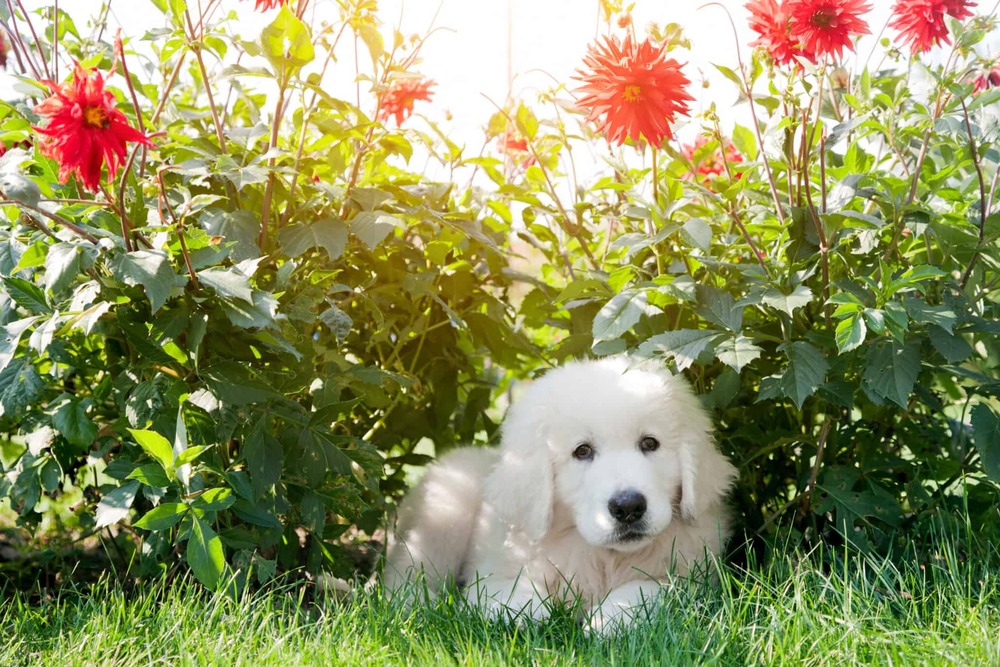
People often find the Polish Tatra Sheepdog after noticing a big white dog that looks, at first glance, like a fluffy farm dog. Then they see the way it stands still, watching a gate, a driveway, or a paddock, and it becomes clear this is not a dog that was bred to wait around for entertainment.
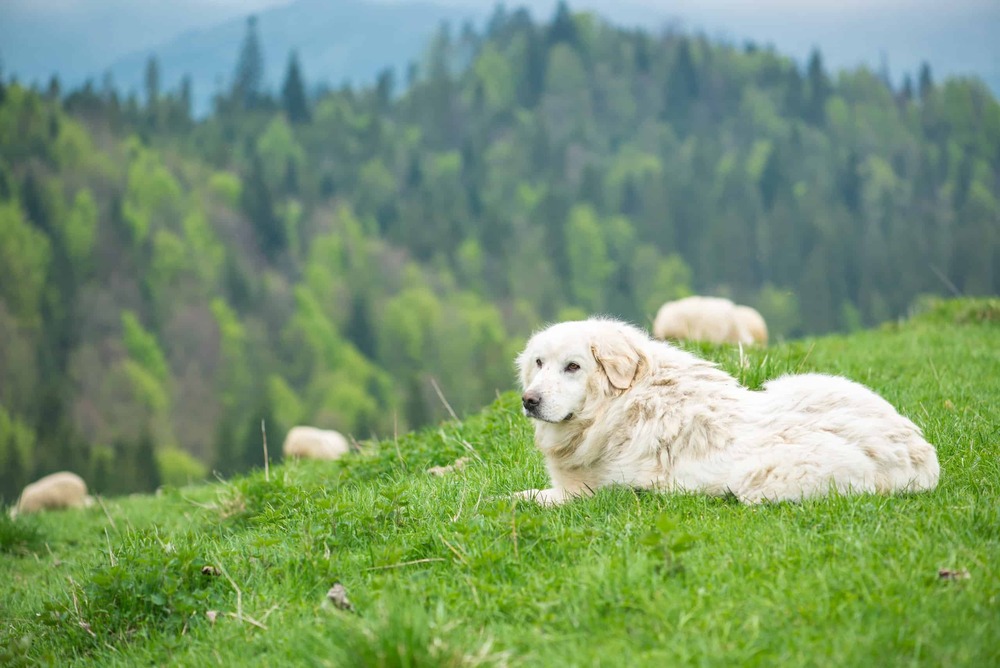
There is a common assumption that “sheepdog” means a dog that rounds animals up on cues. Tatras come from a different tradition. They are livestock guardians, selected to live alongside a flock and make their own decisions about what is normal and what is not. That independence can feel reassuring in the right home, and surprisingly challenging in the wrong one.
If you are considering the breed, or you already share your home with one, it helps to think less about tricks and more about daily life: boundaries, visitors, noise, neighbour dogs, fencing, and how much space a calm but substantial guardian needs to settle well.
Where the Polish Tatra Sheepdog comes from
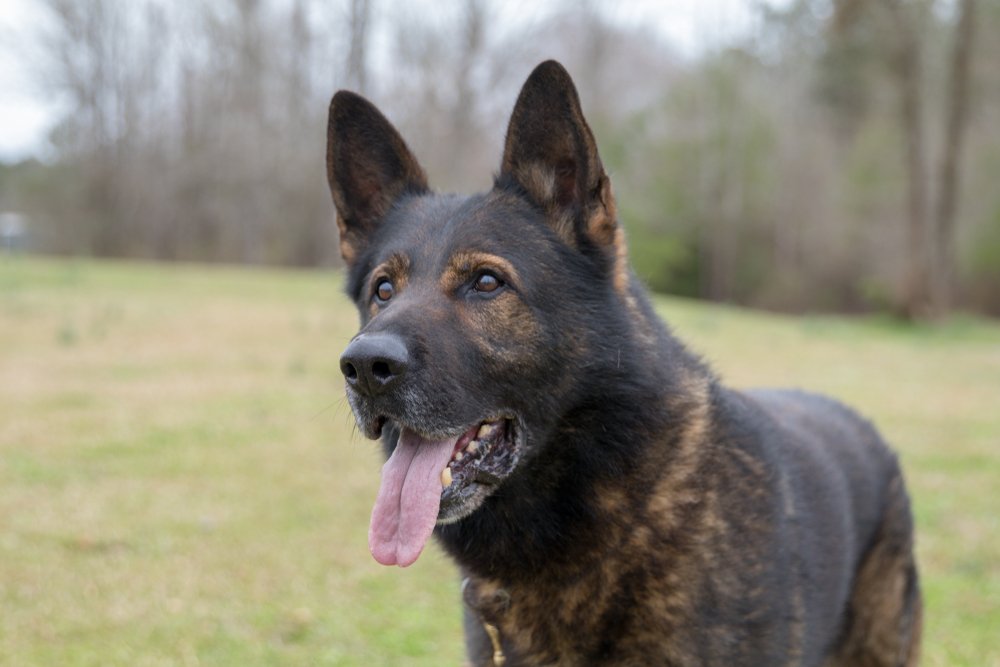
The Polish Tatra Sheepdog is also known by its Polish name, Polski Owczarek Podhalanski. It is recognised by the Federation Cynologique Internationale (FCI) as a Polish breed, developed in the Podhale region near the Tatra Mountains.1
Historically, these dogs were kept to guard sheep and property in challenging conditions. That background matters, because it explains many of the traits people notice today: a dog that can appear quiet for long stretches, then respond quickly when something changes, and a dog that may choose its own vantage point rather than follow you from room to room.
While many modern Tatras live purely as companion animals, the breed’s working blueprint is still there. They tend to be most content when daily routines are predictable and their “job” is clear, even if that job is simply supervising the household and the yard.
Size, coat, and the look of a working guardian
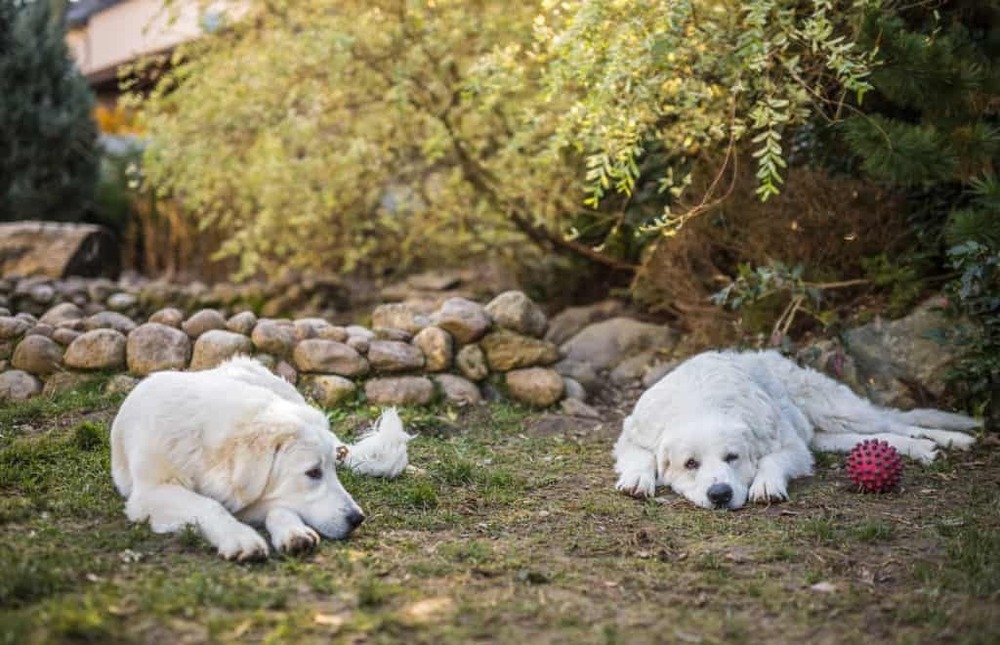
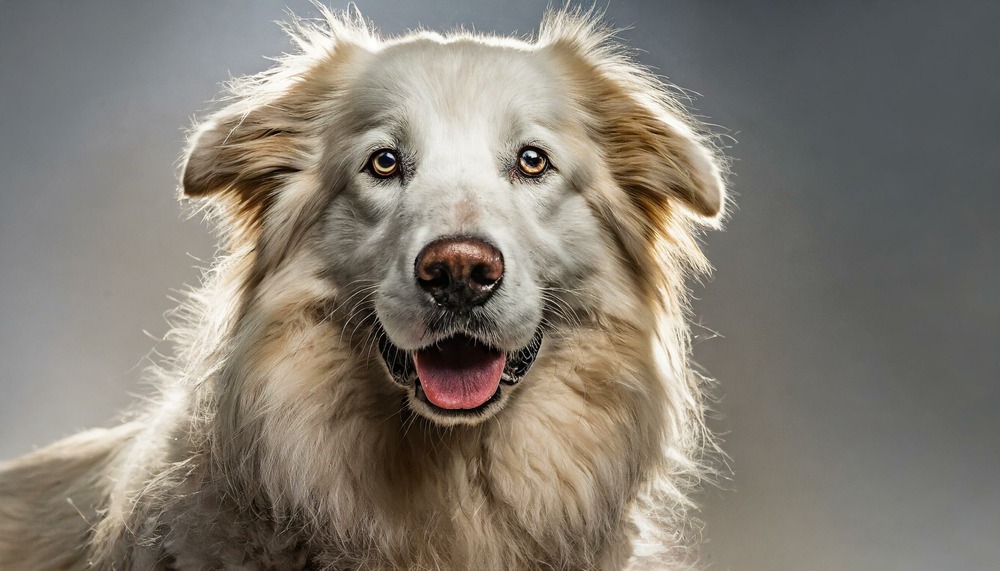
Tatras are large, heavy-boned dogs. The FCI standard lists height at the withers as 65 to 70 cm for males and 60 to 65 cm for females, with a uniform white coat preferred (small cream patches are considered undesirable).1
The coat is not just decorative. It is a dense, weather-resistant double coat designed for outdoor work, with shorter hair on the head and lower legs and longer coat through the body, neck, and tail.1
That coat can also shape day-to-day care. A Tatra that is brushed thoughtfully will shed less through the house and is less likely to develop tight mats around friction points like behind the ears, under the collar area, and along the “trousers” on the back legs.
Temperament, guarding behaviour, and what it looks like at home
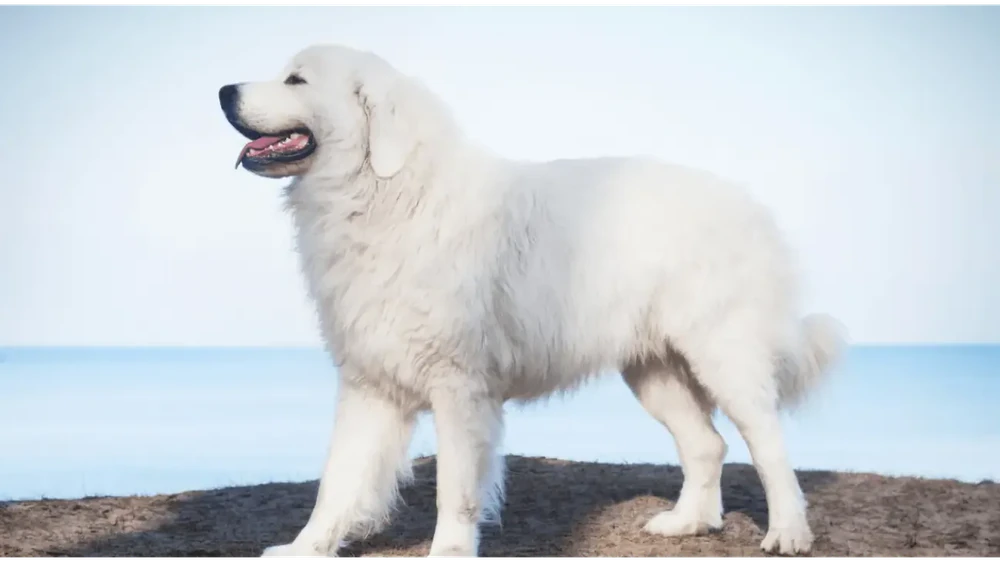
Many owners describe Tatras as steady and gentle with their people, and serious about boundaries with strangers. That combination can be a lovely match for families who want a calm presence, but it also means visitors, tradies, and deliveries need planning and management.
Guarding behaviour often shows up as watching, positioning the body between “their” people and a new person, and barking when something feels out of place. This is not “bad behaviour” so much as a normal breed tendency that needs guidance. The goal is not to remove vigilance, but to teach a Tatra what you want them to do instead.
For many dogs, the hard part is not protectiveness. It is the independence that comes with it. A Tatra can be intelligent and still not automatically agree that your request is urgent. This is where calm, consistent handling matters more than intensity.
Living with children and other pets
Tatras are often described as good with children, particularly when they have been raised alongside respectful kids and have space to retreat when they have had enough. Supervision matters because of the dog’s size, and because fast, noisy play can be misread as something to interrupt.
With other dogs and pets, outcomes are strongly shaped by early socialisation and the way the household is managed. A Tatra that has clear routines and is not asked to “cope” with constant surprise introductions is more likely to settle. If your dog tends to block hallways, hover over food bowls, or posture at the fence line, it is a sign you may need to adjust set-ups rather than simply hope it improves.
If you are introducing a new animal, aim for slow, structured introductions and consider professional help early, especially if guarding or reactivity is already present.
Training that suits the breed
Tatra training tends to work best when it feels fair and predictable to the dog. Reward-based methods are strongly supported by the RSPCA, including avoiding punishment-based or aversive techniques that can increase risk to dog welfare and the human-dog relationship.2
In practical terms, focus on skills that make daily life smoother:
- Mat or place training for visitors and busy household moments
- Loose-lead walking and calm greetings
- Reliable recall in secure areas, paired with realistic expectations outdoors
- Comfort with handling, grooming, and vet checks
For a guardian breed, socialisation is not about making the dog love everyone. It is about building calm neutrality, teaching the dog what is normal, and giving them a clear plan when something is unfamiliar.
Exercise and enrichment, what “enough” looks like
Tatras usually need more than a quick lap of the block, but they are not typically high-speed endurance athletes either. Many do best with a mix of steady exercise and purposeful activities, plus time to rest where they can observe their environment.
Useful options include long sniffy walks, lead hikes, supervised property time, and simple problem-solving games. What often backfires is repetitive high-arousal play that revs the dog up and leaves them practising the very intensity you are trying to prevent around people and boundaries.
If barking and fence running are becoming daily patterns, that is often a sign of unmet needs, unclear routines, or the dog rehearsing guarding behaviour without guidance, or all three.
Health considerations, including bloat risk
No breed is “problem free”, and large breeds have predictable areas to watch. Tatras are commonly discussed in the context of orthopaedic issues, including hip dysplasia, and owners are usually best served by choosing breeders who do appropriate health screening and can explain results clearly.5
Another concern in large, deep-chested dogs is gastric dilatation-volvulus (GDV), often called bloat. GDV is a fast-moving emergency. Risk is associated with factors such as deep chest conformation and feeding patterns like a single large meal once per day.3, 4
It is worth knowing the early signs owners are commonly taught to take seriously, including a distended abdomen, repeated unproductive retching, restlessness, drooling, and weakness or collapse.3, 4
If you are worried about GDV risk for your individual dog, ask your vet about practical prevention steps, and whether prophylactic gastropexy is appropriate in your circumstances.3
Grooming the white double coat without making it a battle
A Tatra coat is easiest to manage when grooming is frequent enough that it never becomes a wrestling match. Most of the year, brushing a few times a week is a realistic baseline for many households, with extra effort during seasonal coat drop.
Focus on line brushing, check the skin as you go, and pay attention to high-friction zones. If you find mats close to the skin, it is kinder to address them early rather than try to “save the coat” at the dog’s expense.
Bathing can be occasional rather than frequent. A good rinse and thorough dry is often more important than shampooing, particularly if the dog’s coat is doing its job as a protective layer.
Feeding and body condition, keeping a big dog comfortably lean
Tatras do best on a balanced diet suited to their life stage and activity, and it helps to keep an eye on body condition, not just the number on the scale. The WSAVA Global Nutrition Guidelines provide tools that vets and owners use to assess body condition score and make sensible adjustments over time.6
For many large dogs, feeding two meals a day rather than one large meal can be part of a sensible routine, especially when paired with calm time around meals. If your dog eats quickly, discuss options with your vet, such as slow feeders and feeding strategies that reduce gulping.
If you are changing diets, do it gradually, and treat supplements with caution. A product can sound “natural” and still be unnecessary or unhelpful for your individual dog.
A grounded way to decide if a Tatra is right for you
The Polish Tatra Sheepdog can be a deeply satisfying companion for the right household. The best matches tend to be people who like a dog with presence, who value steadiness over constant sociability, and who can offer space, secure boundaries, and a predictable rhythm of life.
It also helps to be honest about the less romantic parts: barking, coat maintenance, visitor management, and the reality that a guardian breed may not be thrilled by a steady stream of unfamiliar people at the fence line.
If you enjoy working with a dog that thinks for itself, and you can set up the environment so the dog can succeed, a Tatra can settle into family life with a calm confidence that is hard to mistake for anything else.
References
- FCI: Polski Owczarek Podhalanski (Tatra Shepherd Dog) breed standard page
- RSPCA Australia Knowledgebase: Reward-based dog training recommendations
- American College of Veterinary Surgeons: Gastric Dilatation-Volvulus (GDV) overview and risk factors
- Cornell University College of Veterinary Medicine: GDV (bloat) overview and prevention
- Orthopedic Foundation for Animals (OFA): Hip dysplasia information and screening
- WSAVA: Global Nutrition Guidelines and body condition scoring resources
- United Kennel Club (UKC): Owczarek Podhalanski breed standard
- NCBI Bookshelf (PMC): Veterinary emergency care reference including GDV summary