

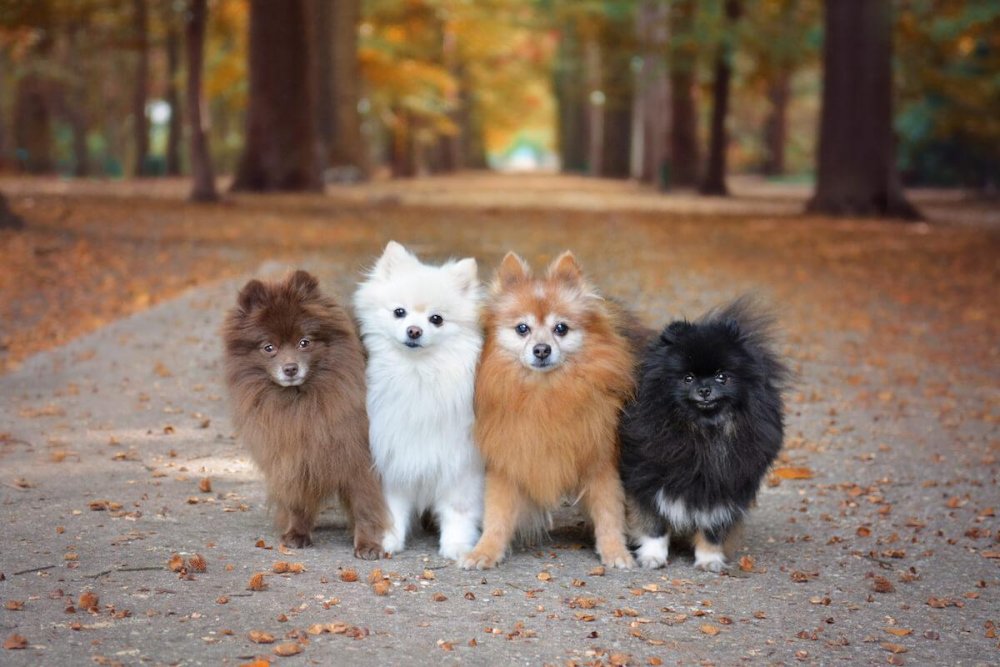
People usually start looking up Pomeranians after a moment that does not quite fit the “small dog” stereotype. Maybe it is the way a tiny dog can sound like a serious watchdog, or how a fluffy coat seems to arrive with strong opinions about the household routine.
Pomeranians can be wonderfully companionable, but they are also particular. Their size makes some things easier, like apartment living and carrying them when needed, yet it can make other things trickier, like dental care, safe handling around children, and managing barking without turning it into a daily habit.
Getting to know the breed properly is less about trivia and more about day to day fit. When you understand what sits underneath the “teddy bear” look, training choices, grooming routines, and health planning start to make more sense.
At a glance
- Group: Toy (Dogs Australia group classification)1
- Size: Small, commonly around 1.8 to 3.0 kg (breed guides vary)2
- Life expectancy: Often 12 to 16 years2
- Coat: Dense double coat, regular brushing helps prevent matting
- Commonly discussed health risks: dental disease, patellar luxation, and airway issues like tracheal collapse6, 7, 8
The Pomeranian’s background, and why it still matters
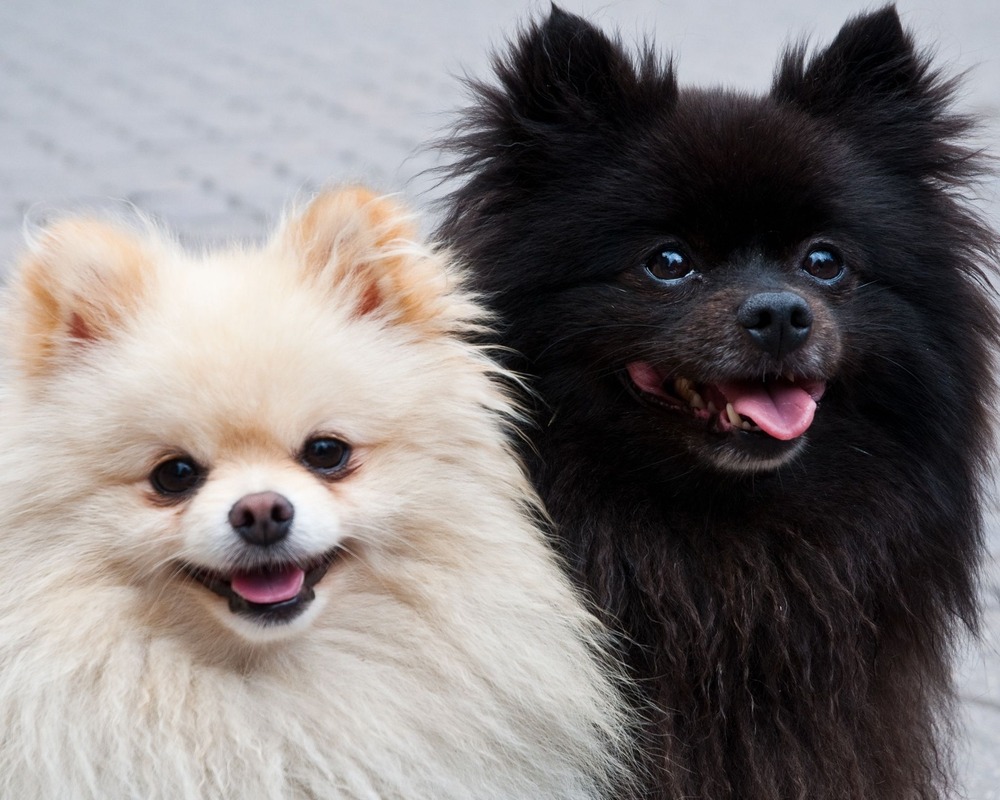
The modern Pomeranian is a small spitz type companion dog, but it comes from a broader family of sturdier northern breeds. That heritage shows up in the outline and coat, and also in the breed’s tendency to stay alert to what is happening around the home.2
Royal patronage is often mentioned for a reason. Queen Victoria’s enthusiasm for smaller Pomeranians contributed to the popularity of the smaller type in the late 1800s, which in turn influenced breeding preferences.3
It can help to think of Pomeranians as bright, compact watchdog companions. They are not “yappy for no reason”, but they can become noise sensitive and reactive if the household accidentally rewards alarm barking with attention or a dramatic response.
Breed type and appearance
Dogs Australia’s breed standard describes a compact toy dog with a fox like outline to the head, a plumed tail carried over the back, and a confident, lively presence.1
Coat colour is wide ranging. If colour is a priority, it is still worth choosing breeders for health and temperament first, because coat can be managed, while joint stability, dental health, and good social confidence matter every day.
Temperament and who they suit
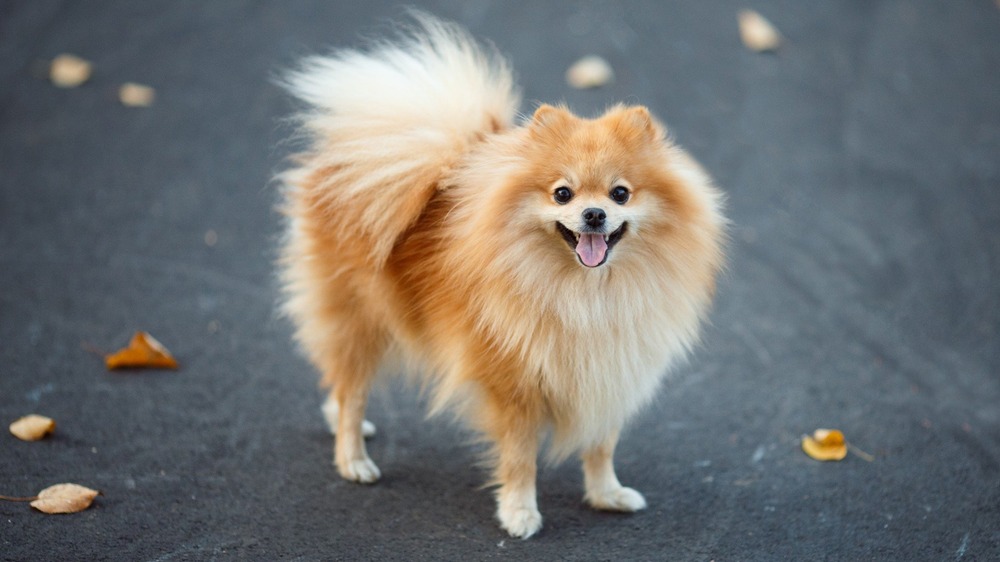
Pomeranians are often described as lively, intelligent, and extroverted. In practice, many are quick to learn patterns, quick to notice change, and very responsive to their people’s reactions.1
They commonly suit households that enjoy a dog who wants to be involved, but can still settle when taught how. The key is to build calm routines early, rather than assuming a small dog will “just adapt” without guidance.
Children, visitors, and other pets
Pomeranians can do well with older, dog savvy children. With very young children, the concern is often accidental injury and rough handling rather than aggression. Supervision and teaching gentle contact are part of responsible ownership for any toy breed.
With other dogs and cats, early socialisation matters. Many Poms are bold, and will approach larger dogs without much self protection. Good management is not about stopping social contact, it is about creating safe, positive exposures.
Training and exercise, without overdoing it
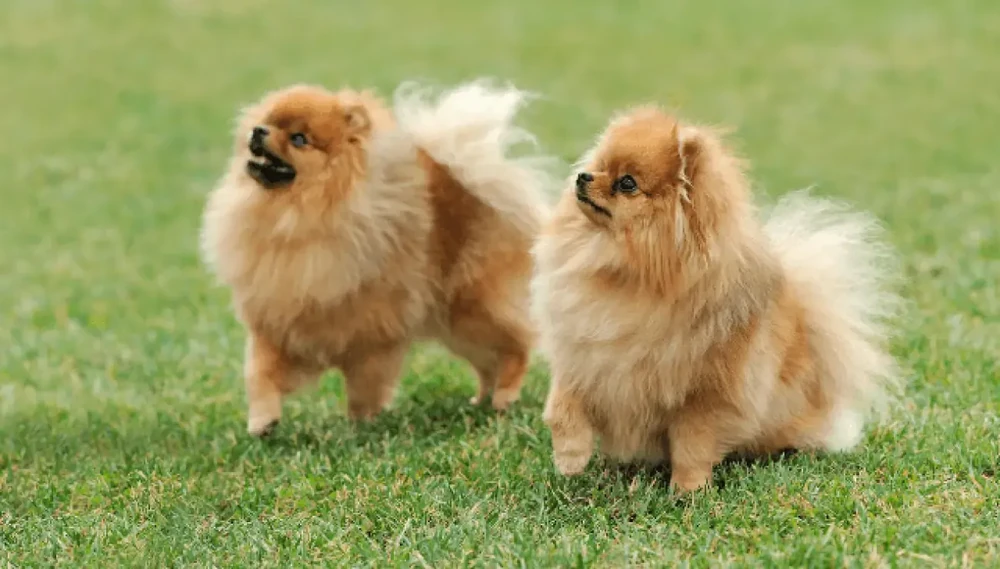
Pomeranians tend to enjoy training when it is short, upbeat, and consistent. They can be sensitive to pressure, so calm repetition and small rewards often work better than firm corrections.
Exercise needs are usually modest compared with larger working breeds, but daily movement still matters for joints, weight control, and stress regulation. A couple of short walks plus indoor play is often plenty, especially in hot weather.
Barking and alertness
Many owners notice barking is the hardest part. It helps to separate “alert barking” from “boredom barking” and “anxiety barking”, because the solutions differ. You can often reduce barking by:
- teaching a reliable “quiet” cue with rewards
- adding predictable enrichment (snuffle mats, puzzle feeders)
- blocking repeated visual triggers at windows
- rewarding calm behaviour before the dog escalates
If barking suddenly increases, it is sensible to rule out discomfort, especially dental pain or airway irritation.
Health considerations in small, fluffy bodies
Pomeranians can be robust little dogs, but toy breeds have a few predictable pressure points. Thinking ahead means fewer surprises later, and it also helps you choose good insurance and budget realistically for veterinary care.
Dental disease
Small dogs are prone to dental crowding, and plaque can build quickly. Regular home care is not about perfect teeth, it is about staying ahead of inflammation. RSPCA guidance emphasises tooth brushing and regular veterinary checks, with professional cleaning done under general anaesthesia when needed.4, 5
Luxating patella (kneecap slipping)
Patellar luxation is common in small breed dogs. It can show up as an intermittent “skip” on a back leg, then the dog walks normally again. Severity varies, and treatment ranges from conservative management to surgery in more significant cases.6
Tracheal collapse and collar pressure
Pomeranians are one of the breeds often listed as predisposed to tracheal collapse. Weight management, reducing airway irritants, and avoiding pressure on the neck are common parts of management.7, 8
For many Poms, a well fitted harness (rather than a collar for walking) is a practical choice, especially if they pull or cough on lead.
Coat care and grooming that protects the skin
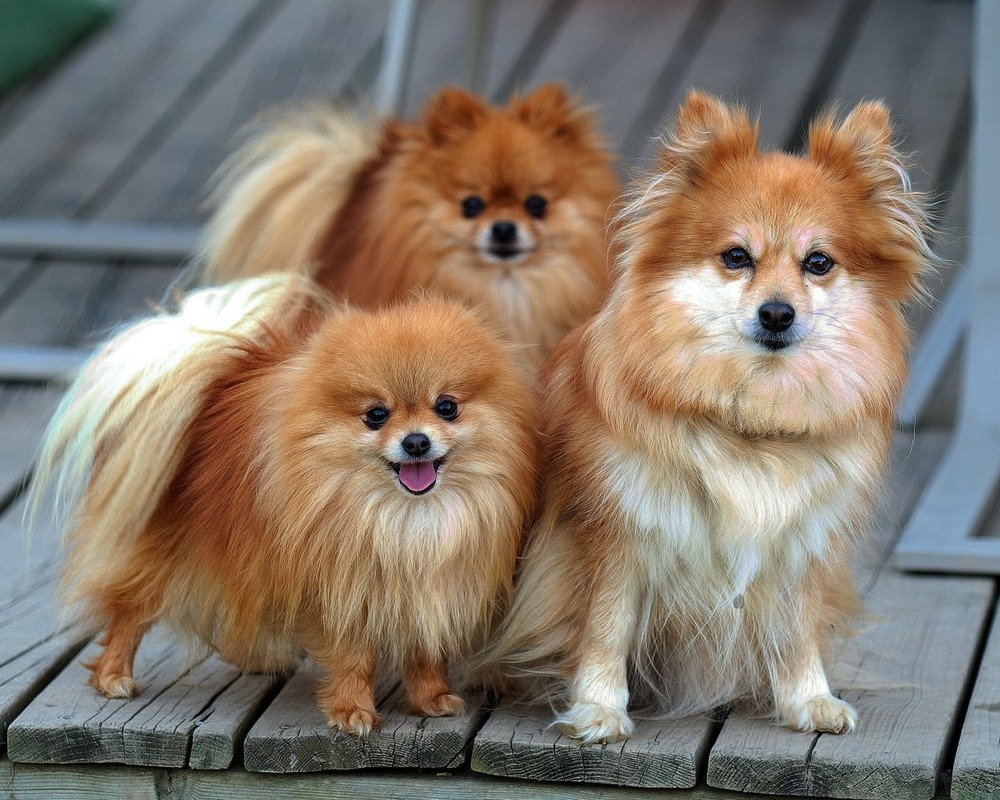
That famous coat is beautiful, but it is also a maintenance commitment. A dense double coat can mat close to the skin, particularly behind the ears, in the armpits, and around the collar line.
Most households do well with a routine of thorough brushing a few times a week, plus a professional groom as needed. If you keep the coat longer, you are choosing more brushing, not less. If you clip the coat very short, discuss it with a groomer who understands double coats, because coat regrowth can be unpredictable in some dogs.
Grooming is also your quiet health check. While brushing, you can notice changes like dandruff, redness, lumps, or flea dirt early.
Feeding and weight, the quiet foundation
Pomeranians do best on a complete and balanced diet suited to small breeds, with portions adjusted to the individual dog’s age and activity level. Because they are small, tiny extras add up quickly, which matters for joint comfort and airway health.
WSAVA’s nutrition guidance is a good reminder that diet choices should be made with your veterinarian’s help, especially if you are mixing commercial foods, raw components, and supplements.9
If your Pom is food motivated, that can be an advantage. You can use part of their daily ration for training, rather than constantly adding high calorie treats.
Choosing a puppy, or adopting an adult Pom
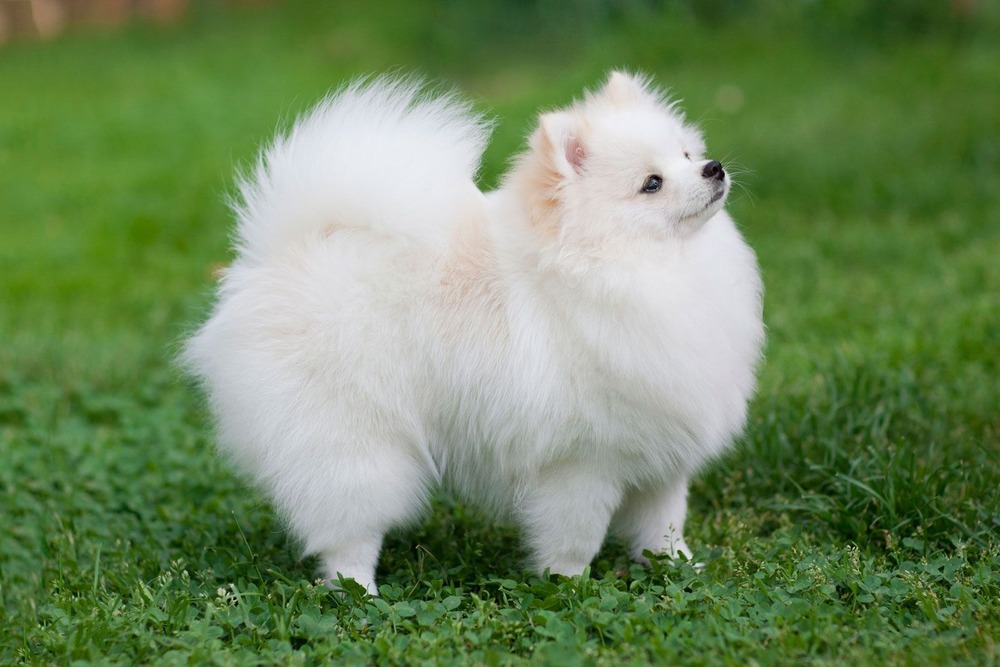
A well bred, well raised Pomeranian is not just a smaller version of any dog. Early socialisation, gentle handling, and health screening shape what life looks like for the next decade.
If you are buying, look for breeders involved with Dogs Australia and state canine associations, and ask clear questions about health history, temperament, and how the puppies are raised in the home. Dogs Australia provides a way to understand breed standards and the broader framework of pedigree breeding in Australia.10, 1
If you are adopting an adult Pom, give them time to settle. Many behaviour issues that look like “stubbornness” improve when the dog has predictable routines, gentle training, and their health needs addressed.
References
- Dogs NSW (Dogs Australia), Pomeranian breed standard
- Dogz Online, Pomeranian breed information (Australia)
- Wikipedia, Pomeranian dog (history and Queen Victoria notes)
- RSPCA Australia Knowledgebase, caring for a dog’s teeth
- RSPCA Queensland, dog teeth cleaning and dental care
- Merck Veterinary Manual, Patellar luxation in dogs and cats
- American College of Veterinary Surgeons, Tracheal collapse
- American Kennel Club, Collapsed trachea in dogs
- WSAVA, Global Nutrition Guidelines
- Dogs Australia (ANKC), official site