

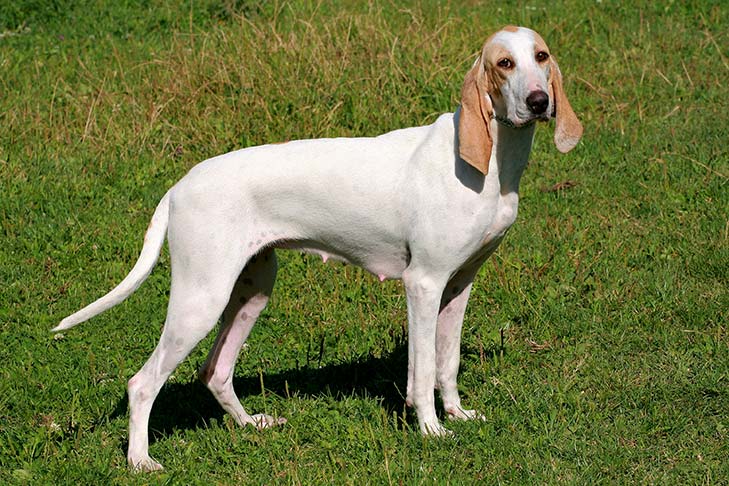
Most people meet the Porcelaine by accident. You notice a photo of a sleek white hound with warm orange ticking, or you meet one on a walk and wonder why this dog looks a little like a Dalmatian, but moves like it has a job to do.
Then the questions start: is it a pet breed or a working breed, why does it seem so switched on outdoors, and why do some owners talk about “nose time” as if it is as important as exercise? With the Porcelaine, those questions matter, because a calm home life usually depends on how well its scent hound instincts are understood and supported.
What follows is less about romance and rarity, and more about the practical realities of living with a French scenthound: what it was bred for, what it tends to need day to day, and the small care details that make a big difference over a lifetime.
Porcelaine at a glance
- Breed type: French scenthound (FCI Group 6)
- Origin: France
- Size: Medium, athletic build
- Height: About 53 to 58 cm at the withers (typical range across standards)
- Weight: Commonly around 25 to 28 kg (varies with frame and conditioning)
- Coat: Short, smooth, fine
- Colour: White with orange spots, orange ticking on the ears is typical
- Exercise needs: High, especially steady aerobic work plus sniffing opportunities
- Grooming: Low to moderate
- Life expectancy: Commonly around 12 to 14 years
History and origin
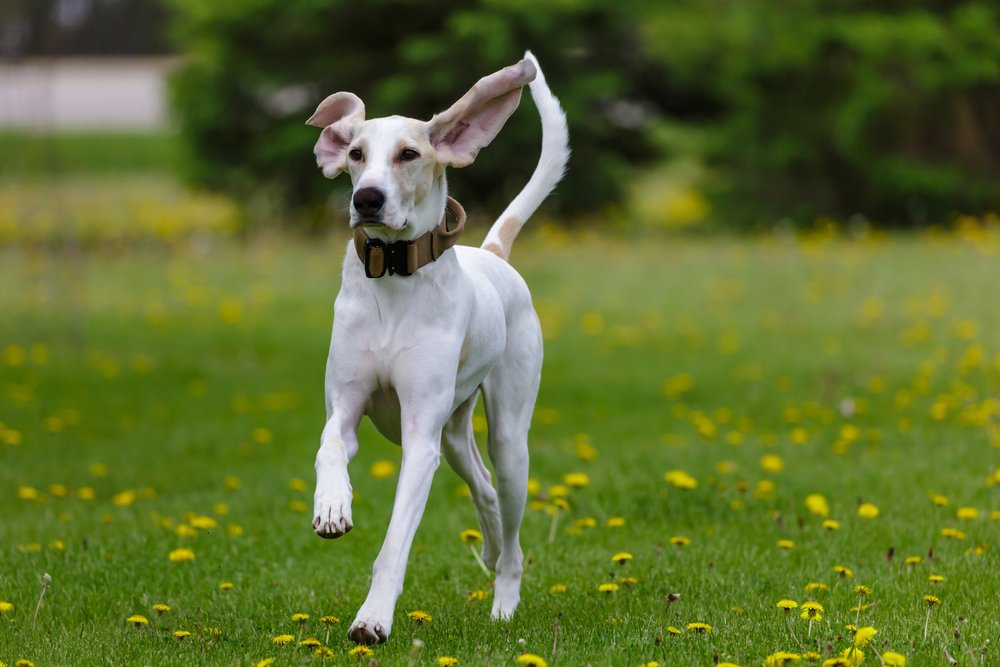
The Porcelaine is a French pack hound developed for pursuing game by scent, particularly hare. It sits among the classic French running hounds: dogs built to work for hours, follow a line of scent, and keep moving with purpose.1, 2
You will sometimes see older names linked to regions in eastern France, including Franche-Comté. That regional thread helps explain why Porcelaine people can sound a little protective of the breed’s type and function. The dog’s look is striking, but it was shaped first by work.2, 3
One detail worth clearing up is kennel recognition dates. Different organisations recognised the Porcelaine at different times. For example, the FCI lists it as definitively recognised in 1964, while the United Kennel Club (UKC) recognised it on 1 January 1996.1, 4
Physical characteristics
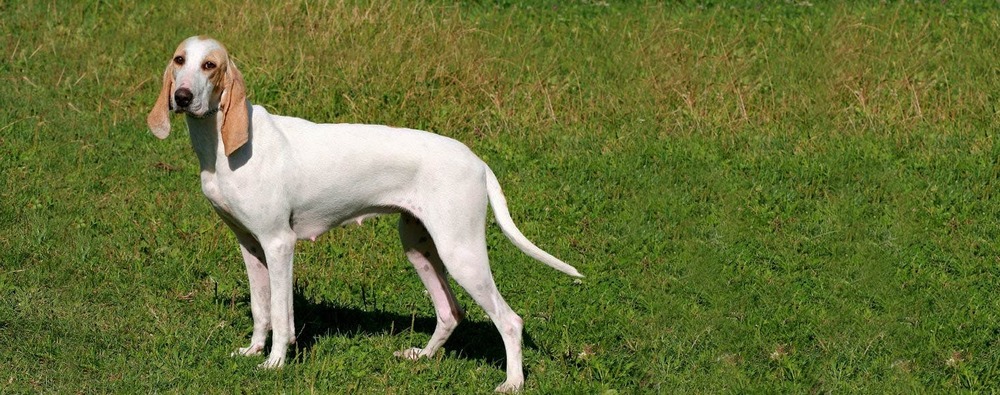
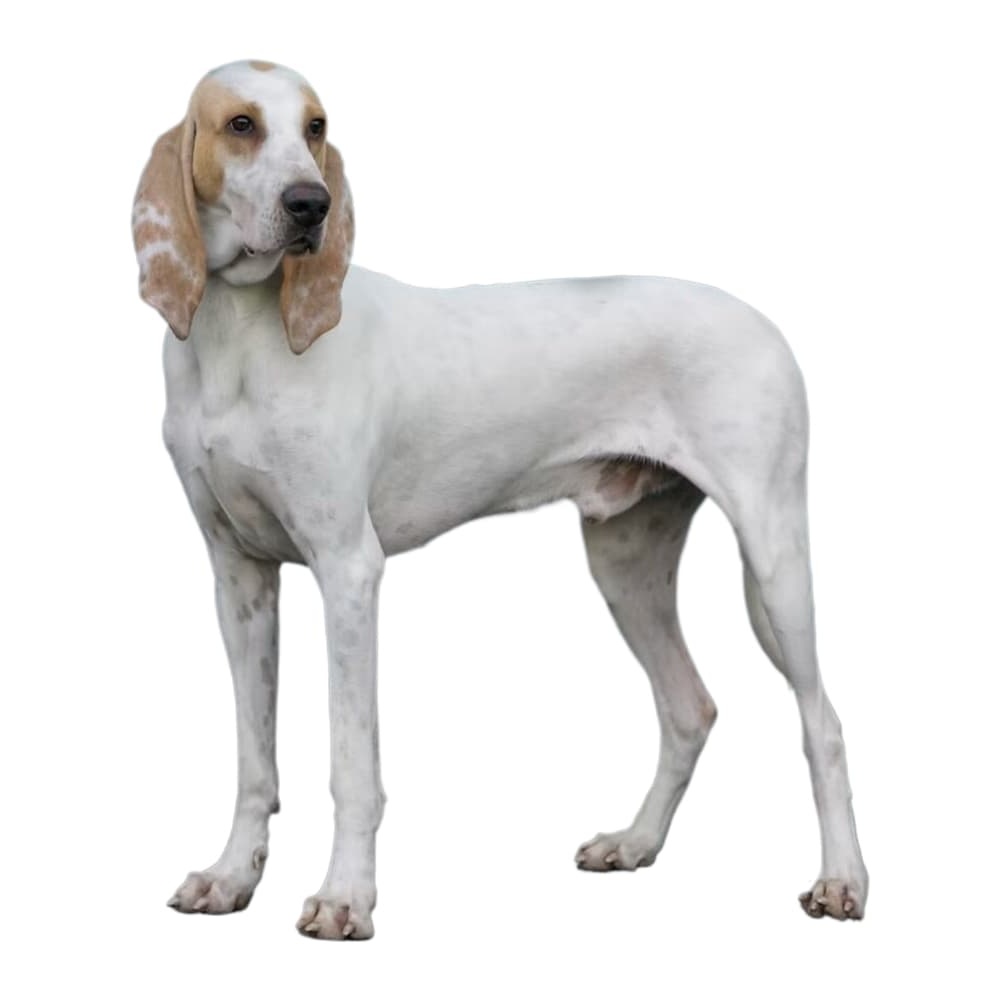
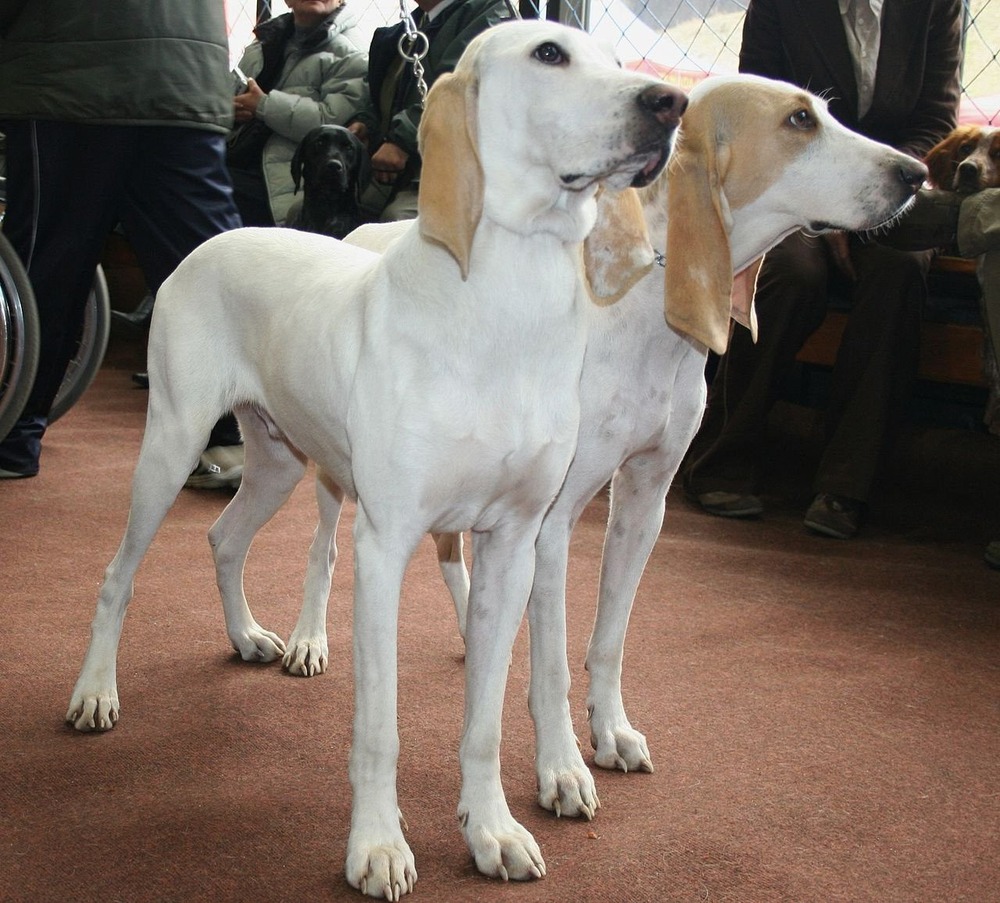
In person, the Porcelaine tends to read as light and refined rather than heavy. The body is made for travel: a deep chest for stamina, long legs for ground coverage, and an overall outline that looks economical in motion. Breed standards describe a short, thin, close-lying coat that appears glossy, which is where the “porcelain” impression comes from.1, 4
The coat colour is not just “white with spots” in a general sense. Standards commonly specify a white ground with orange spots that should not form a blanket or mantle, and orange ticking on the ears is considered characteristic.4
Those long, low-set ears add to the breed’s elegance, but they also create a warm, less ventilated space around the ear canal. That matters later when you think about routine checks and the early signs of ear trouble.5, 6
Temperament and everyday behaviour
People often describe Porcelaines as friendly and easy to live with, and that can be true, provided their needs are met. The common mistake is assuming that a short coat and elegant build equals a “low fuss” dog. In practice, this is a working scenthound, and that heritage tends to show up as strong environmental interest, stamina, and a nose that does not switch off easily.1, 4
Many hounds are not desperate to please in the way some gundogs are, but they can be very responsive to thoughtful handling. You will usually get the best from a Porcelaine when training feels purposeful and fair, and when the dog’s natural behaviours are given a safe outlet rather than constantly suppressed.
With children and visitors, what you typically manage is arousal and movement, not “protectiveness”. A Porcelaine that has had enough exercise and sniffing time is more likely to settle and make good choices. A bored, under-exercised hound is more likely to pace, vocalise, or go looking for its own entertainment.
Training and exercise needs

Early socialisation matters, but so does early habit building. With scenthounds, the day-to-day skills that keep everyone safe are often simple: coming back when called, walking on a loose lead, settling after activity, and being comfortable with handling for grooming and vet care.
Training tends to go best with positive reinforcement, short sessions, and rewards that compete with real-world smells. Many owners find it helpful to treat “sniffing” as a legitimate need, not a naughty distraction. You can build training into sniffing time rather than fighting it.
For exercise, think in terms of both movement and brain work. Alongside brisk walks and safe off-lead time where legal and appropriate, consider scent-based activities. Structured nosework can give a hound a clear job that scratches the same itch as tracking, while staying compatible with pet life.7, 8
- Steady aerobic work (walking, hiking, jogging if conditioned)
- Sniff-led enrichment (scatter feeds, scent trails, nosework games)
- Impulse control in real contexts (waiting at gates, check-ins on walks)
Enrichment is not about piling on more toys. Variety matters, and it should be done safely. Overdoing food-based enrichment can quietly push weight up, which is not ideal for an athletic dog that may already be at risk of joint strain if it becomes overweight.9
Health and lifespan
Porcelaines are often described as generally robust, but no breed is “problem free”. Two practical areas to keep on your radar are joints and ears.
Hip dysplasia is discussed across many medium and large athletic breeds. Not every Porcelaine will have it, but it is sensible to treat lean body condition and appropriate conditioning as long-term joint support, especially through adolescence when dogs can be all legs and enthusiasm.
Ear infections (otitis externa) are a common reality for many dogs with longer ear flaps. The ear leather can reduce airflow and hold moisture, which makes the ear canal more hospitable to yeast and bacteria. It is also easy for debris to stay trapped after a muddy run or a swim.5, 6
Most Porcelaines are reported to live into the early teens with good care. What makes the biggest difference tends to be the unglamorous basics: routine veterinary checks, parasite control, dental care, and prompt attention when something looks “a bit off”, especially with ears and skin.
Grooming and routine care
The Porcelaine’s coat is short and uncomplicated. A weekly brush usually keeps it tidy, lifts loose hair, and gives you a chance to check the skin. Expect moderate shedding, often more noticeable seasonally.
Ears are the area where a little routine pays off. Aim for gentle weekly checks, and ask your vet to demonstrate cleaning technique if you are new to it. Avoid pushing cotton buds or anything similar down into the ear canal, since that can irritate the ear or push debris deeper.5, 6
Nails, teeth, and paw pads deserve the same quiet attention. Active dogs can still need nail trims, especially if much of their exercise is on softer ground.
Diet and nutrition
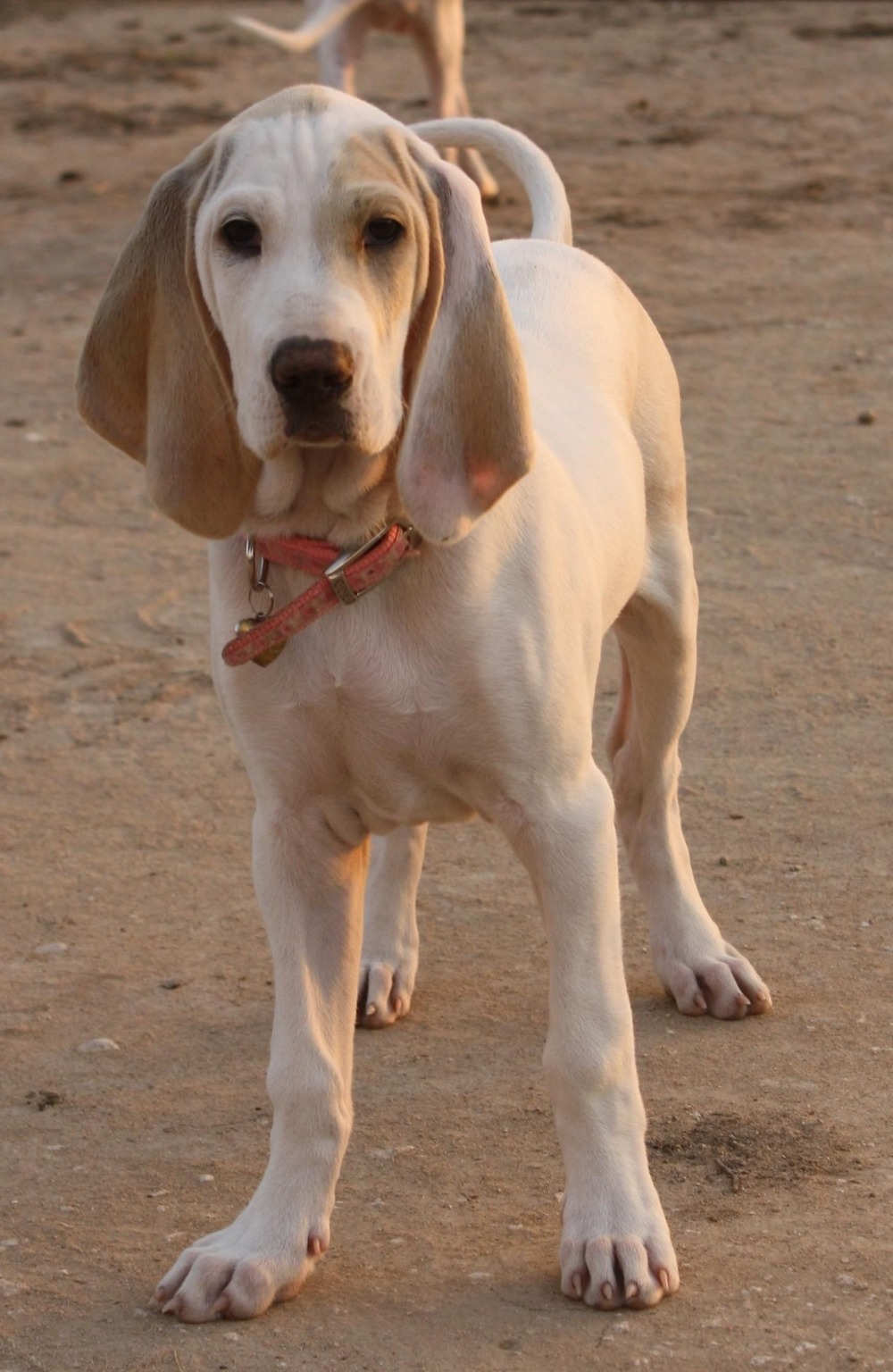
Porcelaines do best when diet is treated as part of overall conditioning, not a separate topic. A high quality complete diet is the baseline, then you adjust amounts based on age, workload, and body condition rather than the scoop size you have always used.
The World Small Animal Veterinary Association (WSAVA) emphasises practical nutritional assessment as part of routine care, including tracking body condition score and tailoring the diet to the individual dog. That approach is particularly useful for hounds, because their appetite can outpace their actual needs when exercise drops or treats creep up.10
If you are unsure, use a simple rule: you should be able to feel ribs under a light layer of tissue, and see a waist from above. If that is not the case, talk with your vet about a plan that reduces calories without stripping the dog’s life of enrichment.
Small details that make life easier
The Porcelaine is not a difficult dog so much as a specific one. When households struggle, it is often because they tried to make the dog live like a low-drive companion breed, with short walks and a quick game of fetch, and expected the rest to take care of itself.
In day-to-day terms, the most helpful mindset is: meet the nose, shape the behaviour. Give safe opportunities to sniff, track, and problem-solve, then build the manners around that life. The result is usually a hound that looks settled and “easy”, because its core needs are being met.
References
- Fédération Cynologique Internationale (FCI): Porcelaine (No. 30)
- Wikipedia: Porcelaine
- Société Centrale Canine: Porcelaine
- United Kennel Club (UKC): Porcelaine Breed Standard
- The Kennel Club: Otitis externa in dogs
- Merck Veterinary Manual: Otitis Externa in Animals
- RSPCA Australia: The importance of enrichment for dogs
- RSPCA South Australia: Nosework courses
- FOUR PAWS Australia: Is your pet overweight? (Body Condition Score)
- WSAVA: Global Nutrition Guidelines