


People often come across the Portuguese Sheepdog when they are searching for a bright, active companion, or when they notice a shaggy, goat-like coat and wonder what breed it could be. Sometimes it is a photo from a European farm, sometimes it is a rare dog at a local show, and the name itself can feel a little slippery: you might see Cão da Serra de Aires, Portuguese Sheepdog, or even the nickname “monkey dog”.
It is tempting to assume that a long-coated herding breed will be “easy” at home because it looks soft and friendly. In practice, the Portuguese Sheepdog tends to be a busy, observant dog with a working mind. When their daily life is rich enough, they can be affectionate, steady companions. When it is not, they can become noisy, restless, and inclined to organise the household in ways you did not ask for.
Understanding what shaped this breed, and what they need now, helps you decide whether you are looking at a charming rarity or a genuine fit for your home.
Breed snapshot: what people notice first
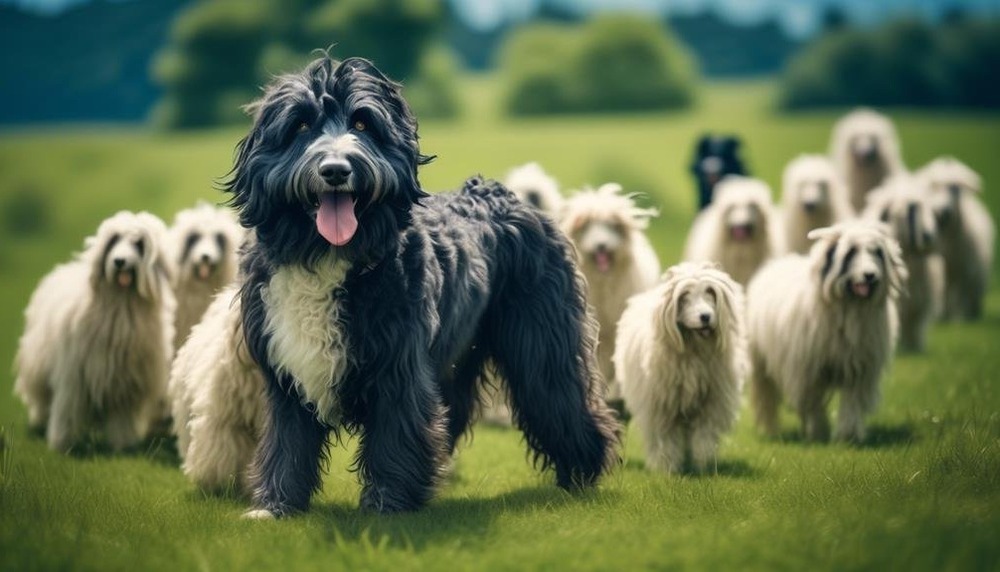
The Portuguese Sheepdog is a medium-sized herding dog from Portugal, recognised internationally by the FCI as Cão da Serra de Aires.1 The overall impression is of a compact, agile worker with a long coat and an alert, quick way of moving.
- Group and type: herding dog (sheepdog and cattledog type)1
- Typical size: medium, generally around 45 to 55 cm at the withers for males (females usually slightly smaller)2
- Coat: long, smooth to slightly wavy, with a goat-like texture and no undercoat described in the standard2
- Temperament outline: lively and intelligent, devoted to their people, often wary of strangers3
If you are comparing breeds, it helps to remember that “rare” does not automatically mean “low maintenance”. With herding breeds especially, rarity often just means you may have fewer local examples to learn from in everyday settings.
Origins and working background
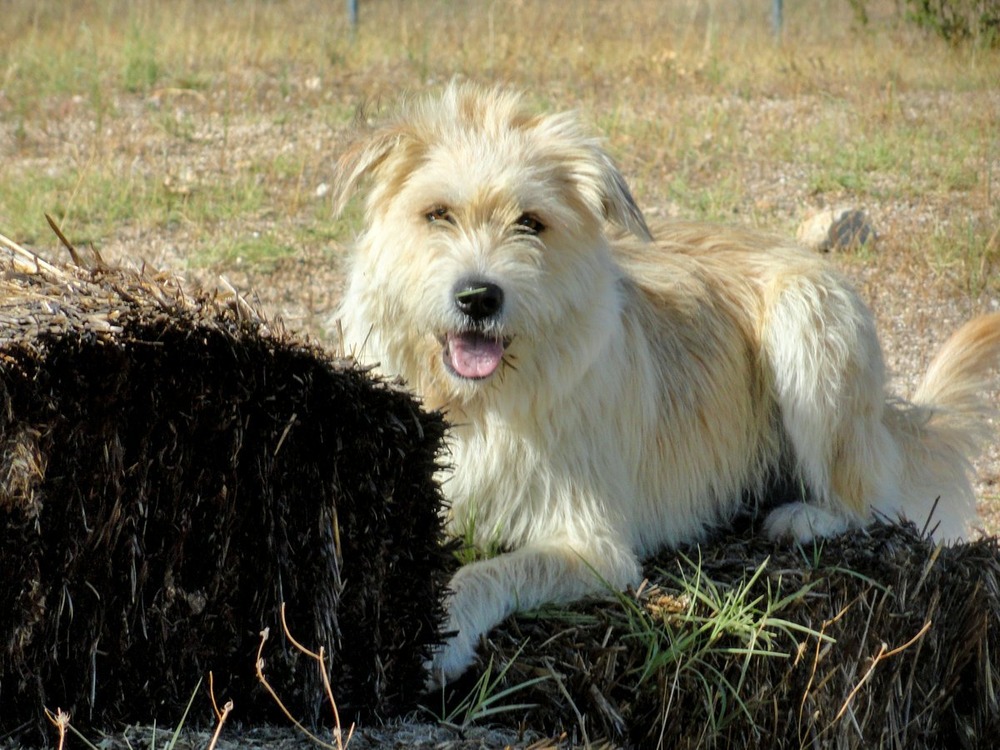
The official breed listing places the Portuguese Sheepdog in Portugal, with definitive FCI recognition dating back to the mid-20th century, and an official standard published later.1 In practical terms, this is a breed shaped by rural work: moving livestock, staying responsive to a handler at distance, and handling long days in changeable conditions.
One detail that is easy to miss is that these dogs were used for more than sheep. Breed standards and kennel club descriptions commonly note work with different kinds of herds, which helps explain the breed’s flexible problem-solving style, and its tendency to keep scanning the environment even in a suburban home.2
It is also where the nickname comes from. The “monkey dog” label is not a cute marketing invention so much as a reflection of the facial furnishings and lively attitude described in breed material.2
Temperament in a home setting
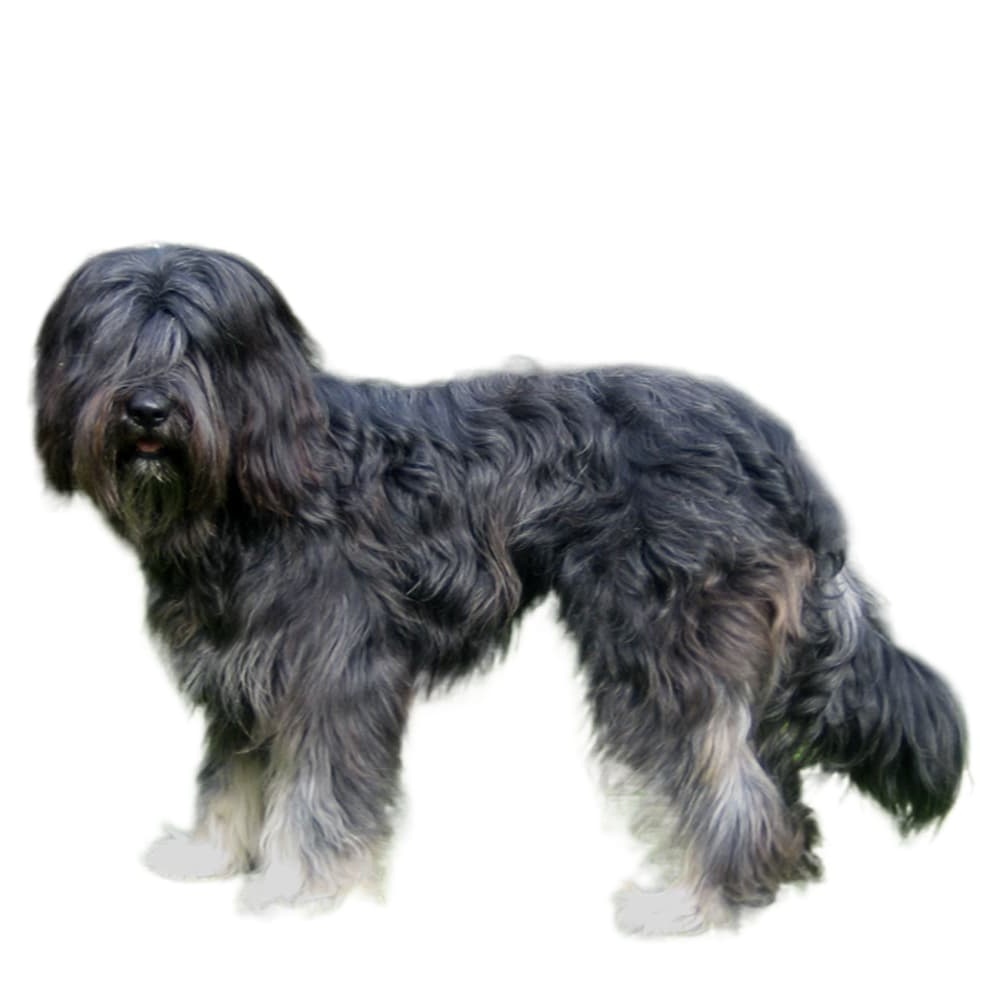
Portuguese Sheepdogs are often described as exceptionally intelligent and very lively, and that comes through in day-to-day life.1 They notice routines quickly, learn patterns, and can develop strong preferences about how the household “should” run.
Many owners and trainers find the biggest success comes from treating this dog as a partner that needs a job, rather than a pet that will simply “settle” because it has a backyard. For this breed, mental work matters, and boredom can look like barking, pacing, or bossy behaviour directed at kids, visitors, or other pets.
Wary-with-strangers tendencies are not the same thing as aggression, but they do mean you will usually get a dog that notices new people, new sounds, and changes around the home, then comments on them if not guided.2
Children, visitors, and other animals
With children, the usual herding-dog rule applies: you want calm supervision and clear boundaries, especially in high-energy play where chasing and squealing can trigger instinctive “gathering” behaviours.4 Early socialisation helps, but it is also about teaching the dog what to do instead of circling, nudging, or trying to control movement.
With other pets, many Portuguese Sheepdogs can live well with them, but introductions benefit from structure. A herding dog that has never learned to disengage may pester other animals, not out of malice, but because movement is their strongest cue.
Training that suits the breed
Portuguese Sheepdogs tend to respond best to reward-based training with clear boundaries and lots of repetition in real-world contexts. They are quick to learn a behaviour in the kitchen and just as quick to “forget” it at the park if the environment is more interesting than the reinforcement.
Short sessions, varied locations, and practical skills often work better than drilling. Focus on the day-to-day behaviours that make life smoother:
- settle on a mat while people eat or talk
- coming away from movement (kids running, cyclists, dogs playing)
- quiet behaviour at doors and fences
- comfortable handling for brushing, eyes, feet, and ears
If you are new to herding breeds, it can be worth working with a trainer early, not because the dog is “difficult”, but because preventing habits is easier than undoing them.
Exercise and enrichment: what “high energy” means here
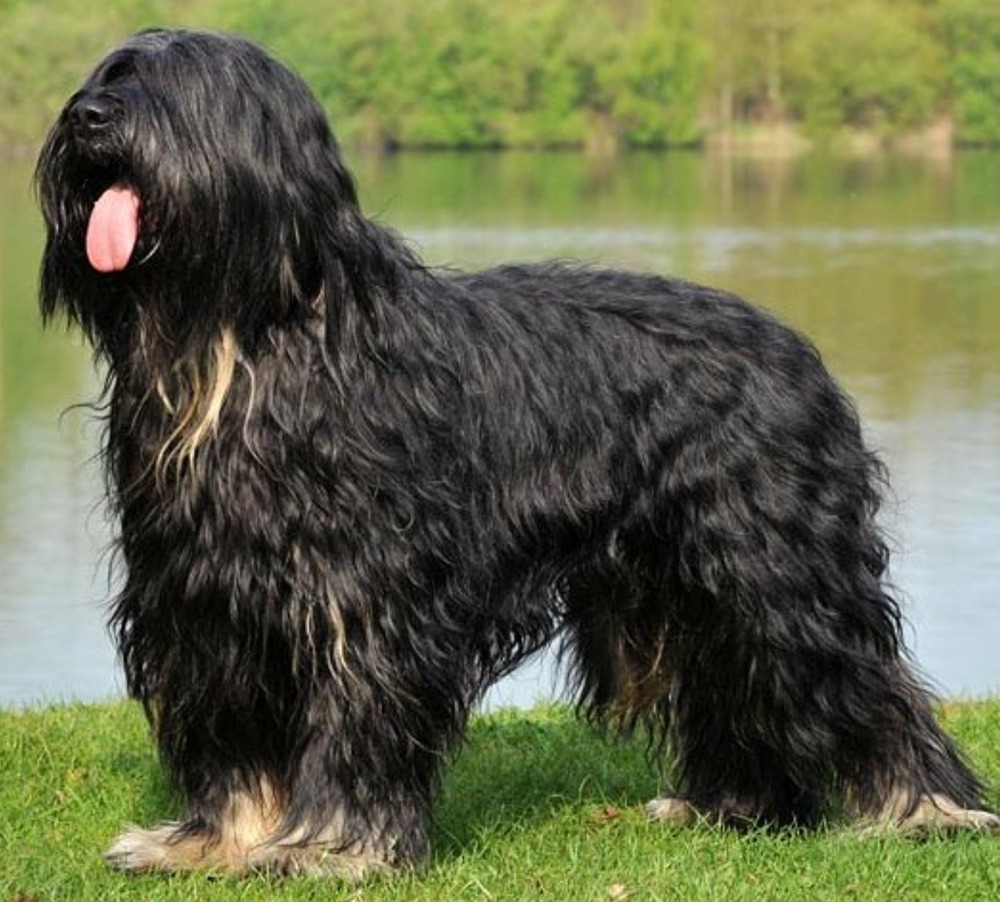
A Portuguese Sheepdog generally needs daily exercise and daily thinking time. Herding dog types are often intelligent and trainable, but they can become unsettled without sufficient physical and mental stimulation.4
“Exercise” is not just distance. For many dogs of this type, a long, slow walk on lead is helpful but not fully satisfying on its own. You will often get better results by mixing:
- free movement in a safe area
- sniff-based games and food puzzles
- obedience skills in new places
- sports such as agility, rally, or herding-style activities (where available)
It also helps to match your expectations to your living situation. Larger dogs generally need more space and management, and all dogs need secure containment, but high-drive types often need planned outlets rather than just a yard.4
Health considerations and lifespan
For any purebred dog, health is best approached with a mix of breed awareness and individual assessment. Some sources mention issues such as hip dysplasia and eye conditions in Portuguese Sheepdogs, but hard, consistent population-level data is limited compared with more common breeds.
The practical approach is to choose breeders who can show relevant health testing, prioritise sound structure and temperament, and maintain a relationship with a vet who can track mobility, vision, and general wellbeing over time.
Lifespan figures often sit around the low-to-mid teens for medium-sized herding breeds, but individual outcomes vary with genetics, body condition, dental health, and day-to-day management.
Grooming and coat care, without overcomplicating it

The coat is a defining feature, and it can be surprisingly practical when maintained. The standard describes a long coat with a goat-like texture and no undercoat, which often changes how the coat behaves compared with double-coated herding breeds.2
In real homes, the main risks are matting and hidden debris. A steady routine is kinder than occasional “big grooms” that become uncomfortable for the dog.
- Brush and comb through a few times a week, focusing on friction areas (behind ears, armpits, groin, and under collar or harness).
- Keep hair clear around eyes and mouth so the dog can see and eat comfortably.
- Check ears regularly, especially after swimming or damp weather.
If grooming feels like a battle, step back and train for it. Many dogs cope far better when brushing is taught as a calm, predictable handling routine rather than something that happens only when tangles are already painful.
Feeding and keeping a healthy body condition
There is no single “best” diet for this breed, but the principles stay consistent: a complete and balanced diet, appropriate portions, and adjustments based on age, season, and workload.
Herding dogs can look “fine” even when they are carrying extra weight because they often remain active. Keeping an eye on body condition, not just the number on the scales, is one of the simplest ways to protect joints and stamina long term.
Dental care is part of maintenance, not a luxury

Dental disease is common in dogs, and home care makes a meaningful difference. Many veterinary sources and guidance note that daily brushing is best, and even a few times a week can help if daily is not realistic.5, 6
It is also worth planning for professional dental checks as part of routine vet care, since plaque and disease can build under the gumline where brushes cannot reach.6
Is a Portuguese Sheepdog right for you?
This breed tends to suit people who genuinely enjoy training and daily engagement, and who like living with a dog that notices everything. They can be wonderful companions for active households, particularly where someone is home enough to provide structure and outlets.
If you are hoping for a low-key dog that will be content with short walks and a quiet backyard, it may be kinder to choose a different breed or an adult dog with a known temperament. On the other hand, if you are drawn to a clever, agile herder with a distinctive coat and a thoughtful, watchful presence, the Portuguese Sheepdog can be a quietly rewarding match.
References
- Fédération Cynologique Internationale (FCI): Cão da Serra de Aires (Portuguese Sheepdog) breed listing
- United Kennel Club (UKC): Portuguese Sheepdog breed standard
- American Kennel Club (AKC): Foundation Stock Service breeds in performance events (includes Portuguese Sheepdog)
- RSPCA Pet Insurance Australia: Considerations when choosing a dog (exercise, living conditions, grooming)
- AKC: Dental treats safety and brushing frequency guidance
- AKC: How to brush your dog’s teeth and why it matters
- AKC: Foundation Stock Service overview
- Wikipedia: Portuguese Sheepdog overview (background and naming)