

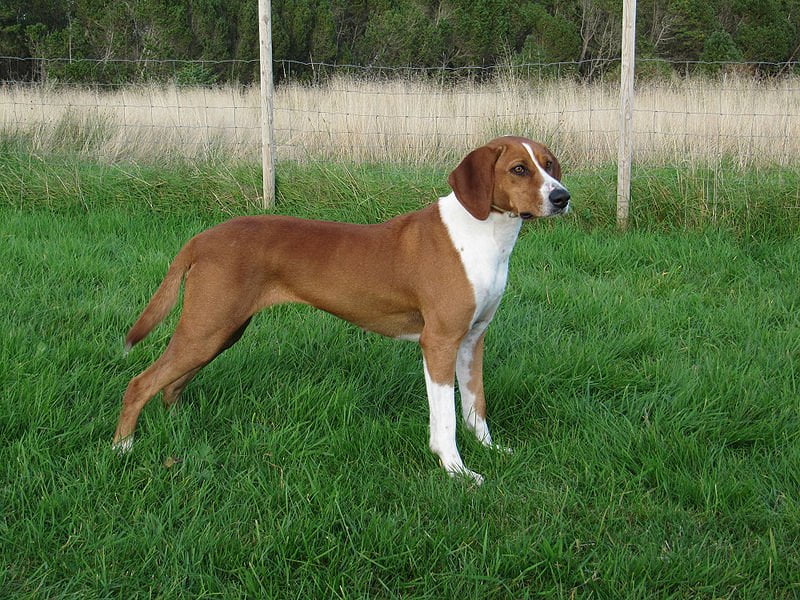
You might come across the Posavac Hound after noticing a red, short-coated hound with a calm face and a very switched-on nose, or after hearing someone describe a dog that can follow a scent line for ages without losing interest. For many people, the first question is simple: is this the sort of hound that fits into everyday family life, or is it strictly a working dog?
It helps to let go of a common assumption about scent hounds, that they are either “all hunt” or “all couch”. In practice, they can be both, depending on what you give them day to day. With the Posavac Hound, the key is recognising that their nose drives their choices. When that need is met through training, enrichment, and proper exercise, they tend to settle more easily at home.
For anyone considering the breed, or already living with one, the practical question becomes: can you offer space, structure, and time, not perfection, just a steady rhythm that suits a dog bred to track?
- Breed category: Hound (scent hound)
- Country of origin: Croatia
- Typical height: Males 46 to 58 cm, females 44 to 56 cm
- Typical weight: Males 20 to 25 kg, females 18 to 23 kg
- Average life span: 12 to 14 years
- Coat: Short and dense, red or wheaten (often with white markings)
- Shedding: Moderate
- Exercise needs: High, daily movement plus sniffing work
- Grooming: Low, occasional brushing
- Common health watch-outs: Hip dysplasia, ear issues
History and origin
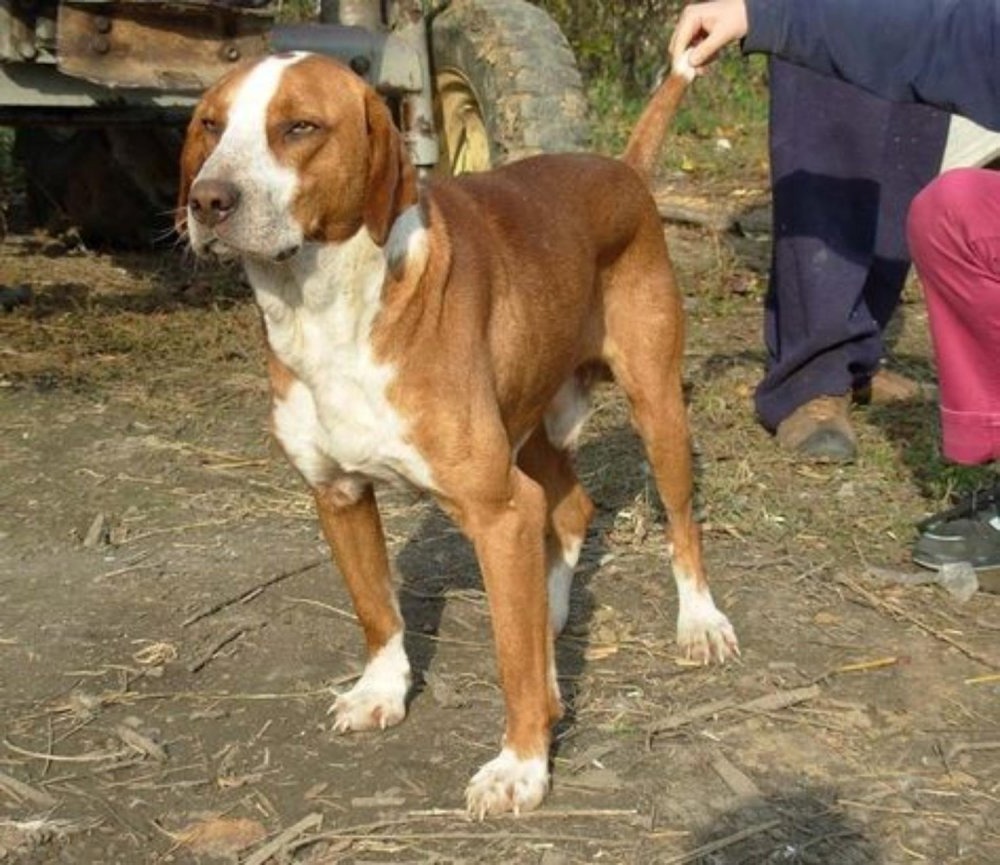
The Posavac Hound (also listed under the Croatian name posavski gonič) is a medium-sized scent hound developed in Croatia, traditionally used for hunting and tracking in the Sava River valley region. The breed is recognised by the Federation Cynologique Internationale (FCI) as a scenthound, and it was accepted on a definitive basis in 1955.1
When people describe the Posavac Hound as “made for the field”, they are usually pointing to two things: stamina over long distances and a steady focus on scent. In working contexts, that matters because the dog’s job is to keep going through thick vegetation and variable terrain, staying on task even when the trail is faint.
Modern owners do not need to hunt, of course, but the heritage still shows up in daily life. A Posavac Hound is often happiest when walks include time to sniff, investigate, and problem-solve, rather than moving briskly from A to B.
Physical characteristics
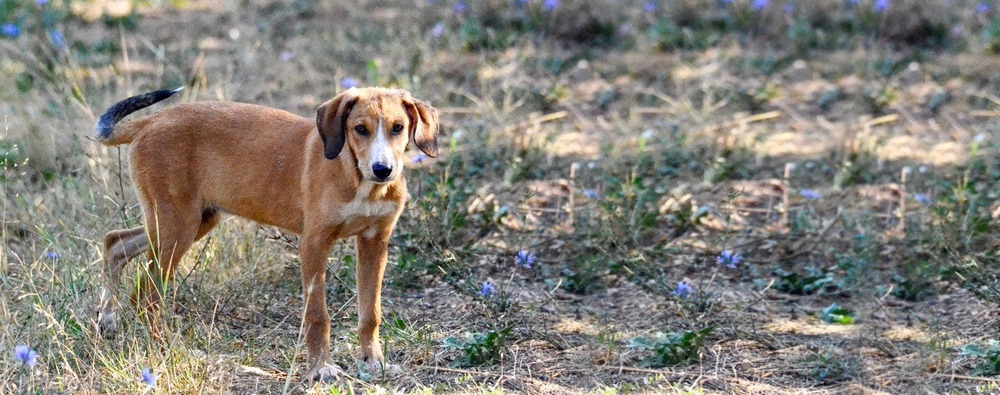
The Posavac Hound is a solid, athletic, medium-sized dog with drop ears and a functional build. Breed descriptions commonly note a short, close coat in reddish wheaten tones, often with white markings, plus an overall outline designed for endurance rather than sprinting.1, 2
Those long, close-hanging ears are more than decoration. They are typical of many scent hounds, and while different sources explain the mechanics in different ways, the practical reality is that ears, skin folds, and a dog’s habit of pushing through grass and scrub can make ear care worth taking seriously, especially in warmer or wetter conditions.5
Temperament and behaviour
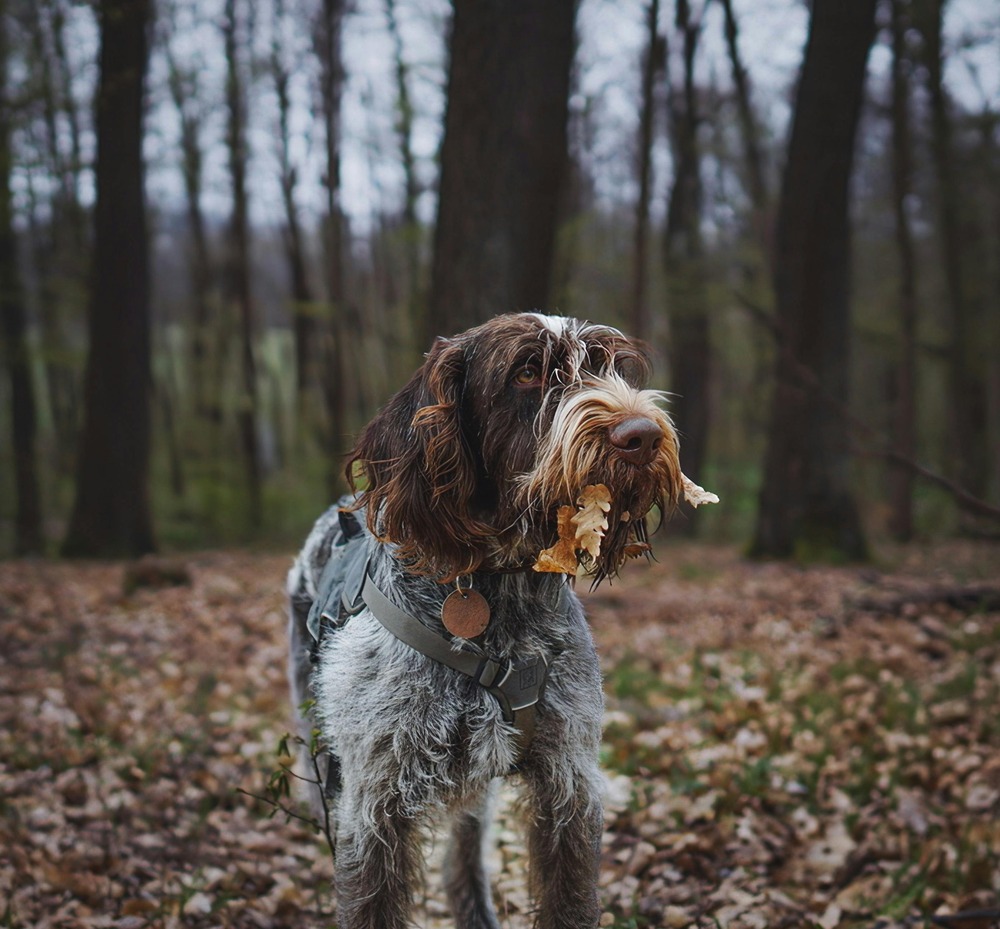
In the home, many Posavac Hounds come across as friendly and people-oriented, with a willingness to engage and a noticeable interest in the world around them. Their intelligence often shows up as quick learning, but it can also show up as selective attention when an interesting scent takes priority.
It is useful to think of this as a sensory-driven breed, not a stubborn one. If the environment is full of smells, the dog’s brain is busy processing them. That is part of what makes scent hounds so capable at their original work, and why training can feel different to living with a breed that is more visually focused.
With children and other pets, outcomes are usually less about the breed label and more about individual dog temperament, early socialisation, and supervision. Because the Posavac Hound is a hunting and tracking breed, it is sensible to be cautious around smaller animals until you have seen how your dog behaves and you have reliable training in place.
Training and exercise needs
Early training matters with any dog, but it is particularly helpful for a scent hound because it gives you a shared language before adolescent energy and curiosity peak. Aim for calm, consistent repetition, and set up the environment so the dog can succeed.
Reward-based training is widely recommended for dogs, and it tends to suit Posavac Hounds well. Think food rewards, praise, and play, with a focus on building habits you will rely on later, such as recall foundations, loose-lead walking, and calm behaviour at doors and gates.3
If you want a practical way to meet both mind and body needs, include sniffing work on purpose. Many owners find it helps to rotate activities such as:
- Long-line scent walks in safe areas
- Scatter-feeding in grass (where appropriate)
- Simple “find it” games at home
- Beginner tracking or scent sports, if available locally
Because this is a breed with high exercise needs, apartment living can be challenging unless you are genuinely committed to daily outdoor time. A yard helps, but it rarely replaces the value of varied walks and enrichment.
Health and lifespan
A typical life expectancy is often given as around 12 to 14 years, though individuals vary. Like many medium-sized, active breeds, it is sensible to watch for joint concerns such as hip dysplasia, and to manage weight carefully, since extra kilograms can add stress to joints over time.4
Ear problems are also worth keeping on your radar. Dogs with drop ears can be more prone to ear infections, particularly if ears stay damp after swimming or bathing, or if there is underlying allergy or skin disease. If you notice head shaking, odour, redness, discharge, or sensitivity around the ears, it is best to book a vet visit rather than trying to clean aggressively at home.5
- Keep your dog at a lean, fit body condition, and ask your vet to show you what that looks like on your individual dog.4
- Discuss age-appropriate exercise, especially for puppies and adolescents whose joints are still developing.
- Check ears regularly, and follow veterinary guidance on if and when cleaning is needed.5
- Keep up with routine preventative care (vaccination, parasite control, dental checks) based on your local veterinary advice.
Grooming and maintenance
The Posavac Hound’s coat is usually straightforward: short, dense, and not prone to heavy matting. A weekly brush is often enough to remove loose hair and dirt, and it gives you a good chance to look over the skin for scratches, ticks (depending on your region), or irritation.
Shedding is commonly described as moderate. In seasonal shedding periods, brushing a little more often can help, but the bigger wins tend to come from a consistent routine rather than fancy tools. Keep it simple, and focus on what your dog tolerates comfortably.
Beyond the coat, practical maintenance often comes down to three areas: nails, ears, and teeth. Nail length affects movement and grip, ear checks catch problems early, and dental care supports long-term health.
Diet and nutrition
For an active, medium-sized hound, the goal is not a trendy formula, it is a diet that keeps your dog in good condition with steady energy and a healthy appetite. Most owners do well with a complete and balanced commercial diet that suits the dog’s life stage, plus careful portion control.
If you use human foods as treats, it helps to know the risks. Some foods are clearly toxic to dogs, including chocolate, grapes and raisins, and allium vegetables such as onion and garlic. Xylitol, found in some sugar-free products, is another major hazard.6, 7
Two meals a day suits many adult dogs, while puppies often need smaller, more frequent meals. If your Posavac Hound is doing a lot of running, training, or scent work, check weight regularly and adjust portions rather than simply adding more food “just in case”. If you are unsure, your vet can help you set a realistic target weight and daily intake.
Living with a Posavac Hound day to day
What tends to make this breed work well in a home is not a particular trick or training gadget. It is a household that expects a hound to behave like a hound: interested in scents, motivated by exploration, and keen to be involved.
If you meet those needs, you often get a companion who is loyal, capable, and pleasant to live with. If you do not, the same traits can show up as wandering attention on walks, frustration, and “busy” behaviour at home. The difference is usually structure and opportunity, not the dog being “good” or “bad”.
In practical terms, a good match often looks like an owner who can offer daily exercise plus sniffing time, secure fencing, and patient training that prioritises reliability over speed.
References
- Federation Cynologique Internationale (FCI): Posavat(z) Hound (No. 154)
- Wikipedia: Posavac Hound (overview and links to breed standards)
- RSPCA Knowledgebase: Effective methods of training dogs
- Australian Veterinary Association (AVA): Obesity in dogs and cats
- Merck Veterinary Manual: Ear infections and ear mites in dogs
- ASPCA Animal Poison Control: People foods to avoid feeding pets
- RSPCA Pet Insurance Australia: Foods to avoid feeding your dog
- The Kennel Club (UK): Poisonous food for dogs