

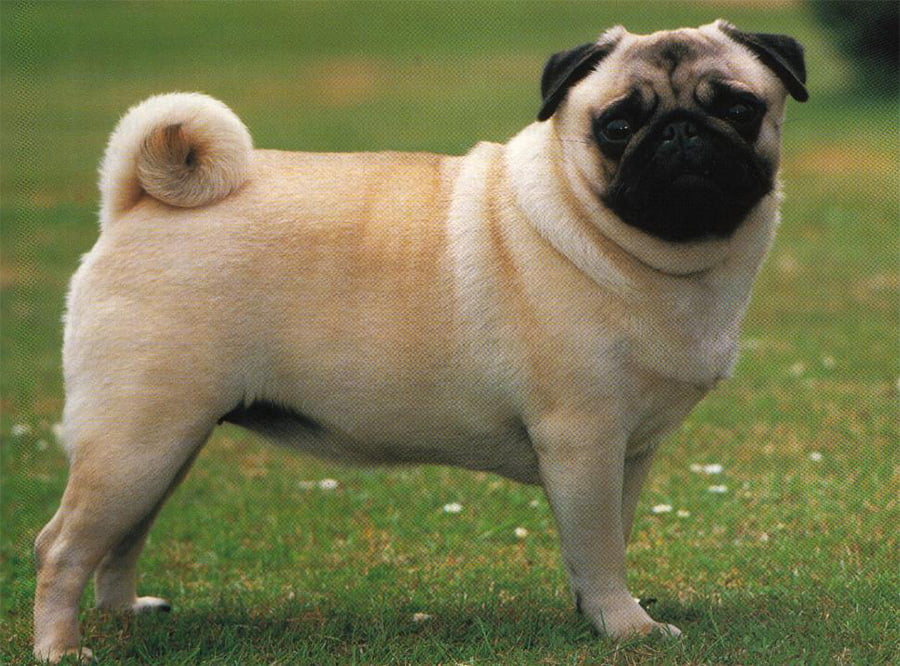
Most people do not set out looking for a “pug breed guide”. They get there because they have met one. A little dog who seems perfectly at home on a couch or in a café, who makes a surprising amount of noise for their size, and whose face looks like it has been carefully folded into place.
It is easy to assume pugs are low-effort dogs because they are small and not especially athletic. In practice, they are often more like high-contact companions with some very specific physical needs. The biggest difference is this: with a pug, what looks “normal for the breed” (snuffling, snoring, squinting, getting hot quickly) is not always something to shrug off.
When you understand how a pug is put together, the care starts to make more sense. Their charm is real, and so are the trade-offs, especially around breathing, heat, and weight.
At a glance: what a pug is like to live with
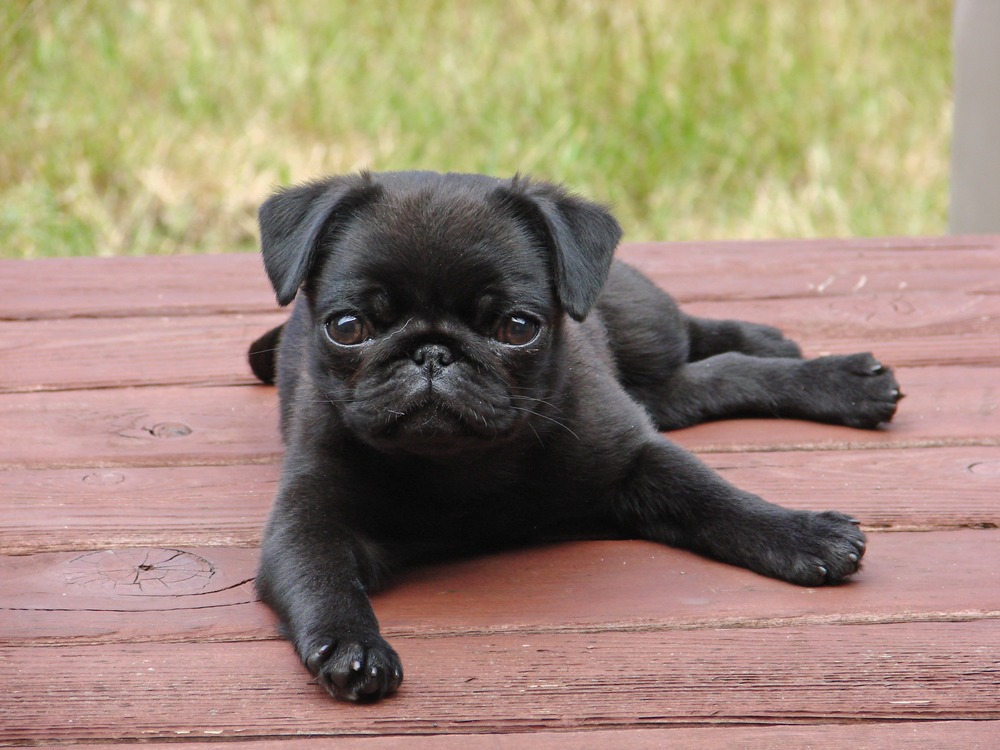
Pugs are a toy breed originally developed as companion dogs, known for being people-focused and adaptable in smaller homes.1, 2 They tend to enjoy routine, close contact, and short bursts of play followed by serious rest. Many are sociable with visitors and other pets when introduced thoughtfully, but they can also be surprisingly stubborn about doing things on their own timetable.
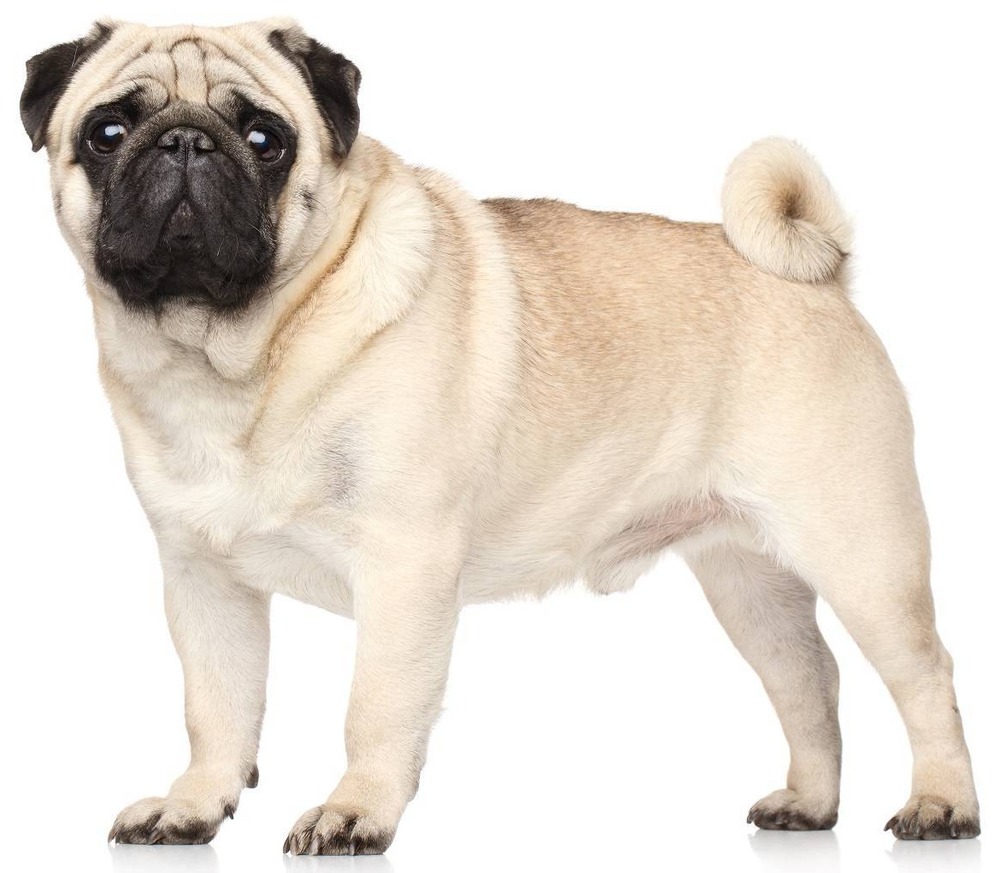
Typical size for an adult pug is around 6.3 to 8.1 kg, with a compact, “cobby” build and a short, smooth coat.2, 3 That coat sheds more than many people expect, and the facial wrinkles that make them so recognisable also create small, warm skin folds that need regular attention.
- Best suited to people who want a companion-first dog
- Exercise style short walks and gentle play, not long runs
- Key watch-outs breathing effort, heat tolerance, and weight gain
Where pugs come from, and why it still matters
Pugs have deep historical roots, with origins in China and a long association with court life as lap-sized companions rather than working dogs.1 They later became popular in Europe from the 1500s onwards, particularly in the Netherlands and beyond, as trade and fashion carried them into aristocratic households.1
Stories about famous pugs can be fun, but they are not always as tidy as the retellings. For example, a well-known legend links a dog called Pompey with William of Orange, yet sources disagree on whether Pompey was a pug or another type of dog.4 What is consistent is that pugs were prized as close companions, and that “a lot of dog in a small space” idea has followed them through history and into modern homes.3
That companion history matters because it helps explain their temperament. Pugs tend to be oriented toward people, indoor life, and comfort. They usually do best when they are included in day-to-day routines rather than treated as backyard dogs.
Temperament, family life, and realistic expectations
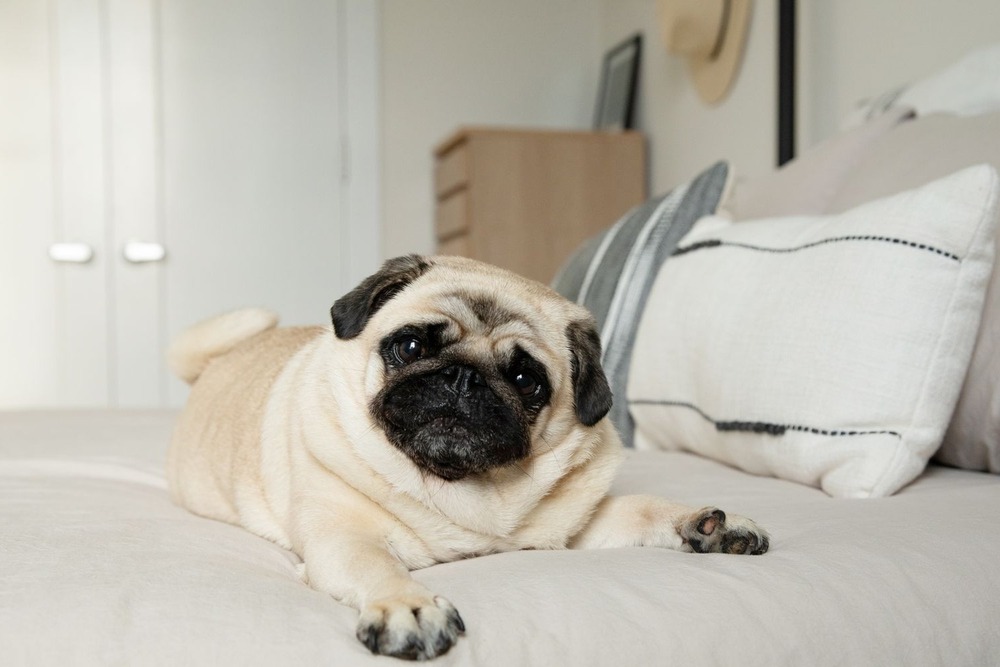
Well-bred, well-socialised pugs are often steady little dogs, affectionate, curious, and keen to be near their people. Many families love them because they are small, friendly with visitors, and happy to potter along with household life rather than needing constant adventures.
Still, it helps to drop the myth that pugs are “easy” in every way. They can be sensitive to handling when uncomfortable (especially around eyes, ears, or sore skin folds), and they may not cope well with rough play from very young children unless adults supervise and teach gentle interactions.
With other dogs, pugs are often sociable, but some can be overwhelmed by very boisterous play. Choose calmer dog friends, and keep greetings brief at first. Their breathing and heat tolerance can limit how long they can comfortably keep up.
Training and exercise that respects a pug body
Pugs can learn quickly, but their motivation is often practical: food, attention, and comfort. That is not a flaw. It just means training works best when it is consistent, short, and genuinely rewarding.
Keep sessions brief, finish on a win, and avoid drilling commands when they are tired or over-heated. If your pug “switches off”, it is often fatigue, frustration, or discomfort rather than a deliberate refusal.
For exercise, think in terms of frequent, gentle movement instead of distance goals. A couple of short walks plus a few minutes of indoor play can be plenty. In warmer weather, choose early mornings or evenings, carry water, and watch for signs of overheating or breathing struggle.5
Using a harness rather than a collar is often recommended for flat-faced breeds to reduce pressure on the airway.6
Breathing, heat, and BOAS: the most important health conversation
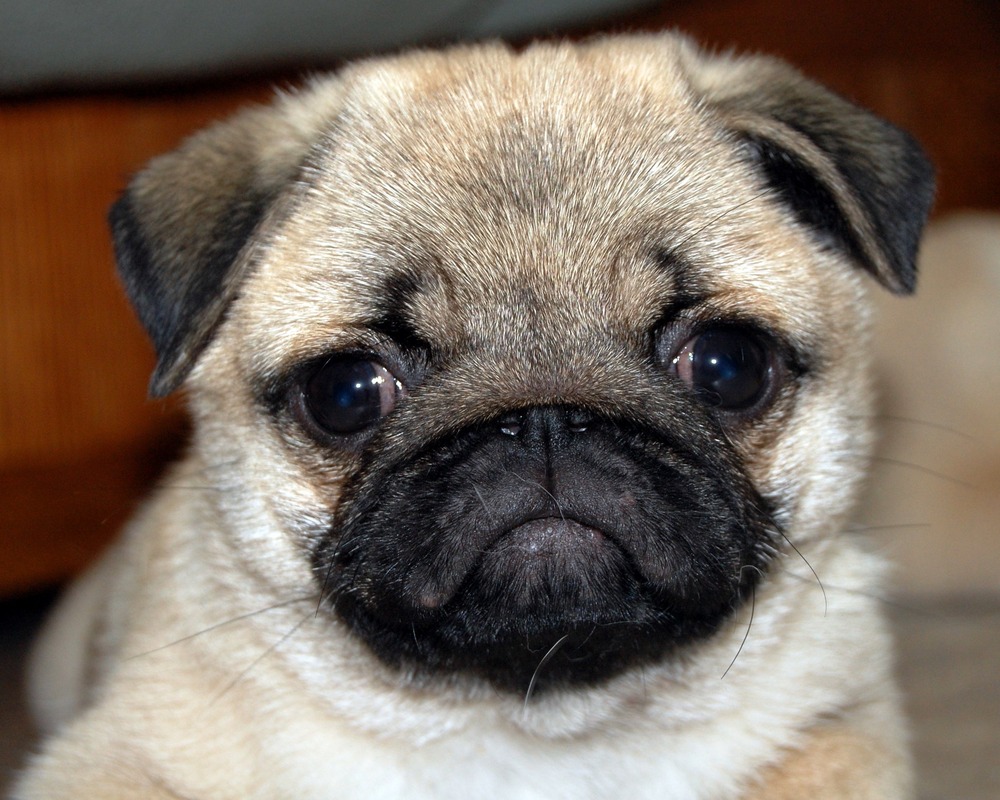
Most pug health discussions eventually come back to the airway. Pugs are brachycephalic, meaning they have a shortened skull shape. In many individuals, the soft tissues of the upper airway do not “shrink” to match the shorter bones, so breathing can be partially obstructed. This is commonly described as brachycephalic obstructive airway syndrome (BOAS).6, 7
Snorting and snoring are often normalised, but it is more helpful to look at effort and recovery. A pug who struggles to settle after mild activity, overheats quickly, coughs or gags when excited, or seems exercise-intolerant may need a veterinary assessment for airway issues.6, 7
Heat is the other side of the same coin. Dogs cool themselves mainly through panting. If airflow is restricted, cooling is less efficient, and heat stress can develop faster, even when conditions do not seem extreme to a human.5, 6
If you see heavy panting that does not ease, bright red gums, weakness, vomiting, or collapse, treat it as urgent. Move your dog to a cooler area, offer small amounts of water if they can drink, and contact a vet promptly.5
Eyes, skin folds, ears, and the quiet maintenance jobs
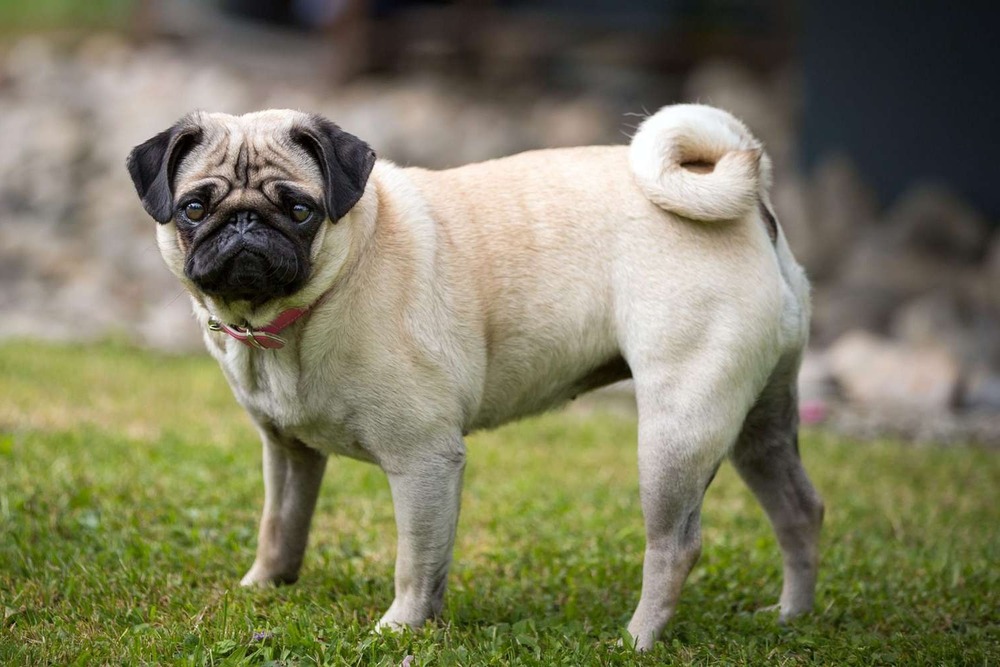
Pug eyes are prominent, which is part of their look, but it can also mean they are more prone to injury and some eye problems. Squinting, excessive tearing, rubbing at the face, or a cloudy-looking eye warrants a prompt vet check.7
The facial wrinkles need simple, regular hygiene. The goal is not to scrub but to keep folds clean and dry so yeast and bacteria have fewer chances to flare up. If you notice redness, odour, or soreness, stop home treatments and ask your vet what is safe for your particular dog, because irritated skin can worsen quickly.
Ears can also be a recurring issue in some flat-faced breeds, especially if there is underlying skin sensitivity. Head shaking, scratching, or a strong smell are good reasons to book an appointment rather than trying random cleaners.7
Feeding and weight: the health lever you can actually control
Many pug owners discover, sooner or later, that their dog would happily eat like a Labrador. Extra weight matters for any dog, but for a pug it can be especially important because added fat around the chest and neck can make breathing and heat tolerance worse.7
A practical approach is to use body condition, not just the number on the scales. You should be able to feel ribs under a light layer of tissue, and see a waist when viewed from above.8 If you are unsure, your vet can help you set a target weight and a realistic plan.
Treats are part of life, but it is worth setting one household rule and sticking to it. A common guideline is that treats should make up no more than 10 percent of daily calories, so the main diet stays nutritionally balanced.9
Choosing a pug responsibly

If you are buying a puppy, it is reasonable to ask breeders what they are doing to prioritise health, not just looks. For brachycephalic breeds, conversations about breathing function, heat tolerance, and veterinary checks are not overcautious. They are basic due diligence.7
Some welfare organisations have also raised concerns about exaggerated flat-faced features and the lifetime impact they can have, which is worth sitting with, even if you already love the breed.7
Adoption can be a good option too. Many pugs and pug-crosses end up needing homes when their care needs surprise people, particularly around heat management, medical costs, and ongoing skin and eye care.
Living well with a pug
A well-supported pug can be a wonderfully steady companion. They tend to be happiest close to their people, included in routines, and kept comfortable through the seasons.
The kindest way to think about pug care is not as “high maintenance” or “problem breed”, but as specific and observant. Keep them lean, avoid heat and over-exertion, clean what needs cleaning, and take breathing effort seriously. The rest is just enjoying the company of a small dog who, in many ways, was bred to be right beside you.3, 6
References
- Wikipedia: Pug
- The Royal Kennel Club: Pug breed standard
- Pug Dog Club of America: Official standard of the Pug
- Wikipedia: Pompey (dog)
- American Animal Hospital Association (AAHA): Heat safety warnings for veterinary teams and pet owners
- Cornell University College of Veterinary Medicine: Brachycephalic Obstructive Airway Syndrome (BOAS)
- RSPCA Australia Knowledgebase: What do I need to know about brachycephalic dogs?
- PetMD: Calculating your dog’s healthy weight (Body Condition Score)
- WSAVA: Global Nutrition Guidelines