

- Breed category: Herding
- Country of origin: Hungary
- Typical height: Males 41 to 46 cm, females 38 to 43 cm
- Typical weight: Males 13 to 16 kg, females 10 to 13 kg
- Typical lifespan: 12 to 16 years
- Coat type: Long, corded (or brushed out)
- Colours: Commonly black, grey, white
- Shedding level: Low (but the coat still needs work)
- Exercise needs: High, daily physical and mental activity
- Grooming needs: Moderate to high, cord care is a skill
- Temperament: Energetic, loyal, intelligent
- Training: Best with consistency and positive reinforcement
- Common health considerations: Hip dysplasia, some eye conditions
- Heat sensitivity: Can struggle in extreme heat
- Best suited for: Active households, people who enjoy ongoing coat care
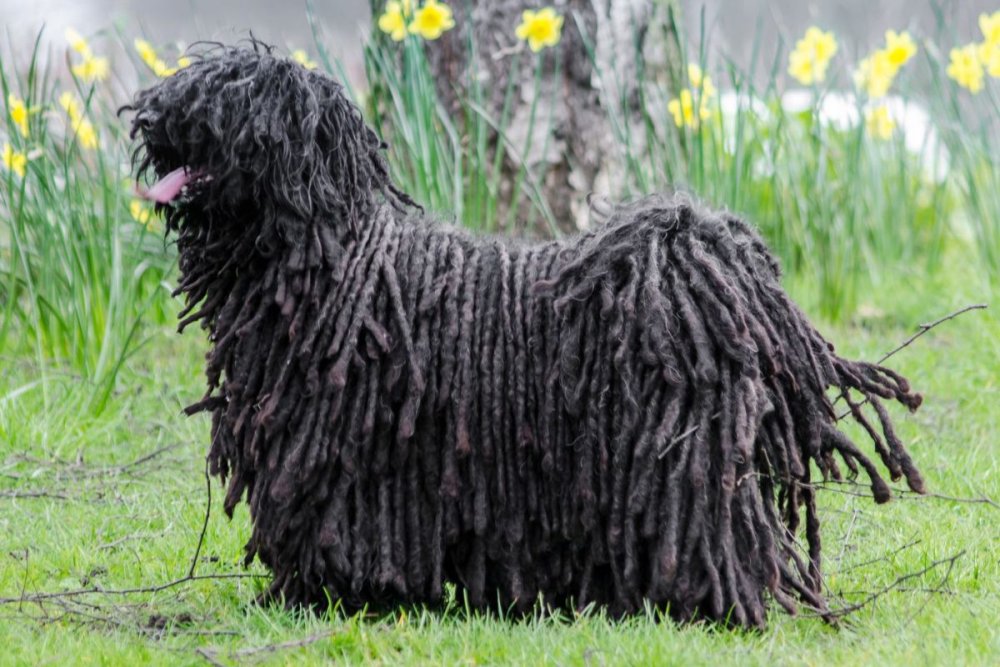
You might first notice a Puli as a moving bundle of cords, half dog and half mop, trotting along with surprising lightness. For some people it is love at first sight. For others, the questions come immediately: is that coat practical, does it smell, does it overheat, and what does day-to-day care actually look like?
The Puli has a reputation for being low-shedding, clever, and devoted. All of that can be true, but it is also a breed shaped by work, bred to make quick decisions around livestock and to stay engaged for long stretches. In a modern home, that same wiring can show up as busyness, watchfulness, and a need for both exercise and direction.
If you are considering a Puli, it helps to think less about the iconic silhouette and more about the rhythms of life with a smart herding dog whose coat is a commitment. When it fits, it can be deeply satisfying. When it does not, the friction tends to show up in the coat, the barking, or the dog that cannot quite settle.
Where the Puli comes from, and why it matters
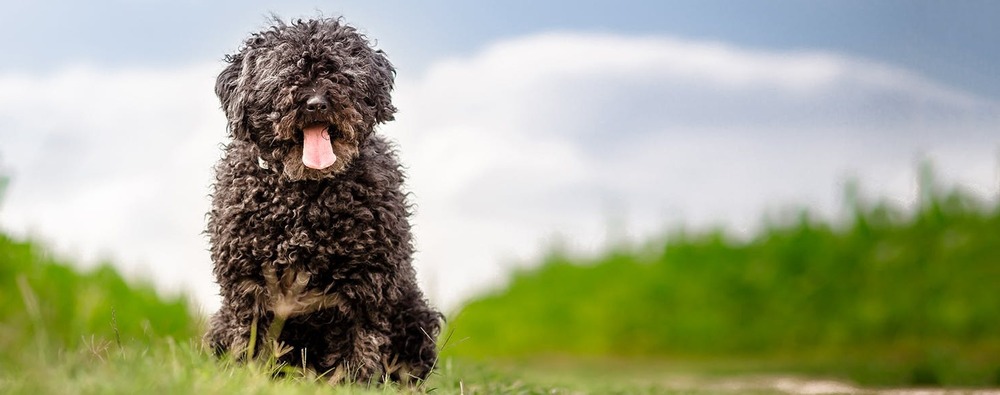
The Puli is a Hungarian herding breed, developed to move stock efficiently and cope with outdoor conditions. That history is not just a trivia point. It explains the breed’s high energy, its tendency to notice everything, and the way many Pulik prefer to be involved in whatever is happening at home, rather than lounging at the edges.
In Australia, Dogs Australia publishes a breed standard that describes a sturdy, squarely built dog, well covered in a long corded coat, with an emphasis on soundness and fitness for function.1 In practice, a well-bred Puli should look and move like a dog that could work all day, even if your own Puli’s biggest job is supervising the school run.
The coat: cords are not “set and forget”
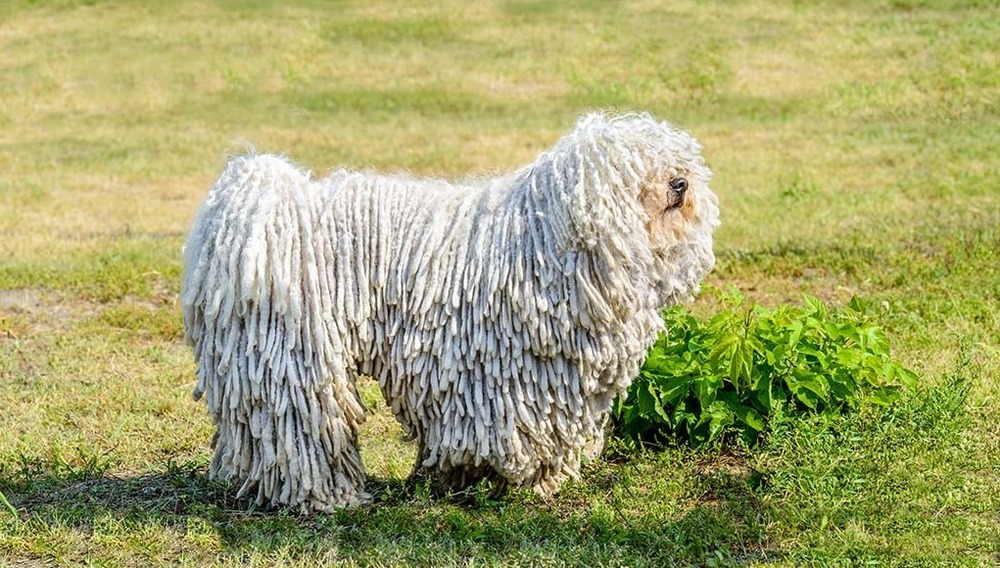
The corded coat is the feature everyone asks about, and it is also the part most likely to surprise new owners. A Puli has a double coat, and the cords form from the combination of soft undercoat and coarser outer coat as the dog matures.2 Puppies do not start out with neat cords. The coat tends to clump as it changes, and those clumps need to be separated by hand so they develop into distinct cords rather than one dense mass.3
Some owners keep the coat corded, others choose to brush it out, and some clip the coat shorter for practicality. The breed standard allows corded or brushed presentation, and working practicality has always played a part in coat choices.2, 4 There is not one “morally correct” coat style, but there is a practical truth: whichever path you choose, maintenance is non-negotiable.
What good coat care looks like at home
With a corded coat, you are usually doing small, regular sessions rather than occasional marathon grooms. The goal is to keep cords separated, check skin you cannot easily see, and make sure the coat can dry properly after baths or wet weather.
- Separate cords by hand as they form, especially through adolescence, so mats do not fuse together.3, 4
- After bathing, squeeze water out of cords and allow plenty of drying time, because a mature corded coat can hold moisture.3
- Do regular “under the coat” checks for burrs, grass seeds, irritation, and parasites, particularly if your dog spends time in long grass.
- Keep nails, ears, and teeth in the routine, because these basics are easy to overlook under all that hair.4
Temperament: bright, watchful, and easily bored
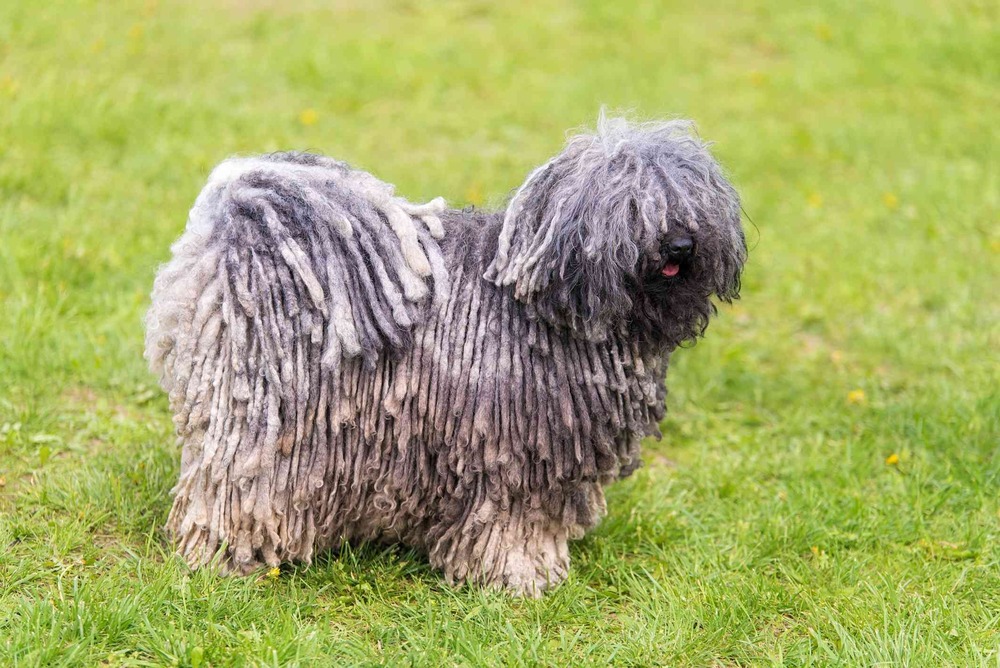
Pulik are often described as intelligent and lively, and that usually reads as a dog that learns patterns quickly. They can become excellent little problem-solvers, which is delightful when you are training, and less delightful when they decide the gate latch is a puzzle worth solving.
Breed clubs commonly note that Pulik can be devoted to their people and wary of strangers, which can translate into natural watchdog behaviour at home.4 That watchfulness is not “bad behaviour” by default. It simply needs shaping, so the dog learns when to stop and how to settle once the moment has passed.
With children and other animals, many Pulik do well, especially when they are thoughtfully socialised and given clear boundaries. As with many herding breeds, it is worth watching for chasing, circling, or nipping in high-energy play, not because the dog is being “naughty”, but because movement can switch the herding brain on.
Training and exercise: give the brain a job
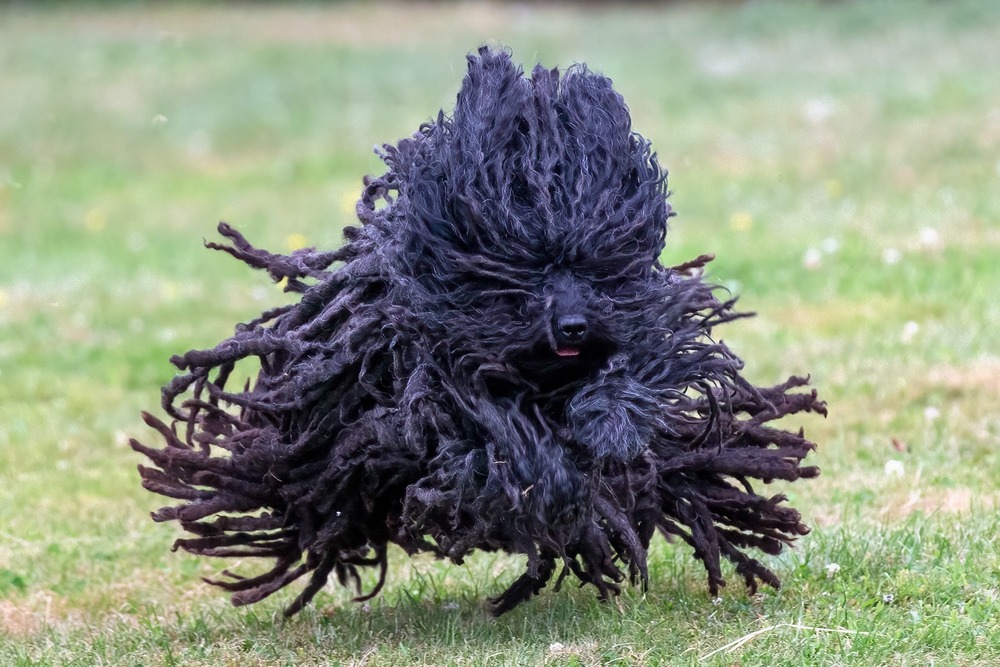
The Puli is rarely happy with exercise alone. A long walk helps, but many Pulik also need mental work: training games, scent work, puzzle feeders, and activities that involve you. When people say a Puli “needs a job”, what they often mean is the dog needs a daily outlet for decision-making and focus.
For training, positive reinforcement and consistency tend to suit the breed well. Keep sessions short enough that the dog stays engaged, and use real life moments as practice: calm greetings at the door, a steady recall away from distractions, and learning to relax on a mat while the household carries on.
Signs your Puli needs more than a walk
- They patrol the house and bark at every sound, even after you have checked.
- They look for trouble, like stealing washing, digging, or dismantling toys.
- They struggle to settle indoors, especially in the evening.
These patterns often improve when the dog gets a bit more structure. Not harsher rules, just clearer routines, calm repetition, and activities that make sense to an active herding breed.
Health considerations and sensible prevention
Pulik are generally considered robust, but like many medium breeds they can be affected by hip dysplasia. Some veterinary sources and breed guidance also flag the importance of screening breeding stock and asking for relevant documentation when you are purchasing a puppy.5
Eye conditions can occur in the breed, and this is another area where responsible breeding and regular veterinary care matter. If you are choosing a breeder, look for someone who can talk plainly about what they test for, why they test, and what results mean in everyday terms.
At home, prevention is usually boring in the best way: maintaining a healthy weight, keeping fitness steady, and building grooming and handling habits early so your dog can be checked properly over their lifetime.
Heat, exercise timing, and the corded coat
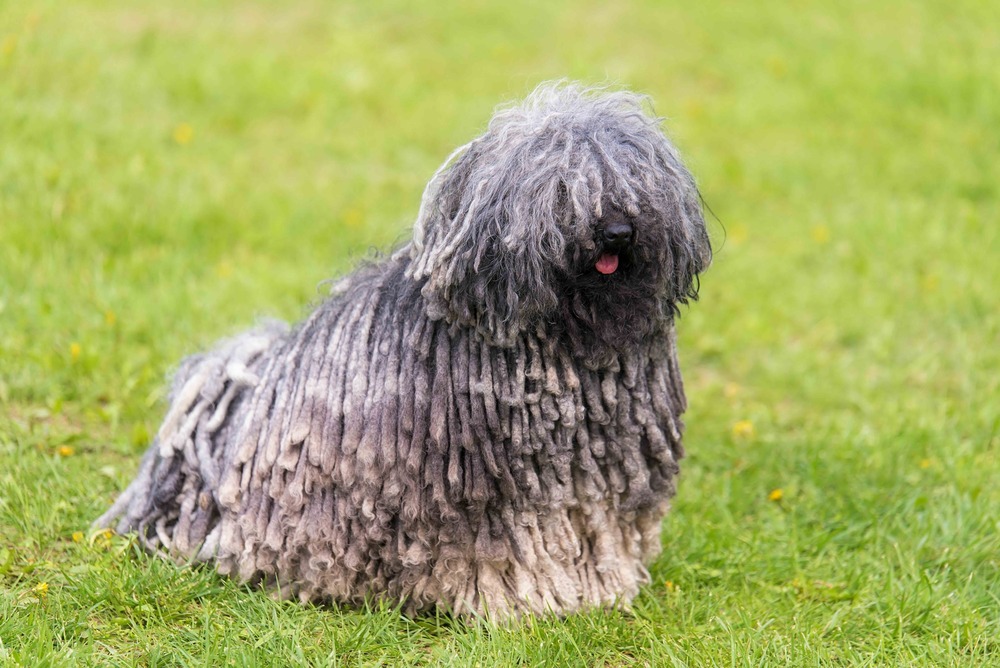
A Puli’s coat can be protective in rough weather, but in hot conditions you still need to be cautious. Thick or long coats, obesity, and over-exercise are all recognised risk factors for heat stress in dogs.6 A corded coat also takes longer to wet through and longer to dry, which matters if owners try to cool dogs down by soaking them without considering airflow and drying.
In Australian summers, the practical approach is simple: walk early or late, provide shade and water, and use the “hand on pavement” test before heading across hot surfaces. If you suspect heatstroke, start cooling with tepid or cool water and airflow, avoid ice-cold water, and seek veterinary help promptly.6, 7
Food, body condition, and not overfeeding a clever dog
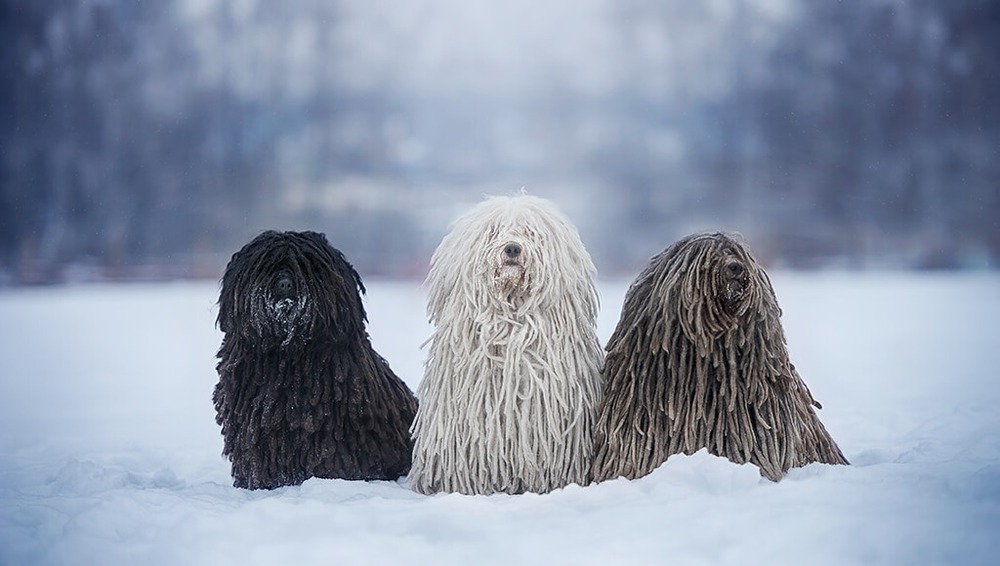
Pulik are often food-motivated, which is handy for training, but it also makes it easy to drift into overfeeding. Instead of fixating on a particular brand or trend, the more reliable marker is body condition: can you feel ribs with light pressure, does the dog have a visible waist, and are you adjusting intake as activity changes?
The World Small Animal Veterinary Association (WSAVA) provides body condition scoring resources used widely in veterinary practice, and they are a helpful way to make feeding decisions less guessy and more observable.8 If your Puli is gaining weight despite “not eating much”, it is worth measuring meals for a week and reviewing treats, chews, and table scraps. Small extras add up fast in a medium dog.
Living with a Puli in an ordinary home
Pulik can live in smaller spaces if their exercise and enrichment needs are met, but they tend to do best when life includes regular movement, some training, and a bit of variety. The corded coat adds a layer of planning: wet-weather management, drying time after baths, and the reality that your dog may bring home leaves and twigs like souvenirs.5
If you enjoy hands-on care, and you like a dog that pays attention, a Puli can be a wonderful companion. If you want a dog that blends quietly into the background, or you are already stretched for time, it may be kinder to admire the cords from a distance.
References
- Dogs Australia (ANKC): Puli breed standard
- Puli Club of America: AKC breed standard (coat and structure)
- PetMD: Puli breed profile and corded coat care overview
- Puli Club of America: Puli overview (temperament, grooming, history)
- VCA Animal Hospitals: Puli care, grooming, and health concerns
- RSPCA Australia: Warm weather worries, protecting pets from heatstroke
- RSPCA Pet Insurance (Australia): Heatstroke guide for cats and dogs
- WSAVA: Global Nutrition Guidelines and body condition score resources