

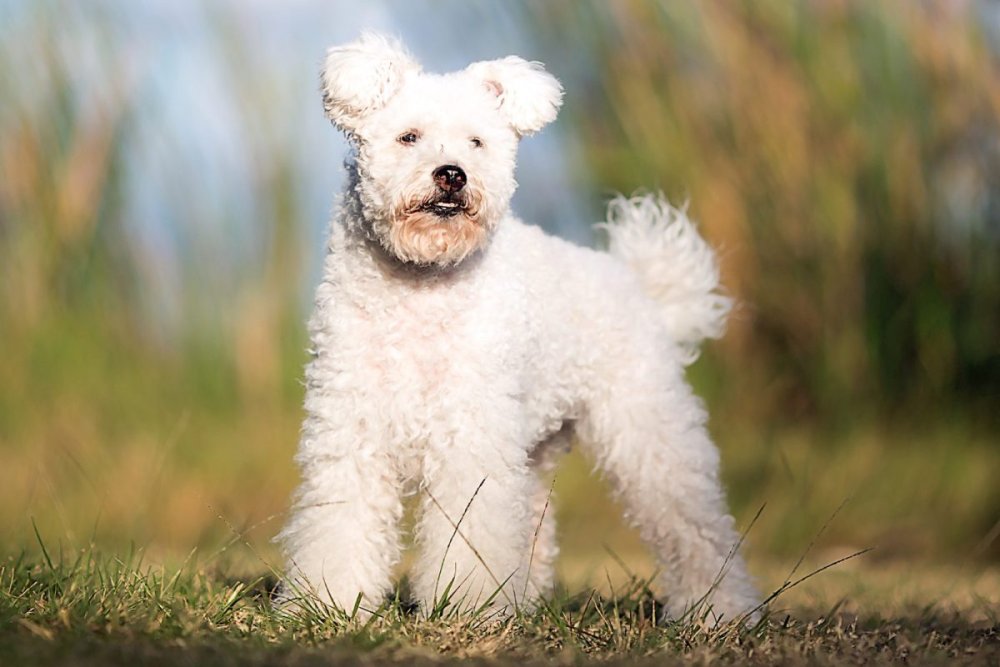
People often come across the Pumi the same way: a photo of a curly-coated, sharp-eared dog that looks a bit like a terrier, a bit like a sheepdog, and somehow like neither. Then you meet one in real life and notice the other half of the story, the quick head turns, the constant scanning, and the sense that this dog is always ready to do something.
It is tempting to assume the Pumi is simply “high energy” in the generic sense, and that a long walk will settle things. With many Pumis, what they really need is work for the brain as well as movement, plus a home that appreciates a dog bred to make decisions in motion.
When that match is right, the Pumi can be a joyful companion: bright, responsive, and surprisingly adaptable indoors. When the match is off, the same traits can turn into noise, fussiness, and self-appointed jobs that nobody asked for.
- Breed category: Herding (working dog)
- Country of origin: Hungary
- Typical height: About 38 to 47 cm at the withers (sex and standard dependent)1, 2
- Typical weight: Often around 8 to 15 kg (sex and build dependent)
- Typical lifespan: Around 12 to 14 years3
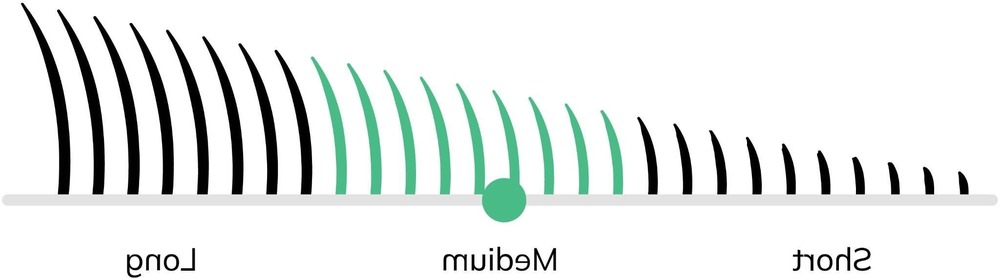
- Coat type: Wavy to curly, not corded1
- Grooming needs: Moderate, coat maintenance is part of life
- Exercise needs: High, daily physical activity plus training
- Common health considerations: Hip dysplasia, patellar luxation, and breed-specific eye and neurological screening may be recommended by breed clubs4
History and origin
The Pumi developed in Hungary as a practical farm and herding dog, shaped by everyday needs rather than fashion. Breed histories commonly describe it emerging in the 17th and 18th centuries, from local herding dogs (including the Puli) crossed with imported prick-eared, terrier-type dogs from Western Europe.1, 5
That mix helps explain why the Pumi can look like a small herding dog with terrier edges. The body is built for movement and stamina, while the expression and ear carriage can read as watchful and quick to react, which is useful when a dog is expected to shift stock, notice change, and respond immediately.
In Australia, the Pumi is recognised through the ANKC system (Dogs Australia), with the breed standard drawing from the international FCI standard. You will sometimes see the breed grouped differently across kennel bodies, which is normal when different organisations sort breeds by function and history in slightly different ways.5
What a Pumi looks like in real life
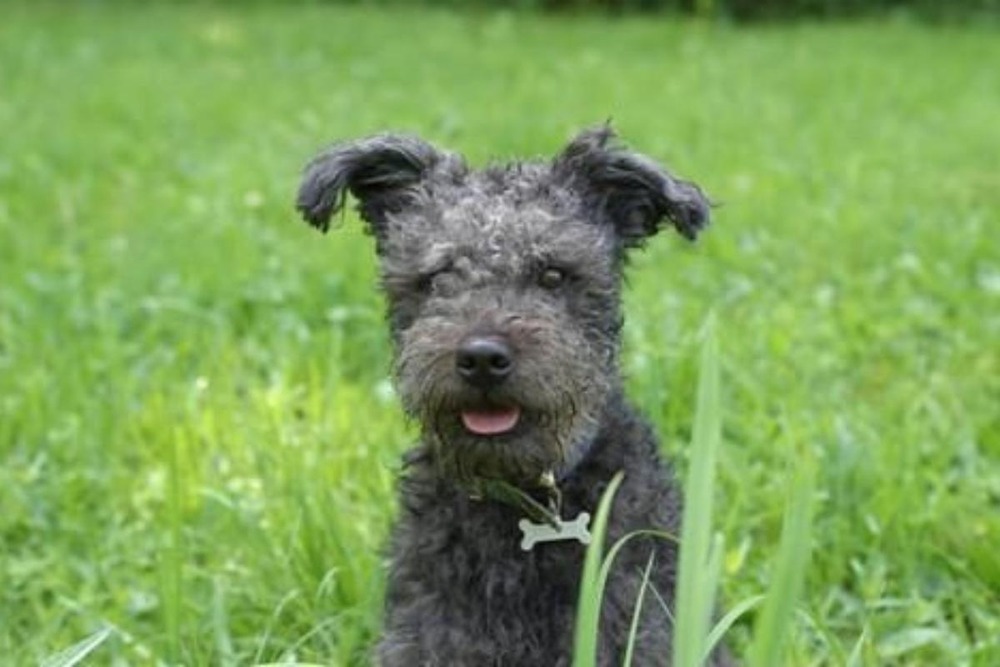
A Pumi is typically medium-small, squarely built, and light on its feet. The outline is often described as terrier-like, particularly the head and the semi-erect ears with the upper portion tipping forward. That ear shape is one of the easiest ways to recognise the breed at a glance.1
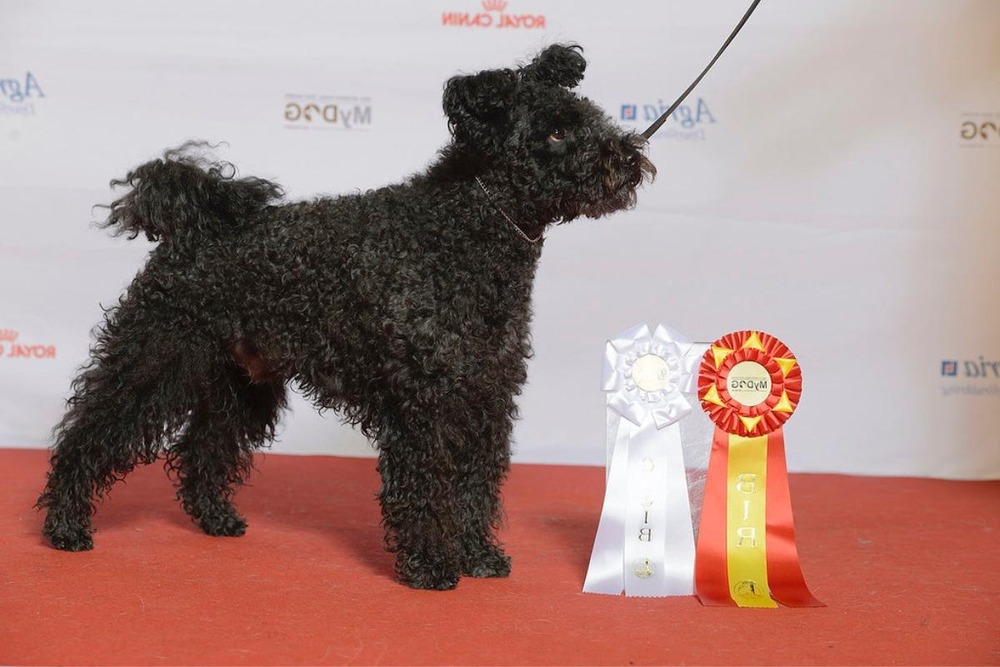
The coat is a defining feature: wavy to curly and springy, designed to cope with outdoor work. Importantly, it should not form cords like the Puli’s coat. Colour is commonly solid, with grey frequently seen, although black and white also occur in standards and breed descriptions.1, 2
Because the coat has volume, people often overestimate a Pumi’s weight. Underneath the curls is a dog made for efficiency rather than bulk.
Temperament and behaviour, bright, busy, and responsive
Pumis are widely described as cheerful, intelligent, and alert. Those are attractive words, but they come with a particular feel in the home: this is a dog that notices patterns and can quickly build habits, both the ones you want and the ones you did not plan for.3, 5
Many owners love the breed’s readiness to engage. The flip side is that boredom tends to show. A Pumi left to invent its own entertainment may become a dedicated bark-alarm, a foot-traffic manager, or an enthusiastic “organiser” of other pets.
With strangers, some Pumis can be reserved or wary. That is not automatically a problem, but it does mean thoughtful socialisation matters, especially during puppyhood and adolescence, when reactivity patterns can set in.5
Children and other animals
In many homes, Pumis do well with children when introductions are calm, supervision is normal, and kids understand how to give a dog space. As with any herding breed, it is worth watching for chasing and “rounded-up” behaviour in excited moments, and redirecting early.
With other pets, the outcome depends more on individual temperament, social learning, and management than on any single breed rule. Early, positive exposure helps, and so does having clear routines for rest, feeding, and play.
Training and exercise that actually suits the breed
A Pumi usually learns quickly, but “quick” does not always mean “easy”. If training is repetitive or unclear, some will start offering their own versions of the exercise, or they will scan for the next interesting thing in the environment.
Positive reinforcement methods are strongly supported by veterinary behaviour organisations because they reduce fear and stress, and they help build reliable behaviour without the fallout risks associated with aversive techniques.6
If you are trying to meet a Pumi’s needs day to day, it helps to think in three buckets:
- Movement with variety: brisk walks, off-lead running where safe and legal, hiking, and structured play.
- Skill work: recall, loose-lead walking, calm greetings, stationing on a mat.
- Brain games: scent work, trick training, food puzzles, and short shaping sessions.
Dog sports can be a natural fit for many Pumis, especially agility and scent-based activities. You do not need to compete to benefit from the structure and enrichment those activities provide.
Health and lifespan
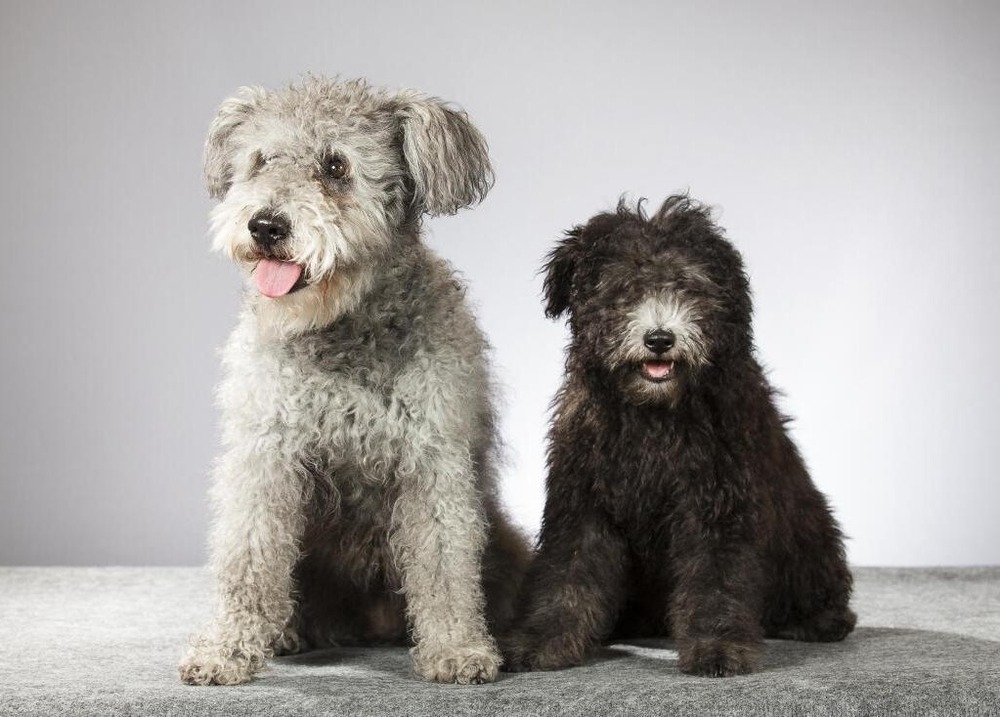
Many Pumis live into their early teens, with breed resources commonly citing an average lifespan around 12 to 14 years.3
Like many active, medium-sized dogs, they can be affected by orthopaedic issues such as hip dysplasia and patellar luxation. Breed clubs also commonly recommend eye examinations and DNA testing for specific inherited conditions, depending on the lines involved and what is common in the region.4
If you are buying a puppy, it is reasonable to ask what health testing has been done on the parents, what the results were, and how the breeder uses those results in decision-making. If you are adopting an adult, a vet check with attention to knees, hips, and eyes gives you a clearer starting point for exercise planning.
Grooming and maintenance
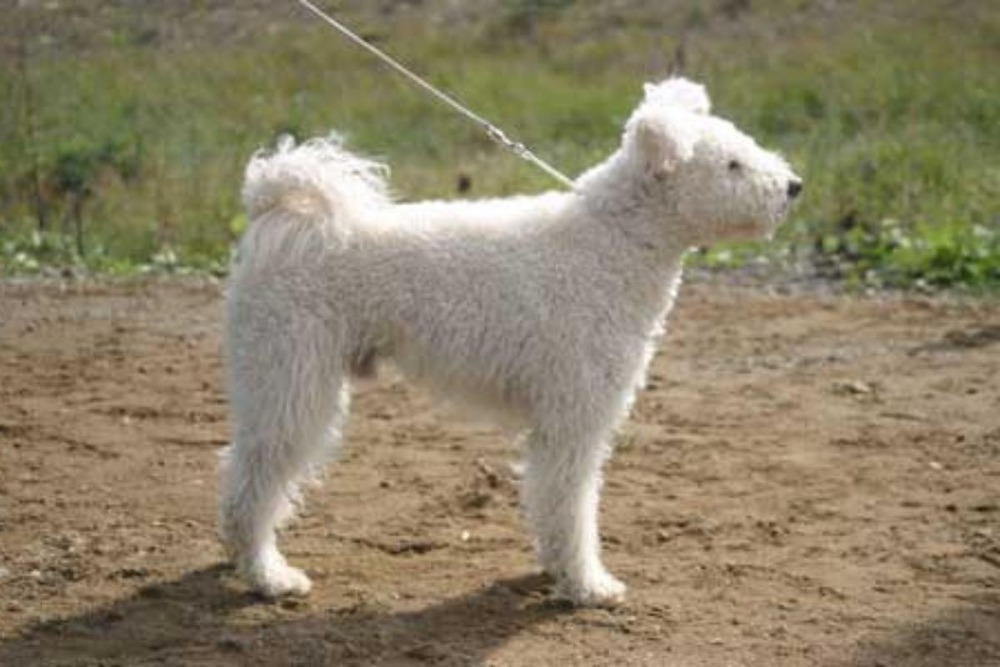
The Pumi coat looks casual, but it does not look after itself. The texture is meant to form curls and tufts, and without routine care it can felt and mat, especially in friction areas such as behind the ears, in the armpits, and around the collar.
A practical approach for many households is regular combing to the skin, plus occasional trimming to keep the outline tidy. Talk to your groomer about maintaining the breed’s natural texture. Over-bathing and heavy conditioners can soften the coat and change how it sits.
Grooming is also a chance to do quiet handling practice, checking feet, ears, and skin while the dog is relaxed. For a breed that tends to be alert and quick, those calm minutes can be surprisingly valuable.
Food and nutrition for an active, lean dog
Pumis tend to do best when they stay lean and fit. For most dogs, that comes down to a complete and balanced diet, measured portions, and treats that are accounted for rather than added on top. If you are unsure what “healthy weight” looks like, your vet can help you use a body condition score as a guide.7
Be careful with human foods that are dangerous to dogs. For example, grapes and raisins can cause kidney injury, and onions and related plants can damage red blood cells. Chocolate is also toxic, particularly in smaller dogs.8, 9
If your Pumi is doing a lot of training, it can help to use part of the daily kibble ration as rewards, and reserve richer treats for harder tasks. That keeps motivation high without quietly pushing calories up.
Is a Pumi a good fit for your home?
The Pumi can be a great choice for people who enjoy training, like having a dog “in the conversation”, and can provide daily activity that is both physical and mental. They can also adapt well to indoor life when their needs are met, which is why some do fine in apartments with a committed routine.3
They are less comfortable in homes that want a dog to be mostly decorative, or where long stretches of isolation are the norm. The barking reputation is not random. Alert herding dogs are built to notice and respond, and it takes patient training to teach when quiet is expected.
If you want a Pumi, it is worth meeting a few adults first, ideally in different settings. Temperament varies within any breed, and the best clarity often comes from seeing how the dogs behave after the first excitement has passed.
References
- Dogs Australia (ANKC): Pumi breed detail and standard information
- American Kennel Club: Pumi dog breed information
- Royal Canin Australia: Pumi breed overview (FCI-sourced characteristics)
- Hungarian Pumi Club of America: Pumi health screening recommendations
- Dogs NSW: Pumi history, characteristics, and appearance
- American Veterinary Society of Animal Behavior (AVSAB): Position statements on humane dog training
- WSAVA: Global Nutrition Guidelines for dogs and cats
- Cornell University College of Veterinary Medicine: Grape and raisin toxicity in dogs
- ASPCA Animal Poison Control: People foods to avoid feeding pets