

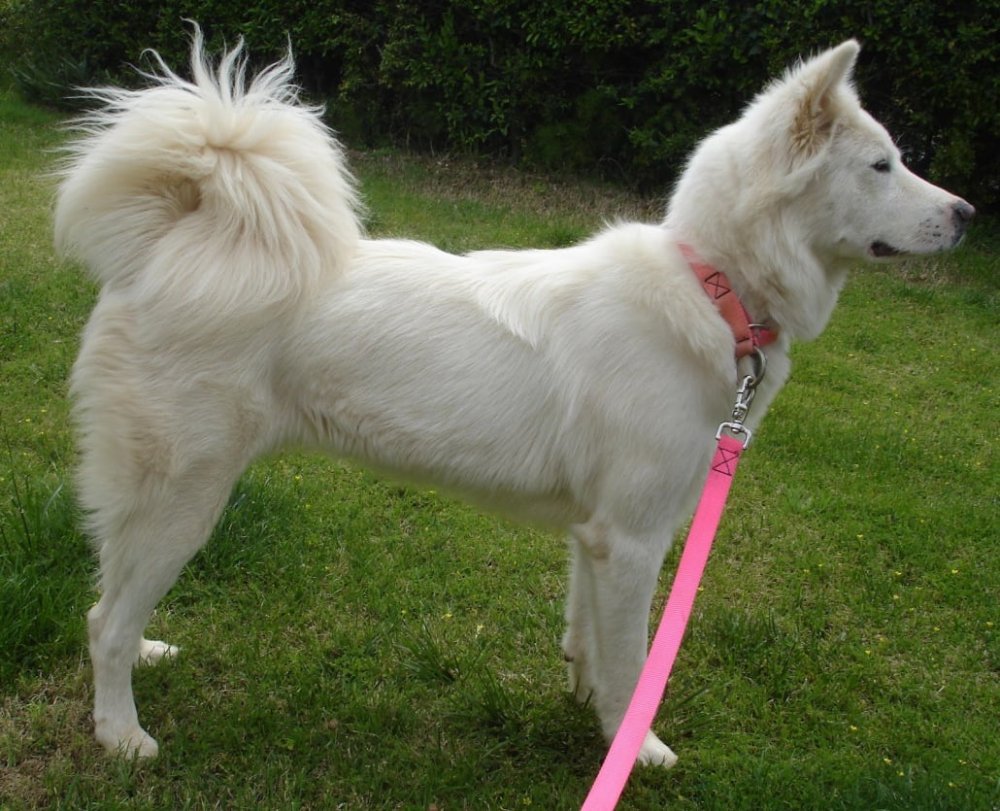
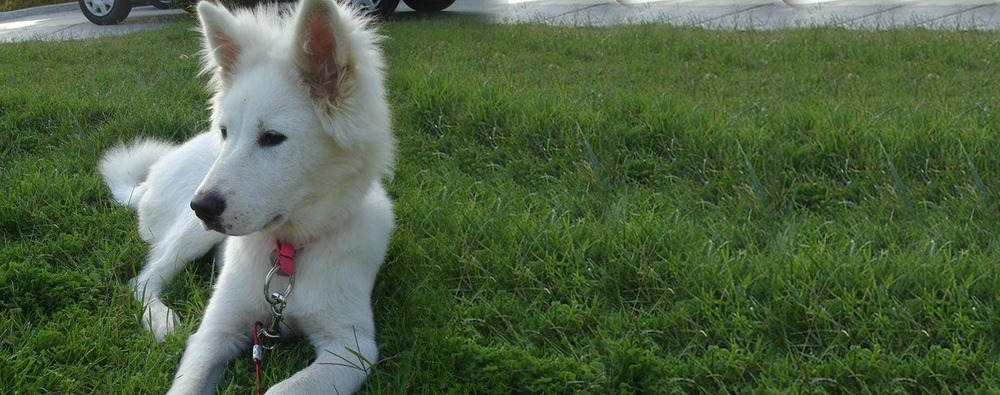
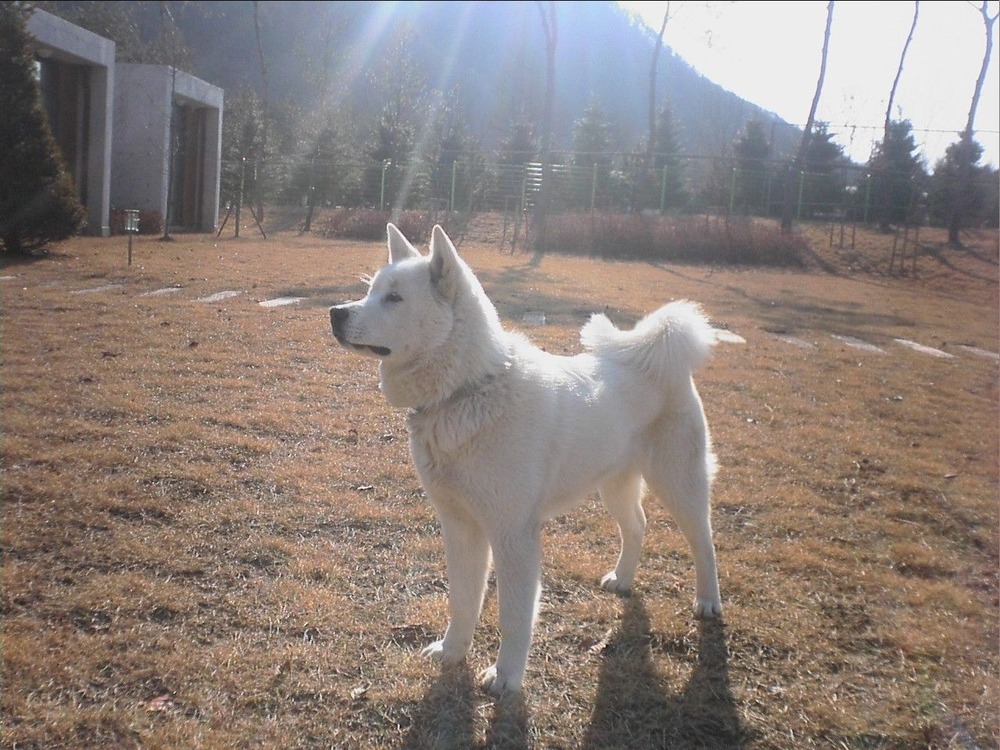
People usually come across the Pungsan dog in a photo first: a white, spitz-like dog with pricked ears and a curled tail, looking composed and athletic. Then the questions start. Is it a husky type? Is it a village landrace? Is it actually a “breed” in the way kennel clubs use the word?
Part of the confusion is practical. Outside Korea, you are unlikely to meet one in person, and much of what circulates online leans on folklore or politics rather than day-to-day dog keeping. That can make it hard to judge what matters if you are simply trying to understand the dog’s needs, temperament, and whether life with one would be realistic.
It helps to treat the Pungsan as a rare, northern hunting dog shaped by environment and purpose. The coat, stamina, and independence make more sense when you picture a dog expected to work in cold terrain with a lot of decisions made at distance from people.
Quick snapshot: what people mean by “Pungsan dog”
The Pungsan dog (also spelled Phungsan or Poongsan) is commonly described as a Korean hunting dog associated with the Kaema highlands and the area that was formerly Pungsan County, now Kimhyonggwon County in North Korea.1
- Type: Often grouped with spitz-type dogs due to its outline, including pricked ears, dense double coat, and curled tail.2
- Size (typical reports): Medium to medium-large, with males commonly described as taller and heavier than females.1
- Availability: Rare outside Korea, and not widely recognised by major international kennel clubs.1
Origins and cultural context
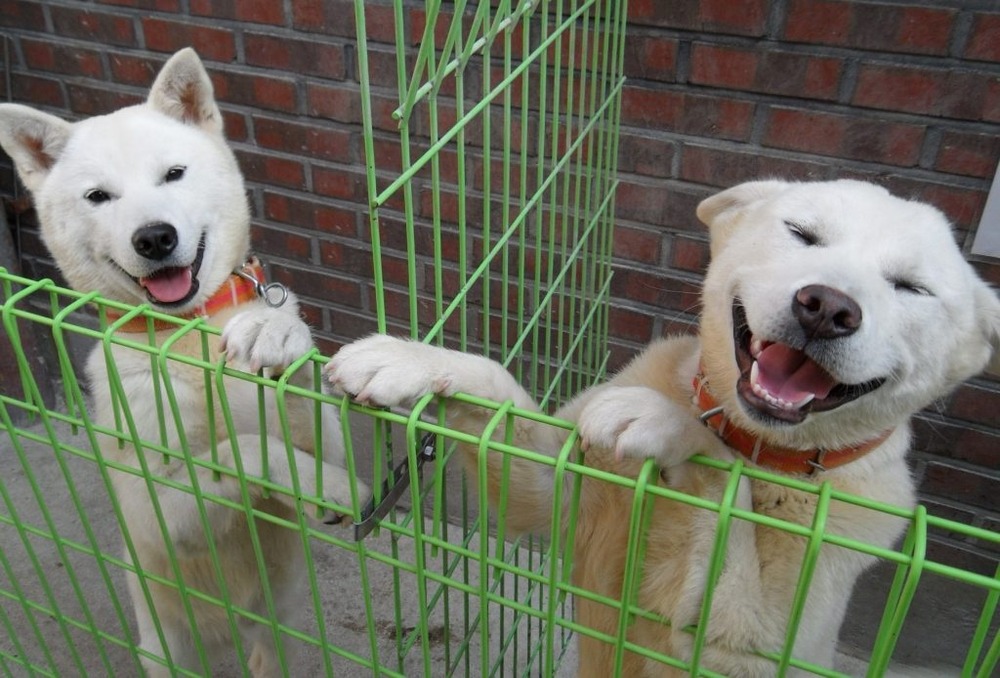
Most descriptions trace the Pungsan’s development to mountainous, cold regions where a dog needed endurance, a weatherproof coat, and the confidence to work through challenging terrain. In that setting, selection tends to favour stamina and self-direction, not the easygoing sociability many people expect from modern companion breeds.1, 2
The breed is also wrapped up in national symbolism. It has been described as a national natural monument in North Korea, and it has been used in high-profile diplomatic gestures, which is one reason people hear about it at all.1, 3
A note on the “peace gift” dogs
In September 2018, North Korean leader Kim Jong-un gifted two Pungsan dogs to South Korean President Moon Jae-in. Media coverage later noted the pair and their puppies as symbolic “peace gift” animals, which contributed to a fresh wave of interest in the breed outside Korea.3, 4
Appearance: built like a spitz, shaped by work
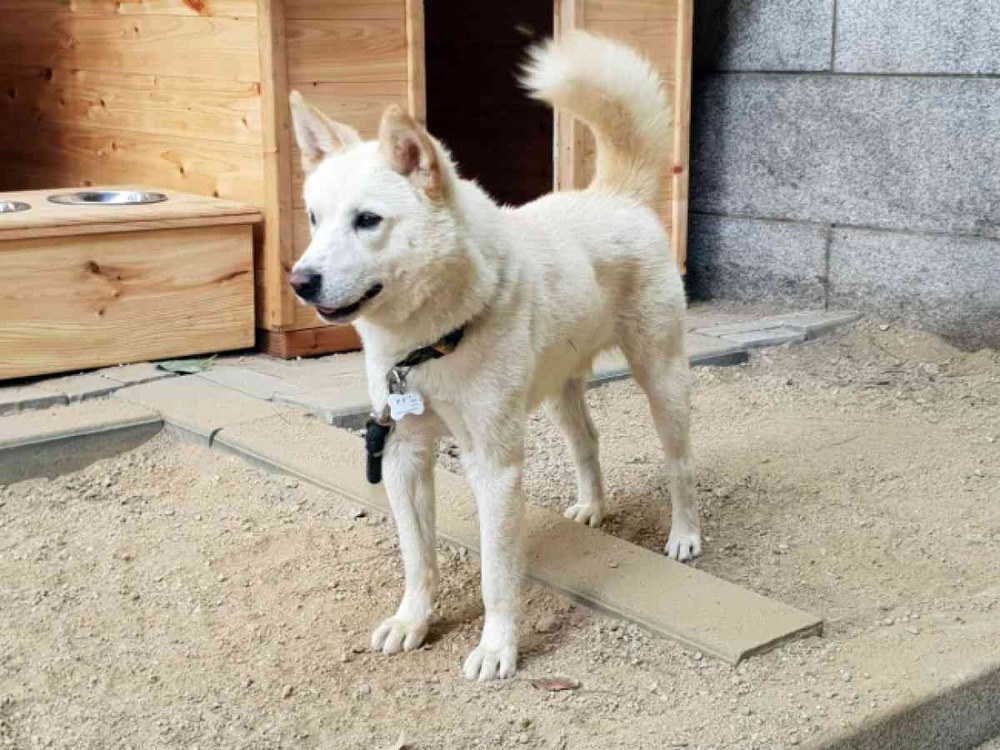
Even allowing for variation in photos and descriptions, the Pungsan is typically presented as a spitz-type dog: pricked ears, curled tail, and a dense double coat that stands off the body.1, 2
That coat is not just decorative. Double coats function as insulation and protection from weather, which is why many spitz-type dogs cope well in cold conditions. The trade-off is that heavy coats can make warm weather management more important, particularly in humid Australian summers.2, 5
Coat colour and markings
Many depictions show white or cream dogs. You will sometimes see claims about distinct facial patches, but markings are not consistently reported across sources. If you are assessing an individual dog, focus less on colour and more on coat density, skin health, and how comfortably the dog handles heat and exercise.
Temperament: loyalty plus independence
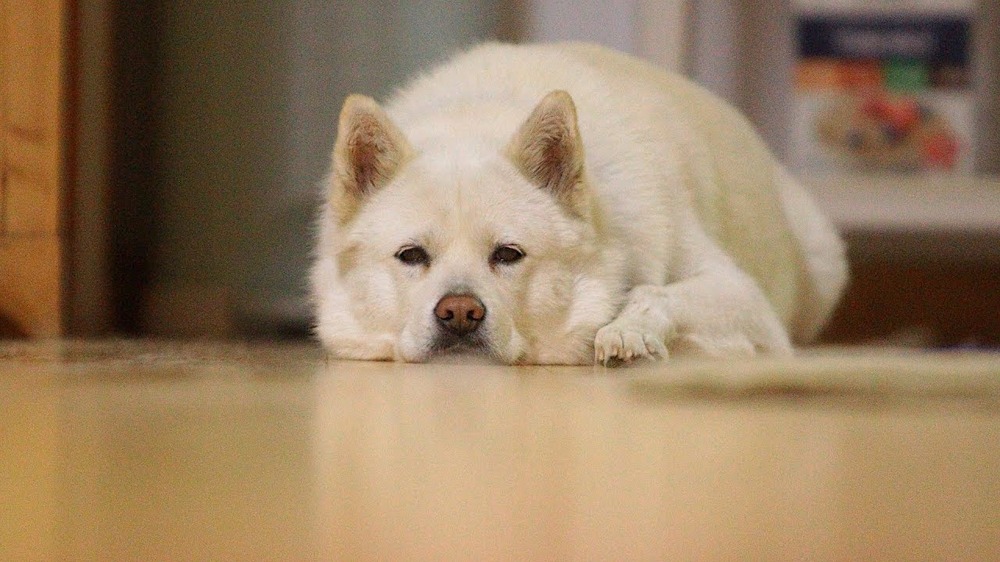
“Loyal” is the word that appears most often in summaries of the Pungsan. In real life, that can look like a dog that bonds strongly with familiar people, stays watchful, and is not automatically welcoming to strangers. With spitz and hunting types more broadly, it is also common to see independent decision-making, which can be mistaken for stubbornness when the dog simply does not find a cue meaningful in that moment.2
If you are used to dogs that readily generalise training from the backyard to a busy park, a more self-contained dog can be surprising. It does not mean the dog cannot learn. It means the handler usually needs clearer reinforcement, better management, and realistic expectations about what “reliable” looks like in distracting environments.
Children and other animals
There is no single answer that fits every dog. As with many working and hunting lines, outcomes tend to depend on early socialisation, ongoing training, and the household setup. If a dog has strong chasing instincts, supervision around smaller pets is sensible, and introductions should be slow and structured rather than hopeful and hands-off.
Training that tends to work best
For a clever, independent dog, training is less about “showing who is boss” and more about building habits the dog finds worthwhile. Reward-based training, which relies on reinforcing behaviours you want and preventing rehearsal of behaviours you do not, is widely recommended by animal welfare organisations and behaviour professionals.6, 7
In practice, that often means:
- Short, frequent sessions rather than long drills.
- Reinforcement that actually matters to the dog, including food, play, or access to sniffing.
- Management first, especially while recall is being built, so the dog is not repeatedly practising running off.
If you are considering a Pungsan or any similar hunting spitz type, it is worth planning for training support early. Not because the dog is “bad”, but because early structure prevents common problems from becoming entrenched.
Exercise and enrichment: more than just a daily walk
Many sources describe the Pungsan as energetic and capable. A single neighbourhood walk can be fine for some dogs, but dogs bred for sustained work often do best with a mix of physical exercise and brain work.
Useful options include:
- Sniff-heavy walks where the dog can explore at a slower pace.
- Food puzzles and scatter-feeding in the yard.
- Training games that build self-control, including wait, stationing, and disengagement from wildlife.
Heat management matters
In hot weather, the risk is not only discomfort. Heat stress can become a medical emergency. Avoid hard exercise in the heat of the day, provide shade and cool water, and learn the early warning signs such as heavy panting, drooling, vomiting, disorientation, and collapse.5, 8
Health and lifespan: what we can and cannot say with confidence
Because the Pungsan is rare outside its region of origin and not supported by the kind of large-scale kennel club datasets available for common breeds, sweeping health claims deserve caution. You will often see statements that the breed is “generally healthy”, but the most practical approach is to treat any individual dog like any other medium-to-large, athletic type.
That means:
- Keep the dog lean, since excess weight stresses joints and reduces heat tolerance.
- Use routine veterinary checks to catch issues early.
- Ask about family history if you are dealing with a breeder or a known lineage.
For nutrition, veterinary organisations emphasise the value of an individually tailored diet plan and regular nutritional assessment, particularly to prevent obesity or nutrient imbalance.9
Grooming: brushing beats shaving for a double coat
A dense double coat typically needs steady, unglamorous maintenance. Brushing removes loose undercoat, helps prevent matting, and lets you notice skin issues early. For many double-coated breeds, the heavy shed tends to come in seasonal waves, and that is when you may need more frequent brushing.
One of the most persistent myths is that shaving a double-coated dog helps them stay cool. In most cases, it does not, and it can contribute to coat texture changes and increased sun exposure. Breed and grooming guidance commonly advises do not shave the double coat unless there is a specific medical or severe matting reason discussed with a vet or groomer.10
Is a Pungsan dog a realistic pet in Australia?
For most Australians, the bigger issue is not whether the Pungsan can be a good companion, but whether you can access one ethically and legally, and whether the dog’s needs match your day-to-day life. A dog with strong hunting heritage and spitz-style independence often fits best with people who enjoy training as a routine, have secure fencing, and can provide exercise without relying on dog parks for social fulfilment.
Apartment living is not automatically impossible for every active dog, but it usually requires a very deliberate plan for enrichment, noise management, and heat control. With a rare breed that may already be under-stimulated in a small space, it is worth being honest about what you can sustain through winter, summer, work travel, and busy weeks.
References
- Wikipedia: Pungsan dog
- Encyclopaedia Britannica: Spitz (dog type)
- Wikipedia: September 2018 inter-Korean summit (gifts section)
- Time: North Korea’s Kim Jong Un Sent These Puppies as a Peace Gift to South Korea
- RSPCA Australia: Warm weather worries, protect pets from heatstroke
- RSPCA Knowledgebase: Reward-based dog training and why the RSPCA supports it
- American Veterinary Society of Animal Behavior (AVSAB): Why you need to reward your dog in training
- Merck Veterinary Manual: Emergency care for dogs and cats (heat stroke)
- WSAVA: Global Nutrition Guidelines
- American Kennel Club: Double-coated dogs and shaving guidance