

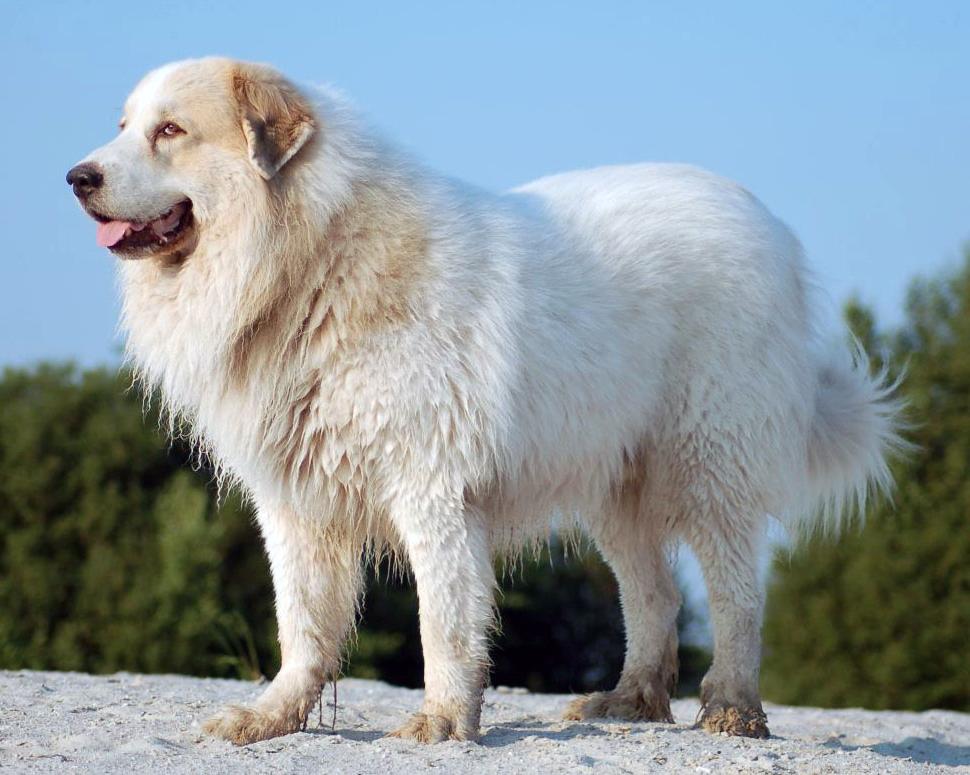
- Breed category: Working (livestock guardian type)
- Country of origin: Spain
- Typical height: Minimum 77 cm (males), 72 cm (females), with many dogs taller
- Typical weight: Often around 55 to 73 kg, sometimes higher depending on build
- Typical lifespan: About 10 to 12 years
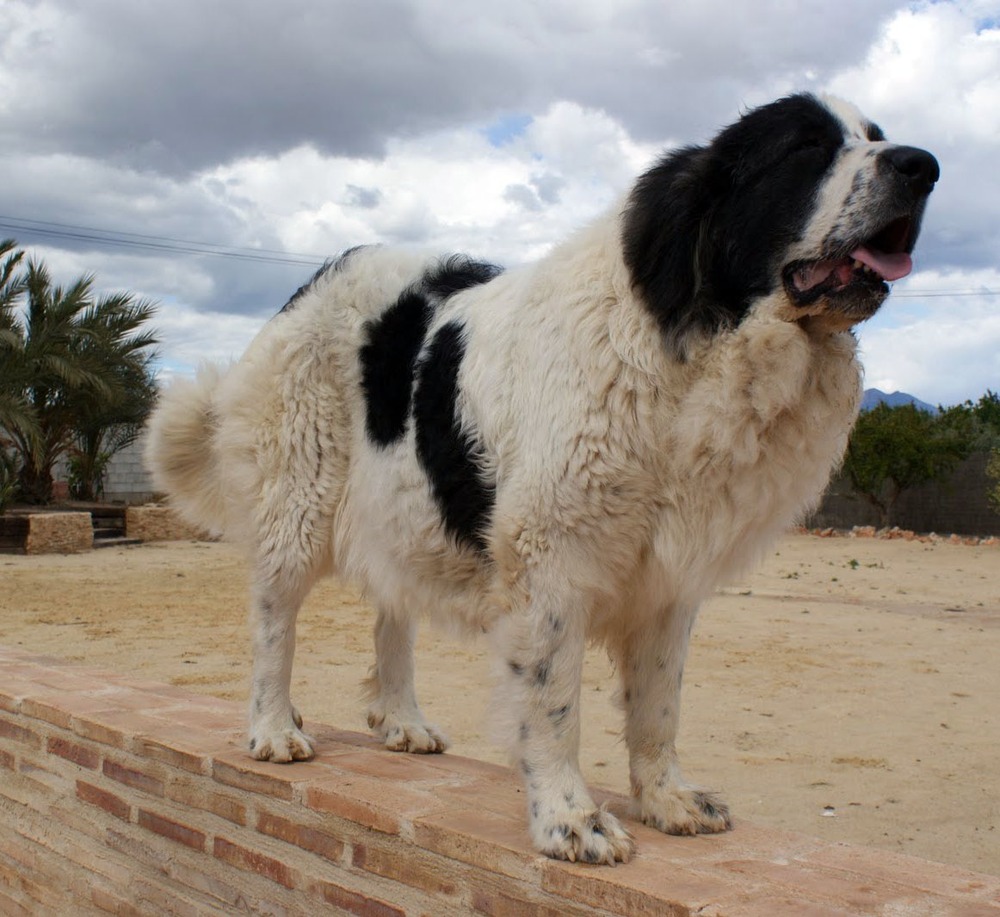
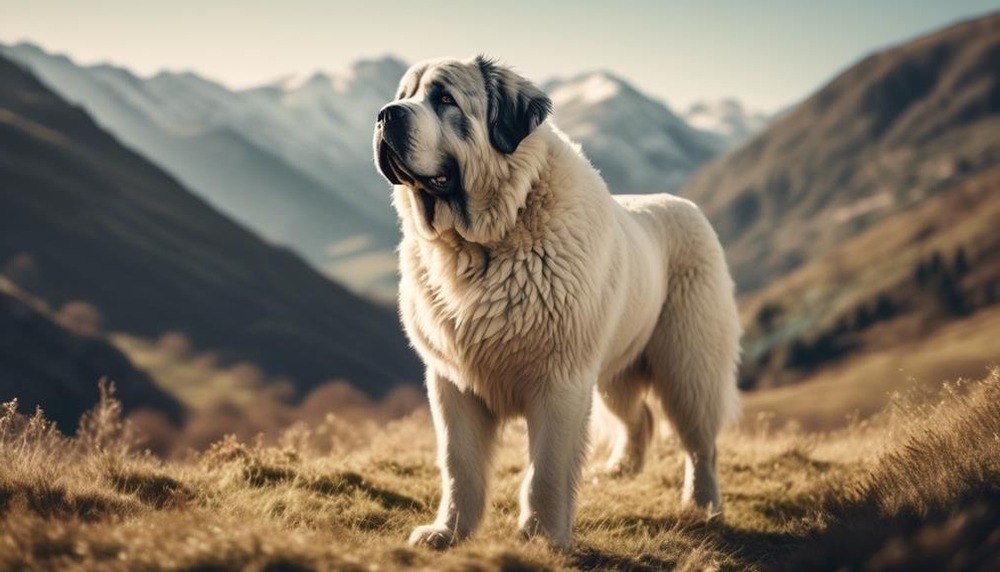
- Coat: Dense, thick, double coat; usually white with a mask and patches
- Shedding: Moderate to high, especially seasonally
- Exercise needs: Moderate, steady daily movement suits most adults
- Temperament: Calm, steady, naturally protective, typically gentle with familiar people
- Common concerns: Orthopaedic issues seen in giant breeds, plus risk of gastric dilatation-volvulus (bloat)
People usually start looking up the Pyrenean Mastiff after seeing one in real life, or meeting a dog that looks like a small bear and behaves like a quiet security guard. The surprise is not just the size, it is the stillness. A lot of very large dogs feel busy, bouncy, or demanding. This one often does not.
It is also common to assume that a giant, calm dog must be easy in any home. In practice, the Pyrenean Mastiff can be wonderfully settled with the right set-up, but it is still a livestock guardian at heart. That heritage tends to show up as slow-to-warm watchfulness, a preference for space, and a habit of making its own decisions if the rules feel unclear.
When the fit is right, you get a companion that is steady, affectionate in a quiet way, and deeply aware of what belongs on the property and what does not. When the fit is wrong, owners can find themselves living with a dog that is hard to physically manage, and hard to socially “rush” into modern life. Understanding the breed’s original job helps everything make more sense.
Where the Pyrenean Mastiff comes from
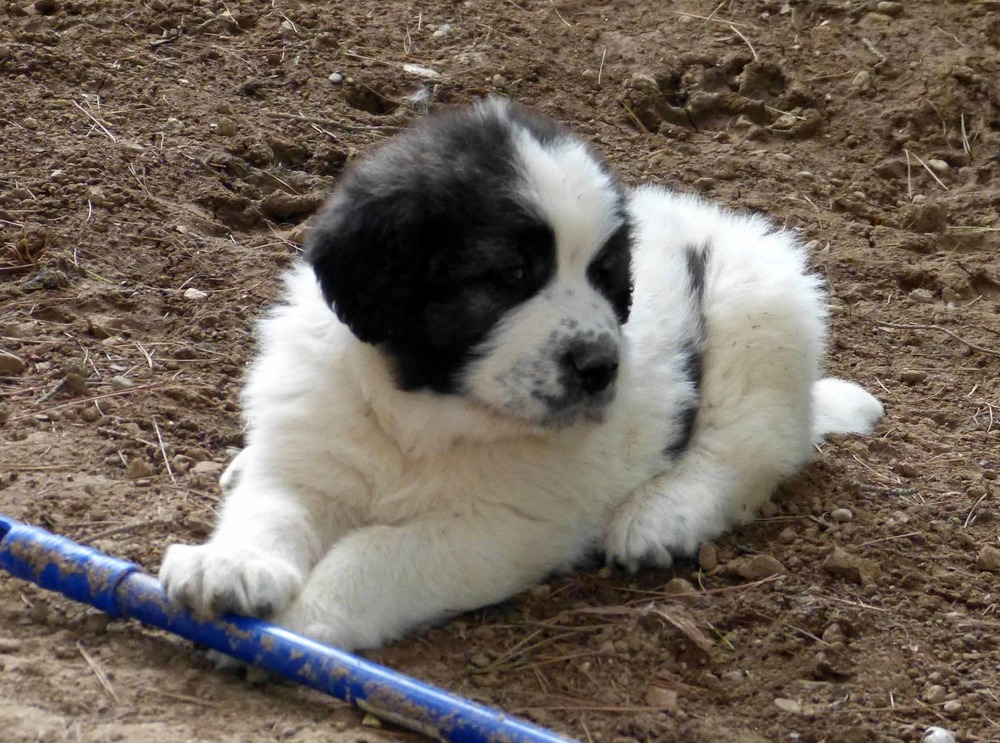
The Pyrenean Mastiff (Mastin del Pirineo) developed in northern Spain as a livestock guardian, valued for the ability to live alongside sheep and step in when predators threatened. Breed standards still describe a dog built for tough conditions: strong bone, a thick protective coat, and a calm, stable temperament that does not waste energy unnecessarily.1, 2
Historically, guardian breeds were not selected for eager obedience in the way herding or gundogs were. They were selected for judgement. That matters for modern owners because it shapes how these dogs respond to training, strangers, fences, and change. A Pyrenean Mastiff often does best when it can see a clear routine and understand what you consider “normal”.
Recognition and breed standards
Different kennel bodies publish slightly different summaries, but they are consistent on the essentials: there is no upper height limit in the standard, and the minimum heights are 77 cm for males and 72 cm for females. Colour is described as a white base with a defined mask, and sometimes patches in the same colour as the mask.1, 2
Temperament, instincts, and what they are like to live with
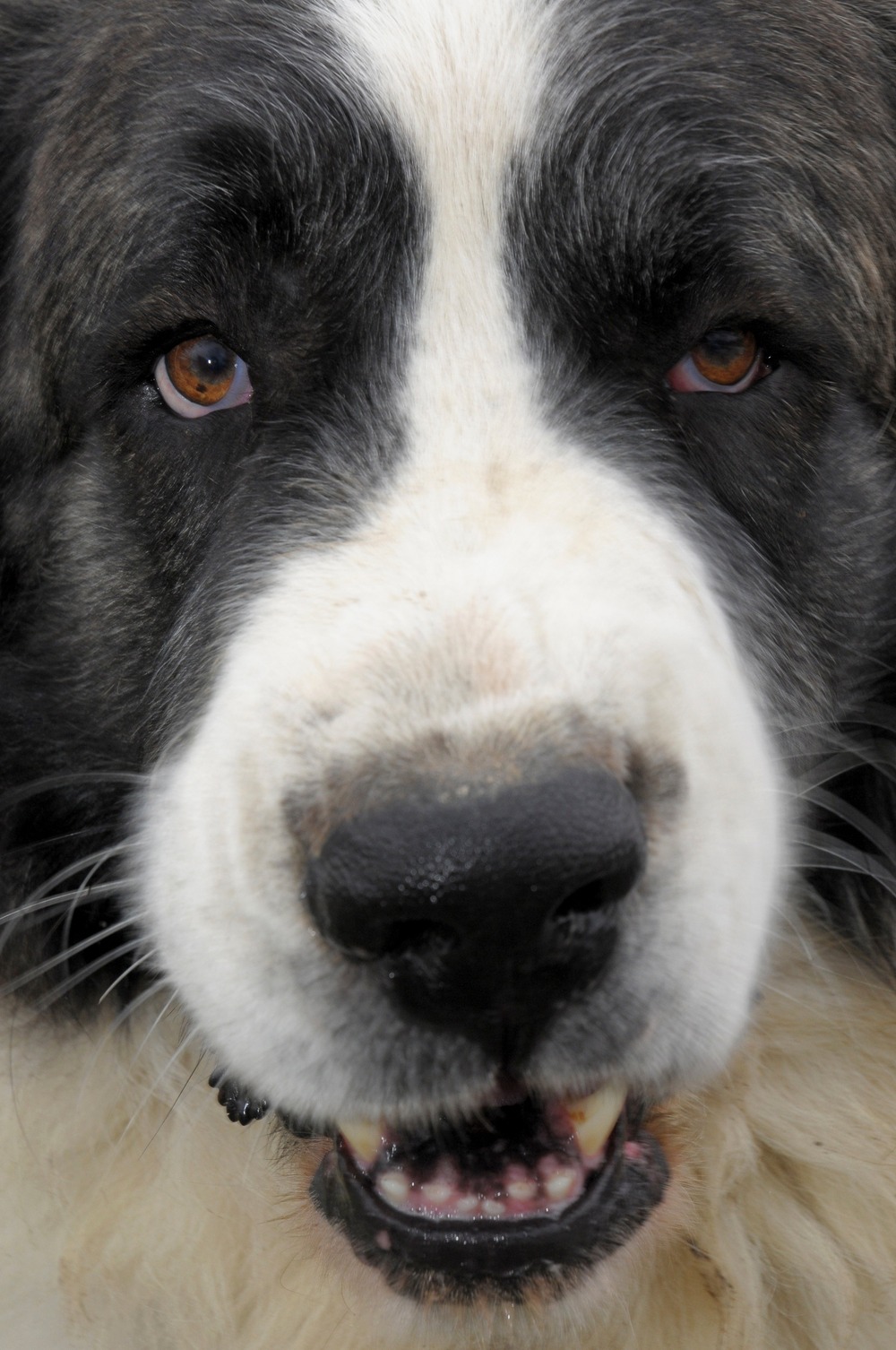
Most Pyrenean Mastiffs are calm in the home once mature, especially if they have enough space and predictable daily movement. They are often gentle with their own people, and many are patient around children, but “gentle” should never be confused with “low impact”. A friendly lean from a dog this size can still knock over a toddler, or an adult carrying groceries.
They also tend to be environmentally aware. That can look like quietly positioning themselves where they can watch the front boundary, standing between family members and visitors, or choosing a spot where they can scan the yard. These behaviours are not necessarily signs of anxiety or dominance. They are often the breed doing what it was built to do.
Strangers, visitors, and the social side of guarding
Many individuals are polite but reserved with unfamiliar people. They may take their time before accepting new visitors, and they can be more comfortable when introductions are calm and unforced. Early, thoughtful socialisation helps, but the goal is not a dog that loves everybody. The goal is steady neutrality and clear, rehearsed routines for gates, doorways, and greetings.
Other dogs and other animals
With early exposure and sensible management, many Pyrenean Mastiffs live well with other pets. The usual risk points are size differences (rough play can overwhelm smaller dogs), and guarding tendencies around boundaries, food, or high-value resting spots. If you have multiple dogs, feeding separately and preventing crowding is often a practical, low-stress habit.
Training and exercise, steady work over intensity
Training tends to go best when it is consistent, calm, and realistic about the breed’s style. These dogs often respond well to reward-based training, but they may not repeat cues endlessly just because you ask. If something is difficult, it is usually not “stubbornness” in a human sense. It is more often a mix of independence, slow maturation, and a dog that has not yet learned why your cue matters.
For day-to-day life, it helps to prioritise skills that keep everybody safe. In most homes, that looks like:
- Loose lead walking with a focus on calm starts and stops
- Comfort with handling, grooming, and vet-style checks
- Doorway manners and waiting at gates
- A reliable “come away” cue from fences and triggers
How much exercise do they need?
Adults usually do well with moderate daily exercise, plus time to sniff and wander in a secure area. Think steady walks rather than long runs. Puppies and adolescents need extra care not to overdo impact exercise while they are growing, especially in giant breeds.
Health considerations in a giant breed
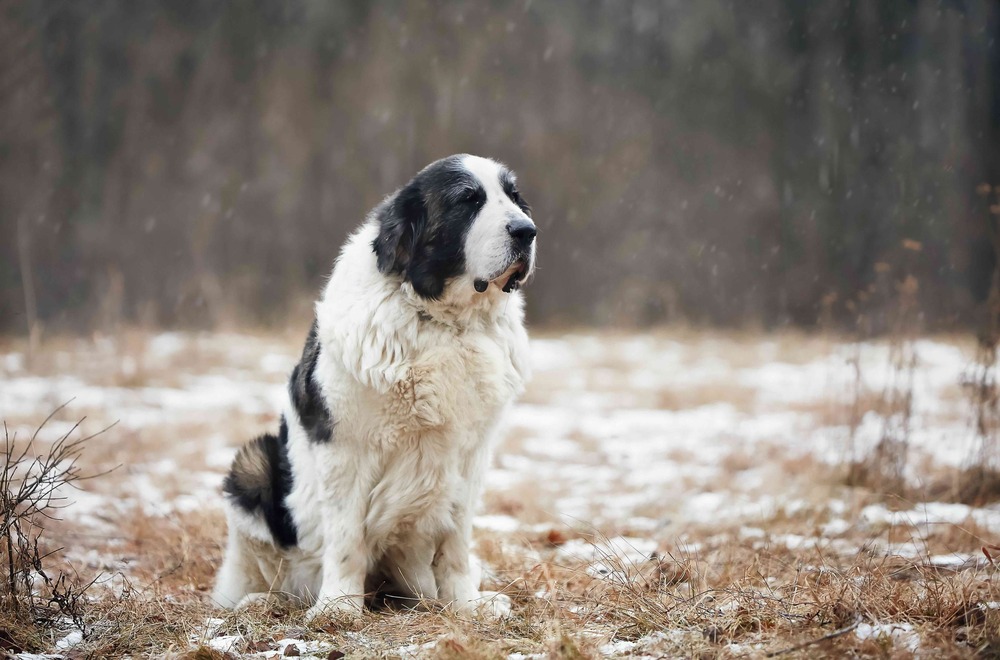
Like many giant breeds, Pyrenean Mastiffs can be affected by orthopaedic problems (including hip dysplasia), and owners should take growth and body condition seriously. Keeping a dog lean, rather than “well padded”, is one of the simplest ways to reduce strain on joints over a lifetime.
Bloat and GDV, what owners should know
Deep-chested, large dogs are at increased risk of gastric dilatation-volvulus (GDV), often called bloat. This is a true emergency where the stomach dilates and may twist, affecting blood flow and rapidly worsening without urgent veterinary care.3
Risk is not fully preventable, but practical habits are widely recommended for at-risk dogs, including feeding multiple smaller meals, slowing down fast eaters, and avoiding vigorous exercise close to meals.3, 4
It is also worth knowing the early signs owners commonly report: unproductive retching, a tight or distended abdomen, drooling, restlessness, and rapid deterioration. If you suspect GDV, treat it as time-critical and contact an emergency vet immediately.5
Grooming and coat care, practical rather than precious
The Pyrenean Mastiff’s coat is designed to protect, not to be fussed over, but it does need regular maintenance. The coat is dense and thick, with seasonal shedding that can feel intense in a family home.2
A few relaxed brushing sessions a week is usually enough for many dogs, with more frequent grooming during seasonal coat blows. Grooming is also your chance to check ears, skin, paws, and nails, and to keep handling comfortable rather than confrontational. For a dog of this size, cooperative care is not a luxury, it is safety.
Feeding and growth, keeping a giant dog steady
Nutrition matters for every dog, but it has extra weight in a giant breed because growth rate, body condition, and skeletal development are so closely linked. If you are raising a Pyrenean Mastiff puppy, it is worth asking your veterinarian for a feeding plan that supports controlled, steady growth rather than fast size gain. The WSAVA Global Nutrition Guidelines are also a helpful reference point for how vets assess diet quality and overall nutritional fit for an individual dog.6
Feeding routines that suit bloat risk
Many owners of large, deep-chested dogs choose to split daily food into two or more meals, and to use slow feeders if the dog tends to gulp food. Separating feeding from high-arousal play and vigorous exercise is also commonly advised for dogs at risk.3, 4
Is a Pyrenean Mastiff the right fit?
This is often the deciding question. The breed can be a beautiful match for people who want a steady companion, have space, and appreciate a dog that is not constantly performing. It is less suitable for homes that need an instantly social dog, or for households where visitors come and go all day without any routine.
Pyrenean Mastiffs generally suit homes where:
- There is secure fencing and room to move
- Training is patient, consistent, and focused on life skills
- Owners are comfortable managing a very large dog in public
- There is a plan for grooming, handling, and veterinary care from puppyhood
If you are considering the breed, spend time with adult dogs, not just puppies. The adult temperament is what you will live with for most of the dog’s life, and it is where the quiet strengths of the Pyrenean Mastiff really show.
References
- The Kennel Club (UK): Pyrenean Mastiff breed standard
- United Kennel Club (UKC): Pyrenean Mastiff breed standard
- MSD Veterinary Manual: Gastric dilation and volvulus (GDV) in small animals
- VetZone (Australia): Gastric dilation and volvulus (bloat) in dogs
- Belconnen Veterinary Centre: Gastric dilation-volvulus (GDV)
- WSAVA: Global Nutrition Guidelines
- WSAVA: Global Nutrition Committee
- Reis D’Aragón: Pyrenean Mastiff standard (FCI text)
- Eukanuba Breed Finder: Pyrenean Mastiff (Mastin del Pirineo) overview