

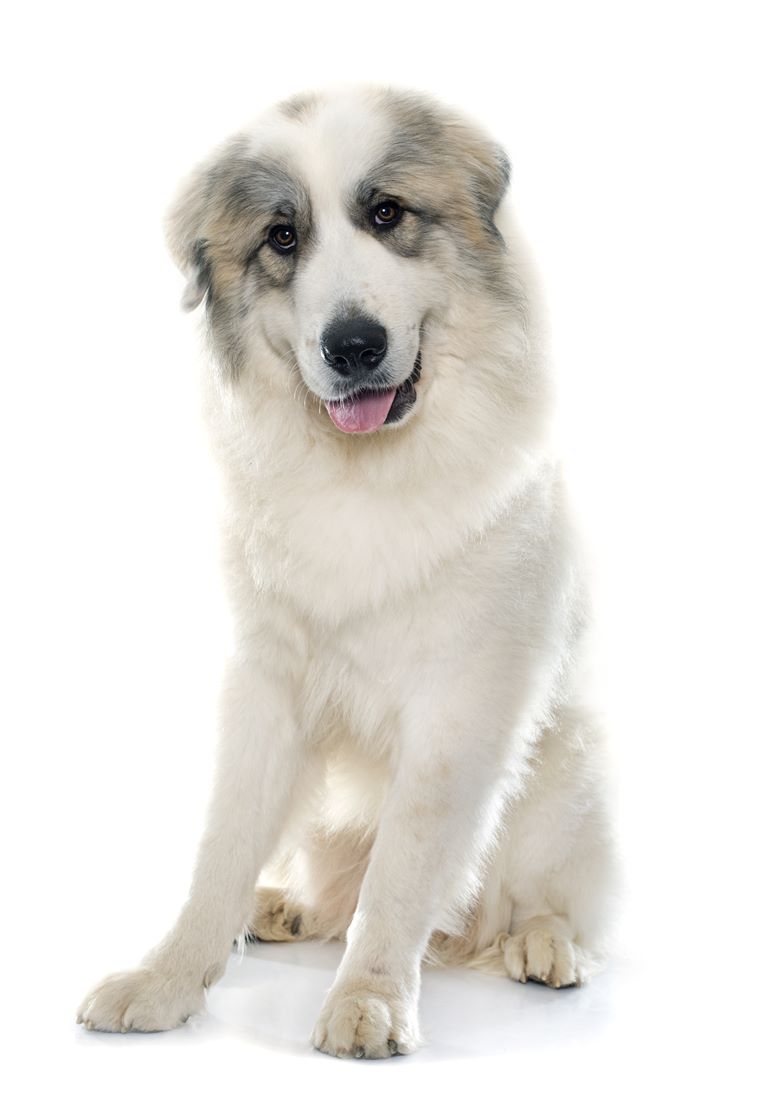
You might first notice a Pyrenean Mountain Dog, often called the Great Pyrenees, as a big white dog who seems almost unbothered by the bustle around them. They can look soft and cuddly from a distance, but the way they watch the world, quietly and steadily, hints at what they were bred for.
People often assume giant breeds are either laid-back “easy dogs” or, at the other extreme, intimidating guard dogs that need constant control. With this breed, the truth sits in the middle. They can be calm and gentle in the home, but they are also independent, weather-aware, and naturally inclined to monitor what is happening around their property, especially at night.
Understanding what sits underneath that thick white coat matters in everyday life, from barking that surprises first-time owners to grooming that is manageable when you keep up with it. It also matters for safety, because large, deep-chested dogs have particular health risks that are worth taking seriously.
At a glance
- Breed group: Working (livestock guardian)
- Origin: Pyrenees region of France and Spain
- Size: Large to giant
- Coat: Thick double coat, high shedding
- Temperament: Calm, watchful, independent
- Notable trait: Double dewclaws on the hind legs (breed standard feature)2
- Typical lifespan: Around 10 to 12 years (varies with genetics and care)
History and origin
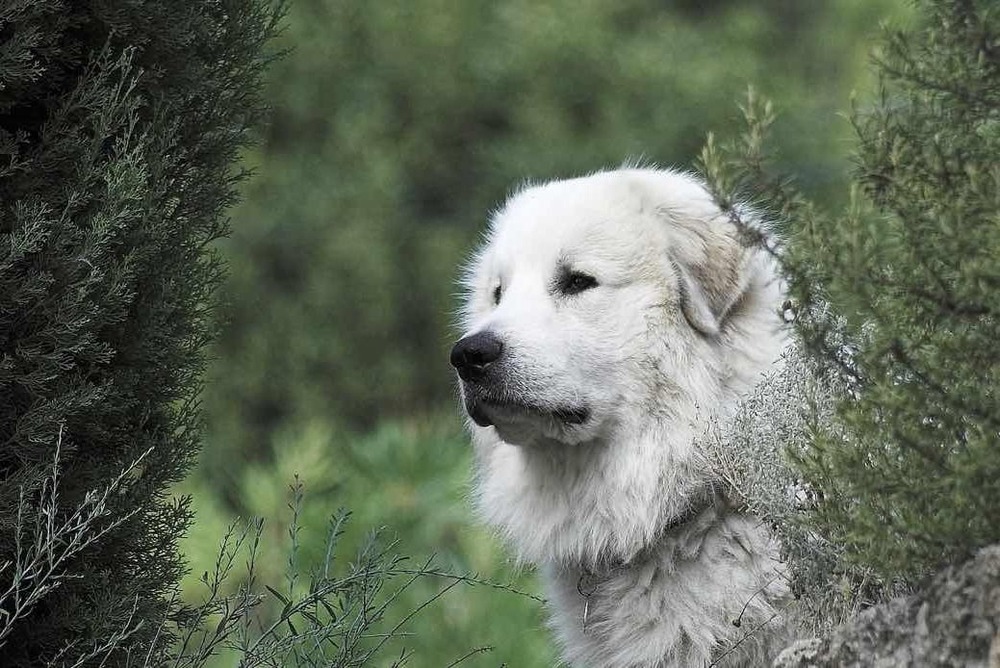
The Pyrenean Mountain Dog developed as a livestock guardian in the mountainous border region between France and Spain. The work was not herding in the collie sense. It was about living with stock, reading the environment, and discouraging predators through presence, patrol, and, when needed, confrontation.5
By the 1600s, dogs of this type had become fashionable beyond the mountains. Historical accounts commonly connect the breed with the French court of Louis XIV, which helped spread its reputation outside rural working life.5
In the United States, “Great Pyrenees” is the most common name, and the breed was recognised by the American Kennel Club in 1933.1
Physical characteristics
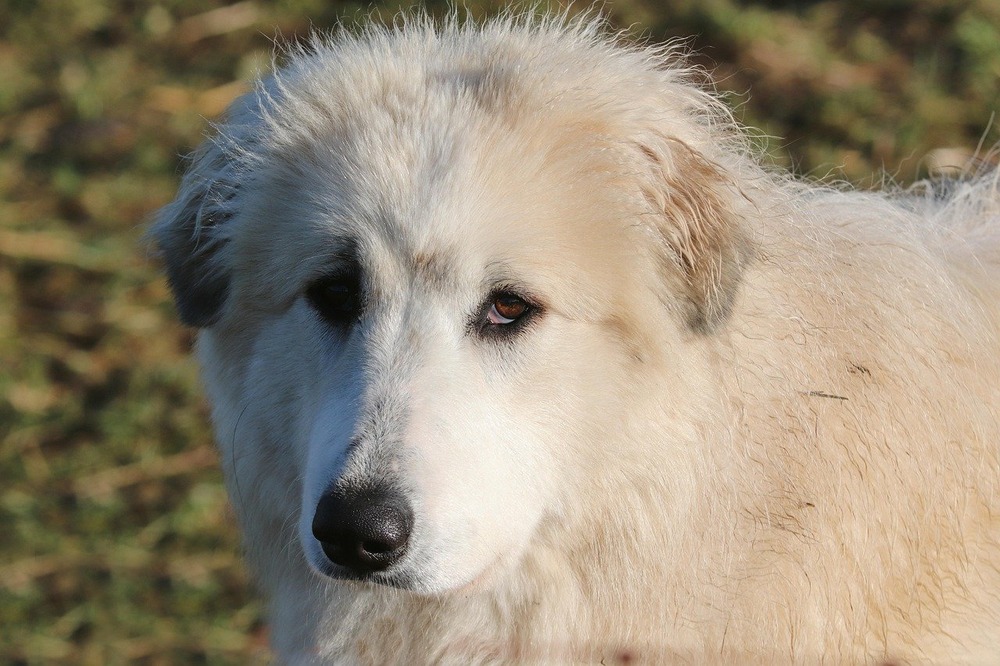
This is a large, strongly built dog with a weather-resistant double coat designed for cold, wind, and long hours outdoors. Most are white, sometimes with grey, tan, or “badger” markings, particularly around the head and ears, depending on the breed standard you are referencing.2
A defining feature is the double dewclaws on the hind legs. In breed standards, their absence can be treated as a serious fault. Functionally, extra toes may have offered added traction in steep terrain, although in modern pet homes they are mainly a conformation feature that needs occasional nail care so they do not overgrow or catch.2
Temperament and everyday behaviour
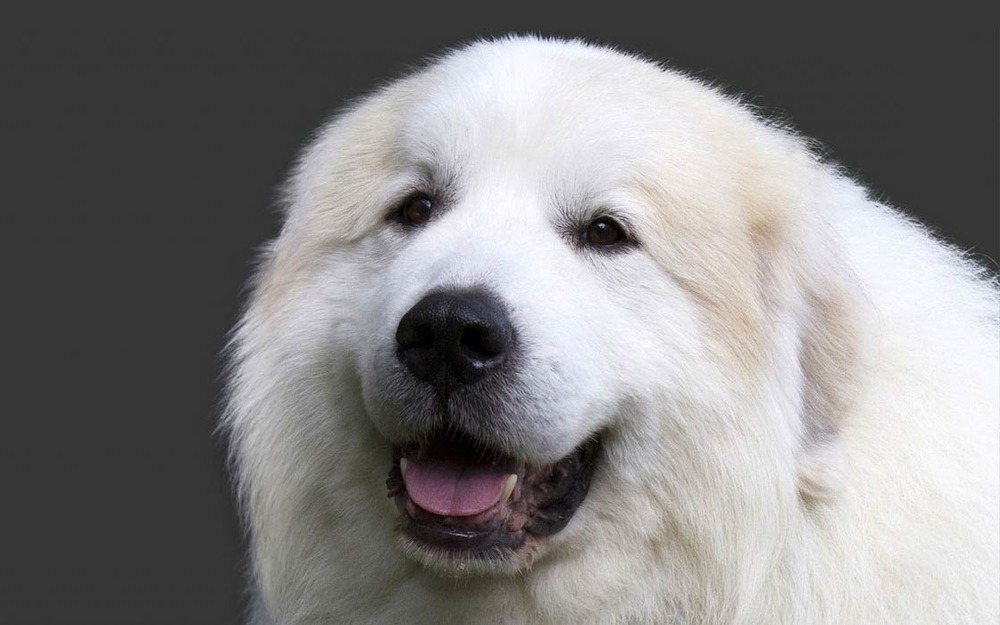
Well-bred, well-raised Pyrenean Mountain Dogs are often calm and steady with their people. Their guardian background shows up as environmental awareness rather than constant intensity. Many will position themselves to see entry points, scan fences, and take note of unfamiliar sounds.
That same history also explains why they can be slow to treat strangers as “friends”. Early, thoughtful socialisation helps a dog learn what normal looks like, without pushing them into situations where they feel they must decide on their own that something is unsafe.
Barking is a common friction point in suburban life. Guardian breeds frequently vocalise as part of their job, especially after dark. It is rarely “naughtiness”. More often it is a dog doing what generations of selection encouraged: announcing presence, warning, and checking that the environment returns to quiet.
Training and exercise needs
Training a Great Pyrenees tends to go best when you treat them as an independent working dog, not as a dog who lives to rehearse commands. Consistency and calm boundaries matter, but so does giving them time to think. Harsh corrections often backfire, partly because they were bred to make decisions at distance from people.
Exercise needs are usually moderate rather than relentless. Many are content with daily walks, free movement in a secure yard, and the chance to sniff and observe. Mental load matters too, because a bored guardian can create their own “job”, such as perimeter patrolling and barking at routine neighbourhood movement.
- Start early with gentle exposure to visitors, dogs, and everyday noises.
- Practise loose-lead walking and calm greetings before the dog reaches full size.
- Plan for management, such as good fencing, night-time routines, and shaded rest areas, not just “more training”.
Health and lifespan
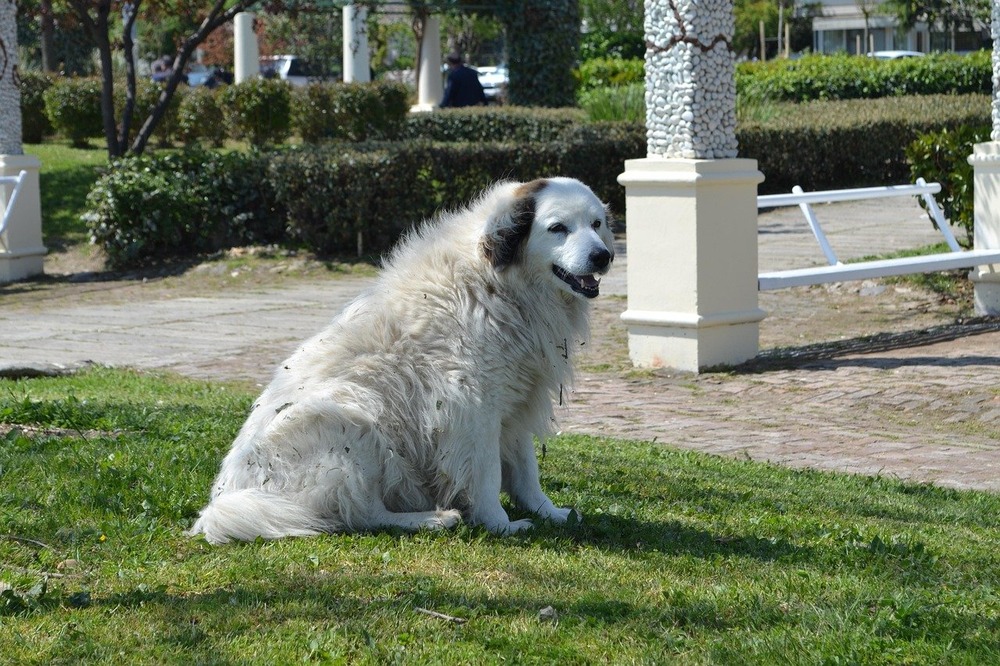
Large breeds have their own pattern of health concerns, and it helps to think in terms of risk management rather than fear. Two issues that come up regularly in vet discussions are orthopaedic disease (including hip dysplasia) and gastric dilatation-volvulus (GDV), often called bloat.
GDV is a true emergency where the stomach distends and can twist, compromising blood flow and breathing. Deep-chested, large dogs are at higher risk, and rapid onset signs like a swollen abdomen, unproductive retching, restlessness, and drooling should be treated as “go now” symptoms.6, 7, 8
Breeders and vets may also discuss preventative options for high-risk dogs, including gastropexy in some cases, especially when another surgery is already planned. This is a decision to make with your veterinarian, based on individual risk and lifestyle.8
Grooming and maintenance
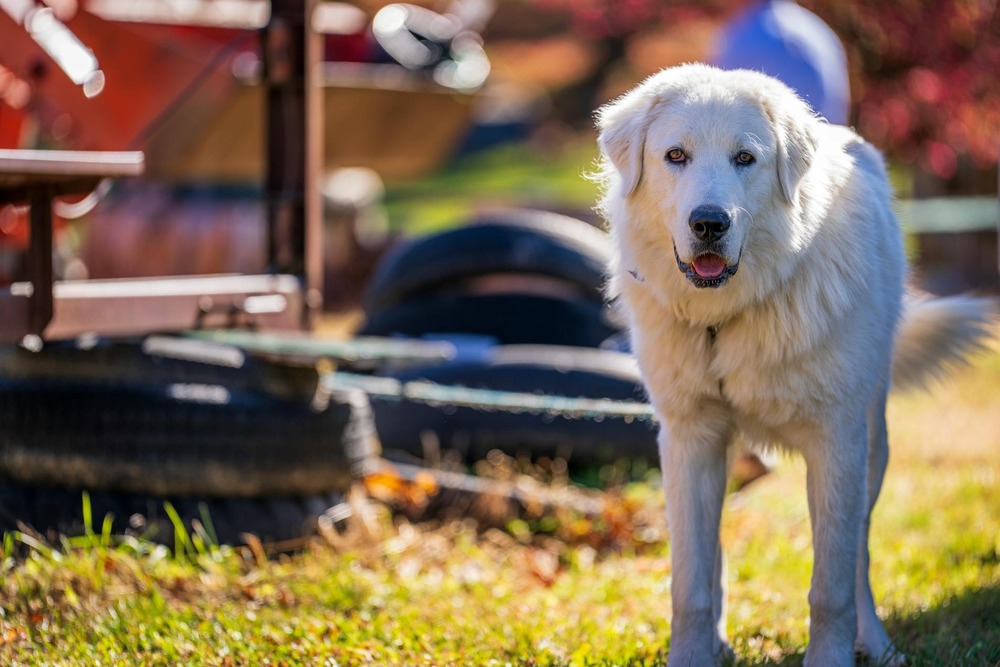
The coat is one of the great joys of the breed, and one of the main commitments. It is not complicated grooming, but it is regular grooming. A thorough weekly brush-out is a reasonable baseline for many dogs, with more frequent sessions during seasonal shedding.
Focus on the undercoat, feathering behind the ears, and areas that mat with friction, like the “trousers” and chest. Keep an eye on dewclaw nails too, because they can grow without much natural wear.
In Australia, heat management becomes part of maintenance. A thick-coated dog may cope surprisingly well with warmth if they can choose shade, airflow, and rest, but they can still overheat, especially if exercised in hot, humid weather. Signs of heat stress can include heavy panting, drooling, weakness, vomiting, and collapse, and it warrants urgent veterinary advice.3, 4
Diet and nutrition
For a giant breed, food is not just about calories. It is about steady growth in puppyhood, maintaining a lean adult condition, and supporting joints across a long, heavy life. Many vets use structured nutrition assessment, including body condition scoring, to help keep large dogs from drifting into “a bit too solid”, which can add real load to hips, elbows, and spine.9
If you are managing GDV risk, the conversation often includes meal structure rather than only food brand. Feeding smaller meals, avoiding intense exercise straight after eating, and slowing down fast eaters are commonly recommended strategies, alongside individual veterinary guidance.6, 8
Living with a Pyrenean Mountain Dog
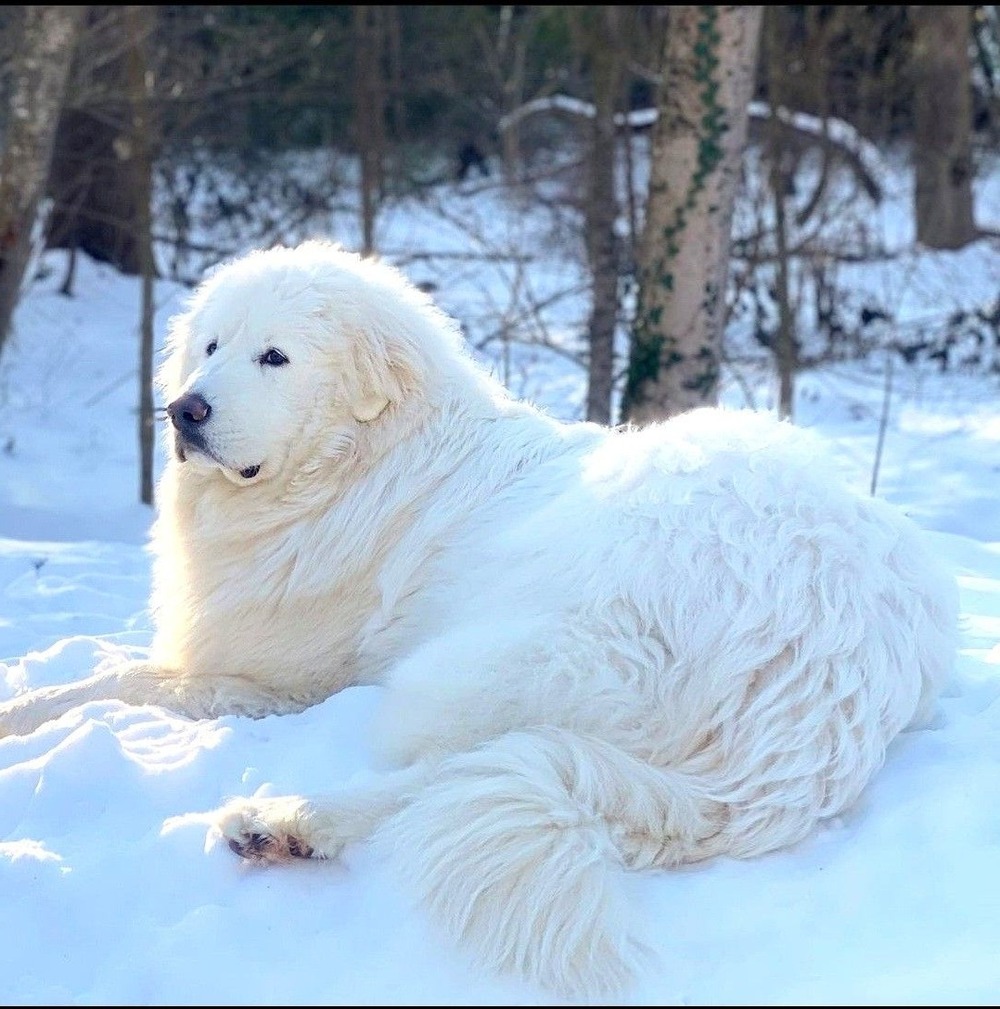
This breed tends to make the most sense for people who value steadiness, can live with some hair and some noise, and have the space and fencing to support a dog whose instincts revolve around a territory. They often thrive in rural or semi-rural settings, but plenty live well in suburban homes when their needs are met thoughtfully.
The key is to see the dog in front of you: a guardian with a calm presence, strong patterning around night-time alertness, and a body built for cold weather and endurance. When you work with those realities, rather than against them, the day-to-day experience usually feels far simpler.
References
- American Kennel Club, Breeds by Year Recognized
- FCI breed standard summary, Pyrenean Mountain Dog (dewclaws and key points)
- RSPCA NSW, Heat stress
- RSPCA Australia, Warm weather worries, protect pets from heatstroke
- Pyrenean Mountain Dog overview and history (background reading)
- Cornell University College of Veterinary Medicine, Gastric dilatation-volvulus (GDV) or “bloat”
- American Animal Hospital Association (AAHA), Understanding canine bloat (GDV)
- American College of Veterinary Surgeons (ACVS), Gastropexy and GDV overview
- AAHA, Nutritional Guidelines (endorsing WSAVA approach)