

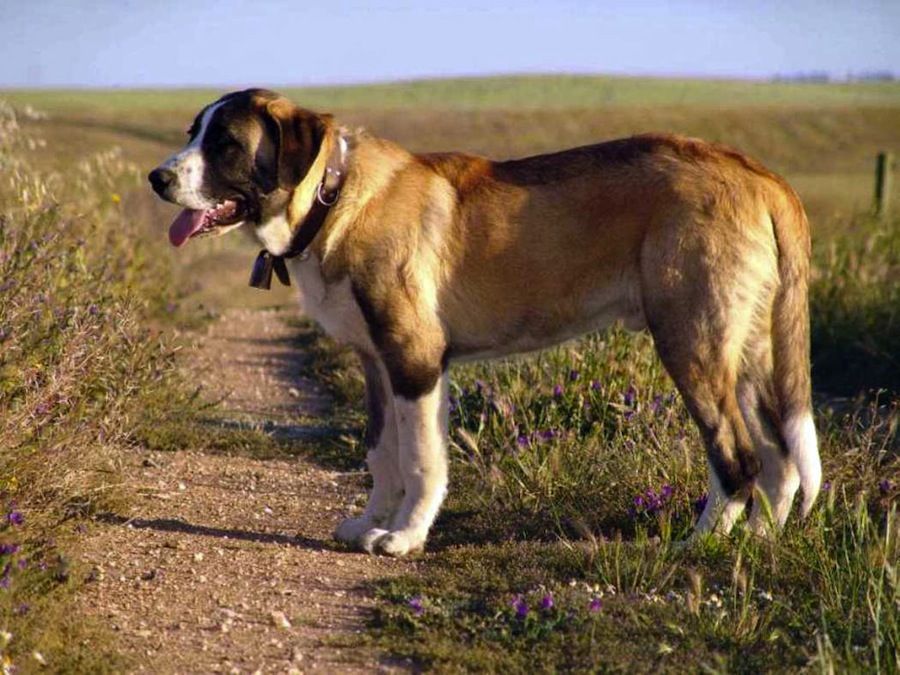
You might first notice a Rafeiro do Alentejo in a photo and assume it is a typical “guard dog”, big, heavy, maybe even a bit intense. Then you see the way the breed stands, steady and unhurried, and it starts to make more sense that it was shaped for long nights and wide paddocks, not busy streets and constant handling.
People often come to this breed when they are looking for a dog that can live alongside family life while also watching the property. That mix can work beautifully, but it asks for realistic expectations. A livestock guardian is not the same as a highly biddable working dog that wants to do ten drills a day, and it is not a dog that automatically enjoys strangers arriving at the gate.
The Rafeiro do Alentejo (sometimes called the Alentejo Mastiff) is a traditional Portuguese flock guardian, developed in the Alentejo region. Understanding what it was bred to do helps you read its behaviour more accurately, and make day to day care choices that suit the dog in front of you.1, 2
Breed snapshot at a glance
Country of origin: Portugal
FCI group: Group 2 (Molossoid, mountain type)
Typical size: Males 66 to 74 cm and 45 to 60 kg, females 64 to 70 cm and 35 to 50 kg
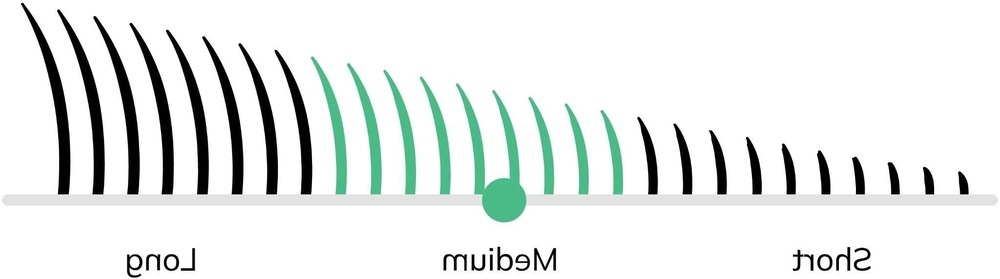
Coat: Short to medium length, dense
Life expectancy: Often around 12 to 14 years, with individual variation2
Early development and the livestock guardian role
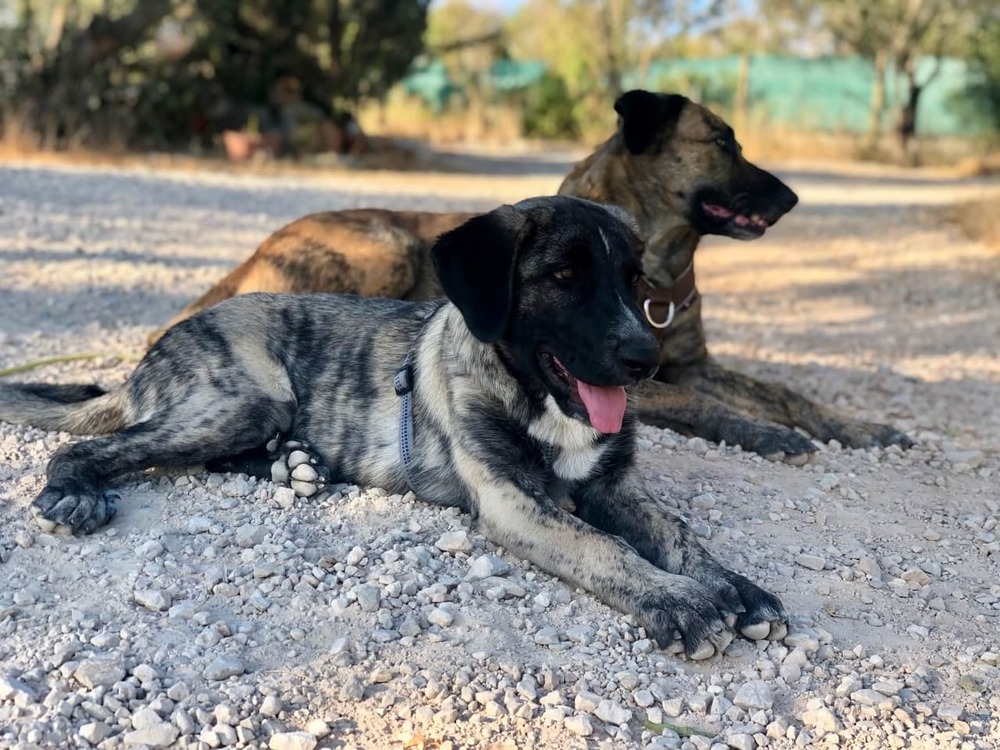
The Rafeiro do Alentejo’s history is closely tied to traditional pastoral life in southern Portugal. These were dogs expected to stay with stock, move with people over distance, and make decisions when something felt “off”. In that context, a calm, observant temperament is not a bonus feature, it is the whole job.1, 2
That heritage still shows up today. Many Rafeiros are naturally more vigilant at night, more reserved around unfamiliar visitors, and more comfortable when they have space and predictable routines. They can be affectionate with their people, but they are rarely a “life of the party” breed.
What “guardian” really means in practice
For owners, the most useful shift is this: instead of thinking “protective equals aggressive”, think protective equals selective. A well raised Rafeiro should not be looking for trouble, but it may be slower to accept new people and situations, especially if introductions are rushed or chaotic.2
Physical characteristics and appearance
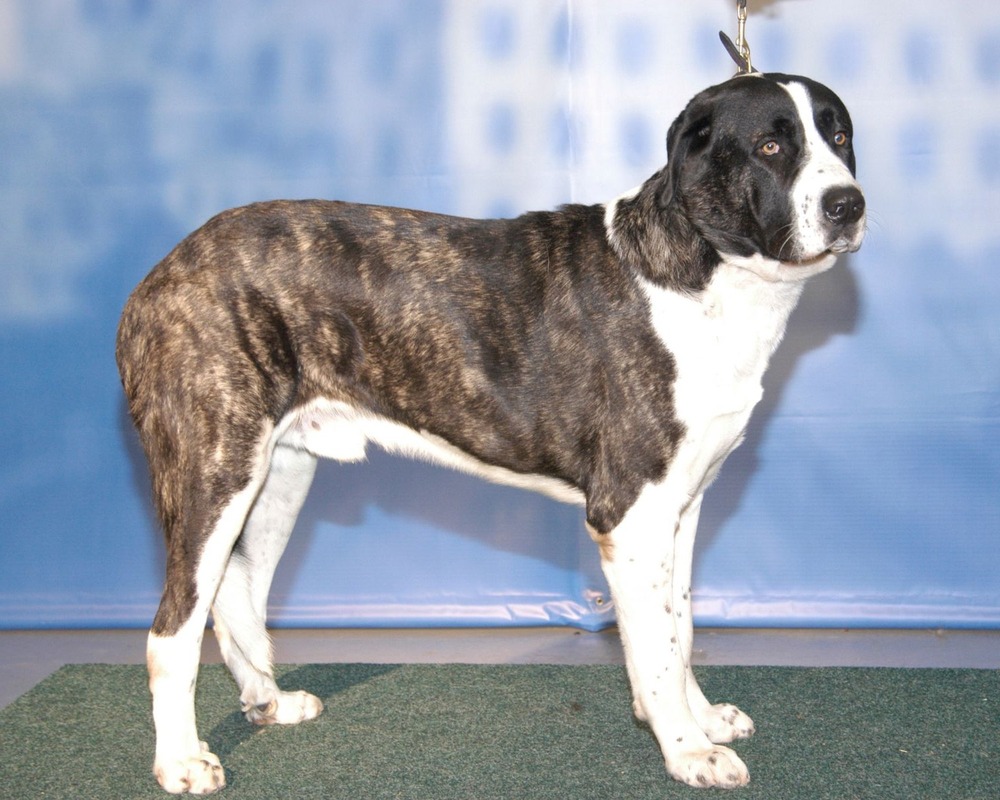
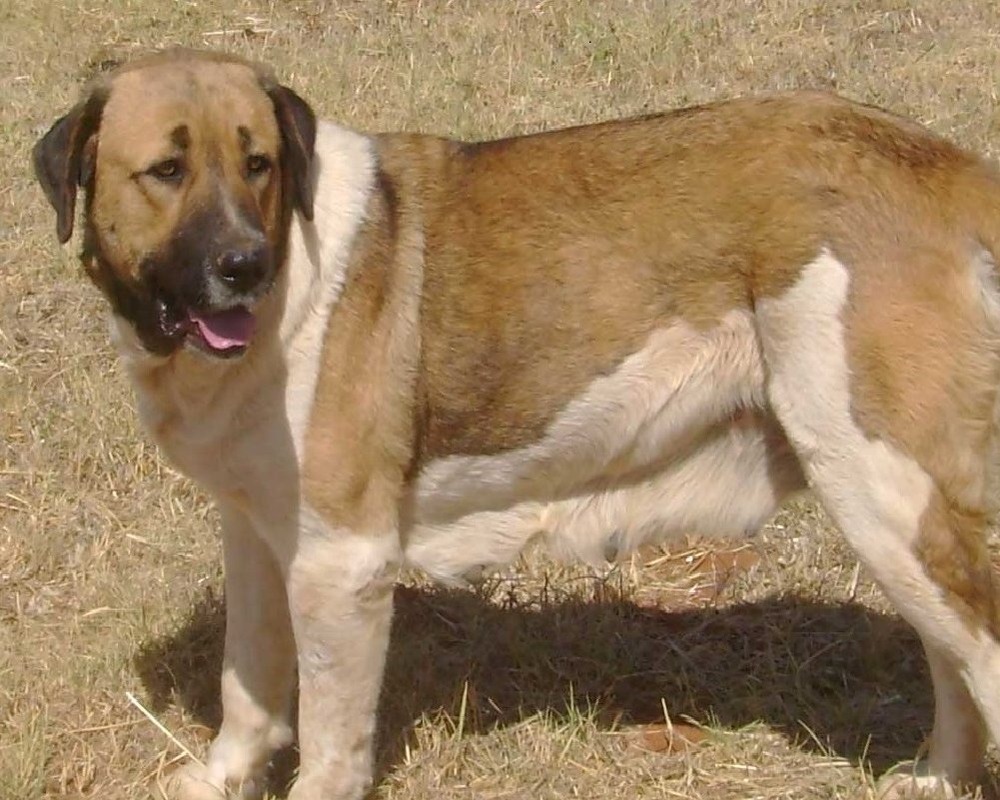
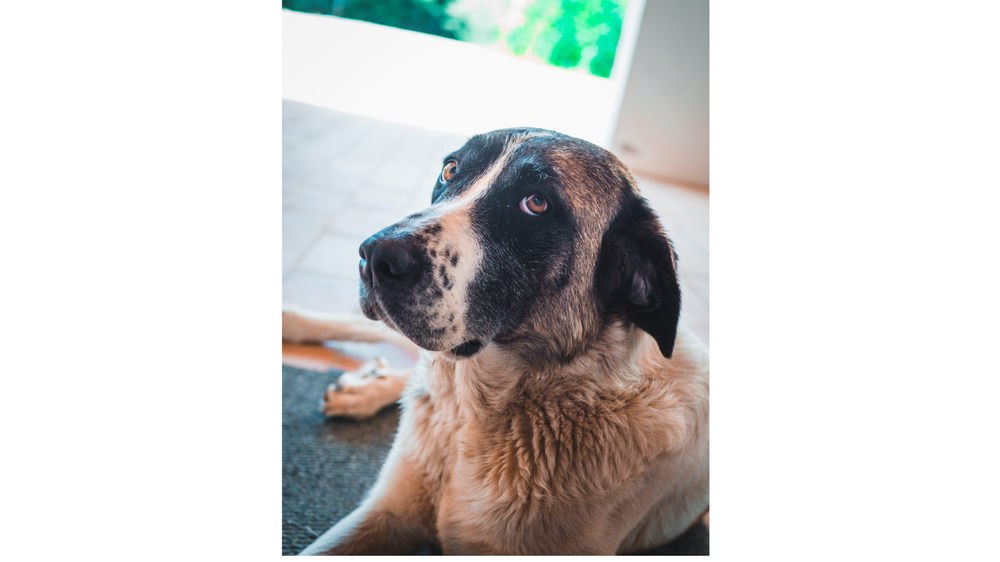
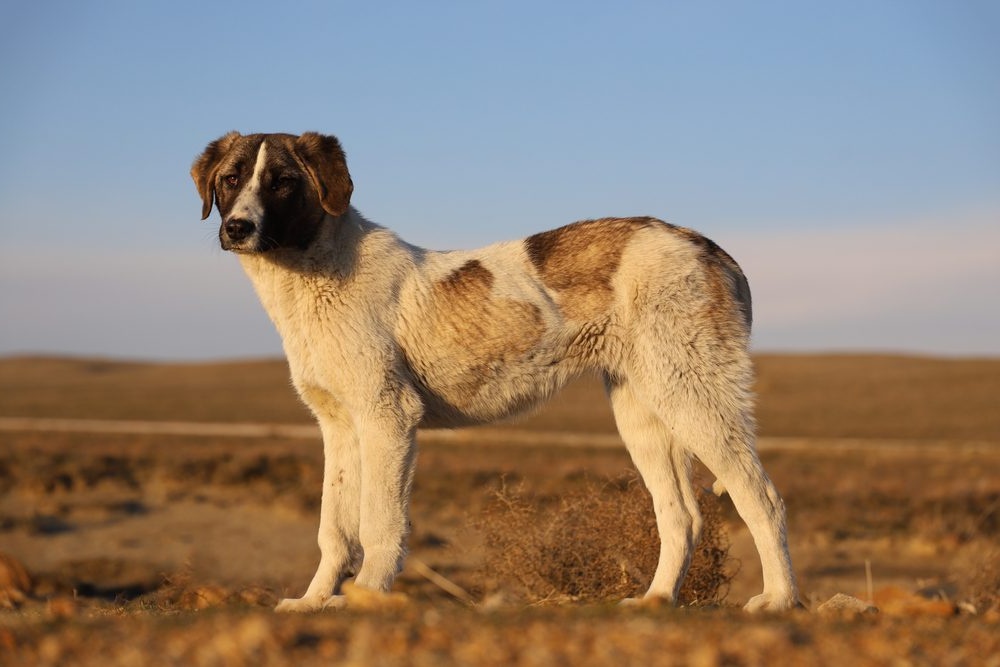
This is a large, powerful dog with a rectangular outline, built for endurance rather than speed. The head is substantial, the ears are small and drop, and the tail is long and carried low at rest. The overall impression is rustic and capable, not sculpted or flashy.2
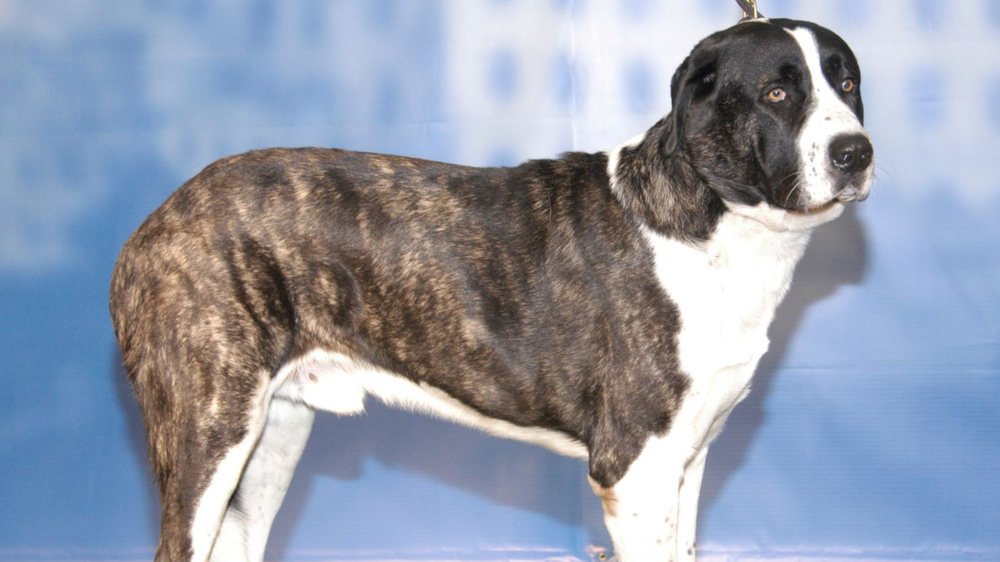
Coat colour can include fawn, brindle, black, wolf grey, or yellow, and the breed standard notes the presence of white markings. Coat length is short to medium and dense, designed to cope with outdoor living, but not so heavy that it eliminates the need for summer management in hot climates.2
Temperament, behaviour, and family suitability
In the home, many Rafeiros come across as settled and thoughtful. The official Portuguese breed description highlights a calm, confident expression, neither aggressive nor shy. That steadiness is one reason people fall for the breed, especially when they want a dog that does not need constant entertainment.1
With children, the key is the same as it is with any very large dog: supervision and boundaries. Size alone can lead to accidental knocks, and a guardian breed may be less tolerant of rough handling from visiting kids than it is with the children it lives with.
Other dogs, cats, and livestock
Rafeiros can live with other animals, but it is not something to leave to chance. Early, sensible socialisation helps, and so does management. If the dog’s role includes guarding animals on the property, you want introductions that are calm and structured, with safe separation options while everyone learns the routine.
Training and socialisation that suits the breed
Training is often described as “moderate” for this breed, not because they are unintelligent, but because they are independent. A Rafeiro is less likely to find repetition inherently rewarding, so the human needs to be clear, fair, and consistent.
Reward based training is a good match here. It helps you build cooperation without escalating conflict, which matters with a large dog that can simply choose not to move if it feels pushed. The RSPCA’s guidance is clear that reward based methods (positive reinforcement) are humane and effective, and it recommends avoiding punishment and aversive tools.3, 4
Socialisation with a guardian mindset
Socialisation is not about making your Rafeiro greet every stranger. It is about helping the dog feel safe and neutral in everyday situations: people walking past the fence, visitors entering the home, cars arriving, other dogs at a distance. Aim for calm exposure paired with good outcomes, not forced interaction.
Exercise and day to day enrichment
Most Rafeiros do well with moderate daily exercise, plus time to potter about in a secure space. Think steady walks, property rounds, sniffing, and problem solving games rather than high intensity ball throwing for an hour.
- Daily movement that keeps joints and muscles in good shape.
- Opportunities to sniff and explore, which is mentally settling for many dogs.
- Simple “jobs”, such as a predictable patrol of the yard, or learning to relax on a mat while visitors arrive.
In warm weather, be conservative. Heavier, thick coated dogs can overheat quickly, and the safest habit is to walk early or later in the day, provide shade and plenty of water, and avoid hot surfaces.5
Health considerations for large, deep chested dogs
Like many large breeds, Rafeiros can be affected by orthopaedic issues such as hip dysplasia. The practical response is not panic, it is planning: sensible growth in puppyhood, keeping the dog lean, and regular veterinary check ups that catch problems early.
Another condition owners should know about is gastric dilatation volvulus (GDV), often called bloat. The American College of Veterinary Surgeons describes GDV as a rapidly progressive, life threatening emergency, and notes that large and giant breeds are among those seen with the condition. If you ever see repeated retching, a distended abdomen, restlessness, or collapse, treat it as urgent.6
Practical habits that support long term health
No single routine prevents every problem, but day to day choices add up. For many large dogs, it helps to keep meals consistent, avoid sudden weight gain, and ask your vet what a healthy body condition looks like for your individual dog.
Coat care and grooming routines
Grooming is usually straightforward. A dense, short to medium coat benefits from occasional brushing to remove loose hair and keep the skin in good condition. Many owners find a weekly brush is enough most of the year, with more frequent brushing during seasonal shedding.
Do not forget the unglamorous basics: nails, ears, and teeth. With a large dog, small maintenance done regularly is easier than wrestling with problems that have built up over months.
Nutrition that keeps a big dog lean and steady
People often get pulled into food debates, ingredient lists, boutique diets, and strong opinions. A calmer, more useful approach is to choose a diet that is complete and balanced for the dog’s life stage, then monitor body condition and adjust with your vet’s guidance.
The World Small Animal Veterinary Association (WSAVA) offers practical tools for owners on selecting pet food and reading labels, including a reminder that ingredient lists can be misleading when used as the main measure of quality.7
If treats are part of training, keep them small and account for them, since weight management supports joint health and overall comfort. The RSPCA also notes obesity is a common issue and encourages owners to work with a vet and keep exercise in the daily routine.8
Final thoughts
The Rafeiro do Alentejo makes the most sense when you picture what it was bred for: quiet vigilance, long hours outdoors, and a strong sense of territory. If you can offer space, structure, and thoughtful training, you may find the breed’s steadiness is exactly what you were looking for.
If you are considering one, it is worth talking with experienced breeders, breed clubs, and your vet about temperament, health screening, and whether your home setup matches a livestock guardian type dog. The best outcomes tend to come when the dog’s instincts are understood, not argued with.
References
- Clube Português de Canicultura (CPC): Alentejo Mastiff (Rafeiro do Alentejo)
- Fédération Cynologique Internationale (FCI): Rafeiro do Alentejo (No. 96) breed standard details
- RSPCA Knowledgebase: Reward based dog training and why the RSPCA supports it
- RSPCA Knowledgebase: Training recommendations and avoiding aversive methods
- RSPCA Queensland: Heatstroke and staying cool (hot weather safety)
- American College of Veterinary Surgeons (ACVS): Gastric Dilatation Volvulus (GDV) overview and prevention
- WSAVA: Global Nutrition Guidelines (tools for selecting pet food and interpreting labels)
- RSPCA Australia: Ways to avoid obesity in dogs