

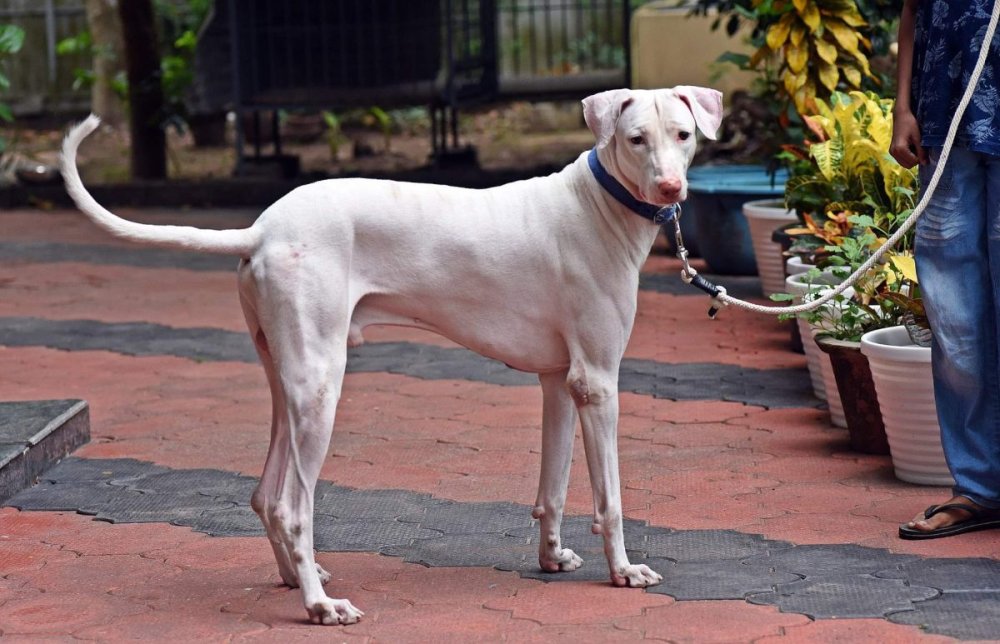
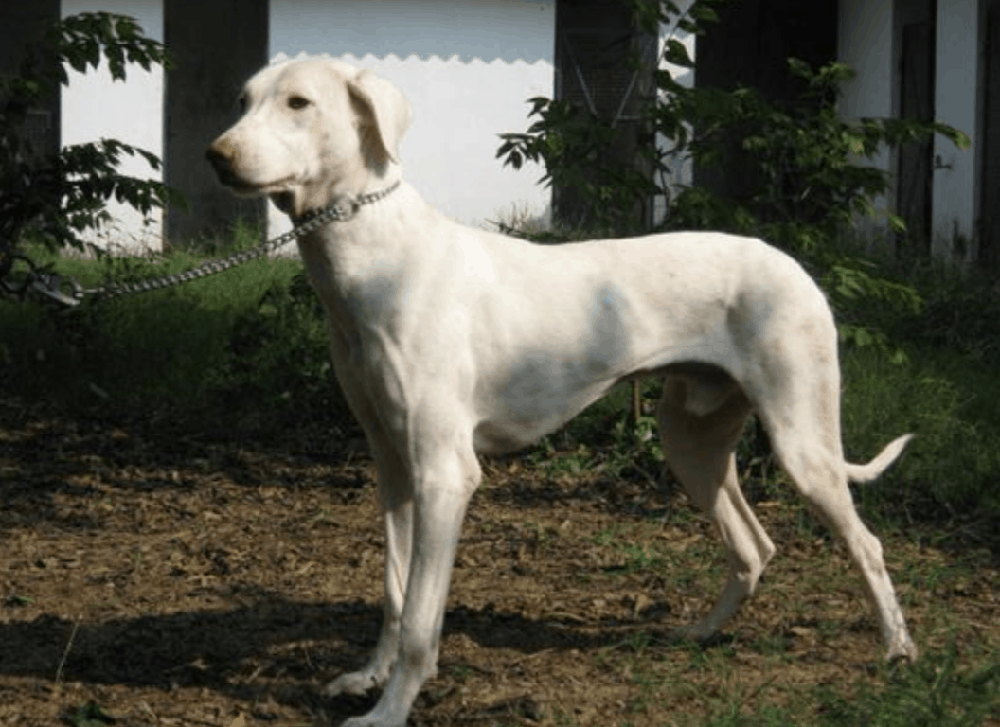
You might first notice a Rajapalayam as a flash of white at the end of a lead, a tall, fine-boned dog with a pink nose and a way of watching the world before stepping into it. People often assume that a pale, short-coated dog must be easy in warm weather and easygoing with strangers. With this breed, those assumptions can miss the point.
The Rajapalayam is a sighthound from southern India, shaped by generations of practical work as a hunter and estate guardian. That heritage shows up today in the things that matter day to day: how much space they need to move, how they respond to unfamiliar people and animals, and how important calm, consistent handling is if you want a settled companion.
If you are considering a Rajapalayam, or you have met one and felt curious, it helps to look past the striking coat and understand the dog underneath. This is a breed that can be deeply attached to its people, but it tends to do best with owners who value thoughtful training, good fencing, and a routine that meets both body and brain.
Breed snapshot
Breed category: Sighthound
- Origin: Rajapalayam region, Tamil Nadu, India1
- Typical size: Medium to large, athletic build (many sources place height around 60 to 75 cm)1
- Coat: Short, fine, usually white, often with a pink nose1
- Energy level: High, needs daily exercise and secure space
- Temperament (general): Loyal, reserved with strangers, naturally protective1
Where the Rajapalayam comes from, and why it still matters
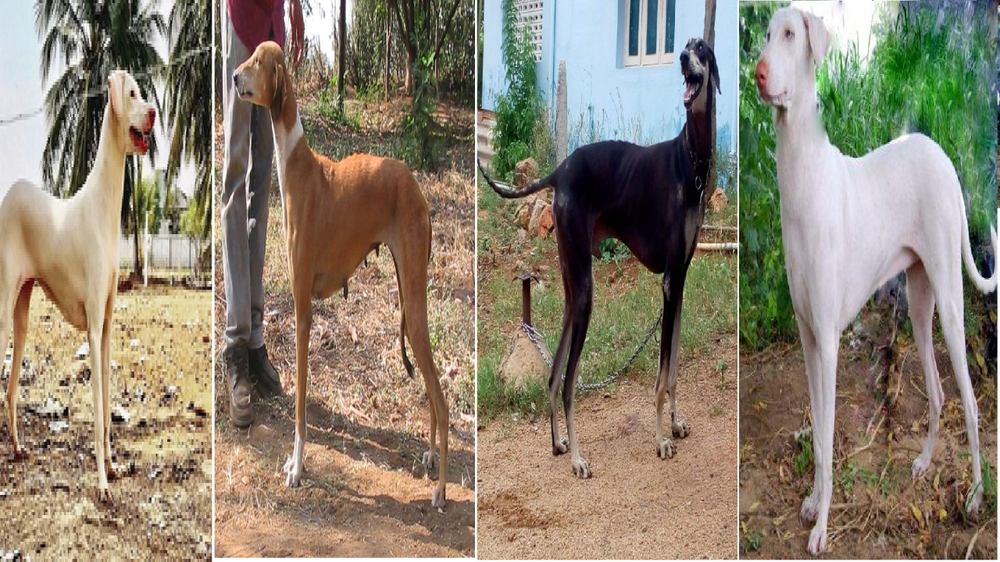
The Rajapalayam is named for a town in Tamil Nadu in southern India. It is often described as an Indian sighthound, traditionally valued for its ability to hunt by sight and move efficiently over distance, and also for being a steady guardian around home and livestock.1
Historical accounts connect the breed with local rulers and working roles, including hunting wild boar and guarding estates. Some modern sources also note the breed being evaluated or used in security contexts in India, though details vary and are not always consistently documented across official channels.1, 2
For owners, the practical takeaway is simple: this is a dog designed to make decisions while moving quickly, not a breed that naturally thrives on being confined and “kept busy” with a couple of short walks. Their history tends to show up as strong environmental awareness, a preference for familiar people, and a need for structured outlets for exercise.
Appearance and the traits people comment on first
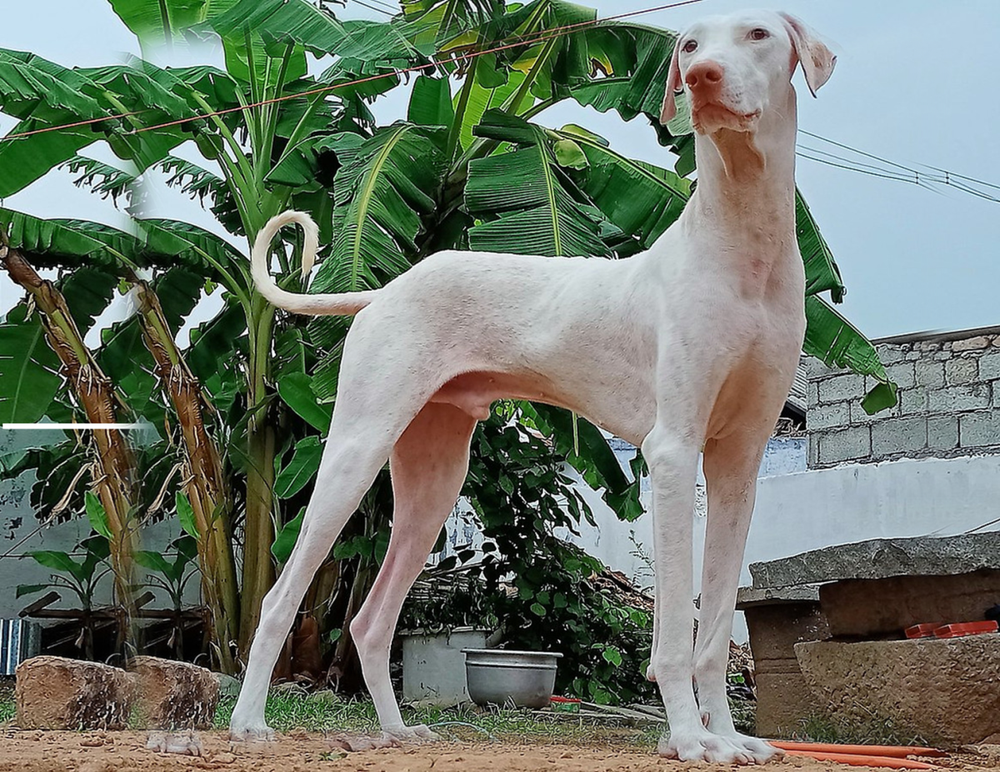
Most people recognise the Rajapalayam by its pale coat and pink nose. The breed is typically milk white, with a short, fine coat and a body built for speed, including a deep chest and long legs.1
Those looks come with a few real-world considerations. Light pigmentation can increase the risk of sun sensitivity, particularly on thinly haired areas such as the nose leather, ear edges, and belly. Shade, timing exercise away from harsh sun, and using pet-safe sun protection when advised can make a meaningful difference for pale-coated dogs.7
Another point worth handling carefully is hearing. Congenital sensorineural deafness is more commonly seen in some white-pigmented dogs, and responsible breeders in many breeds use BAER testing to assess hearing in puppies. If you are sourcing a Rajapalayam, ask direct questions about hearing testing, and be cautious about “blue-eyed pups” being sold without any health context.6
Temperament, guarding, and what “reserved” can look like at home
Rajapalayams are often described as loyal and protective, and many are naturally watchful with strangers. In day-to-day life, that can look like standing back, scanning, and deciding whether someone belongs in the dog’s circle. It is not necessarily fear, and it is not necessarily aggression, but it does mean socialisation and management matter.
A well-managed Rajapalayam usually benefits from clear routines and boundaries. Calm introductions, controlled access to windows and fences, and giving the dog a predictable “place” behaviour can reduce the amount of self-appointed guarding they feel the need to do.
With children, the pattern is often “best with familiar kids”. This is a sensible way to think about many large, fast-moving sighthounds: supervise closely, avoid rough handling, and teach children to give the dog space when resting and eating.
Other pets and prey drive, a topic to take seriously
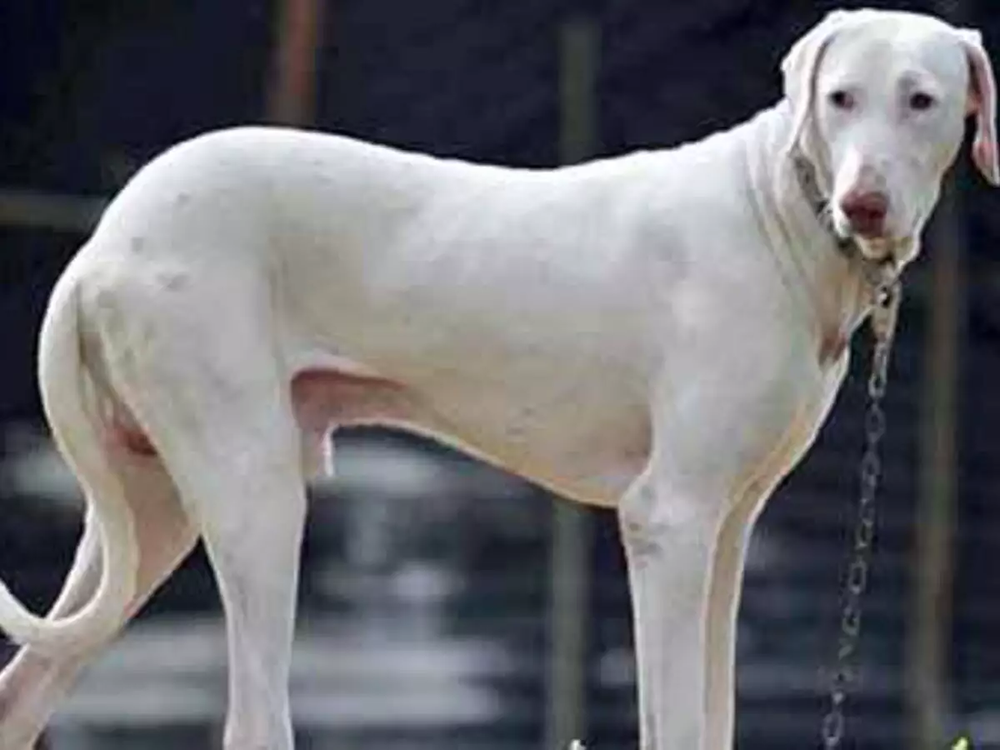
The Rajapalayam’s hunting background can translate into a strong chase response. Some individuals live peacefully with other dogs, and some can be tense or reactive, particularly with unfamiliar dogs on lead or small animals that run.
If you have cats, poultry, rabbits, or small dogs, plan around management first, training second. That can mean secure separation indoors, long lines during training, and careful use of barriers while you build calm behaviours. Even with good training, it is wise to assume that a fast, sight-driven dog may chase if given the opportunity.
Training approach that suits the breed
Rajapalayams can learn quickly, but “quick” is not the same as “compliant”. Many sighthounds respond best when training feels fair, clear, and worth their effort. Heavy-handed corrections often backfire, either by shutting the dog down or by increasing conflict around handling.
Reward-based training methods, built on positive reinforcement, are widely recommended by animal welfare organisations because they support learning and the human-dog relationship without relying on aversive tools.4, 5
Practical starting points that suit many Rajapalayams include:
- Recall foundations with long-line safety, especially before any off-lead privileges.
- “Settle on a mat” and calm stationing behaviours for visitors and household routines.
- Neutral exposure to new people, places, and dogs, kept below the dog’s stress threshold.
Exercise and enrichment, meeting the dog you actually have
This breed typically needs daily movement that allows for both steady pace and occasional faster bursts, in a secure area. Many owners find that one long walk is not enough on its own. The dog may still look for outlets through pacing, fence-running, or hypervigilance.
A useful mix is a brisk lead walk plus controlled free running in a safely fenced space, paired with low-key brain work. Scent games, structured training sessions, and food-based enrichment can take the edge off without constantly winding the dog up.
In hot weather, adjust the plan. Dogs can overheat quickly, especially if they are exercising hard, and pale-coated dogs also need sun protection strategies. Prioritise shade, airflow, water access, and cooler times of day for exercise.7
Health notes, lifespan, and what to watch for
Published breed summaries commonly cite a lifespan around 10 to 12 years, though individual dogs can fall either side depending on genetics and care.1
Beyond general canine health care, a few points come up regularly with Rajapalayams and similar pale-coated, short-haired types:
- Hearing assessment if there are any concerns about responsiveness, especially in young dogs, since congenital deafness is linked to some white-pigmented animals.6
- Skin care and parasite prevention, because short coats offer less physical barrier and mild irritation can become obvious quickly.
- Sun protection habits for exposed areas on high-UV days.7
If you are working with a breeder, it is reasonable to ask what health screening they do, what they see most often in their lines, and what support they offer if issues arise.
Coat care, grooming, and daily handling
The Rajapalayam coat is usually low maintenance: a quick weekly brush to lift loose hair, occasional baths, and routine nail and dental care. Because the coat is short and light, dirt can show, but it also tends to rinse out easily.
What matters more than “grooming” is handling comfort. Practice gentle checks of ears, paws, and mouth from puppyhood. For a dog that can be reserved, cooperative care skills can prevent future stress during vet visits and routine maintenance.
Feeding and body condition, keeping an athlete lean
Most Rajapalayams do best when kept lean and fit, with a visible waist and easy-to-feel ribs under a light layer. Sighthound-like builds can look “too thin” to people used to stockier dogs, so it helps to use body condition scoring and your vet’s guidance rather than eyeballing from across the yard.8
Choose a complete, balanced diet appropriate to age and activity level, and adjust quantities based on condition, not the back of the bag. If you are doing high-intensity exercise, discuss feeding timing with your vet to reduce the risk of stomach upsets around activity.
Is a Rajapalayam a good fit for you?
A Rajapalayam can be a steady, devoted companion in the right home. They tend to suit people who appreciate a dog that is observant and independent-minded, and who can provide safe space, thoughtful training, and daily exercise that is more than a token walk.
If you are drawn to the breed for its appearance alone, it is worth pausing. The best match usually comes from liking the whole package: the speed, the watchfulness, the need for secure management, and the quiet loyalty that often deepens as trust builds.
References
- Wikipedia: Rajapalayam dog
- Moneycontrol: Indian dog breeds working with security forces (includes Rajapalayam)
- Wikipedia: Worldwide usage of police dogs
- RSPCA Knowledgebase: Dog training recommendations
- RSPCA Knowledgebase: Reward-based dog training
- LSU Veterinary Medicine: Congenital deafness and recognition
- RSPCA Australia: Keeping your pet safe during heat
- WSAVA: Global Nutrition Guidelines