

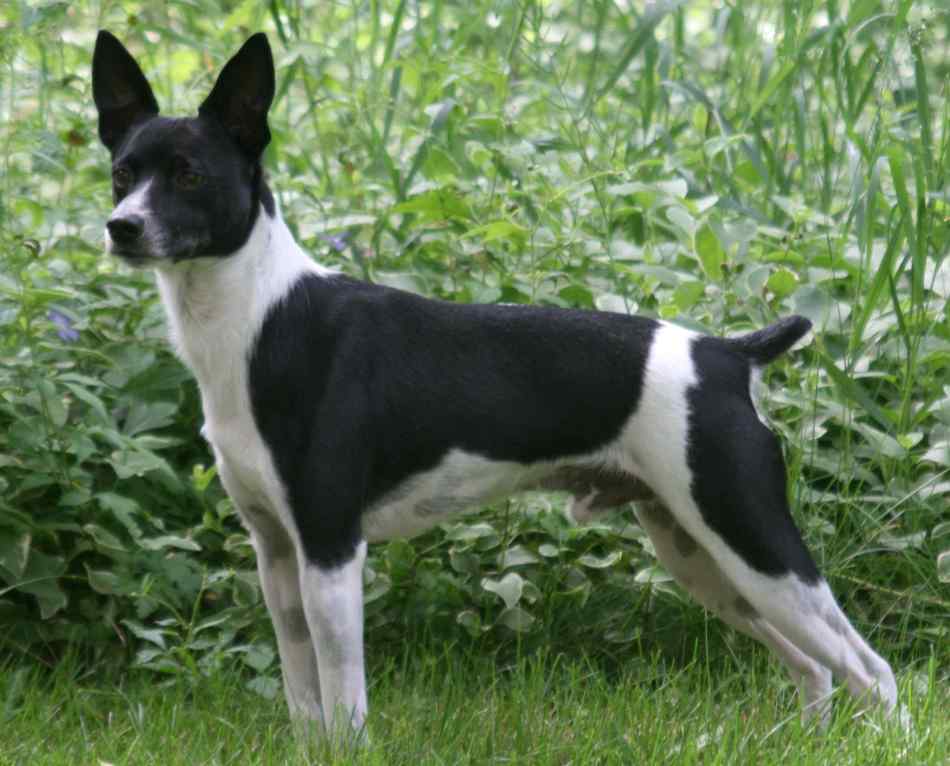
You might notice it first as a blur across the backyard, a dog that can clear a baby gate without much effort, or a small companion who seems to have an opinion about every sound in the street. Rat Terriers often show up in people’s lives like that, not as a neat “breed choice” on paper, but as a lived experience of quick movement, quick learning, and a surprising amount of presence in a small body.
It is easy to assume small dogs are naturally low maintenance. With Rat Terriers, the coat is simple, yes, but the mind and body are busy. They were shaped around practical work, and a lot of their day to day behaviour still makes sense when you remember that. Understanding that background can help you enjoy the lively bits, and manage the ones that catch people off guard.
What follows is a grounded look at what Rat Terriers are like to live with, how they came to be, and what helps them thrive in an ordinary home.
- Breed category: Terrier
- Country of origin: United States
- Height: about 25 to 46 cm at the shoulder
- Weight: about 4.5 to 11 kg
- Typical lifespan: about 12 to 18 years
- Coat: short, smooth
- Shedding: moderate
- Energy level: very high
- Exercise needs: high, daily movement plus mental work
- Grooming needs: low, occasional brushing
History and origin
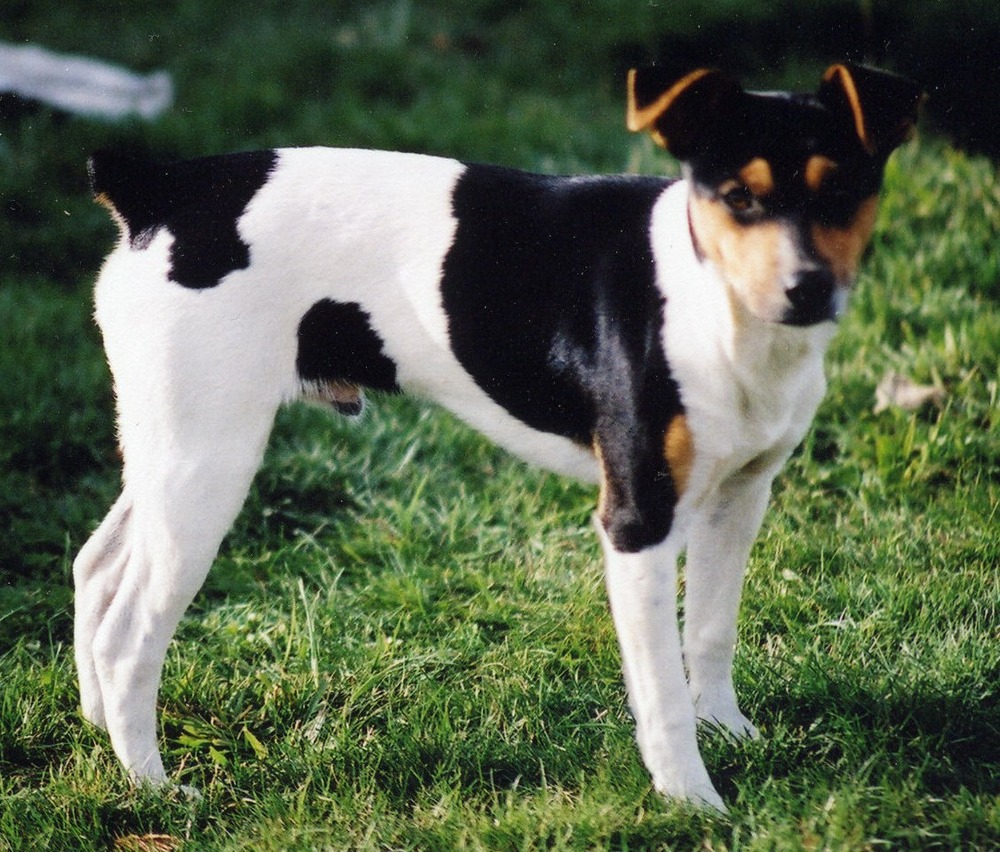
Rat Terriers are an American breed with roots in working terriers brought to the United States by immigrants. Over time, those early dogs were crossed with other breeds to suit local needs, including small game hunting and fast, efficient vermin control. The United Kennel Club describes likely influences such as Smooth Fox Terrier and Manchester Terrier types, plus Whippets or Italian Greyhounds for speed, and Beagles for hunting ability.1
In practical terms, that history explains a lot. The modern Rat Terrier tends to be quick to respond, alert to movement, and motivated by chase. On farms, those traits were useful and rewarded. In suburbia, they can be delightful, but they can also turn into fence running, pestering the cat, or reacting to every bird in the garden if there is no outlet.
You will sometimes see claims that President Theodore Roosevelt “created” the breed, or that a Rat Terrier specifically cleared the White House of rats. The more accurate version is simpler: Roosevelt owned small ratter type dogs and wrote about one (Scamp) killing rats in the White House, and his public profile helped popularise ratter dogs in general. The exact label we would use today is not always clear, and many of those dogs were mixed or “feist” types by modern definitions.2
Physical characteristics
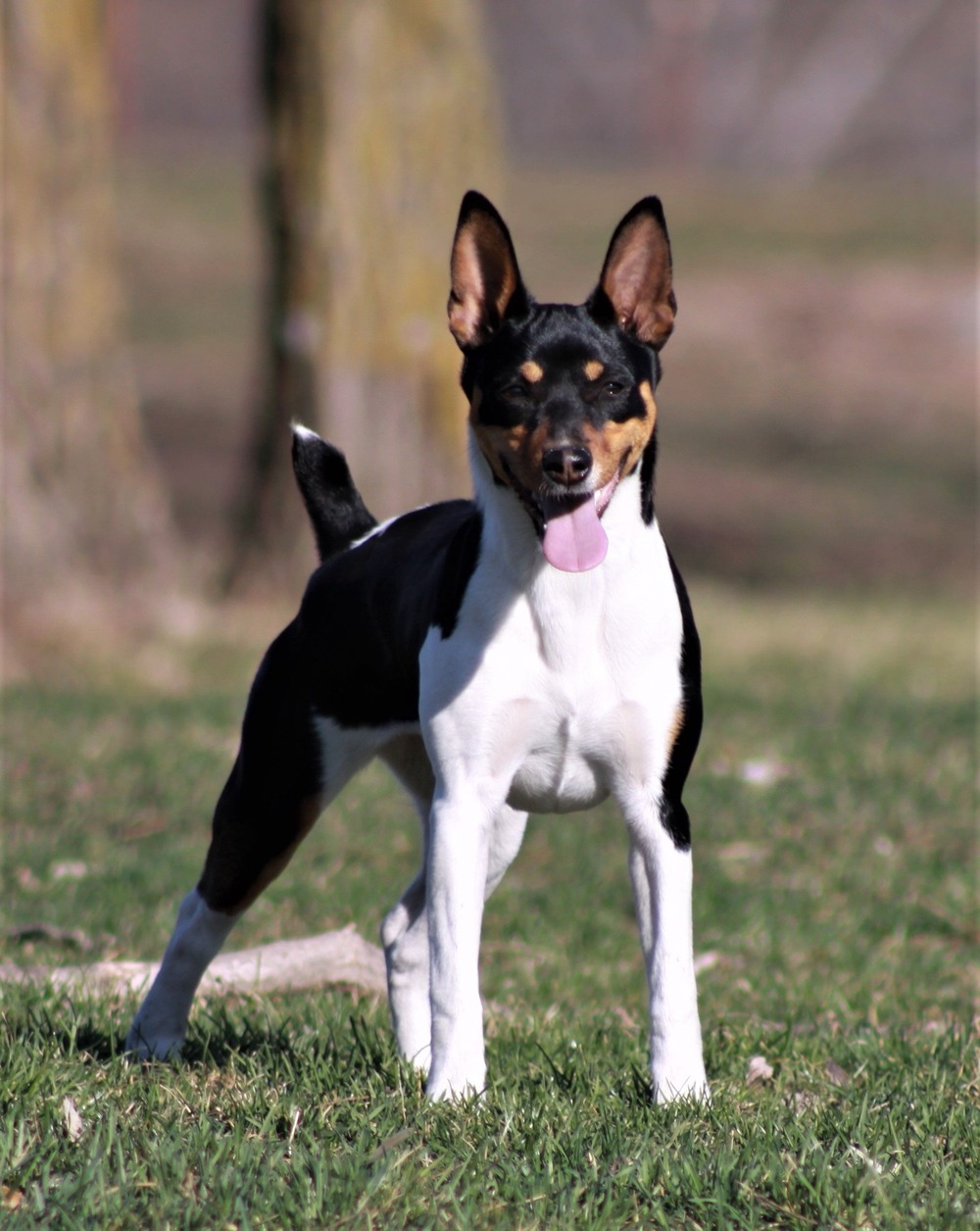
Rat Terriers are small to medium, athletic terriers with a short, smooth coat. Ears may be erect or button, and tails can be full length, naturally bobbed, or docked depending on local practice and individual dog. The overall impression is of a compact dog built for movement, not decoration.1
The coat comes in a range of colours and patterns, often with white and patches. Grooming is usually simple, but the short coat does not provide much insulation. In cooler weather, many Rat Terriers benefit from a coat for long walks, and they often prefer warm bedding indoors.
They are also known for athletic jumping and rapid turns. Rather than leaning into “fun facts” about how high they can jump, it is more useful to treat it as a management note: if your Rat Terrier has discovered counters, fences, or window ledges, you may need a plan that includes secure boundaries and more structured activity.
Temperament and behaviour
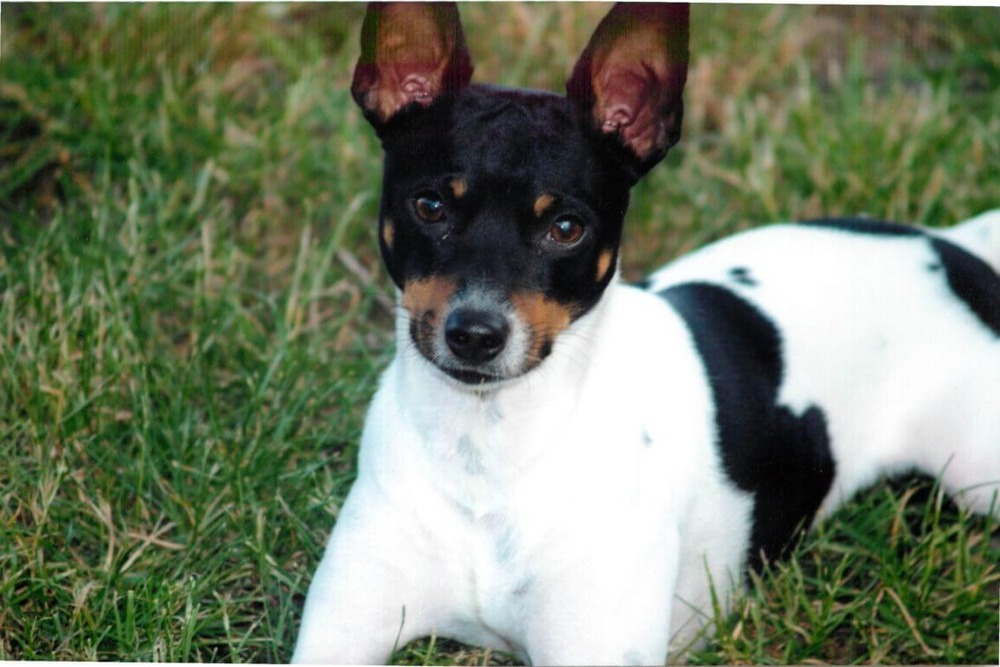
Most Rat Terriers are bright, people oriented dogs who enjoy being involved. They often learn quickly, notice patterns, and can be surprisingly “hands on” in the home. This is one of the joys of living with them, and also the reason they can become bored faster than some other small breeds.
It helps to think in terms of drives rather than “naughtiness”. Many have a strong interest in scent, movement, and chase. That can show up as digging, hunting insects, stalking birds, or fixating on small pets. With steady exposure and management, plenty of Rat Terriers live well with other animals, but it is wise to assume prey drive is possible, especially with rabbits, guinea pigs, and poultry.
They can be good family dogs when their needs are met and children are taught appropriate handling. Because Rat Terriers are quick and physical, play can escalate if kids run and squeal. Calm, structured games, and plenty of breaks, usually work better than constant rough and tumble.
Vocalising varies by individual, but many will bark to alert. For owners, the workable goal is often “thank you, that is enough” rather than trying to eliminate barking entirely. Training an alternative behaviour, such as going to a mat, can make the home feel calmer without suppressing the dog’s natural watchfulness.
Training and exercise needs
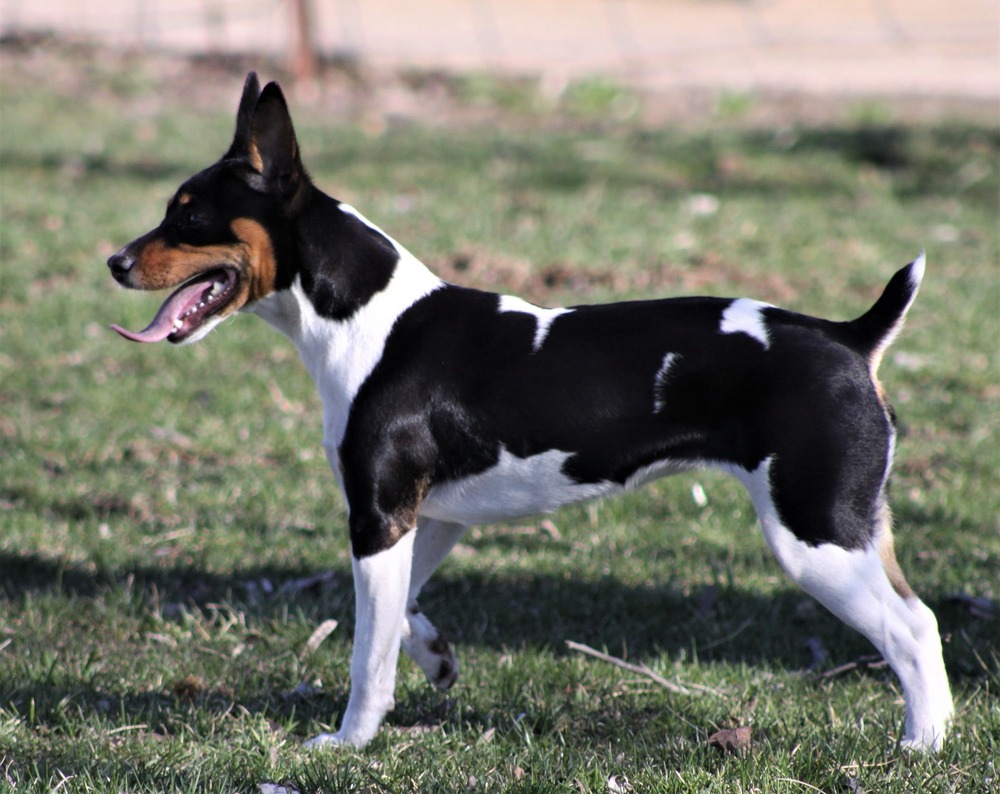
Training a Rat Terrier tends to go well when it is practical, upbeat, and consistent. They often respond strongly to rewards, but they also notice when rewards are unpredictable or when rules change from person to person. Short sessions, repeated often, suit them better than long drills.
Early socialisation matters, but it does not have to mean “meet everyone”. For many Rat Terriers, the more valuable skill is learning to settle around the ordinary world, bicycles, visitors, other dogs at a distance, and noises from the street. A calm dog who can disengage is usually easier to live with than a dog who is friendly but overstimulated.
Exercise needs are usually high. Many adults do best with a mix of walking and free running, plus mental work. Useful options include:
- sniff walks where the pace is slow and the dog chooses the route
- fetch or tug with clear start and stop cues
- basic agility foundations or backyard obstacle work
- food puzzles and scatter feeding
- short training games that build impulse control
If you live in an apartment, it can still work well, but you will want a realistic plan for daily movement and something that occupies the brain. Many “behaviour problems” in this breed soften noticeably once the dog has predictable outlets.
Health and lifespan
Rat Terriers are often described as generally hardy, partly because of historical outcrossing. Even so, there are known issues within the breed, and it is sensible to choose breeders who health test and can explain why they made a pairing. The Canine Health Information Center (CHIC) lists common recommended evaluations for Rat Terriers, including screening for patellar luxation, hip dysplasia, and cardiac issues, among others.3
In day to day life, small active terriers also benefit from basic joint and dental care routines. Keeping them lean matters because extra weight can increase stress on knees and hips. If you are unsure about your dog’s ideal condition, ask your vet to show you how to use a body condition scoring system so “healthy weight” becomes something you can check at home, not a vague idea.4
Dental disease is common across dog breeds, especially in smaller dogs. Home tooth brushing is one of the most effective habits owners can build, and it is worth asking your vet for a demonstration that suits your dog’s mouth and temperament. Be cautious with very hard chews that can crack teeth, and seek veterinary advice before relying on “anaesthesia free” dental scaling, which many veterinary dental groups do not recommend as a replacement for proper assessment and treatment.5
With good care, many live into their teens. A longer lifespan also means thinking ahead about what “manageable exercise” looks like in older age, and how you will keep an older terrier mentally satisfied when sprinting is no longer comfortable.
Grooming and maintenance
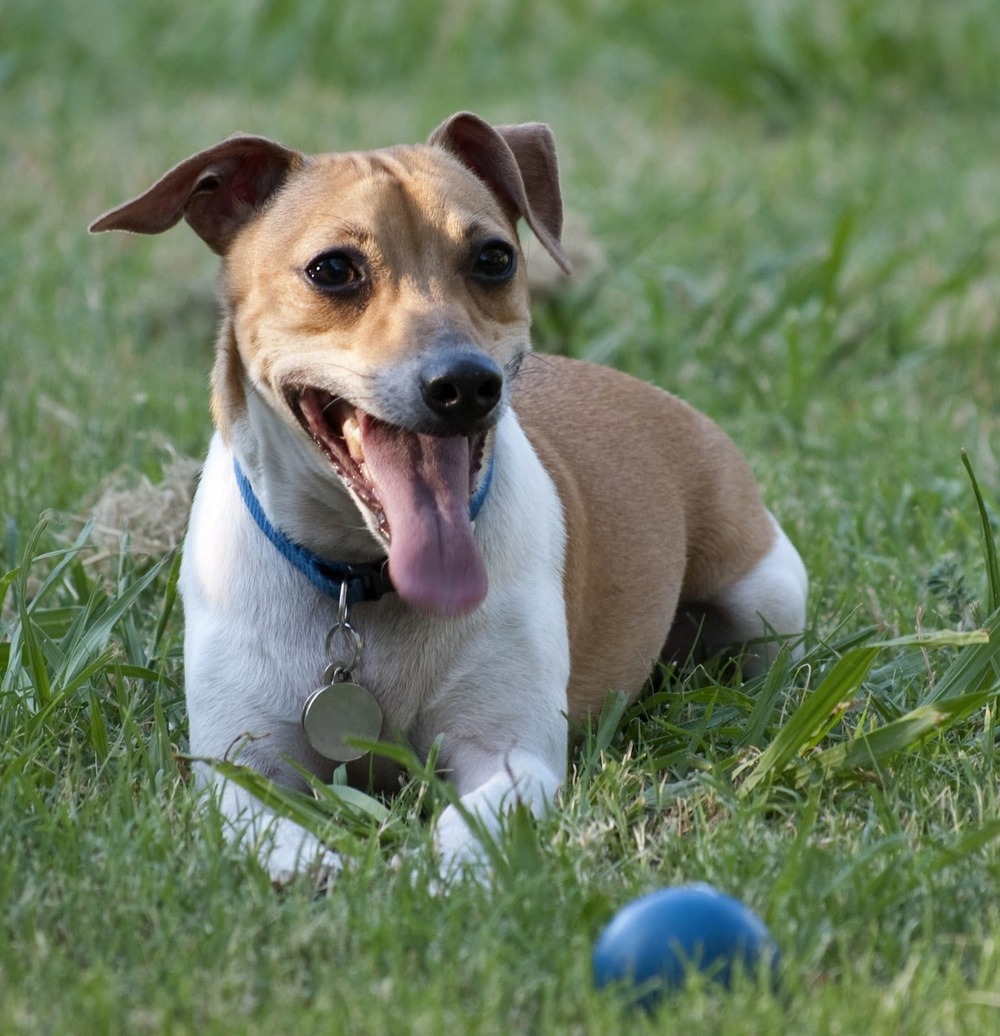
Coat care is usually straightforward: a weekly brush or wipe down to lift loose hair, plus baths only when needed. Their short coat can make them feel clean and low odour, but it also means you will notice dry skin or irritation quickly, which can be helpful for early detection.
Routine maintenance is less about “beauty” and more about comfort and prevention. In most homes that includes:
- nail trimming so the dog can move naturally without slipping
- regular ear checks, especially if the dog swims or gets frequent baths
- daily or near daily tooth brushing, where possible5
Shedding is often described as moderate. You may see it more seasonally, but indoor dogs can shed steadily year round because artificial heating and lighting flatten those natural cycles.
Diet and nutrition
Rat Terriers do best on a complete, balanced diet that suits their life stage and activity level. Because they are energetic and smart, it is easy to overuse treats during training without noticing the calories stacking up. Measuring meals, using part of the daily ration for training, and checking body condition regularly can help keep things on track.4
Table scraps can also create problems, not only for weight but for safety. Common household foods such as chocolate, grapes and raisins, and onions and other alliums can be toxic to dogs. When in doubt, it is safest to assume a food is not dog friendly until you have checked a reliable source.6, 7
If your dog eats something risky, or you are not sure what was swallowed, seek professional advice promptly. In Australia, the Animal Poisons Helpline provides guidance for suspected poisonings and lists common hazards (including foods and household toxins).8
Living well with a Rat Terrier
Rat Terriers tend to thrive when home life includes a bit of structure. They do not need constant entertainment, but they usually do need a sense that something is happening each day, a walk with time to sniff, a short game, a small training session, a job like finding treats in the grass.
If you are choosing the breed, it can help to ask yourself one quiet question: do you enjoy a dog who notices everything? If the answer is yes, a Rat Terrier can be a wonderful companion. If you prefer a dog who fades into the background, you may find their alertness tiring, even if you love their look.
For many owners, the sweet spot is meeting the dog’s needs early in the day and then actively teaching rest. A Rat Terrier who can settle, switch off, and be comfortable with boredom is not a different personality. It is usually a dog who has learned, patiently and consistently, that calm behaviour also leads to good things.
References
- United Kennel Club (UKC): Rat Terrier (breed standard and history)
- Wikipedia: Teddy Roosevelt Terrier (historical notes on Roosevelt’s ratter dogs)
- Canine Health Information Center (CHIC): Rat Terrier (recommended health screenings)
- WSAVA: Global Nutrition Guidelines (including body condition scoring resources)
- American Veterinary Dental College (AVDC): Pet owner resources (dental care guidance)
- Agriculture Victoria: Human foods to avoid for cats and dogs
- RSPCA Australia: Household dangers to your pet (including toxic foods)
- Animal Poisons Helpline (Australia): Common poisons