

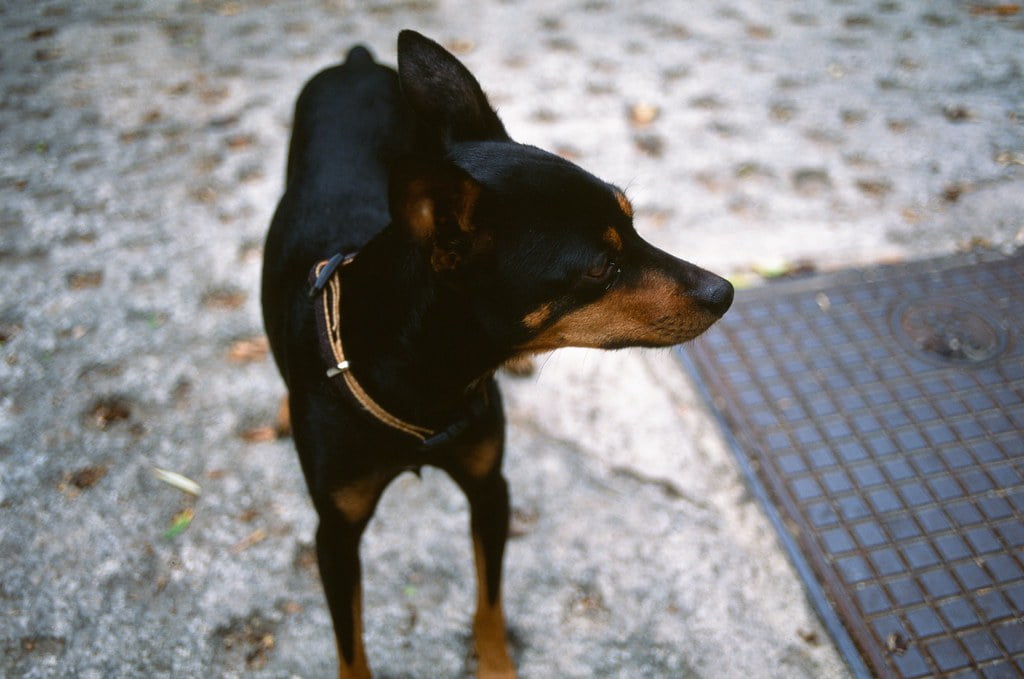
You might come across the Ratonero Mallorquin after spotting a small, sharp little dog in a photo from Spain, or hearing someone describe a “ratter” that is quick on its feet and surprisingly steady in the house. It can be hard to tell what is real breed information, what is general terrier talk, and what is simply guesswork repeated online.
What tends to surprise people is that these dogs were shaped by very practical needs. They are not “miniature” versions of something bigger, and they are not just pets that happen to be lively. Their history sits in everyday farm life on Mallorca, where a good dog was expected to notice movement, move fast, and stay useful without constant fuss.
If you are considering one, or you are simply trying to understand what you are seeing, it helps to look at the breed as a working small dog first, and a companion second. That lens makes their energy, training needs, and home suitability much easier to make sense of.
At a glance: the Ratonero Mallorquin
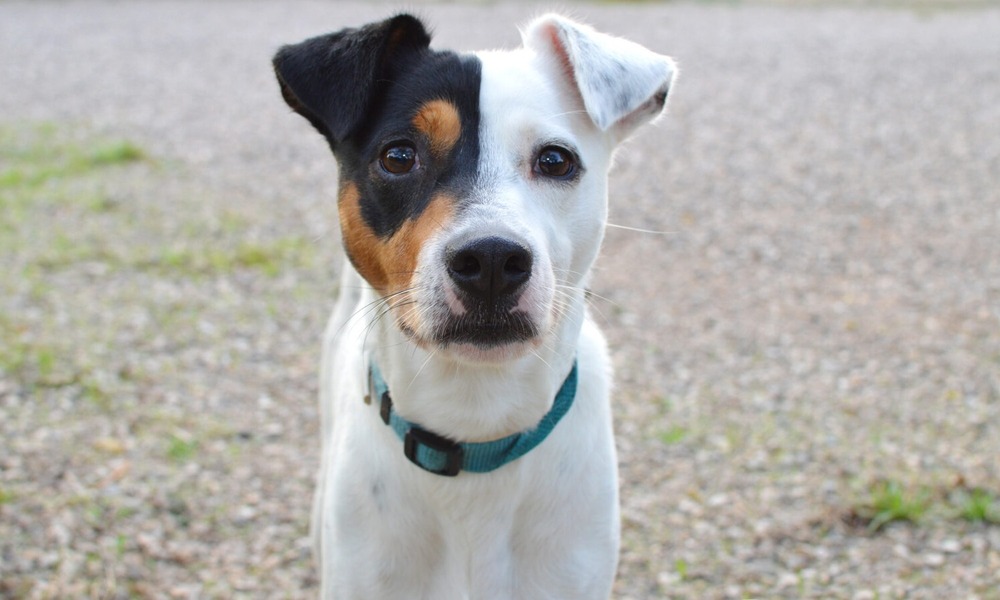
The name you will see in Spanish and Catalan sources is often Ca Rater Mallorquí, which points straight to its traditional work as a ratter on Mallorca in the Balearic Islands.1, 2
- Origin: Mallorca (Balearic Islands), Spain1
- Type: Small ratter-type dog (often grouped informally with terrier-like working dogs)1
- Coat: Short, generally low effort to maintain1
- Recognition: Recognised by regional authorities in the Balearic Islands (2002) and included in Spanish national listings of indigenous dog breeds (2004). It is not recognised by the FCI.1, 2, 3
Size ranges vary by source, partly because the breed is uncommon outside its home region and because different references draw from different standards or populations. If size is important to you, ask a breeder or rescue to show you adult dogs from the same lines, not just puppy photos.
Origins and what the breed was made for
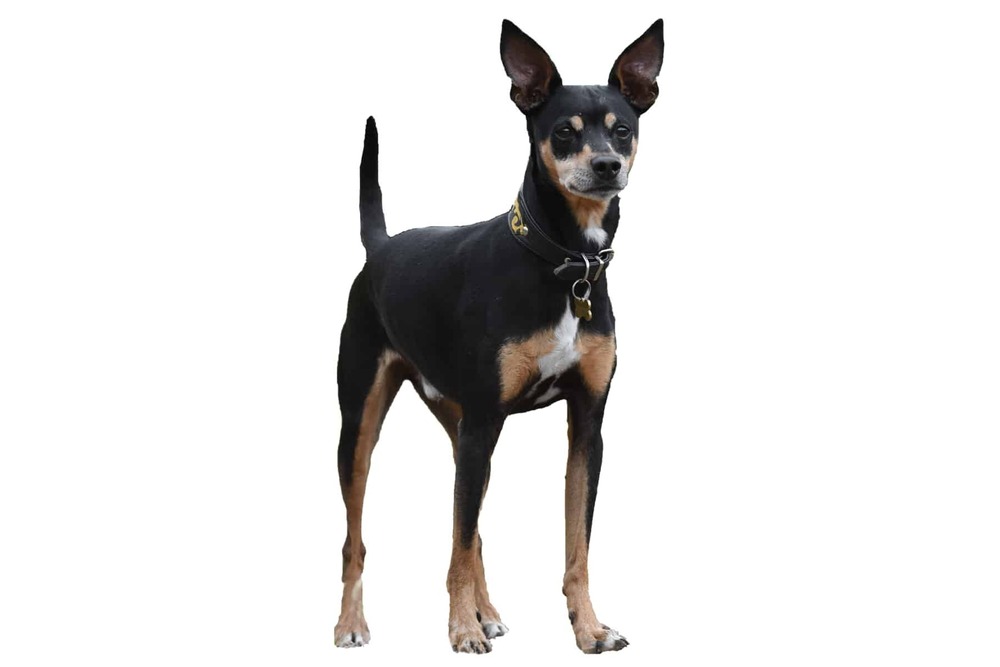
The Ratonero Mallorquin developed on Mallorca as a handy, economical working dog, particularly valued for controlling rats and other small pests around farms and wetlands.1, 4
The deeper history is a little hazy, and that is worth saying plainly. Some sources note limited documentary evidence before the late nineteenth century, and they point out similarities with the Gos Rater Valencià, possibly linked to human movement and work patterns between regions.1, 4
What is consistent is the functional picture: a small dog expected to work close to people, react quickly, and persist with a job. In modern times, accounts also mention use in hunting rabbits in thick scrub, which fits the same “get in, get moving” style of dog.1
Temperament in everyday homes
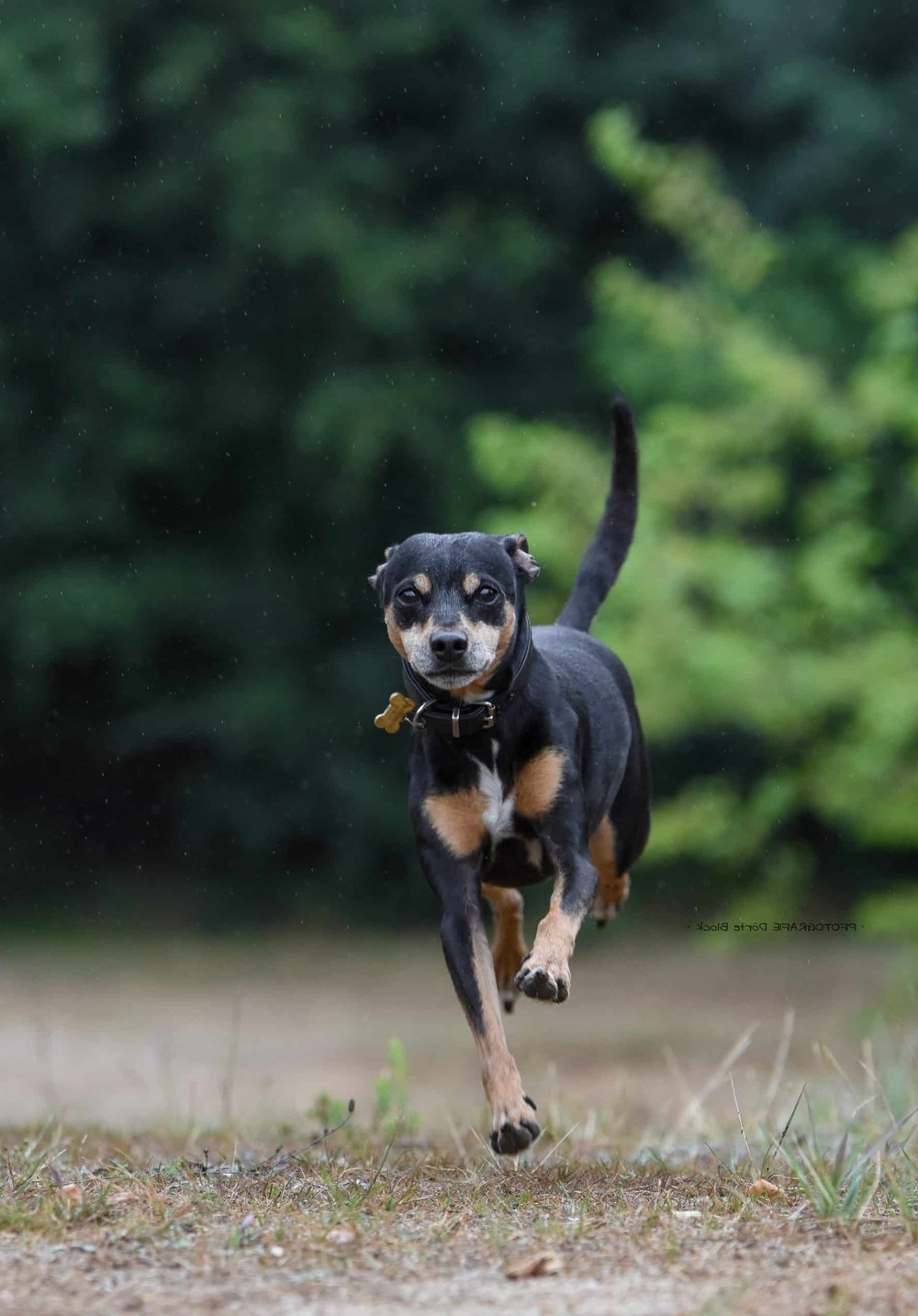
People often describe this breed as bright and busy, and that tends to land as either “great fun” or “a bit much”, depending on the household. A working ratter does not switch off simply because it lives in a lounge room.
In practice, many do well with families when the basics are in place: predictable exercise, gentle boundaries, and enough mental work that they are not left to invent their own entertainment. The most useful mindset is active small dog, not “easy little lapdog”.
Watchfulness is part of the package. That can be helpful if you like a dog that notices things, but it can also show up as barking at noises, movement outside, or visitors. Early teaching around calm greetings and a “settle” routine matters more than trying to suppress the behaviour after it is established.
Training that suits a clever, quick dog
With small working breeds, training is often less about “can they learn” and more about “what do they practise daily”. Positive reinforcement methods are widely recommended by veterinary and animal welfare organisations because they build clear communication and reduce fear and conflict in training.5, 6
Keep sessions short, then scatter practice through normal life. A few minutes of recall games, lead manners, and a mat settle repeated across the day can make more difference than one long session on the weekend.
If you notice chasing behaviour, treat it as information rather than “naughtiness”. Predatory motor patterns are normal in many terrier and ratter types. Management helps, for example secure fencing, a lead near wildlife areas, and careful introductions to pocket pets. Early social exposure and ongoing reinforcement can improve reliability, but prey drive rarely disappears entirely in a breed built for pest control.7
Exercise, enrichment, and apartment reality

Apartment living can work for many small, active dogs, but it usually works because the humans build routine. Daily walks are a start, but most lively ratters also benefit from sniffing time, simple tracking games, and training tasks that ask for focus.
Good options include:
- Sniff walks where the dog sets the pace for parts of the walk
- Food puzzles and scatter feeding (within daily calorie limits)
- Basic agility-style setups using safe household items
- Short training blocks that rehearse calm behaviours, not just tricks
If a dog is restless indoors, it is not always “more exercise” that is missing. Often it is more decompression outdoors, or more predictable structure indoors, or both.
Health, lifespan, and preventative care
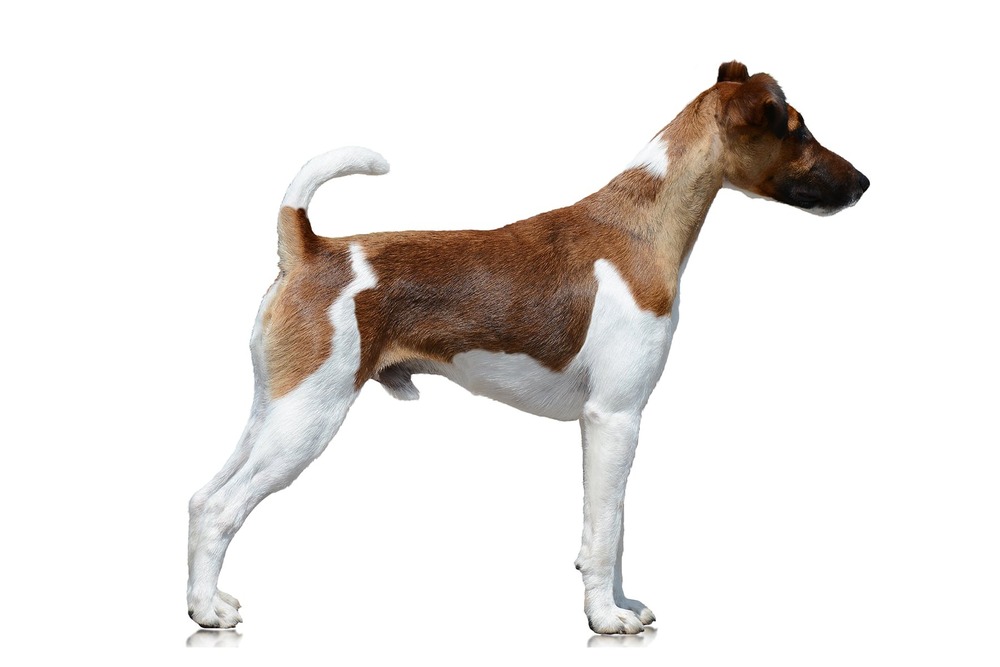
Reliable, breed-specific health data for the Ratonero Mallorquin is limited in English-language veterinary sources, largely because the breed is uncommon outside its region. Many overviews describe the breed as generally robust, but it is still sensible to plan for the basics that affect most small, active dogs.
For a practical baseline, focus on preventative care: routine veterinary check-ups, appropriate parasite control for your area, vaccination advice tailored to your lifestyle, dental care, and weight management.8, 9
If you are sourcing a puppy, ask what health screening is done in that breeder’s lines, and what issues they have seen in relatives. In rare breeds, transparency and record keeping matter at least as much as any single test.
Coat care, grooming, and cold weather comfort

A short coat usually means easy grooming, not no grooming. A weekly brush or rub-down helps lift loose hair and gives you a regular chance to check skin, ears, paws, and nails.
Because the coat is short, some individuals can feel the cold more than people expect, especially if they are lean and active. In cooler months, consider simple comfort measures, such as a well-fitted coat for early morning walks, and a warm sleeping spot out of draughts. The goal is not to coddle, it is to keep the dog comfortable enough to relax.
Dental care is easy to underestimate in small dogs. Veterinary organisations emphasise that dental disease is common, and home care plus regular checks can make a substantial difference over a lifetime.9
Feeding and weight management
Small active dogs can gain weight quietly, especially if training treats and extras are not counted. A complete and balanced commercial diet, matched to life stage, is a solid default for most pet dogs, and reputable veterinary guidance consistently frames diet as one of the main levers owners can control.8
In day-to-day life, a few habits help:
- Measure food, at least for a few weeks, to learn portions
- Use part of the daily kibble ration for training rewards
- Keep treats small and frequent rather than large and occasional
- Adjust intake if exercise changes seasonally
If you are unsure, ask your vet to assess body condition score and help you set a realistic target. It is far easier to prevent weight gain than to reverse it.
Living with a Ratonero Mallorquin: what tends to suit them
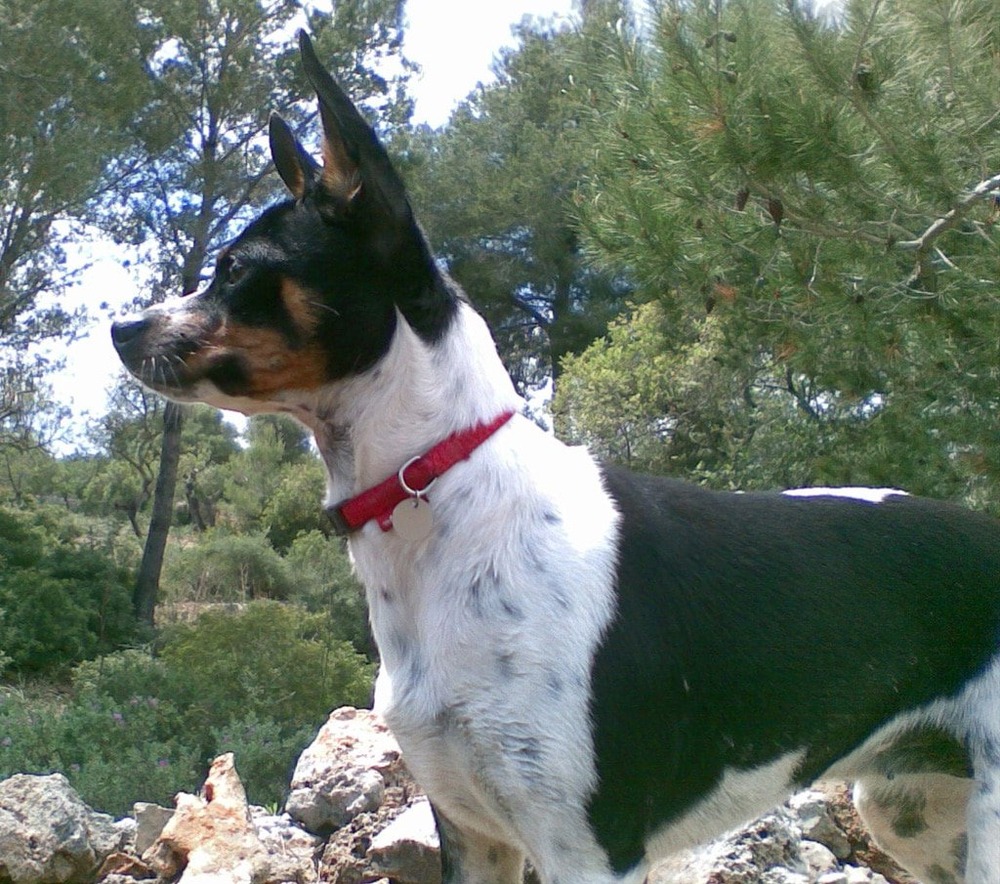
These dogs often suit people who like being engaged with their dog, not just sharing space. They can be affectionate companions, but they are rarely at their best when they are under-stimulated or left to self-direct their day.
They tend to do well in homes that can offer:
- Daily movement and sniffing time
- Kind, consistent training rather than force or intimidation5, 6
- A plan for barking and watchfulness that teaches calm alternatives
- Management around wildlife and small pets when needed7
If you enjoy a small dog with working-dog awareness and a quick brain, the Ratonero Mallorquin can make a lot of sense. If you want a dog that is content with minimal input, it may be kinder to choose a breed with lower drive and lower alertness.
References
- Wikipedia: Ca Rater Mallorquí
- Boletín Oficial del Estado (Spain): Orden APA/807/2004 (includes “Ratonero Mallorquín”)
- Fédération Cynologique Internationale (FCI): Nomenclature of breeds
- Wikipedia (Spanish): Ratonero mallorquín
- RSPCA Australia: Effective training methods for dogs
- American Veterinary Medical Association (AVMA): Training your dog
- PetMD: Rat Terrier breed overview (prey drive and socialisation context for ratter-type dogs)
- World Small Animal Veterinary Association (WSAVA): Global Nutrition Guidelines
- American Veterinary Medical Association (AVMA): Pet dental care