

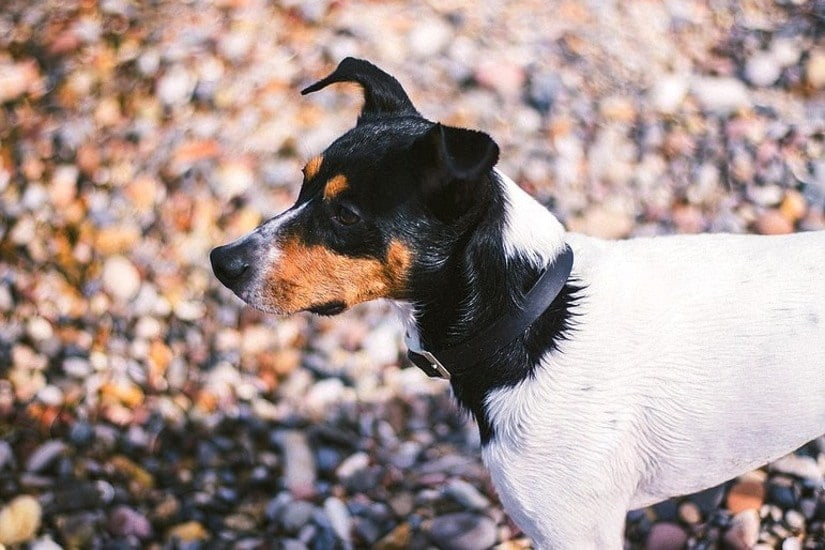
- Breed category: Terrier type (ratter)
- Country of origin: Spain (Region of Murcia)
- Typical height: about 30 to 40 cm
- Typical weight: about 5 to 8 kg
- Typical lifespan: about 12 to 15 years
- Coat: short and smooth
- Grooming: low, occasional brushing
- Exercise needs: moderate to high, daily walks and play
- Shedding: usually low to moderate
- Best known for: rat and mouse hunting
You might come across the Ratonero Murciano in a photo and think, “That looks like a small terrier”, then realise you cannot quite place it. Or you may hear the name from someone in Spanish breed circles and wonder whether it is a true “breed” in the formal sense, or more of a local working dog.
Part of the confusion is that ratters often look familiar across countries. They tend to be compact, quick on their feet, and always watching. What makes the Ratonero Murciano worth understanding is how tightly it is linked to a particular place and job: keeping farms, stores, and households in Murcia free of rodents. That history still shows up in the way many of these dogs move, learn, and cope with home life today.1
If you are considering one, or you are simply trying to interpret the behaviour of a small, high drive dog with a ratter background, it helps to look past the “low maintenance” label. This is often an easy coat, but not always an easy off switch.
Where the Ratonero Murciano comes from
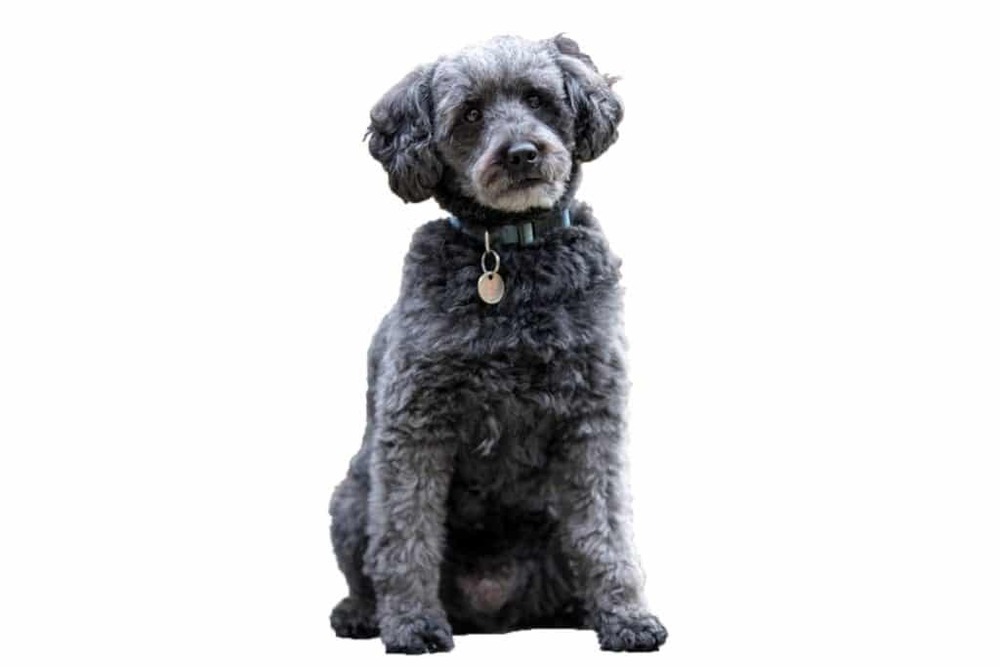
The Ratonero Murciano, sometimes described as Ratonero Murciano de Huerta, is associated with the Region of Murcia in south eastern Spain. Historically, it was valued as a practical dog for dispatching mice and rats around food stores, stables, and rural properties.1, 2
You will sometimes see older origin stories attached to the breed (Romans, Egypt, and so on). They are interesting possibilities, but they are not the same thing as documented breed history. What is clearer is that there have been modern efforts to preserve and standardise the type, including organised breeding activity reported from the late 1990s.1
It also helps to know that this breed is not recognised by the FCI (the Federation Cynologique Internationale). That does not make the dogs any less real, but it does shape what you can expect in terms of formal standards and international availability.3
What they look like in real life

Most descriptions converge on the same picture: a compact, athletic, short coated dog built for quick turns and sudden bursts of speed. Typical sizes are often given around 5 to 8 kg and roughly 30 to 40 cm at the shoulder, although any working type can vary more than the neat ranges suggest.1, 2
Coats are generally short and smooth. Colour is commonly described as combinations of white, black, and tan, with other variations sometimes mentioned in local descriptions.2
When people say the Ratonero Murciano is “low grooming”, they are usually talking about the coat. The trade off is that a short coat can mean less protection in cold weather, especially for a small dog with little body fat. In cooler climates, warm bedding and a coat on cold walks can make a noticeable difference to comfort.
Temperament, drive, and the “ratter brain”
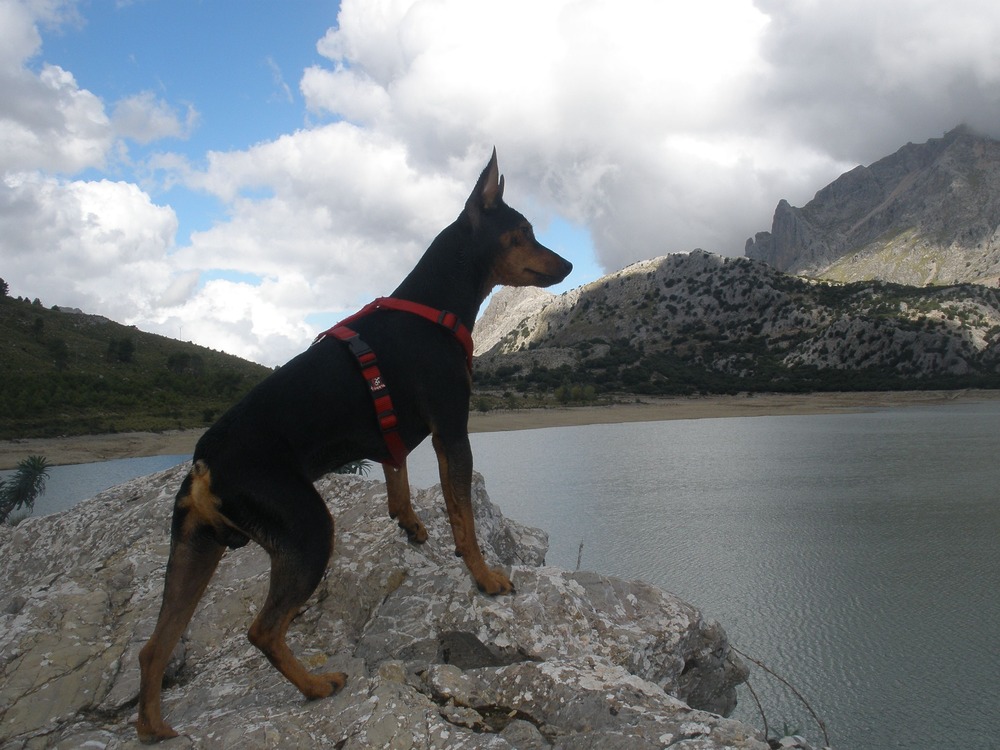
Many ratters share a recognisable style: alert posture, quick decision making, and a habit of scanning for movement. That does not mean they are “hyper” all the time, but it does mean their attention can switch on fast, particularly outdoors or around clutter where small animals could hide.
In a family home, this often shows up as a dog that enjoys being involved, likes games that mimic searching and chasing, and may bark when something changes in their environment. A moderate barking tendency is not unusual in watchful, environmentally aware small dogs, and it is best managed as a training project rather than a personality flaw.
With children, the biggest predictor of success is usually the same as with any small, active dog: calm handling, supervision, and teaching kids to avoid grabbing or cornering. With other pets, early introductions matter, and it is wise to assume that small furry pets may trigger chase behaviour unless you have very strong evidence otherwise.
Training that suits a smart, busy dog
Because ratters were selected to work independently and persist at a task, training tends to go best when it is clear, consistent, and rewarding. Positive reinforcement is not just kinder, it is also practical for dogs that learn quickly and can become avoidant or shut down under harsh methods.
Keep sessions short, especially at first. A useful pattern is to rotate between:
- skills (recall, loose lead, settle)
- impulse control (leave it, wait, stationing on a mat)
- nose work (scatter feeding, simple scent games)
If your dog struggles to “switch off”, train relaxation like any other behaviour. A mat cue, a chew on a predictable schedule, and reinforcing calm after activity often work better than trying to exercise the dog into exhaustion.
Exercise and enrichment, what “enough” often looks like
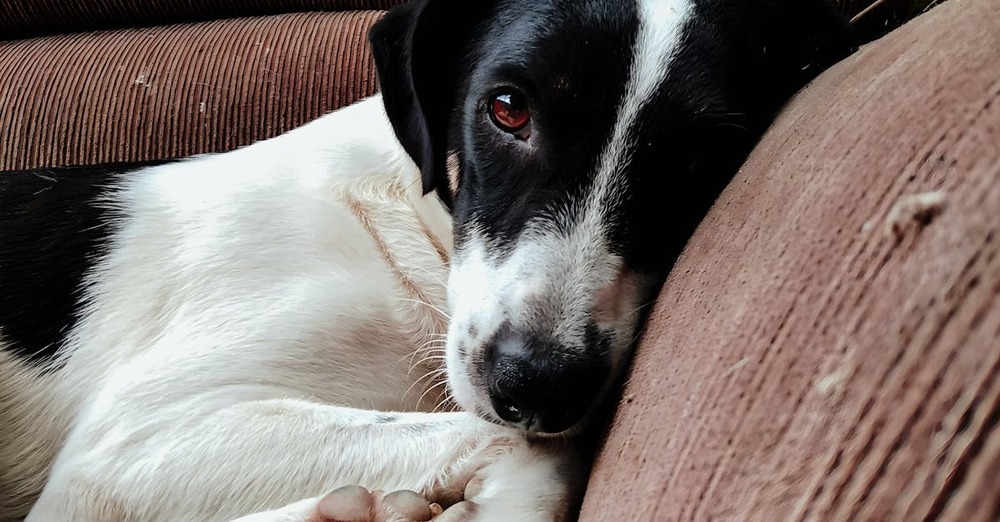
Descriptions of the Ratonero Murciano often land around moderate exercise needs, but many individuals will feel more like moderate to high, particularly in adolescence. The most reliable approach is to combine physical movement with brain work.
For many households, a realistic baseline is:
- a decent daily walk (or two shorter ones)
- play that involves searching, carrying, or tugging
- a small amount of training or puzzle feeding most days
Because these dogs can be quick and opportunistic, secure fencing and lead habits matter. If you live in an apartment, it can still work well, but only if you treat exercise and enrichment as part of the routine, not an occasional bonus.
Health, prevention, and what owners tend to miss
There is limited high quality, breed specific health data available in English for the Ratonero Murciano. Many sources describe the breed as generally hardy, with a typical lifespan commonly listed around 12 to 15 years.1, 2
In practice, the most useful focus for small, active dogs is often basic prevention rather than breed specific fear lists:
- weight management, because extra kilos stress joints and reduce heat tolerance
- dental care, because small dogs are commonly prone to periodontal disease over time
- skin and gut stability, because itch and digestive upsets can be influenced by diet, parasites, and environment
For dental care, brushing is the gold standard for plaque control, and products with the Veterinary Oral Health Council seal can be a helpful evidence based shortcut when choosing chews, diets, and adjuncts.7, 8
Grooming and everyday care

A short coat usually means simple grooming: a quick brush to lift dead hair, the occasional bath, and routine checks. The basics that make the biggest difference over the long run are often unglamorous:
- nails, kept short enough that the dog is not changing gait on hard surfaces
- ears, checked for redness and odour, especially if your dog is prone to wax build up
- teeth, brushed regularly, with professional advice if there is tartar or bad breath
If you notice persistent itch, recurrent ear problems, or frequent soft stools, treat it as a vet conversation rather than a guessing game. “Allergies” can be real, but they can also be confused with fleas, diet intolerance, or chronic irritation from infection.
Food, treats, and common household risks
A balanced diet that suits your dog’s size, life stage, and activity level is the goal. For many owners, the biggest feeding mistakes are not the main meals, but the extras, too many treats, table scraps, and “just a little bit” foods that quietly add up.
It is also worth being clear on safety. Several everyday foods are well recognised as dangerous to dogs, including chocolate, grapes and raisins, onions and garlic, macadamias, alcohol, and xylitol. Cooked bones are also risky because they can splinter or obstruct.4, 5
If you want human food style treats, choose safer options in tiny portions (for example, small pieces of plain cooked meat), and keep them boring enough that they do not disrupt training or appetite.
Living with a Ratonero Murciano, who it suits best
The Ratonero Murciano tends to suit people who like a dog that is present, responsive, and ready to do something with its body and brain. They often do well with owners who enjoy training, walking, and teaching a dog how to settle in a busy household.
They are not always the best match for someone who wants a very quiet, low engagement companion. A ratter bred to notice movement and solve problems can become inventive when bored. If you plan for that up front, with outlets for sniffing, searching, and learning, you usually get the best of the breed: a small dog with real working sparkle, and a genuine capacity to live closely with people.
References
- Wikipedia: Ratonero Murciano
- Wikipedia (es): Ratonero murciano
- FCI: Breeds Nomenclature (recognition lists)
- RSPCA Australia: Household dangers to your pet
- Agriculture Victoria: Human foods to avoid for cats and dogs
- RSPCA Pet Insurance: Foods to avoid feeding your dog
- Veterinary Oral Health Council (VOHC): Official website
- VOHC: Accepted products list
- VOHC: Brushing technique information